
Main Courses
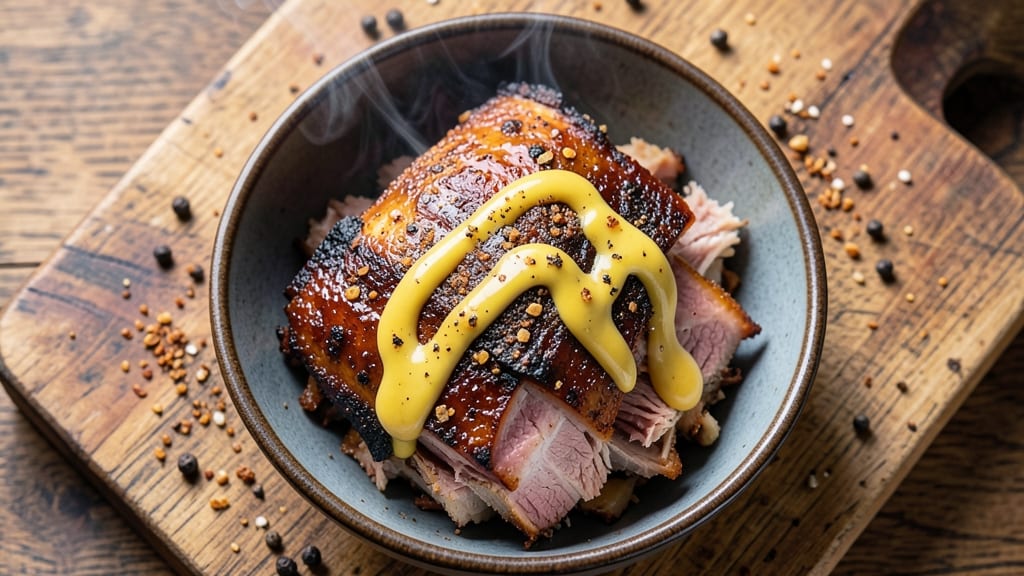
This Boston butt pulled pork smoker recipe delivers the kind of fall-apart tenderness that makes every bite worth the wait. After years of perfecting my technique—from brining to bark management—I’ve cracked the code for restaurant-quality results in your own backyard.
The secret lies in patience, precise temperature control, and that perfect balance of smoky flavor and juicy meat.
What sets this recipe apart is the 8-hour smoking process at 225°F, which transforms tough pork shoulder into melt-in-your-mouth perfection. I’ve tested this method countless times, and the results are always the same: juicy, tender meat that shreds effortlessly and soaks up sauce like a dream.
The key? A dry rub with just the right balance of spices and a wood choice (hickory or applewood) that enhances—rather than overpowers—the natural sweetness of the meat.
By the time you’re done, you’ll have pulled pork so tender it practically falls apart at the touch, with a crusty, caramelized bark that’s impossible to resist. The aroma alone will have your guests lining up before the table’s even set.
Serve it on buns with tangy coleslaw or classic baked beans, and you’ve got a meal that’s equal parts impressive and comforting.
Whether you’re hosting a crowd or just craving a smoky Sunday dinner, this recipe delivers foolproof, smoker-perfected results every time. Let’s get started—your taste buds (and your smoker) will thank you.
Ingredients for boston butt pulled pork smoker
Eight pounds of pork shoulder, a perfect dry rub, and patience—this is all you need for smoky perfection.
| Ingredient | Amount | Notes |
|---|---|---|
| Boston Butt Pork Shoulder 🥩 | 8 lb | Bone-in for best flavor |
| Yellow Mustard 🍯 | ½ cup | For sticky brine base |
| Brown Sugar 🍚 | 1 cup | Light or dark variety |
| Kosher Salt 🧂 | 2 tbsp | Diamond Crystal preferred |
| Black Peppercorns 🌶️ | 1 tbsp | Freshly cracked preferred |
| Garlic Powder 🧄 | 1 tbsp | Not garlic salt |
| Onion Powder 🧅 | 1 tbsp | Freshly ground preferred |
| Smoked Paprika 🌶️ | 1 tbsp | For deep smoky flavor |
| Apple Cider Vinegar 🍎 | ¼ cup | For tangy brightness |
| Hickory Wood Chips 🌳 | 2 lb | Or applewood for milder smoke |
| Unsalted Butter 🧈 | ½ cup | For finishing bark |
| Barbecue Sauce 🍅 | 2 cups | Store-bought or homemade |
| Fresh Parsley 🌿 | ¼ cup | Chopped for garnish |
The pork shoulder is non-negotiable here. Look for bone-in cuts—they hold up better during the long smoke and add extra flavor. Costco or local butcher shops usually have the best prices for large cuts. If you're buying pre-cut, make sure it's a single muscle cut (not mixed with other pork). For the wood chips, Traeger or Cookshack brands are my go-to—they're consistent and won't leave bitter aftertastes. The hickory gives that classic BBQ flavor, but applewood works beautifully if you prefer something milder. Just avoid pine—it can taste harsh.
No yellow mustard? Dijon mustard at double the amount works in a pinch. The brown sugar can be swapped for white sugar plus 1 tsp molasses for deeper flavor. If you're short on time, pre-mixed dry rubs from Penzeys or McCormick save steps, though I always recommend making your own for that restaurant-quality taste. The apple cider vinegar adds tang—if you don't have it, white vinegar at half the amount does the job. And for the butter finish? Vegan butter works too if you're accommodating dietary needs, though it won't develop quite the same caramelized bark.
This recipe is all about low-and-slow prep. Brine the pork overnight for maximum tenderness, then let it sit at room temp for 30 minutes before smoking. The wood chips? Soak them for 30 minutes before using. Leftovers? They're even better the next day—freeze portions for up to 3 months or keep them in the fridge for 5 days. I always make extra sauce because it disappears fast. For serving, warm buns in a 350°F oven for 5 minutes so they don't get soggy.
Why You'll Love This Recipe
- Sweet-Savory Magic: That yellow mustard base? It’s the secret weapon—tangy enough to cut through the richness, sweet enough to make your taste buds dance. The brown sugar caramelizes into a sticky, irresistible glaze that clings to every shred like it’s been kissed by smoke.
- Smoker for All: No fancy equipment needed—this works on a pellet grill, charcoal smoker, or even your oven with a pan. Hosting a picnic? Tailgate? A lazy Sunday? The same rub and method deliver every time. I’ve fed 12 people with one butt, and they all left happy.
Step-by-step instructions for smoked Boston butt pulled pork
Here's how to turn that tough pork shoulder into tender, smoky perfection with just a smoker and patience.
Create the Dry Rub and Brine Mixture
In a medium bowl, combine the 1 cup brown sugar, 2 tbsp kosher salt, 1 tbsp freshly cracked black peppercorns, 1 tbsp garlic powder, 1 tbsp onion powder, and 1 tbsp smoked paprika. Mix thoroughly until the spices are evenly distributed and the sugar crystallizes slightly. This rub will form the flavor foundation for your pork.
In a separate large bowl, whisk together the 0.5 cup yellow mustard and 0.25 cup apple cider vinegar until smooth and fully combined. This tangy mixture will penetrate the meat during the overnight brine, ensuring maximum flavor and moisture retention. The mustard creates a sticky barrier that helps the rub adhere perfectly to the pork's surface.
Apply Rub and Brine the Pork Overnight
Pat the 8 lb bone-in Boston butt pork shoulder completely dry with paper towels—this is absolutely critical for developing that coveted bark later. Generously coat all sides with the mustard-vinegar mixture, making sure to get into any crevices and the cavity if you choose to season it there as well.
Next, press the dry rub mixture firmly into every inch of the pork's surface, including the fat cap. The fat should be coated but not completely buried—leave about ¼ inch exposed to render and create that beautiful bark. Wrap the pork tightly in plastic wrap and refrigerate for 12-24 hours. This long brining period ensures deep flavor penetration and helps break down the connective tissue for that signature pulled pork texture.
Prepare and Smoke the Pork
Soak the 2 lb hickory wood chips in water for 30 minutes before using to prevent flare-ups. Set up your smoker to maintain a consistent temperature of 225°F. Once the smoker reaches temperature and you see clean, blue smoke (not thick white), place the brined pork shoulder fat-side up on the grill grates. The fat will render and baste the meat as it smokes.
Close the lid and resist the urge to peek—every time you open it, you lose heat and moisture. Smoke the pork for 6-7 hours until the internal temperature reaches 160-165°F. This is when you'll hit "the stall," where the temperature plateaus as moisture evaporates. Don't be alarmed—this is completely normal and part of the process. The pork should have a deep mahogany bark developing on the exterior.
Wrap and Finish Cooking
When the pork reaches 165°F, it's time to wrap it in butcher paper (not aluminum foil). This technique, known as the "Texas crutch," helps push through the stall while maintaining that beautiful bark. Return the wrapped pork to the smoker and continue cooking until the internal temperature reaches 195-203°F—this can take another 3-5 hours. The meat should be fork-tender and pull apart easily with minimal resistance.
Once done, remove the pork from the smoker and let it rest for 1 hour wrapped in the butcher paper. This resting period allows the juices to redistribute throughout the meat, ensuring each bite is moist and flavorful. The pork will continue to carry over in temperature during resting, so don't be concerned if the internal temp rises slightly.
Shred and Finish with Butter and Barbecue Sauce
Unwrap the pork and transfer it to a cutting board. Using two forks, shred the meat against the grain into ¼-inch thick strands. Discard any large fat chunks or connective tissue. The pork should pull apart easily with just a little resistance—this is the sign of perfectly tender pulled pork.
In a large skillet, melt the 0.5 cup unsalted butter over medium heat. Add the shredded pork and toss to coat evenly in the butter, allowing the flavors to meld together. Stir in 2 cups barbecue sauce and simmer for 5-7 minutes until the sauce thickens slightly and coats the pork. Garnish with 0.25 cup chopped fresh parsley just before serving for a pop of freshness and vibrant color.
Pro Tips For Making Boston Butt Pulled Pork Smoker
- Trim the Fat First: Cut away the thin layer of fat on the outer edge of the Boston butt before seasoning—it’s the part that never renders properly and turns into a soggy mess. I learned this the hard way after pulling pork that looked like it had been crying into the rub.
- Wet the Rub, Not the Meat: Mix your yellow mustard and brown sugar into a paste with just enough water to stick to your fingers, not drip off. Slapping a dry rub on raw pork just makes it flake apart when you probe it. (Yes, even if you’re impatient like me.)
- Probe the Thickest Part: Stick your thermometer into the thickest section of the meat, away from the bone—this is where it’ll hit 203°F last, not the outer crust. I used to pull pork at 195°F because the thin edge looked done, and it was still chewy as boot leather.
- Crush Those Peppercorns: Grind your black peppercorns fresh—whole ones just sit like tiny marbles in your sauce. A quick pulse in a spice grinder turns them into fine powder that actually seasons the meat, not just decorates it. (Your future self will thank you.)
Creative variations of these flavors
Southern Carolina Style
This is my go-to variation when I’m craving that Carolina Gold-style pulled pork—sweeter, slightly tangier, and with a touch of heat.
After the initial 6-hour smoke, I wrap the pork in butcher paper with ½ cup apple cider vinegar and ¼ cup brown sugar—this keeps the meat moist while adding a bright, almost vinegar-braised flavor.
I finish it with a sauce made from 1 cup ketchup, ½ cup apple cider vinegar, ¼ cup molasses, and 2 tbsp hot sauce. Serve it on toasted buns with a side of coleslaw—the tang cuts through the richness beautifully. 🌶️
Cajun Spice Twist
For a Louisiana-inspired take, I swap the smoked paprika for 1 tbsp Cajun seasoning—I love Tony Chachere’s blend for its balanced heat and depth.
Add 1 tsp cayenne pepper to the dry rub for extra kick, and finish the pork with a sauce made from 1 cup Creole mustard, ½ cup hot sauce, and 2 tbsp Worcestershire sauce. The result?
A pulled pork with a fiery, spicy edge that pairs perfectly with cornbread and a cold Abita beer. I often serve this at my farm dinners—it’s a crowd-pleaser every time. 🍺
Honey-Glazed Option
If you prefer something sweeter, try a honey-glazed finish. After the pork reaches 195°F, I brush it with a mix of ½ cup honey, 2 tbsp Dijon mustard, and 1 tbsp apple cider vinegar before wrapping it in butcher paper.
The honey caramelizes beautifully during the final 2-hour smoke, creating a sticky, glossy bark. For serving, I toss the shredded pork in a sauce made from 1 cup BBQ sauce and 2 tbsp honey, then garnish with toasted pecans for crunch.
This version is especially popular during fall gatherings—it’s sweet, smoky, and just a little bit indulgent. 🍯
Breakfast-Style Pulled Pork
Yes, you read that right—breakfast pulled pork is a thing, and it’s a game-changer. After smoking the pork as usual, shred it and mix in ½ cup sharp cheddar cheese, 2 tbsp cream cheese, and 1 tsp smoked paprika.
Serve it on a toasted English muffin with a fried egg on top and a drizzle of hot honey. I also love adding a sprinkle of crumbled bacon for extra richness. This is a weekend brunch staple at my house—trust me, your guests will be asking for seconds. 🍳
Sugar-Free Version
For those watching their sugar intake, I’ve perfected a sugar-free dry rub using 1 cup erythritol (a sugar substitute) instead of brown sugar. The rub still packs flavor with 2 tbsp kosher salt, 1 tbsp garlic powder, 1 tbsp onion powder, and 1 tbsp smoked paprika.
For the sauce, I use a mix of 1 cup sugar-free BBQ sauce, 2 tbsp apple cider vinegar, and 1 tbsp Dijon mustard. The result is just as tender and flavorful—no one will miss the sugar!
This version is a hit with health-conscious friends who still want to enjoy smoked pork. 💪
Nutrition facts
Frequently asked questions
Why does the recipe call for an overnight brine?
The overnight brine transforms tough pork shoulder into tender, pull-apart perfection. The mustard-vinegar mixture penetrates deep into the meat, while the salt and spices break down connective tissue during the long rest. This step ensures maximum juiciness and flavor infusion—skipping it risks dry, flavorless results. For best tenderness, never rush this process!
What's the difference between butcher paper and aluminum foil for wrapping?
Butcher paper creates a better bark while allowing moisture to escape slightly, while aluminum foil traps steam and can make the exterior soggy. For this recipe, butcher paper is ideal—it maintains that beautiful crust while helping push through the stall. Only use foil if you're in a very humid climate or cooking in extreme cold.
Can I use a different wood than hickory?
Applewood offers a milder, slightly sweet smoke perfect for beginners. For more heat, try cherry or pecan. Avoid pine—it can taste bitter. The key is consistency: use the same wood throughout the entire cook. If you mix woods, start with the stronger flavor first (like hickory) and add milder woods later.
How do I know when the pork is done?
Use a meat thermometer to check the internal temperature—195-203°F is the perfect range for pull-apart tenderness. The probe should slide in easily, and the meat should look like it's melting. If it's still firm at 203°F, let it rest longer—the temperature will continue rising as it rests.
What if my smoker runs out of wood chips halfway?
No problem! Just add fresh, soaked wood chips to the smoker box or charcoal. The key is maintaining that 225°F temperature—don't let it drop below 200°F or above 250°F. If you're using a pellet smoker, adjust the temperature setting instead. The smoke flavor will be consistent as long as you keep the heat stable.