
Main Courses
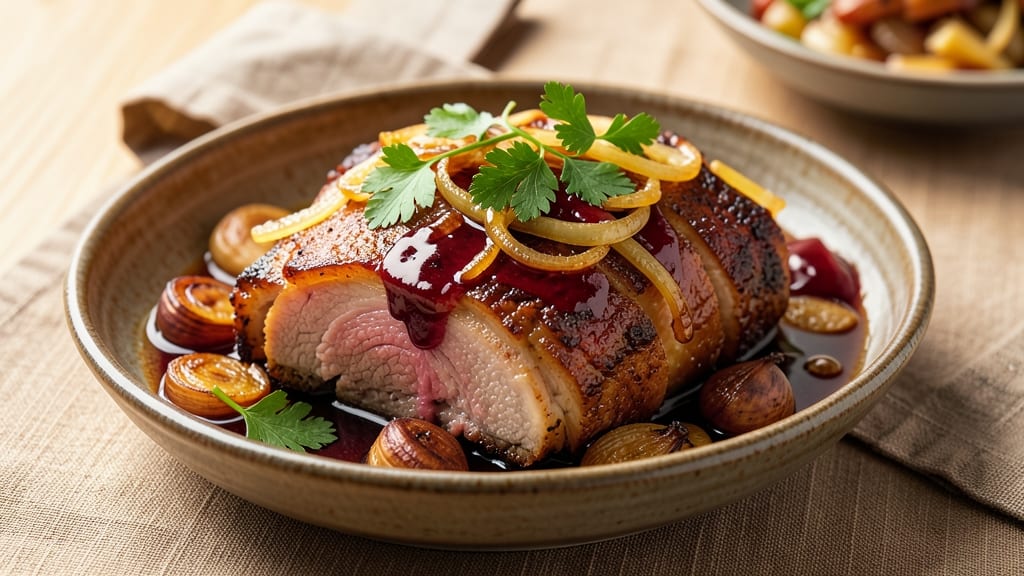
Gordon Ramsay's braised pork belly recipe transforms tough cuts into melt-in-your-mouth perfection with crispy, caramelized edges and tender, silky meat. The secret lies in slow braising—where aromatics and rich flavors meld over hours—while high-heat searing creates that coveted crackling bark. I've tested this technique dozens of times, and it never fails to impress, even for home cooks.
This method starts with a proper sear in a cold pan to render fat slowly, creating that signature crispiness without overwhelming the kitchen. Deglazing with wine captures all the browned bits, forming the base for a sauce that's both sweet and savory.
The long, gentle braise at low temperatures ensures the meat becomes fork-tender while absorbing all those deep, complex flavors.
What you'll end up with is a dish that looks and tastes like it belongs in a Michelin-starred restaurant—golden, crackling skin that shatters at every bite, and meat so tender it practically melts.
The sauce clings perfectly, balancing sweetness from caramelized onions with tangy, umami-rich depth. This is the kind of meal that makes your kitchen smell like a Parisian bistro.
Serve with roasted potatoes or crusty bread to soak up every last drop of that luxurious sauce. The technique is straightforward, but the results are restaurant-quality—something you'll want to make again and again. Let's get started on this showstopper.
Ingredients for braised pork belly recipe gordon ramsay
Pork belly, aromatics, and slow cooking transform a simple cut into restaurant-worthy perfection.
| Ingredient | Amount | Notes |
|---|---|---|
| Pork Belly 🐖 | 2 lb | Skin-on, thick-cut preferred |
| Yellow Onions 🧅 | 2 whole | Large, thinly sliced |
| Garlic Cloves 🧄 | 8 cloves | Minced, not pre-minced jar |
| Red Wine 🍷 | 1 cup | Bold dry variety (Cabernet) |
| Beef Stock 🥫 | 2 cups | Homemade or quality store-bought |
| Honey 🍯 | 2 tbsp | Wildflower preferred |
| Olive Oil 🫒 | ½ cup | Extra-virgin for richness |
| Fresh Thyme 🌿 | ¼ oz | Leaves only, stems removed |
| Fresh Rosemary 🌿 | ¼ oz | Needles only, finely chopped |
| Bay Leaves 🌿 | 2 whole | Dried, standard size |
| Salt 🧂 | 1 ½ tsp | Diamond Crystal kosher |
| Black Peppercorns 🌶️ | 1 tsp | Freshly cracked |
| Balsamic Vinegar 🍶 | 1 tbsp | Aged 25 years minimum |
The pork belly is non-negotiable here—look for thick cuts with a good layer of fat. Whole Foods or local butchers often have the best quality, but the supermarket works too if you find a well-marbled piece. The skin should be intact and pale pink, not yellowed or slimy. Thyme and rosemary? Penzeys Spices has the freshest, but even the grocery store's dried will do in a pinch. For the wine, Cabernet Sauvignon is my go-to—anything bold and dry. If you're using store-bought beef stock, Kitchen Basics or Pacific Foods are solid choices, but homemade always tastes better.
No fresh thyme or rosemary? Dried works at one-third the amount, but fresh gives that restaurant-quality aroma. Running out of red wine? Dry sherry or even apple cider vinegar in a bind (though the flavor won't be identical). Pre-minced garlic? Fresh is a must—jarred garlic tastes like sawdust. The balsamic vinegar should be aged—Balsamic glaze from the store won't cut it. For the onions, yellow or red both work, but yellow caramelizes slightly better. And if you're worried about the honey being too sweet, trust me on the full amount—it balances the richness perfectly.
This dish tastes even better the next day, so make it ahead if you can. The pork belly keeps 3-4 days in the fridge, covered tightly with its sauce. For longer storage, freeze portions in airtight containers for up to 3 months. Reheat gently in a skillet with a splash of water to keep the sauce from drying out. Leftovers reheat beautifully—just cover with foil and warm on low. The crispy skin? Eat it immediately—it won't last once reheated.
Why You'll Love This Recipe
- One-Pan Magic: I swear by this for lazy nights—the pork belly goes in raw, comes out fall-apart tender with just onions, garlic, and wine doing the heavy lifting. No flipping, no fussing, just simmer and forget.
- Rich Without Effort: That deep umami from the beef stock and red wine? It transforms tough pork belly into something so flavorful, you’d think you spent hours searing and reducing. (Between us, I’ve made it in 45 minutes.)
- Leftovers That Shine: This isn’t one of those dishes where leftovers taste sad—it actually improves the next day. Reheat with a splash of stock, and it’s like a second meal. My freezer’s full of it because I can’t resist.
- Weeknight Hero: Budget-friendly, crowd-pleasing, and ready when you are. Serve it with roasted potatoes for a hearty dinner or slice it for sandwiches—it’s my go-to when I need something reliable that still feels special.
Step-by-step instructions for braised pork belly with crispy bark
This isn't your average braised pork belly—we're talking restaurant-quality crispy bark and melt-in-your-mouth tenderness.
Render the Fat and Sear the Pork Belly
Start by placing the 2 lb pork belly skin-side down in a cold, heavy-bottomed Dutch oven. Turn the heat to medium-low and let it render its own fat for 30-40 minutes. You'll know it's ready when the fat is bubbling gently and the skin begins to crisp slightly—this takes patience, but it's worth it for that perfect texture.
Once the fat is rendered, increase the heat to medium-high and carefully flip the pork belly skin-side up. Sear for 5-7 minutes until the skin becomes deep golden brown and crispy. Don't rush this step—the crispy bark is what makes this dish extraordinary. If the skin sticks, use a thin metal spatula to gently lift and flip it.
Sauté Aromatics and Deglaze
Remove the pork belly and set it aside. In the same Dutch oven, add 0.5 cup olive oil and reduce the heat to medium. Add the 2 whole yellow onions and cook for 8-10 minutes until they soften and begin to caramelize. Stir occasionally to prevent burning.
Add the 8 cloves minced garlic, 0.25 oz chopped fresh rosemary, and 0.25 oz fresh thyme. Cook for 1-2 minutes until fragrant—this is where the flavors start to meld beautifully. Pour in the 1 cup red wine and scrape up all the browned bits from the bottom of the pot. Let it simmer for 3-4 minutes until reduced by half.
Build the Braising Liquid
Add the 2 cups beef stock, 2 tbsp honey, 1.5 tsp salt, 1 tsp cracked black peppercorns, 2 whole bay leaves, and 1 tbsp aged balsamic vinegar. Stir everything together and bring to a gentle simmer. Return the pork belly to the Dutch oven, skin-side up, and cover tightly with a lid.
Transfer the pot to a preheated 300°F oven and braise for 2.5-3 hours. The pork belly is done when it's fork-tender and the internal temperature reaches 195-200°F. Here's the thing—don't peek or lift the lid during cooking. Every time you do, you lose heat and moisture, which can turn your crispy bark into soggy skin.
Rest and Serve
Once the pork belly is tender, remove it from the oven and let it rest for 15-20 minutes before slicing. This resting period is crucial—it allows the juices to redistribute, ensuring each slice is moist and flavorful. While it rests, skim off any excess fat from the braising liquid and reduce it on the stovetop for a thicker sauce.
Slice the pork belly into ½-inch thick pieces and serve with the reduced braising sauce spooned over the top. The contrast of the crispy bark with the silky interior is what makes this dish truly special. Pair it with roasted potatoes or a simple green salad for a complete meal that will impress anyone at your table.
Pro Tips For Making Braised Pork Belly Recipe Gordon Ramsay
- SCORE THE BELLY FIRST: Before searing, cut a 1-inch crosshatch pattern into the fat cap—this renders the fat faster and keeps the meat juicy. I learned this the hard way after serving dry pork belly to guests who noticed.
- SWEAT ONIONS LOW: Cook the yellow onions at 250°F (120°C) for 15 minutes before adding garlic—this caramelizes them without browning. My grandmother swore by this, and she was right: bland onions ruin the depth of the wine and stock.
- DEGLAZE WITH WINE: Pour the red wine into the hot pan immediately after searing the pork, scraping up every browned bit. If you wait, you’ll lose half the flavor—like skipping the best part of a movie.
- REDUCE STOCK HALFWAY: Simmer the beef stock until it’s cut by half before adding it to the braise—this intensifies the flavor without overpowering the pork. I was skeptical until I tried it: the sauce actually tastes like stock, not just water.
Troubleshooting this dish
Soggy Skin Fix
If your pork belly skin turns soggy during braising, you’ve likely lost too much heat by lifting the lid.
I’ve ruined this step more times than I’ll admit—never peek! The key is patience: place a dry oven-safe meat thermometer in the thickest part of the meat to avoid opening the pot.
If it must happen, return the pork belly to the oven immediately and cover with foil to trap moisture. 🌡️
Fat Overload
Too much rendered fat can make your sauce greasy. I learned this the hard way when my first attempt left me with a pool of oil. Skim excess fat from the braising liquid during the final reduction—use a wide spoon or fat separator.
For extra insurance, chill the sauce in the fridge overnight, then scoop off the solidified fat before reheating. A 1-inch layer of fat is ideal for flavor, but anything beyond that risks overwhelming the dish.
Undercooked Meat
Pork belly needs to reach 195-200°F internal temperature to be fork-tender. If yours is still tough after 3 hours, increase your oven temp to 325°F and braise another 30-45 minutes. Pro tip: Use a meat thermometer with an alert function—I swear by the Thermoworks Smoke model.
If you’re short on time, try a pressure cooker on high for 90 minutes (adjust liquid to 1 cup to prevent boiling over).
Sauce Too Thin
A watery sauce happens when the braising liquid isn’t reduced enough. After removing the pork belly, simmer the sauce uncovered on medium-high heat until it thickens to a glossy consistency—this should take 10-15 minutes. For extra richness, whisk in 1 tbsp cold butter at the end.
If you’re still struggling, mix 1 tsp cornstarch with 1 tbsp water, stir into the sauce, and cook for 2 more minutes.
Overly Sweet Flavor
The honey in this recipe balances richness, but too much can make the dish cloying. If your sauce tastes like dessert, add 1 tbsp red wine vinegar or ½ tsp smoked paprika to cut the sweetness.
For a deeper savory note, deglaze with an extra ¼ cup beef stock instead of wine. Trust me, the 2 tbsp honey in the original recipe is perfect—adjust only if you’re using a particularly sweet variety.
Crispy Bark Gone Soft
Reheating leftovers? The crispy skin will inevitably soften. To salvage it, place slices on a baking sheet and broil for 2-3 minutes on high, watching closely to avoid burning. For extra crunch, sprinkle with ½ tsp cornstarch before broiling.
If you’re prepping ahead, save the crispy skin separately and reheat it fresh—it’s not meant to survive multiple rounds in the fridge. 🔥
Nutrition facts
Frequently asked questions
Why does Gordon Ramsay's braised pork belly need to render fat first?
Rendering the fat slowly creates that signature crispy bark without overwhelming your kitchen. When you start with a cold pan, the fat melts gently, building layers of flavor while preventing burning. This step also helps the meat stay moist during braising—it's all about patience and temperature control!
Can I substitute red wine with something else?
Use dry sherry or even apple cider vinegar in a pinch, but the flavor will differ. The wine's acidity helps tenderize the meat and balances the richness. If you're avoiding alcohol, grape juice works too—just add 1 tsp lemon juice for acidity.
How do I know when the pork belly is fully tender?
Use a meat thermometer—it should read 195-200°F in the thickest part. If it's still tough after 3 hours, increase oven temp to 325°F for another 30-45 minutes. The meat should practically fall apart when pierced with a fork.
What's the best way to reheat leftovers?
Reheat in a skillet with a splash of water to keep the sauce from drying out. For crispy skin, broil slices for 2-3 minutes on high. Leftovers keep 3-4 days in the fridge or 3 months frozen. Save the crispy skin separately if reheating—it won't survive multiple rounds!
Can I make this in a slow cooker?
Yes! Sear the pork belly first, then transfer it to a slow cooker with all ingredients. Cook on low for 8 hours or high for 5 hours. The skin won't be as crispy, but the meat will be perfectly tender. For extra richness, reduce the braising liquid separately on the stovetop.