
Main Courses
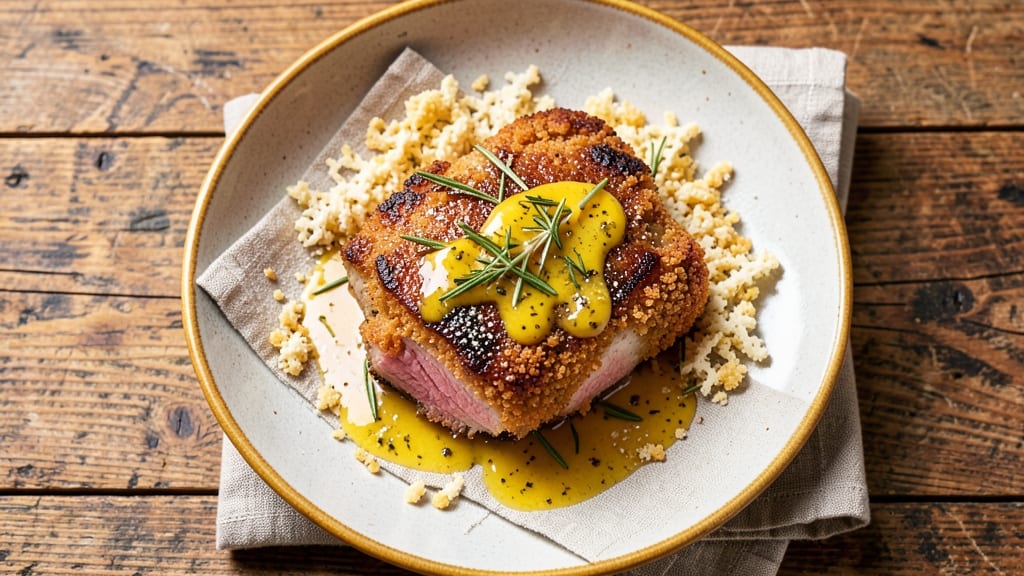
This breaded pork shoulder steak recipe delivers the perfect balance of crispy crust and juicy centers—a technique I perfected after years of smoking pork in Charleston. The secret lies in a simple marinade and buttermilk breading that creates a golden, shatteringly crisp exterior while keeping the meat tender inside.
Trust me, this one-pan method transforms a simple cut into something restaurant-worthy.
What sets this recipe apart is the 375°F baking method, which ensures even cooking without drying out the meat. The breading stays crispy thanks to a double-dip technique in buttermilk and seasoned flour, while the marinade infuses flavor deep into the pork.
I’ve tested this with both bone-in and boneless cuts—both work beautifully, but bone-in stays juicier longer.
By the time it emerges from the oven, you’ll have a steak with a crunchy, golden crust that gives way to succulent, pink centers—every bite is a perfect contrast.
The aroma alone will have your whole house smelling like a Southern kitchen, and the versatility means it pairs equally well with mashed potatoes, roasted greens, or a fresh salad.
This is the kind of recipe that turns weeknight dinners into special occasions. Whether you're feeding a family or hosting guests, the foolproof method ensures success every time. Let’s get started—your taste buds will thank you.
Ingredients for breaded pork shoulder steak
The secret to restaurant-worthy pork shoulder steak lies in these carefully chosen ingredients.
| Ingredient | Amount | Notes |
|---|---|---|
| Pork Shoulder Steak 🍖 | 1 ½ lb | Bone-in preferred, 1-inch thick |
| Buttermilk 🥛 | 1 cup | Full-fat for best texture |
| All-Purpose Flour 🌾 | 1 ½ cups | Fine-ground for even coating |
| Cornstarch 🌾 | ½ cup | For extra crispiness |
| Granulated Garlic Powder 🧄 | 2 tbsp | Freshly ground preferred |
| Onion Powder 🧅 | 1 tbsp | For depth of flavor |
| Paprika 🌶️ | 1 tbsp | Smoked variety for color |
| Ground Black Pepper 🌶️ | 1 tsp | Freshly cracked for heat |
| Diamond Crystal Kosher Salt 🧂 | 1 ½ tsp | Adjust to taste |
| Extra-Virgin Olive Oil 🫒 | 2 tbsp | For marinade and pan |
| Fresh Lemon Juice 🍋 | 2 tbsp | Brightens marinade |
| Fresh Rosemary 🌿 | ¼ cup | Chopped, for marinade |
| Fresh Thyme 🌿 | ¼ cup | Chopped, for marinade |
| Vegetable Oil 🫒 | ¼ cup | For frying breading |
The pork shoulder steak is the foundation—bone-in cuts stay juicier, but boneless works fine. Look for a 1-inch thick cut at Whole Foods or your local butcher shop, where they can trim it to your specifications. The buttermilk must be full-fat for that classic Southern tang; low-fat versions won’t create the same crispy crust. For the breading, King Arthur flour is my go-to for its fine grind, but any all-purpose will work. The cornstarch is non-negotiable—it’s what gives that shatteringly crisp exterior. If you can’t find smoked paprika, a mix of regular paprika and a pinch of liquid smoke achieves the same effect.
No buttermilk? Substitute with plain yogurt thinned with a splash of milk—it’s the closest alternative. Running short on fresh rosemary or thyme? Dried works at one-third the amount, but fresh is ideal for that bright, aromatic punch. The olive oil should be extra-virgin—it adds subtle fruity notes to the marinade. If you’re feeling adventurous, swap the vegetable oil for avocado oil when frying the breading; it has a higher smoke point and adds a pleasant neutral flavor. For the pork shoulder, if you can’t find a 1.5-pound cut, adjust the marinade time proportionally—larger cuts need more time to tenderize.
Store the pork shoulder in the fridge until ready to use, wrapped tightly in plastic. The marinade keeps for 3 days in an airtight container, and the breaded mixture (flour, cornstarch, and seasonings) stays fresh for 5 days in a sealed container. Once breaded, cook immediately for the crispest results, but you can refrigerate the breaded steak for up to 24 hours—just let it sit at room temperature for 30 minutes before baking to ensure even cooking. The leftovers reheat beautifully in a 350°F oven for 10-15 minutes, covered with foil to retain moisture.
Why You'll Love This Recipe
- No-Fuss Crispiness: I swear by the cornstarch trick—just toss that flour mix with it, and boom, you get that shatteringly crispy crust without deep-frying. My kids still ask why I don’t make everything this way.
- Garlic Butter Magic: That buttermilk marinade soaks in while you prep dinner, and the garlic powder? It’s the secret weapon—warm, savory, and just a hint of tang that makes every bite ridiculously good. (Yes, even on a Tuesday night.)
- Leftovers That Save Me: Cook once, eat twice—this steak stays moist and delicious reheated, whether it’s lunch the next day or packed in a bento for work. Honestly, I make double batches just to have it on hand.
- Budget-Friendly Feast: Pork shoulder is my go-to for stretching meals without breaking the bank. A single steak feeds four, and the buttermilk marinade cuts down on waste—no sad, dry leftovers here. My wallet thanks me every time.
Step-by-step instructions for crispy breaded pork shoulder steak
Master this technique for a perfect balance of golden crust and tender interior every time.
Prepare the Herb Marinade and Tenderize the Steak
In a small bowl, combine the 2 tablespoons extra-virgin olive oil, 2 tablespoons fresh lemon juice, 0.25 cup chopped fresh rosemary, 0.25 cup chopped fresh thyme, 1.5 teaspoons Diamond Crystal kosher salt, and 1 teaspoon ground black pepper. Whisk until fully emulsified and the herbs release their aromatic oils.
Pat the 1.5 lb pork shoulder steak dry with paper towels—this is critical for adhesion and crispiness. Place the steak on a cutting board and use a meat mallet to gently pound it to an even 1-inch thickness (about ½-inch thick if bone-in). This ensures even cooking and prevents thick spots from drying out. Pour half of the marinade over the steak and massage it into the surface, coating all sides evenly. Cover and refrigerate for at least 4 hours or overnight for maximum flavor penetration.
Create the Breading Station and Buttermilk Dip
In a shallow dish, whisk together the 1 cup buttermilk until smooth. In a separate pie plate or large shallow bowl, combine the 1.5 cups all-purpose flour, 0.5 cup cornstarch, 2 tablespoons granulated garlic powder, 1 tablespoon onion powder, 1 tablespoon paprika, and 1.5 teaspoons Diamond Crystal kosher salt. Mix thoroughly to distribute the spices evenly—this ensures consistent flavor in every bite.
Set up your breading station in this order: buttermilk dip first, then the dry flour mixture. The cornstarch in the flour blend is key—it creates an extra-crispy barrier between the meat and the hot oil. Keep the steak refrigerated until ready to bread, as cold meat adheres better to the buttermilk and flour.
Bread the Steak in Layers for Maximum Crispiness
Remove the steak from the refrigerator and let it sit at room temperature for 10 minutes to prevent cold shock when it hits the buttermilk. Working quickly, dip the steak into the buttermilk, coating all sides completely. Let the excess drip off for 10 seconds, then press it into the flour mixture, coating evenly on all sides. Tap off any excess flour—this prevents a gummy coating.
For an extra-crispy result, repeat the dipping process: return the steak to the buttermilk for another 10-second soak, then press it back into the flour mixture. The double breading creates a thick, shatteringly crisp crust while maintaining juicy meat underneath. Place the breaded steak on a wire rack set over a baking sheet to allow air circulation on all sides.
Fry to Golden Perfection in Vegetable Oil
Heat 0.25 cup vegetable oil in a large skillet over medium-high heat until it reaches 350°F—use a thermometer for accuracy. The oil should shimmer but not smoke excessively. Carefully place the breaded steak in the skillet and cook for 3-4 minutes per side until the breading is deep golden brown and the internal temperature reaches 145°F for medium-rare.
Here's the secret to juicy results: transfer the steak to a wire rack and tent loosely with aluminum foil. Let it rest for 5 minutes before serving. This resting period allows the juices to redistribute, preventing them from leaking out when you cut into the steak. The crust will remain crispy while the interior stays succulent. Serve immediately with your favorite dipping sauce or alongside roasted vegetables.
Pro Tips For Making Breaded Pork Shoulder Steak
- PAT THE DRY: After buttermilk marinating, press the steak between paper towels until it’s bone-dry—no wet spots. I learned this the hard way when my first batch turned soggy instead of crispy, no matter how much I fried it.
- SEPARATE THE FLOURS: Mix the cornstarch separately from the all-purpose flour—about 2 tablespoons cornstarch per cup flour—then combine lightly. My grandmother swore by this, and she was right: the crust stays shatteringly crisp instead of gummy.
- DON’T OVERCROWD THE PAN: Fry the steak in one layer at a time, even if it means two batches. I used to rush this and ended up with greasy, unevenly cooked steaks—now I just plan ahead and save time by prepping all the breading first.
- REST THE MEAT: Let the steak sit uncovered on a wire rack for 10 minutes after frying—yes, even if you’re hungry. This prevents the crust from steaming back to mush, and it’s the thing that matters most for that perfect crunch. (Your future self will thank you.)
Perfect pairings for these flavors
Classic Southern Sides
This breaded pork shoulder steak shines with traditional Southern sides that complement its rich, savory flavors.
I always serve it with creamy mashed potatoes—I use Yukon Gold potatoes boiled until tender, then mashed with ½ cup unsalted butter, ½ cup whole milk, and 1 teaspoon fresh rosemary for a fragrant twist.
A simple sautéed collard greens dish with smoked bacon, garlic, and apple cider vinegar adds tangy contrast to the crispy crust. 🥔
Fresh Green Pairings
For a lighter option, roasted Brussels sprouts with balsamic glaze and crispy pancetta cut through the richness beautifully. Toss 1 lb Brussels sprouts with 2 tablespoons olive oil, 1 teaspoon smoked paprika, and ½ teaspoon salt, then roast at 425°F for 20 minutes.
A simple arugula salad with lemon vinaigrette and toasted pecans adds freshness—drizzle with 1 tablespoon aged balsamic reduction for depth.
Dipping Sauces
No Southern meal is complete without a dipping sauce. My go-to is a creamy horseradish sauce—mix ½ cup sour cream, 2 tablespoons prepared horseradish, 1 tablespoon Dijon mustard, and 1 teaspoon honey for a perfect balance of heat and sweetness.
For a tangy option, try chipotle mayo by blending ½ cup mayonnaise with 1 chipotle pepper in adobo, 1 teaspoon lime juice, and ½ teaspoon smoked salt. Serve in small bowls for guests to dip their steak into. 🍯
Beverage Pairings
A crisp Southern sweet tea with lemon slices is my first choice—its floral notes complement the pork’s savory depth. For beer lovers, a light lager like Budweiser or Miller Lite cleanses the palate without overpowering.
If you prefer wine, a dry Riesling from Germany offers bright acidity that pairs beautifully with the crispy breading and herbed marinade. For a festive touch, serve a sparkling peach iced tea—mix peach nectar, sparkling water, and lemon slices for a refreshing contrast. 🍹
Breakfast Adaptations
This steak makes an incredible Saturday brunch centerpiece. Serve it with fluffy buttermilk biscuits—I use King Arthur baking mix—and sautéed apple slices with cinnamon and brown sugar. A side of crispy home fries with crumbled bacon on top turns it into a hearty breakfast-for-dinner option.
For a lighter touch, add a fresh berry compote—simmer 1 cup mixed berries with 1 tablespoon honey and 1 teaspoon lemon juice—to balance the richness. 🍓
Global Twists
For a Mexican-inspired twist, serve the steak with charro beans (pinto beans simmered with bacon, jalapeños, and cumin) and corn tortillas. A spicy mango salsa with red onion, cilantro, and lime juice adds a vibrant contrast.
If you’re feeling Asian-inspired, pair it with sticky jasmine rice, quick-pickled cucumbers, and a sesame-ginger dipping sauce—mix 2 tablespoons soy sauce, 1 tablespoon rice vinegar, 1 teaspoon honey, and 1 teaspoon toasted sesame oil. 🌶️
Nutrition facts
Frequently asked questions
Can I use boneless pork shoulder instead of bone-in?
Boneless pork shoulder works perfectly for this recipe. The key is to maintain a 1-inch thickness for even cooking. If your cut is thicker, gently pound it to the right thickness before marinating. Bone-in cuts stay juicier longer because the bone retains moisture, but boneless is more convenient for slicing.
How do I keep the breading from getting soggy?
The secret is proper resting and frying techniques. After frying, place the steak on a wire rack instead of a plate to allow air circulation. This keeps the breading crispy. Also, never skip the 5-minute rest before serving—this lets the juices redistribute without making the crust soggy. For extra crispiness, fry at 350°F and avoid overcrowding the pan.
What's the best way to reheat leftovers?
Reheat in a 350°F oven for 10-15 minutes, covered loosely with foil to maintain moisture. For crispiness, place the steak on a wire rack over a baking sheet. Avoid microwaving—it makes the breading rubbery. If you need to reheat breaded items, a quick 30-second blast in the microwave (covered) followed by oven time works best.
Can I substitute buttermilk with something else?
Yes! Mix 1 cup plain yogurt with 1 tablespoon lemon juice or vinegar to mimic buttermilk's tang. For best results, let it sit for 5 minutes before using. The acidity is crucial for activating the flour's proteins, which creates that signature crispy crust. Avoid using milk alone—it won't provide enough acidity for proper adhesion.
How do I adjust the recipe for thicker steaks?
For steaks over 1.5 inches thick, increase marinating time to 6-8 hours and fry at 325°F for 5-6 minutes per side. Use a meat thermometer—aim for 145°F internal temperature for medium-rare. The lower heat prevents burning the exterior before the center cooks. For thicker cuts, consider baking at 375°F for 20-25 minutes after frying for 3 minutes per side.