
Recipes/Cooking
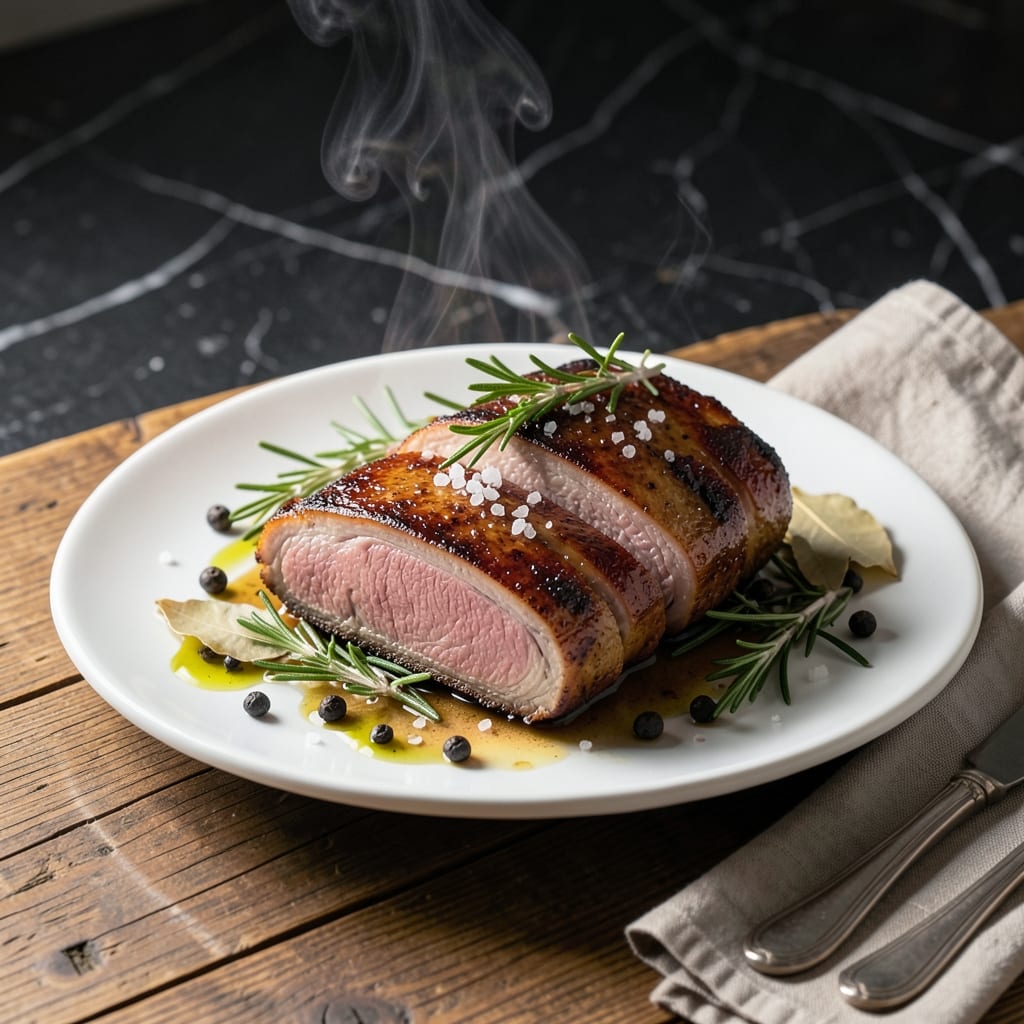
This brine recipe for pork tenderloin guarantees juicy results with every slice by infusing moisture deep into the meat.
I developed this method after years of dry, overcooked pork, and it works every time. The saltwater solution seasons the meat while breaking down proteins for maximum tender texture. A simple 4-hour soak transforms even the leanest cuts.
What emerges from the brine is pork that stays succulent through cooking, whether you roast, grill, or pan-sear. The seasonings in the brine add subtle flavor without overpowering the natural taste of the meat.
The technique is proven and precise: brine first, then cook to the perfect internal temperature. This ensures a finished product that’s moist and flavorful from end to end.
Ingredients for Brine Recipe for Pork Tenderloin
Twelve ingredients transform lean pork tenderloin into a juicy, flavorful masterpiece with every bite.
| Ingredient | Amount | Notes |
|---|---|---|
| Pork Tenderloin 🐖 | 1 ½ lb | Trimmed of excess fat |
| Water 💧 | 4 cups | Cold, divided for brine |
| Kosher Salt 🧂 | ½ cup | Diamond Crystal preferred |
| Brown Sugar 🧈 | ¼ cup | Light or dark variety |
| Black Peppercorns 🌶️ | 1 tbsp | Coarsely crushed |
| Bay Leaves 🍃 | 4 whole | Dried, for aroma |
| Fresh Rosemary Sprigs 🌿 | 3 whole | Stems intact |
| Garlic Cloves 🧄 | 6 cloves | Smashed, peeled |
| Juniper Berries 🫐 | 1 tsp | Lightly crushed |
| Apple Cider Vinegar 🍏 | 2 tbsp | For acid balance |
| Whole Cloves 🌰 | 4 whole | Optional, for depth |
| Ice Cubes ❄️ | 2 cups | To chill brine quickly |
The pork tenderloin should be as fresh as possible—look for pale pink color with a fine texture. Whole Foods or Costco carry high-quality options. For the salt, Diamond Crystal kosher salt is ideal due to its clean flavor and consistent grain size. Avoid iodized table salt, which can impart a metallic taste. The brown sugar adds subtle sweetness; light brown sugar offers a milder molasses note than dark.
No juniper berries? Substitute with an additional teaspoon of black peppercorns. If fresh rosemary isn’t available, dried rosemary at one-third the amount works, but fresh provides superior aroma. Apple cider vinegar can be replaced with white wine vinegar or lemon juice. For a simpler brine, omit the cloves and bay leaves—though they add complex depth to the final flavor.
The brine solution keeps in the refrigerator for up to 24 hours before use. Once the pork is brined, cook it immediately or store it in the fridge for up to 2 days. Leftovers of the brine itself should be discarded—it’s not safe to reuse for raw meat.
Why You'll Love This Recipe
- 5-Minute Prep: I just stir water, salt, sugar and peppercorns in a pot—no chopping, no fuss.
- Juicy Every Time: The brown sugar and salt work magic, keeping the tenderloin moist and flavorful through cooking.
- Feeds a Crowd: One brined pork tenderloin stretches easily for tacos, salads, or sandwiches all week.
- Budget Stretch: Honestly, a cheap cut turns luxurious after soaking up that sweet-salty brine.
Step-by-Step Instructions for Brining Pork Tenderloin
This method ensures maximum moisture retention and perfectly seasoned meat every time.
Combine Brine Base Ingredients
In a medium saucepan, combine 4 cups Water with 0.5 cup Kosher Salt and 0.25 cup Brown Sugar. Heat over medium-high heat just until the salt and sugar dissolve completely—this creates the foundation for your brine solution.
Stir in the 2 tbsp Apple Cider Vinegar at this stage. The slight acidity helps tenderize the pork while balancing the saltiness. Remove from heat as soon as the mixture is fully dissolved to prevent unnecessary evaporation.
Infuse with Aromatics and Spices
Add the 1 tbsp Black Peppercorns, 4 whole Bay Leaves, 3 whole Fresh Rosemary Sprigs, 6 cloves Garlic Cloves, 1 tsp Juniper Berries, and 4 whole Whole Cloves to the warm brine. These aromatics will steep as the brine cools, infusing it with complex flavors.
I crush the juniper berries lightly with the flat side of a knife before adding them—this releases their piney, slightly citrusy oils. The rosemary sprigs should remain whole to prevent loose leaves in your brine. Allow this mixture to steep for 10 minutes off the heat.
Chill the Brine Rapidly
Pour the warm brine into a large bowl or container that will accommodate the 1.5 lb Pork Tenderloin. Add the 2 cups Ice Cubes and stir until the mixture is completely cooled to room temperature or slightly below. This rapid cooling prevents the brine from cooking the pork when submerged.
Never add raw meat to warm brine—this can lead to uneven texture and potential food safety issues. The ice cubes method ensures your brine is properly chilled in about 15 minutes, making it ready for immediate use.
Submerge and Brine the Pork
Place the pork tenderloin in the cooled brine, ensuring it's fully submerged. If necessary, weigh it down with a small plate or use a brine bag to keep it under the liquid. Refrigerate for 12-24 hours—this extended time allows the salt to penetrate deeply for maximum juiciness.
The pork will float initially, so I check it after the first hour and adjust the weight if needed. The brine should completely cover the meat at all times for even seasoning. You'll notice the pork appears slightly plumper after brining—a good sign the process is working.
Rinse and Prepare for Cooking
Remove the pork tenderloin from the brine and rinse it briefly under cold water to remove excess salt from the surface. Pat it extremely dry with paper towels—this step is crucial for achieving a good sear later.
Let the pork rest at room temperature for 30 minutes before cooking. This final step ensures even cooking and helps the meat retain its moisture. The surface should be slightly tacky but not wet when it goes into the pan or oven.
Pro Tips For Making Brine Recipe For Pork Tenderloin
- Brine Overnight: Give the pork tenderloin at least 12 hours in the brine—I learned this the hard way after pulling it out too early and ending up with dry meat.
- Use Warm Water: Dissolve the kosher salt and brown sugar in warm water first, then cool completely before adding the pork to prevent uneven brining.
- Skip the Over-Salting: Stick to 1/4 cup kosher salt per quart of water; I ruined a batch once by eye-balling it and the pork was inedible.
- Add Ice Cubes: After mixing the brine, toss in a handful of ice cubes to chill it fast so you can start brining immediately without waiting around.
Essential Equipment for brine recipe for pork tenderloin
Brining Container
A 2-gallon food-grade plastic bag or large glass bowl is essential for the pork tenderloin to be fully submerged. I prefer Ziploc Big Bags because they’re sturdy and seal tightly. Ensure your container fits in your refrigerator—brining at room temperature isn’t safe. 💡
Mixing Tools
Use a medium saucepan (I like All-Clad stainless steel) to dissolve the salt and sugar. A wooden spoon works best for stirring without scratching. The saucepan should hold at least 5 cups to accommodate the ice cubes later.
Cooling Equipment
You’ll need 2 cups Ice Cubes to chill the brine quickly. I keep a dedicated ice cube tray in my freezer just for cooking. A large mixing bowl helps contain the brine while the ice melts—Pyrex glass is my go-to for durability.
Submersion Weights
A small ceramic plate or brine weight keeps the pork tenderloin submerged. I use a 6-inch dinner plate that fits inside my brining container. Alternatively, a gallon-size freezer bag filled with water works as a DIY weight.
Post-Brine Tools
Have paper towels ready for patting the pork dry after brining. A wire rack set over a baking sheet helps air-dry the meat evenly. I use Bounty paper towels—they’re absorbent and strong enough for the job.
Thermometer
An instant-read thermometer like the ThermoWorks ThermoPop ensures your brine is properly chilled before adding the pork. Checking the temperature prevents unsafe brining conditions. 🌡️
Nutrition Facts
Frequently Asked Questions
How long should I brine pork tenderloin?
Brine for 12-24 hours in the refrigerator. This timeframe allows the salt solution to fully penetrate the lean meat without making it too salty.
Can I reuse the brine?
Never reuse brine after raw meat has been in it. The solution becomes contaminated with bacteria and isn't safe for another use. Always discard after use.
Why add sugar to the brine?
Brown sugar balances the saltiness and helps create a beautiful caramelized crust when cooking. It also adds subtle sweetness that complements the pork's natural flavor.
What if I don't have kosher salt?
Use 1/4 cup table salt instead of 1/2 cup kosher salt. Table salt is finer and denser, so you need less by volume to achieve the same salinity.