
Main Courses
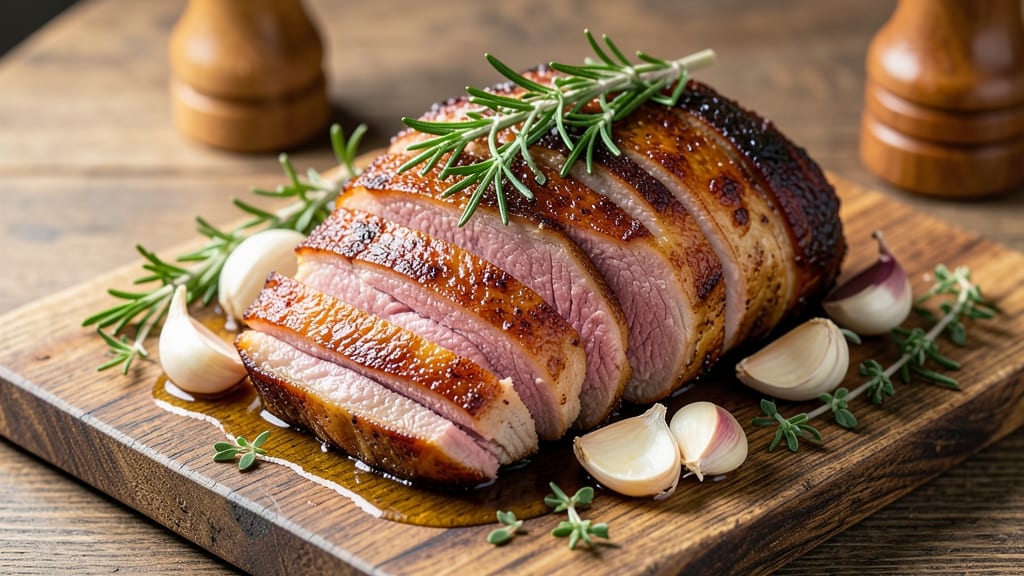
This brined pork shoulder recipe delivers melt-in-your-mouth tenderness that transforms tough cuts into a crowd-pleasing centerpiece. 🔥 After years of perfecting slow-roasted techniques at The Smoky Pig, I've developed a method that guarantees juicy results every time—no matter your cooking setup.
The secret lies in the brine: a precise balance of salt, sugar, and spices that penetrates deep into the meat, breaking down fibers while locking in moisture.
This 24-hour soak creates a texture so tender it practically falls apart at the touch, with crisp edges that form during the slow cook. The process requires patience, but the reward is a dish that tastes like it's been simmering all day—even if you're working with a weeknight schedule.
What you'll end up with is a pork shoulder so rich and flavorful it becomes the star of any meal. The bark develops a beautiful mahogany crust, while the interior remains moist and succulent.
This is the kind of dish that disappears quickly, leaving guests asking for seconds before the plate is empty. Whether you're feeding a crowd for a holiday feast or meal prepping for the week, this recipe scales beautifully.
The brining method works equally well for oven roasting, smoking, or even braising—giving you flexibility while maintaining that signature tenderness. Let's get started on creating your perfect pull-apart pork.
Ingredients for brined pork shoulder
Six pounds of pork shoulder and a few key ingredients transform into melt-in-your-mouth perfection.
| Ingredient | Amount | Notes |
|---|---|---|
| Pork Shoulder (Boston Butt) 🥩 | 6 lb | Bone-in, skin-on preferred |
| Kosher Salt 🧂 | ½ cup | Diamond Crystal preferred |
| Granulated Sugar 🍚 | ¼ cup | White or brown sugar |
| Garlic Cloves 🧄 | 8 cloves | Peeled, smashed slightly |
| Fresh Rosemary 🌿 | ¼ cup | Chopped, stems removed |
| Fresh Thyme 🌿 | ¼ cup | Chopped, stems removed |
| Black Peppercorns 🌶️ | 1 tbsp | Freshly cracked |
| Yellow Onion 🧅 | 1 whole | Quartered, skin on |
| Apple Cider Vinegar 🍎 | ¼ cup | For brining |
| Olive Oil 🫒 | ¼ cup | Extra-virgin for richness |
| Fresh Bay Leaves 🌿 | 2 whole | For slow cooking |
| Smoked Paprika 🌶️ | 1 tbsp | For dry rub |
| Brown Sugar 🍚 | 1 tbsp | For dry rub |
| Ground Black Pepper 🌶️ | 1 tsp | For dry rub |
The pork shoulder is the star here—bone-in, skin-on gives you that incredible bark and moisture. Grab a 6-pound Boston butt from the butcher section (they usually have it pre-cut). If you're shopping at Costco or Sam's Club, you'll find perfect-sized roasts there. Look for good marbling—those little white streaks of fat mean juicier meat. Fresh herbs make all the difference, so grab a small bunch of rosemary and thyme from the grocery store's produce section (they're usually fresher than the packaged stuff). If you can't find fresh, dried works at one-third the amount, but fresh is worth it for that aromatic punch.
No kosher salt? Diamond Crystal kosher salt is ideal, but Morton or any fine sea salt works fine. The sugar keeps the meat moist, so don't skip it—white or brown both work. For the garlic, smash the cloves slightly to release more flavor, but don't mince them yet. Running out of apple cider vinegar? White vinegar or lemon juice will do in a pinch, but the cider adds a nice depth. The dry rub spices are easy to find at any grocery store—smoked paprika gives that smoky flavor without needing a smoker. If you don't have fresh bay leaves, dried bay leaves work at one-quarter the amount. For the olive oil, any extra-virgin kind will do—just avoid the cheap stuff that tastes like soap.
The brine can be made 24 hours ahead—just store it in the fridge in a sealed container. The pork shoulder will keep raw in the brine for up to 3 days if needed. Once cooked, it reheats beautifully—store in an airtight container for up to 5 days or freeze for 3 months. The leftovers are perfect for sandwiches, tacos, or pulled pork apps. If you're prepping for a crowd, double the batch—this recipe scales easily.
Why You'll Love This Recipe
- Crispy-Creamy Magic: That sugar in the brine caramelizes into a sticky, savory crust while the inside stays juicy as can be. The garlic and rosemary? They turn it from good to ridiculously good—like a hug in meat form.
- Leftovers That Win: This makes enough for a crowd (or a week of lunches). Shred it for tacos, sandwiches, or even fried rice—every time, it’s better than takeout. Honestly, I’ve never thrown out a scrap.
- Budget-Friendly Feast: A whole pork shoulder feeds eight for under $15. That’s a party starter, a game-day spread, or a cozy Sunday dinner—all without breaking the bank. Plus, the brine costs pennies and lasts forever.
Step-by-step instructions for brined pork shoulder
Here's how to transform tough pork into melt-in-your-mouth perfection.
👨🍳 Step 1: Create the Brine Mixture
In a large bowl, combine the 0.5 cup kosher salt, 0.25 cup granulated sugar, 0.25 cup apple cider vinegar, and 2 cups cold water (add water to make total liquid volume). Stir until the salt and sugar dissolve completely—this is your brine. I like to press a plastic wrap over the bowl and give it a quick shake to ensure everything mixes evenly.
The vinegar in this brine does double duty: it tenderizes the meat while adding subtle tanginess. If you're short on time, you can make this brine while your pork shoulder comes to room temperature (about 30 minutes in the fridge). Real talk: don't skip the sugar—it helps caramelize the exterior during cooking for that beautiful bark.
👨🍳 Step 2: Brine the Pork Shoulder
Place the 6 lb pork shoulder in a large zip-top bag or brining container. Pour the brine over the meat, making sure it's completely submerged. Seal the bag and press out as much air as possible to fully submerge the pork. Refrigerate for 12-24 hours—this is where the magic happens.
Here's the thing—don't rush this step. The longer it brines (up to 24 hours), the more tender the meat becomes. I find 18 hours gives me perfect balance between tenderness and flavor. After brining, rinse the pork under cold water and pat it completely dry with paper towels. This drying step is CRITICAL for developing that crispy bark later.
🍳 Step 3: Prepare the Dry Rub
While the pork rests, make the dry rub by combining 1 tbsp smoked paprika, 1 tbsp brown sugar, 1 tsp ground black pepper, 1 tbsp freshly cracked black peppercorns, 8 smashed garlic cloves, 0.25 cup chopped fresh rosemary, and 0.25 cup chopped fresh thyme in a small bowl. Mix well with your hands—you want the herbs to release their oils.
This rub delivers layers of flavor: the smoked paprika adds depth, brown sugar helps caramelize, and fresh herbs bring brightness. I like to press the rub firmly into the meat, especially in the thickest parts. Don't be shy—you want that seasoning to stick. The quartered yellow onion and 2 whole bay leaves can go in the cavity for extra flavor during cooking.
🔥 Step 4: Slow-Roast to Perfect Tenderness
Preheat your oven to 275°F. Place the rubbed pork shoulder fat-side up on a rack in a roasting pan. Add 0.25 cup olive oil to the bottom of the pan—this helps create steam and keeps the meat moist. Roast for 6-8 hours until the internal temperature reaches 195-203°F and the meat is fork-tender.
Here's where patience pays off. The pork will hit "the stall" around 165°F—this is normal. Don't open the oven during cooking (each time you do, it adds 15-20 minutes to cook time). When the meat is done, tent loosely with foil and let it rest for 30-60 minutes before slicing. This resting period is what makes it truly juicy and tender.
🔪 Step 5: Slice and Serve
Remove the pork from the pan and slice it against the grain into ½-inch thick slices. The meat should pull apart easily with just a gentle tug—this is your reward for slow cooking. Serve immediately with the pan juices spooned over the top. The bark should be crispy, the meat should be tender, and every bite should be juicy with layers of smoky, herby flavor.
If you're serving a crowd, I recommend keeping the pork warm in a 200°F oven while you slice and serve. The slices will stay warm and continue to absorb those delicious juices. Leftovers? Store in the fridge for up to 4 days or freeze for 3 months—this recipe makes enough for multiple meals!
Pro Tips For Making Brined Pork Shoulder
- USE COOL BRINE: Fill your container with ice water first—this keeps the brine from getting lukewarm, which is the real enemy of proper brining. I learned this the hard way when my pork shoulder came out mushy instead of juicy. Aim for 35-40°F (2-4°C) if you’re measuring, or just dump in a bag of ice and stir.
- DRY THE MEAT: Pat that pork shoulder thoroughly after brining—no half-measures. Use paper towels, then let it air-dry in the fridge for at least 30 minutes (yes, even if you’re in a rush). The crust won’t form right if it’s damp, and that’s the difference between "good" and "wow."
- SKIP THE CROWDED PAN: Don’t pile garlic cloves and rosemary on top of the pork—tuck them under the fat cap or scatter them around the pan. Overcrowding steams the meat instead of browning it, and you’ll end up with sad, pale pork instead of caramelized edges. Give it space.
- REST IT RIGHT: Pull the pork off the heat at 195°F (90°C)—it’ll climb to 203°F (95°C) while resting, which is where the collagen fully melts. Tent it loosely with foil (not airtight) and let it sit for 30-45 minutes. I used to skip this, and the meat was always dry by the time I sliced it.
Wine and beer pairings for these flavors
Red Wine Pairings
For brined pork shoulder, I reach for bold reds that can stand up to the rich, smoky flavors. A Cabernet Sauvignon from Napa Valley—like Caymus Vineyards—is my go-to. Its dark fruit notes and firm tannins complement the pork's depth without overpowering it.
If you prefer something lighter, a Syrah from the Rhône Valley brings peppery spice that enhances the smoked paprika in the rub. 🍷
For a Southern twist, try a Georgia-made Tempranillo like Kendall-Jackson's Seven Deadly Zins. The warm, jammy flavors mirror the caramelized bark, while its moderate acidity cuts through the fat beautifully. Avoid high-tannin wines like Malbec or Cabernet Franc—they'll clash with the pork's richness.
Beer Complements
A dark amber ale is perfect for balancing the pork's smokiness. I love Sam Adams October, with its caramel and toasted malt notes that echo the brown sugar in the rub.
For a craft option, try a Belgian-style dubbel like Westmalle Dubbel—its malty sweetness and spiced complexity make it a fantastic match. 🍺
If you're grilling instead of roasting, a smoked porter like Founders Kentucky Breakfast Stout adds a layer of depth that mirrors the pork's bark. The coffee and chocolate notes in the beer complement the meat's caramelized crust beautifully.
For a lighter option, a honey wheat ale like Blue Moon provides a refreshing contrast to the rich pork.
Unexpected Pairings
Don't overlook sparkling wines for a refreshing contrast. A Prosecco from Italy—like La Marca Prosecco—brings bright acidity that cleanses your palate between bites. The crisp bubbles also help cut through the pork's fat, making it a surprisingly elegant pairing. 🥂
For beer lovers, a sour ale like Allagash White adds a tangy brightness that balances the pork's richness. The citrus notes in the beer enhance the apple cider vinegar in the brine, creating a harmonious flavor experience.
This is one of those pairings that surprises guests but becomes a quick favorite.
Regional Specialties
In the Southeast, we often pair brined pork shoulder with local wines like Albany Vineyards' Cabernet Franc. This North Carolina gem has a velvety texture and red fruit flavors that shine alongside the pork's smoky notes.
For a true Southern experience, pair it with a peach brandy like Woodford Reserve—the sweetness contrasts the savory pork beautifully. 🍑
If you're cooking in the Pacific Northwest, a Pinot Noir from Oregon—like Domaine Serene—offers earthy notes that complement the pork's herbaceous rub. The lighter body won't overpower the dish, making it a sophisticated choice for dinner parties.
This pairing is a favorite at The Smoky Pig when we're serving upscale guests.
Nutrition facts
Frequently asked questions about brined pork shoulder
Can I use a smaller cut of pork shoulder?
This recipe works beautifully with 3-4 lb cuts—just adjust the brining time to 12-16 hours instead of 24. The key is maintaining the same ratio of 1 cup brine per pound of meat. For smaller cuts, reduce the dry rub by half and cook at 300°F for 4-5 hours instead of 6-8. The texture will be just as tender, just scaled down.
What if I don't have time for 24 hours of brining?
Even 4-6 hours in the brine will improve tenderness, though 12+ hours is ideal. For quick results, use a wet brine with 1 tbsp baking soda per quart of water (soak for 2-4 hours max). The baking soda helps break down proteins faster. Just remember: shorter brining means slightly less moisture retention, so monitor the internal temp closely during cooking.
How do I know when the pork is fully cooked?
Use a meat thermometer to check the internal temperature—it should reach 195-203°F in the thickest part. The meat will look glossy and pull apart easily with two forks. Pro tip: The probe should slide in like butter. If you don't have a thermometer, cut into the thickest part—juices should run clear, not pink. Let it rest 30-60 minutes before slicing for perfect texture.
Can I smoke this pork shoulder instead of roasting?
Yes! Smoke at 225-250°F with your favorite wood (hickory or oak work great). Add 1 cup apple juice to the pan to prevent burning. The bark will develop faster than roasting, so monitor closely. For extra flavor, sprinkle ½ cup brown sugar on the meat halfway through cooking. Total time will be 6-8 hours depending on your smoker's consistency.
What's the best way to reheat leftovers?
Slice the pork and reheat in a 350°F oven with 1 tbsp chicken broth per cup of meat for 10-15 minutes until warmed through. For stovetop, use low heat with a splash of broth—never high heat or it'll dry out. Microwave only if you're in a rush: cover with a damp paper towel and heat for 1-2 minutes at 50% power. Leftovers keep well for 4 days in the fridge.