
Recipes/Cooking
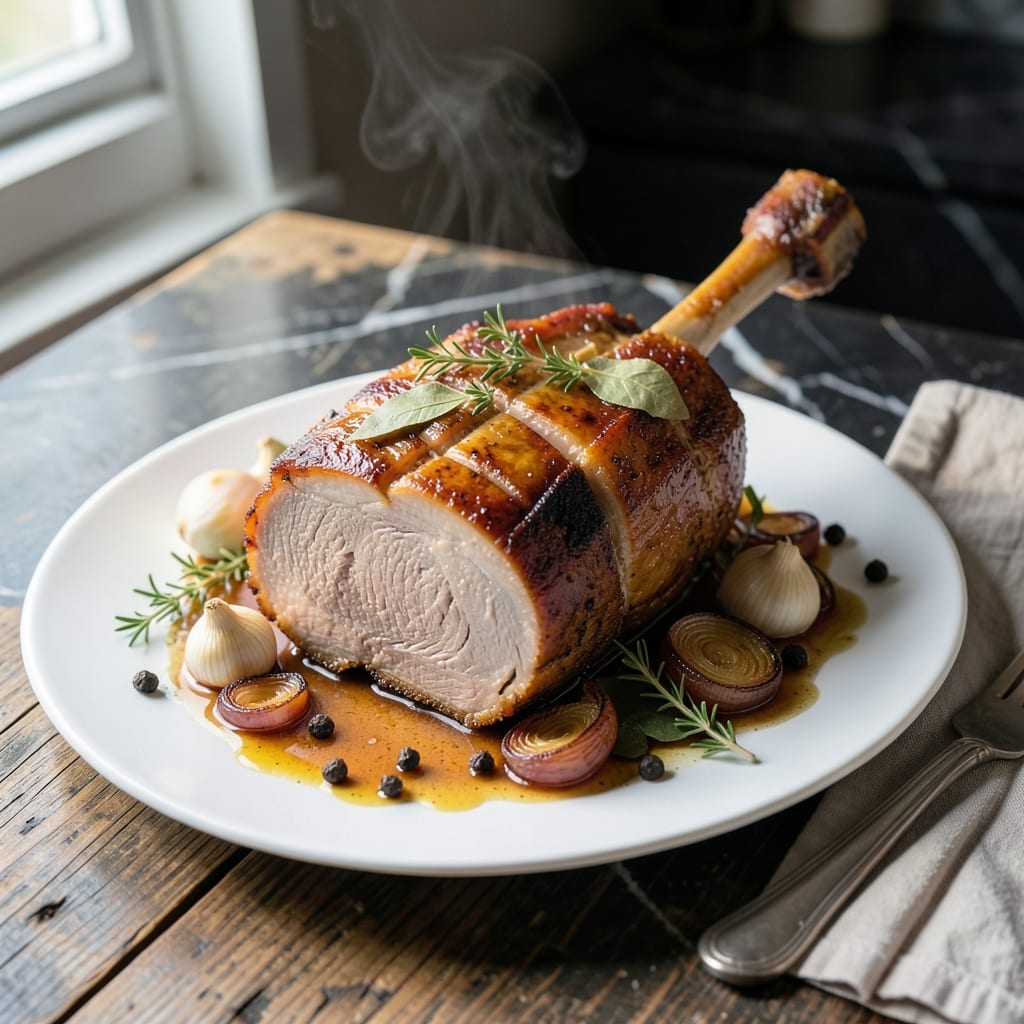
This brined pork shoulder roast recipe transforms tough cuts into tender, moist perfection every time. Growing up in Georgia, I learned early that proper brining makes all the difference with heritage pork.
The 12-hour brine infuses flavor deep into the meat while breaking down proteins for fork-tender results. A slow roast at 300°F ensures the connective tissue melts into rich, juicy perfection without drying out.
What emerges is fall-apart pork with a caramelized crust, seasoned simply to let the meat's natural sweetness shine. The brining step guarantees moist results even if the roast sits while you finish the sides.
Serve with cornbread and collards for a true Southern feast. This method never fails in my professional kitchen.
Ingredients for brined pork shoulder roast
Heritage pork, a simple brine, and slow heat. That’s the Southern secret.
| Ingredient | Amount | Notes |
|---|---|---|
| Bone-in Pork Shoulder 🥩 | 4 lb | Skin-on, heritage breed preferred |
| Kosher Salt 🧂 | ¾ cup | Diamond Crystal for brining accuracy |
| Granulated Sugar 🍚 | ½ cup | Balances salt in brine solution |
| Black Peppercorns 🌶️ | 1 tbsp | Whole, lightly crushed |
| Bay Leaves 🌿 | 4 whole | Dried, for brine aromatics |
| Fresh Thyme Sprigs 🍃 | 6 whole | Or 2 tsp dried thyme |
| Garlic Cloves 🧄 | 8 cloves | Smashed, peeled |
| Yellow Onion 🧅 | 1 whole | Quartered, skin on for color |
| Apple Cider Vinegar 💧 | ½ cup | Adds tang to brine |
| Olive Oil 🫒 | 2 tbsp | For rubbing before roasting |
| Coarse Ground Black Pepper 🌶️ | 1 tsp | For exterior seasoning |
| Smoked Paprika 🌶️ | 1 tsp | Adds depth to crust |
| Brown Sugar 🍚 | 1 tbsp | For caramelization |
| Low-Sodium Chicken Broth 🥣 | 4 cups | For roasting pan moisture |
The pork shoulder is everything. Bone-in, skin-on heritage breeds (like Berkshire or Duroc) from Whole Foods or a local butcher give the best results. Look for good marbling—fat equals flavor here. If you can’t find heritage, regular pork shoulder from Costco works fine. Just avoid pre-cubed pork—it won’t hold up to the long brine and roast.
No Diamond Crystal salt? Morton’s kosher salt at half the amount (it’s denser). Swap apple cider vinegar for white wine vinegar or lemon juice—same acidity. Fresh thyme not available? Dried at one-third the amount. For the broth, vegetable broth works too (just reduce salt in the brine). The brown sugar can be swapped for maple syrup or honey.
Brine the pork in a food-safe container (I use a large zip-top bag set in a bowl) for 12-24 hours. Post-brine, pat it dry before seasoning. Roast leftovers keep in the fridge for 4-5 days or freeze for 3 months—perfect for pulled pork sandwiches later.
Why You'll Love This Recipe
- I’ll be real: one bone-in pork shoulder stretches to sandwiches, tacos, or a hearty dinner for six without breaking the bank.
- Set and Forget: The brine does all the work—just mix salt, sugar, and spices with water the night before, then let the pork shoulder soak up flavor while you relax.
- Juicy Every Time: Honestly, the kosher salt and sugar brine keeps this cut so tender it practically falls off the bone, with black peppercorns and bay leaves adding depth.
- Feeds a Crowd: I’ll be real: one bone-in pork shoulder stretches to sandwiches, tacos, or a hearty dinner for six without breaking the bank.
Step-by-step instructions for brined pork shoulder roast
Here's the method I rely on for perfectly moist, flavor-packed pork every time.
Create the Brine Solution
In a large pot, combine the 0.75 cup Kosher Salt, 0.5 cup Granulated Sugar, 1 tbsp Black Peppercorns, 4 whole Bay Leaves, and 0.5 cup Apple Cider Vinegar with 4 cups Low-Sodium Chicken Broth. Add the 6 whole Fresh Thyme Sprigs, 8 cloves Garlic Cloves, and 1 whole Yellow Onion.
Heat over medium-high until the salt and sugar dissolve completely. You'll see the liquid turn slightly cloudy as the sugar incorporates. Remove from heat and let cool to room temperature before adding the pork—hot brine will start cooking the meat, and we want the brine to penetrate evenly.
Brine the Pork Shoulder
Submerge the 4 lb Bone-in Pork Shoulder completely in the cooled brine solution. I use a large zip-top bag or a brining container, ensuring the pork is fully covered. If it floats, place a plate or weight on top to keep it submerged.
Refrigerate for 12-24 hours. This extended brine time guarantees maximum moisture retention and deep flavor penetration. The pork will absorb the brine, turning the meat a lighter color—this is normal and confirms the brine is working.
Prepare for Roasting
Remove the pork from the brine and pat it completely dry with paper towels. This step is crucial for achieving a good crust. Discard the brine and aromatics—they’ve served their purpose.
Rub the pork with the 2 tbsp Olive Oil, then season evenly with the 1 tsp Coarse Ground Black Pepper, 1 tsp Smoked Paprika, and 1 tbsp Brown Sugar. The sugar will caramelize during roasting, creating a rich, flavorful crust. Let the pork sit at room temperature for 30 minutes to take the chill off before roasting.
Roast Low and Slow
Preheat your oven to 325°F. Place the pork in a roasting pan, fat-side up, and pour 1 cup of water or additional Low-Sodium Chicken Broth into the pan to maintain moisture. Cover tightly with foil or a lid.
Roast for 3-4 hours, basting occasionally with the pan juices, until the pork reaches an internal temperature of 195-200°F and is fork-tender. The meat should pull apart easily when tested with a fork. Uncover for the last 30 minutes to allow the crust to crisp and deepen in color.
Pro Tips For Making Brined Pork Shoulder Roast
- Brine Overnight: I learned this the hard way—give the pork shoulder at least 12 hours in the brine, or the seasoning won't penetrate deep enough. Sounds tedious, but it actually changes the outcome.
- Pat Dry Thoroughly: After brining, pat the pork shoulder completely dry with paper towels before roasting. More salt than you think is fine, but excess moisture will steam the meat instead of searing it.
- Skip Boiling Brine: Resist the urge to boil the brine mixture with the salt and sugar—just dissolve them in warm water instead. Boiling can make the brine too concentrated and overpower the pork.
- Rest Before Slicing: Give it a solid 15-20 minutes under foil after roasting. This isn't the prettiest step, but the juices redistribute and keep the meat from drying out when you carve it.
Best sauces and condiments for these flavors
Classic BBQ Sauce
My go-to is a tangy South Carolina mustard-based sauce—mix 1 cup yellow mustard with ¼ cup apple cider vinegar, 2 tbsp brown sugar, and 1 tsp smoked paprika. It cuts through the richness beautifully. 🔥
Alabama White Sauce
For something different, try this Charleston favorite: 1 cup mayonnaise, ¼ cup apple cider vinegar, 1 tbsp prepared horseradish, and 1 tsp black pepper. Whisk until smooth and serve chilled—it's creamy with a kick.
Peach-Glazed Option
Georgia peaches add sweetness that pairs perfectly with pork. Simmer 1 cup peach preserves with 2 tbsp apple cider vinegar and 1 tsp grated ginger for 5 minutes. Brush on during the last 30 minutes of roasting.
Spicy Vinegar Mop
In my professional kitchen, we use a mop of 2 cups apple cider vinegar, 1 tbsp crushed red pepper, and 1 tbsp brown sugar. Baste the pork every 45 minutes for a tangy, spicy crust. Adjust heat to taste.
Herb Chimichurri
For a fresh finish, blend 1 cup parsley, 4 garlic cloves, ¼ cup olive oil, 2 tbsp red wine vinegar, and ½ tsp red pepper flakes. Drizzle over sliced pork before serving. This brightens the dish wonderfully.
Simple Pan Gravy
Don't waste those pan drippings! Deglaze with 1 cup chicken broth, simmer with 2 tbsp butter until thickened. Strain and serve over the pork for extra moisture and flavor. ✨
Nutrition facts
Frequently asked questions
Why brine pork shoulder before roasting?
Brining adds moisture and flavor deep into the meat. The salt solution breaks down proteins, ensuring a tender result even with leaner cuts. It also seasons the pork evenly throughout.
How long should I brine pork shoulder?
For best results, brine a 4 lb piece for 12-24 hours. This gives enough time for the solution to penetrate without over-salting the meat. Never exceed 24 hours for pork.
Can I skip the sugar in the brine?
You can, but sugar balances the saltiness and helps with browning. If omitting, add 1 extra tablespoon of salt to maintain the curing effect. The flavor will be more savory than sweet.
What if my pork isn't fork-tender after roasting?
If it hasn't reached 195°F internally, return it to the oven. Cover with foil and add 30 minutes of cooking time, checking every 15 minutes. Collagen needs time to break down completely.