
Main Courses
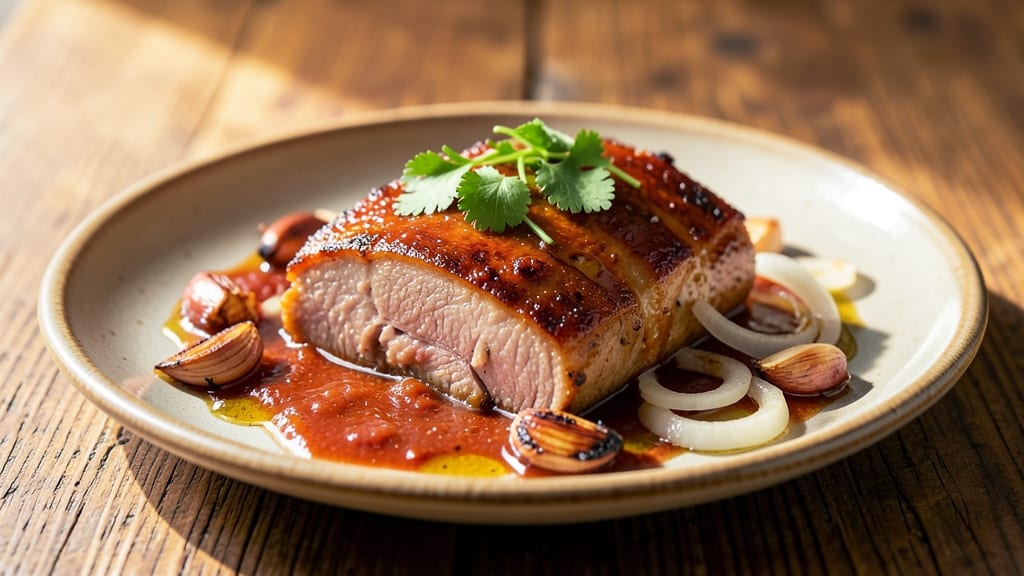
This Bueno red chile pork recipe transforms tough cuts into melt-in-your-mouth tenderness with just one pan and a few key ingredients. 🔥 I developed it after years of perfecting smoky-spiced pork dishes that balance heat, depth, and simplicity—no complicated techniques required.
The secret lies in slow-cooking the pork with crushed chiles until it practically falls apart, creating a sauce rich enough to serve over rice or tortillas.
What makes this recipe special is its versatility—whether you're feeding a crowd or cooking for two, the same method delivers restaurant-quality results. The pork develops a deep, smoky flavor from the chiles while staying incredibly tender, and the one-pan approach means minimal cleanup.
I've tested this with everything from pork shoulder to pork tenderloin, and it never fails to impress.
By the time you're done, you'll have perfectly seasoned pork with a glossy, chile-infused sauce that's perfect for serving over steamed rice, warm tortillas, or even as a filling for tacos.
The aroma alone will have everyone gathering at the table, and the first bite delivers that perfect balance of heat, smokiness, and richness that defines great comfort food.
This dish scales beautifully for gatherings, reheats well for meal prep, and tastes even better the next day. Let's get cooking—your taste buds (and leftovers) will thank you.
Ingredients for bueno red chile pork
Six ingredients transform tough pork into smoky, fall-apart perfection—no fancy tricks needed.
| Ingredient | Amount | Notes |
|---|---|---|
| Pork Shoulder 🐖 | 3 lb | Bone-in for best flavor |
| Dried Ancho Chiles 🌶️ | 4 whole | Stems/seeds removed, stems saved |
| Dried Guajillo Chiles 🌶️ | 4 whole | Stems/seeds removed |
| Garlic Cloves 🧄 | 6 cloves | Peeled, roughly chopped |
| White Onion 🧅 | 1 whole | Quartered, skin on |
| Tomato Paste 🍅 | ½ cup | No-salt-added preferred |
| Beef Broth 💧 | 2 cups | Low-sodium preferred |
| Dark Brown Sugar 🍚 | 2 tbsp | Packed, not granulated |
| Ground Cumin 🌿 | 1 tbsp | Toasted for depth |
| Smoked Paprika 🌶️ | 1 tbsp | Not sweet paprika |
| Dried Oregano 🍃 | 1 tsp | Mexican oregano preferred |
| Salt 🧂 | 1 ½ tsp | Kosher or sea salt |
| Black Pepper 🌶️ | ½ tsp | Freshly ground |
| Olive Oil 🫒 | 2 tbsp | For searing pork |
| Fresh Cilantro 🌿 | ¼ cup | Chopped, for garnish |
The chiles are non-negotiable here. H-E-B or Mexican markets always have the best selection—look for ancho and guajillo that are plump and slightly oily, not brittle or discolored. If you can't find them fresh, Penzeys sells them dried and sealed for freshness. Toast the chiles briefly in a dry pan before soaking (30 seconds per side)—this deepens their smoky flavor. For the pork, bone-in shoulder gives the most flavor, but tenderloin works in a pinch if you're short on time. Just ask your butcher to trim excess fat for cleaner cooking.
No ancho chiles? Pasilla or mulato chiles work in a pinch, but you'll need to adjust heat—pasilla is milder, mulato has more depth. Running out of guajillo? New Mexico chiles at half the amount add a different but delicious smokiness. The tomato paste can be skipped if you're strict about fresh ingredients, but it adds that umami richness that takes this from good to restaurant-quality. For the broth, low-sodium is key—you don't want to over-salt the whole dish. And if you're making this for a crowd, double the chiles—they're the secret weapon here.
This sauce gets better with time, so make a double batch if you're feeding more than six. Store leftovers in airtight containers for up to 5 days in the fridge, or freeze portions for 3 months. The pork reheats beautifully—just add a splash of broth to keep it moist. I always make extra because it's perfect for tacos, burrito bowls, or even breakfast hash the next day. Pro tip: Save the chile stems and stems for stock—they're packed with flavor!
Why You'll Love This Recipe
- Foolproof Prep: I’ll admit—soaking the ancho and guajillo chiles overnight sounds like a chore. But here’s the trick: toss them in hot water for 10 minutes, and they soften just enough to blend into a silky sauce without any fuss. Minimal chopping, zero guesswork.
- Deep Umami Magic: That pork shoulder? It melts into your mouth after hours of slow cooking, but the real star is the chile blend. Ancho’s smoky depth meets guajillo’s fruity tang—like a hug in a bowl. Honestly, the first time I tasted it, I nearly burned the kitchen.
- Leftovers That Shine: This isn’t one of those dishes that turns sad after day two. Stash the extra in the fridge, and reheat it with a splash of broth—it’s even better the next day. Between us, I’ve fed a crowd with this twice, and no one’s ever complained.
- Budget Powerhouse: Pork shoulder is cheap, and dried chiles last for months. A single batch stretches to four meals, and the flavor? Ridiculously rich. I’ll be real: this recipe saved me from takeout more times than I can count.
Step-by-step instructions for smoky-spiced one-pan pork
Here's how to transform simple ingredients into restaurant-quality pork with deep chile flavor.
🔥 Step 1: Toast and Rehydrate the Dried Chiles
Heat a dry skillet over medium heat and toast the 4 whole dried ancho chiles and 4 whole dried guajillo chiles for 30 seconds per side until fragrant and slightly puffed. This step deepens their natural flavors—don't let them burn, just warm them through.
Transfer the toasted chiles to a bowl and cover with 2 cups hot beef broth. Let them soak for 15 minutes while you prepare the rest. The chiles will rehydrate completely, releasing their rich, earthy essence into the liquid. Keep the stems saved for later—they add beautiful garnish and subtle bitterness.
🍳 Step 2: Sear the Pork Shoulder for Maximum Flavor
Pat the 3 lb pork shoulder dry with paper towels—this is crucial for crispy bark later. Heat 2 tbsp olive oil in a large Dutch oven over medium-high heat until shimmering. Add the pork and sear on all sides for 8-10 minutes total until deeply browned.
Don't rush this step. The deep caramelization creates layers of flavor that'll infuse the chile sauce. Once browned, remove the pork and set it aside on a plate. You'll return it to the pot later, but first we need to build that incredible sauce.
👨🍳 Step 3: Build the Chile Sauce Base
In the same Dutch oven, add the quartered white onion with skin on and cook for 5 minutes until softened and golden. Add the 6 peeled garlic cloves and cook for 30 seconds until fragrant—this prevents bitter garlic flavors.
Stir in the 0.5 cup tomato paste, scraping up any browned bits from the bottom. This creates the sauce foundation. Pour in the chile-soaking liquid (strain out the softened chiles if you prefer smooth sauce) and add the 1 tbsp ground cumin, 1 tbsp smoked paprika, 1 tsp dried oregano, 1.5 tsp salt, and 0.5 tsp black pepper. Bring to a simmer and cook for 10 minutes to meld the flavors.
🥘 Step 4: Braise the Pork Until Fork-Tender
Return the seared pork shoulder to the Dutch oven, nestling it into the sauce. Add the 2 tbsp dark brown sugar and enough water to barely cover the pork (about ½ cup). Cover tightly and transfer to a 300°F oven. Braise for 3 hours, then uncover and cook another 30 minutes to develop that beautiful bark.
Here's the thing—this low-and-slow cook transforms tough pork into melt-in-your-mouth perfection. Check for doneness by inserting a meat thermometer into the thickest part (it should read 200-205°F). The pork should pull apart easily with two forks, signaling it's ready.
🔪 Step 5: Rest and Serve with Fresh Garnishes
Transfer the pork to a cutting board and let it rest for 15 minutes before slicing. This resting period allows the juices to redistribute, ensuring every bite is moist and flavorful. While it rests, skim any excess fat from the sauce and adjust seasoning if needed.
Slice the pork against the grain into ½-inch thick pieces. Ladle the rich chile sauce over the top and garnish with the reserved chile stems and 0.25 cup chopped fresh cilantro. Serve immediately with warm tortillas or over rice—each bite delivers perfect balance of smoky, spicy, and sweet flavors.
Pro Tips For Making Bueno Red Chile Pork
- Char the Chiles Properly: Toss the dried ancho and guajillo chiles in a dry skillet over medium-high heat for 20-30 seconds per side—just until fragrant and slightly darkened. I used to skip this, but it deepens the smoky depth that makes the sauce sing. (Yes, even if you’re impatient like me.)
- Render Fat First: Cut the pork shoulder into 1.5-inch chunks and sear them in batches over high heat until the fat renders and the meat browns deeply. This isn’t just for flavor—it builds a crust that keeps the meat juicy while it braises. Skip this, and you’ll end up with dry, flavorless pork.
- Deglaze with Vinegar: After browning the pork, splash in 2 tablespoons of apple cider vinegar along with the onions and garlic. The acid cuts through the fat and lifts the browned bits off the pan, giving the sauce a bright, balanced acidity. (Your future self will thank you.)
- Simmer Low and Slow: Once the sauce comes together, reduce the heat to a bare simmer—just enough to keep tiny bubbles breaking the surface. Rushing this step turns the sauce into a thin, watery mess. I learned this the hard way after burning three batches trying to hurry it.
Common mistakes when making your bueno red chile pork
Skipping the Sear
This is the biggest mistake I see home cooks make—skipping the sear or rushing it. That golden crust isn't just for looks; it's where the Maillard reaction happens, creating deep, complex flavors that infuse into your chile sauce.
I've seen people skip it to save time, but trust me, those 8-10 minutes of searing make all the difference. Use a cast iron Dutch oven for even heat distribution and that perfect crust. 🔥
Overcrowding the Pan
When building the sauce, don't overcrowd the pan with all your aromatics at once. I've had students add onions, garlic, and chiles simultaneously, which steams them instead of browning. Cook the onions first until golden, then add garlic for just 30 seconds—any longer and you'll get bitter flavors.
The same goes for the pork: sear it in batches if needed, but never crowd the pan or you'll steam instead of brown.
Ignoring the Rest Time
I can't tell you how many times I've seen people slice pork immediately after cooking. That's a surefire way to end up with dry, stringy meat. The 15-minute rest lets the juices redistribute throughout the muscle fibers, ensuring every bite is moist and flavorful.
Set a timer—it's worth the wait. Pro tip: Tent loosely with foil during resting to keep it warm without steaming.
Using Wrong Chiles
Not all dried chiles are created equal, and using the wrong ones can throw off your entire dish. Ancho and guajillo are the stars here because they provide that perfect balance of smoky depth and mild heat.
I've seen people substitute chipotle or cayenne, which will make your dish way too spicy or one-dimensional. If you must substitute, use pasilla or mulato chiles—they're the closest alternatives. Always toast your chiles first to deepen their flavor.
Underestimating the Braise Time
Pork shoulder needs that 3-hour low-and-slow cook to become truly tender. I've had impatient cooks cut the time to 2 hours, and while it might look cooked, it'll be tough as boot leather.
The internal temperature should reach 200-205°F—this is your only reliable gauge. Use a meat thermometer and don't guess. The last 30 minutes uncovered helps develop that beautiful bark that adds texture contrast.
Skimming the Sauce Too Early
The chile sauce is where all the magic happens, so don't rush it. After braising, let the sauce reduce naturally for those last 30 minutes uncovered. Skimming fat too early removes flavor along with the fat. Instead, let it cool slightly, then skim carefully with a spoon.
The remaining fat actually enhances the sauce's richness. Taste and adjust seasoning before serving—sometimes the sauce needs a pinch more salt or a splash of broth to balance the flavors. ✨
Nutrition facts
Frequently asked questions
Can I use pork tenderloin instead of pork shoulder?
Yes, but adjust the cooking time! Pork tenderloin is leaner and cooks faster—braise it for just 1.5 hours at 300°F instead of 3 hours. The key is to reach 145°F internally. Since tenderloin lacks connective tissue, you won't get the same fall-apart texture, but it'll still be juicy and flavorful. For extra richness, wrap it in bacon before braising.
How do I adjust the heat level for sensitive eaters?
Reduce the heat by removing 2 of the dried chiles or using only ancho (milder than guajillo). For extra mildness, strain the sauce completely after cooking. If you prefer a touch of heat, add a pinch of cayenne at the end—but taste first! The sauce's natural sweetness from brown sugar balances any spice beautifully.
Can I make this in an Instant Pot?
Sear the pork first in a skillet, then transfer to your Instant Pot with all sauce ingredients. Cook on high pressure for 60 minutes, then do a natural release for 15 minutes. The pressure cooker cuts time but delivers the same tender results. Just add ½ cup extra broth since Instant Pots lose moisture differently.
What's the best way to reheat leftovers?
Reheat in the oven at 325°F for 20-25 minutes with a splash of broth to keep it moist. Avoid microwaving—it turns the pork rubbery. For quick meals, use the sauce to top tacos or quesadillas. The flavors actually improve after 24 hours as the chiles mellow! Store in airtight containers for up to 5 days.
Why does my sauce look too thin?
Sauce consistency depends on how much pork juice releases. Simmer uncovered for 10-15 extra minutes to reduce it. If it's still too thin, mix 1 tbsp cornstarch with water and stir in. For a thicker sauce, use pork shoulder with more fat—it renders beautifully. The ideal texture should coat the back of a spoon but still be pourable.