
Main Courses
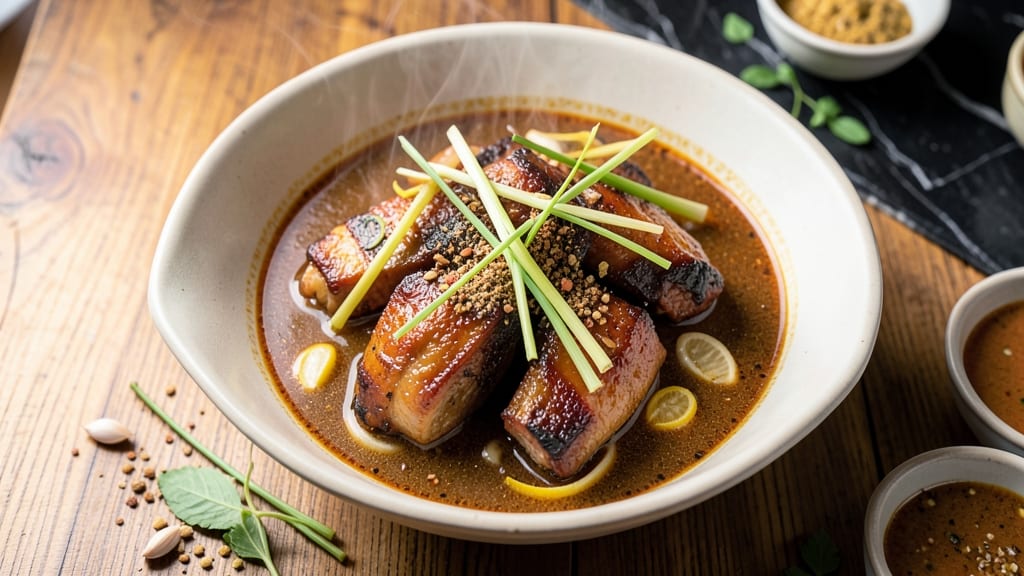
This Burmese pork curry recipe brings the vibrant flavors of Myanmar to your kitchen with its perfect balance of fragrant five-spice and tangy tamarind. 🌟 After years of perfecting the technique—marinating the pork in a blend of garlic, ginger, and lemongrass—I’ve developed a method that delivers restaurant-quality depth without the complexity.
The aromatic paste, simmered slowly, creates layers of flavor that make every bite unforgettable.
The secret lies in the slow-cooked spice paste, where turmeric, galangal, and chili harmonize with tamarind’s bright acidity. Unlike many curries that rely on heavy coconut milk, this version uses just enough to create a velvety texture without overpowering the pork’s natural richness.
The result? A dish that’s both deeply traditional and approachable for home cooks.
By the time you’re done, you’ll have tender, caramelized pork swimming in a fragrant, slightly sweet-savory sauce that clings to every bite. The balance of spices—warm, earthy, and just a touch spicy—makes this curry a standout for weeknight dinners or special occasions.
Serve it over steamed jasmine rice or with crisp pickled vegetables for the full Burmese experience.
Modern adaptations like adjusting the heat level or using readily available spices ensure this recipe works for any kitchen. Whether you’re cooking for family or treating yourself to a taste of Southeast Asia, this curry delivers the kind of bold, comforting flavors that turn simple meals into something extraordinary.
Ingredients for burmese pork curry
Pork shoulder, fragrant spices, and tamarind create this restaurant-quality Burmese curry with deep, layered flavors.
| Ingredient | Amount | Notes |
|---|---|---|
| Pork Shoulder 🥩 | 1 ½ lb | Bone-in for flavor, cut into 1.5-inch cubes |
| Garlic Cloves 🧄 | 8 cloves | Peeled and smashed for aromatic release |
| Fresh Ginger 🌿 | ½ cup | Peeled and julienned, about 3 oz |
| Stems Lemongrass 🌱 | 4 whole | Bruised and cut into 2-inch pieces |
| Galangal 🌿 | ¼ cup | Peeled and julienned, substitute ginger if unavailable |
| Five-Spice Powder 🌶️ | 1 ½ tbsp | Homemade or store-bought blend |
| Ground Turmeric 🌶️ | 1 tsp | Freshly ground preferred |
| Dried Chili Flakes 🔥 | 1 tbsp | Adjust for heat preference |
| Tamarind Paste 🍋 | ¼ cup | Unsweetened, or substitute lime juice |
| Light Coconut Milk 🥥 | 1 can | 13.5 oz can, full-fat for creamier texture |
| Fish Sauce 🍶 | 1 ½ tbsp | Red Boat brand preferred |
| Brown Sugar 🍚 | 2 tbsp | Dark variety for depth |
| Vegetable Oil 🫒 | 2 tbsp | High smoke point for searing |
| Salt 🧂 | 1 ½ tsp | Diamond Crystal preferred |
| Black Pepper 🌶️ | ½ tsp | Freshly cracked for maximum flavor |
The pork shoulder is non-negotiable for authentic texture—bone-in pieces stay moist and develop rich, caramelized edges during the long simmer. Look for well-marbled cuts at specialty Asian markets or the butcher counter, where they often carry Burmese-style pork. Fresh galangal, though harder to find, elevates the dish—substitute ginger at half the amount if needed. Lemongrass should be vibrant and firm; discard any yellowed or wilted stalks. For five-spice powder, Penzeys or Spicewalla offer authentic blends, but a homemade mix of star anise, fennel, clove, cinnamon, and pepper works perfectly too.
Tamarind paste can be tricky to find outside specialty stores. Trader Joe's or Asian grocery freezer sections often carry it, or make your own by soaking tamarind pods in warm water. Fish sauce is essential for umami depth—Red Boat or Three Crabs brands provide the cleanest, most authentic flavor. Light coconut milk ensures the sauce remains balanced rather than heavy; use full-fat for a richer texture, but don't overdo it. Adjust chili flakes to taste—start with 1 tbsp and add more after tasting the sauce. The brown sugar should be dark and moist, not refined white.
The marinade keeps for 3 days in the fridge, making it ideal for meal prep. The cooked curry reheats beautifully—simmer gently with a splash of water or coconut milk to restore its velvety texture. Portion into airtight containers, where it stays fresh for 4 days. For longer storage, freeze the sauce separately from the pork; reheat the pork in the sauce to revive its moisture. The spices in the paste remain potent for 6 months in a sealed jar, stored in a cool, dark place.
Why You'll Love This Recipe
- Same recipe, different vibes: serve it with rice for a lazy Tuesday or drizzle with coconut milk and lime for a dinner guest showstopper. The galangal’s citrusy kick makes it feel special without extra effort.
- Foolproof Ingredient List: I swear by this combo—pork shoulder stays tender, and galangal (yes, that knobby root) adds depth without fuss. Honestly, I keep a jar of minced galangal in the fridge now because chopping it fresh every time was overkill.
- One-Pot Magic: Lemongrass and ginger simmer right in the same pot as the pork, so no extra bowls or straining. Between us, that’s my kind of cooking—minimal cleanup, maximum flavor.
- Weeknight to Party Upgrade: Same recipe, different vibes: serve it with rice for a lazy Tuesday or drizzle with coconut milk and lime for a dinner guest showstopper. The galangal’s citrusy kick makes it feel special without extra effort.
Step-by-step instructions for Burmese pork curry
This aromatic curry delivers deep five-spice warmth balanced by tamarind's tangy brightness.
🔥 Step 1: Sear the Pork Shoulder for Maximum Flavor
Heat the 2 tablespoons vegetable oil in a heavy-bottomed pot over medium-high heat until shimmering. Add the 1.5 lb pork shoulder cut into 1.5-inch cubes, working in batches if needed to avoid crowding. Sear for 3-4 minutes per side until each piece develops a deep golden crust.
This initial sear creates the Maillard reaction that forms the curry's rich foundation. Don't rush this step—you'll see the edges transform from pale to caramelized. Once all pieces are seared, transfer them to a plate and set aside temporarily.
👨🍳 Step 2: Build the Aromatic Base with Fresh Ingredients
In the same pot, add the 8 cloves garlic cloves and 0.5 cup fresh ginger (julienned), cooking for 1 minute until fragrant and lightly golden. Add the 4 whole stems lemongrass (bruised and cut) and 0.25 cup galangal (julienned), stirring for 30 seconds to release their citrusy aromas.
Here's where the complexity begins: the galangal and lemongrass provide that signature Burmese brightness. If your galangal smells particularly strong, use slightly less—its flavor is more intense than ginger. The ginger and garlic should soften but not brown, maintaining their fresh aroma rather than turning bitter.
🍳 Step 3: Develop the Spice Blend and Tamarind Foundation
Reduce heat to medium and stir in the 1.5 tablespoons five-spice powder, 1 teaspoon ground turmeric, and 1 tablespoon dried chili flakes. Toast for 1 minute until the spices release their oils and fill your kitchen with warm, earthy aromas. Immediately add the 0.25 cup tamarind paste and 2 tablespoons brown sugar, stirring vigorously to dissolve the tamarind completely.
The five-spice blend should smell like a mix of cinnamon, star anise, and clove—this is the heart of Burmese cuisine. The tamarind paste will look stringy at first, but keep stirring until it forms a smooth, glossy paste. This is the acid balance that prevents the curry from becoming too heavy.
🥘 Step 4: Simmer the Curry to Perfect Tender Texture
Return the seared pork to the pot. Add 1 can light coconut milk, 1.5 tablespoons fish sauce, 1.5 teaspoons salt, and 0.5 teaspoon black pepper. Stir well to combine, then bring to a gentle simmer. Partially cover and cook for 1 hour to 1 hour 15 minutes until the pork is fork-tender and easily pulls apart.
You'll notice the curry reduce slightly as it simmers—this concentrates the flavors. The coconut milk will separate slightly, with a thin cream layer forming on top. This is normal and actually desirable for authentic texture. Stir occasionally to prevent sticking, but don't over-stir as this can break down the meat.
⏰ Step 5: Finish and Adjust for Balance
Once the pork is tender, taste and adjust seasoning. The curry should balance sweet, sour, salty, and spicy elements. Add a splash of water if it's too thick, or a bit more tamarind paste if you need more acidity. Let the curry rest for 5 minutes off the heat to allow flavors to meld completely.
For serving, you might want to skim off some of the cream layer from the coconut milk or serve it separately for those who prefer less richness. This curry tastes even better the next day as the flavors continue to develop. Serve with steamed jasmine rice to soak up every last bit of that complex, aromatic sauce.
Pro Tips For Making Burmese Pork Curry
- Char the Aromatics: Blister your garlic, ginger, and galangal in a dry pan for 30 seconds before adding oil—this deepens their flavor and cuts through the pork’s richness. I used to skip this and wondered why my curry tasted flat; now it’s the first step I never rush.
- Slice Pork Against Grain: Cut the shoulder into 1-inch chunks, then slice each piece diagonally into ½-inch strips—this shortens cooking time and keeps the meat tender. Thick, uneven chunks turn tough; thin, even slices melt in your mouth.
- Control the Heat: Start with a screaming-hot wok or pot to sear the pork, then immediately lower to medium-low once the paste hits. I burned my first batch by keeping it too hot—now I watch for the oil to shimmer before adding anything.
- Use Galangal Like Ginger: Peel and slice it thinly (about ¼-inch thick) so it softens quickly—no need to pound it into oblivion. Overworking it turns the curry bitter; treat it like ginger and let the heat do the work.
Storing and reheating this burmese pork curry
Refrigerator Storage
Let your Burmese pork curry cool completely before transferring to airtight containers—I swear by glass Pyrex with tight-sealing lids. Store at 40°F or below for up to 4 days, but trust me, the flavors actually deepen overnight as the spices meld.
The pork stays tender and the sauce maintains its velvety texture, unlike some curries that separate or dry out. 💫
Freezer Storage
For longer preservation, freeze the curry in quart-sized freezer bags with excess air removed. I recommend dividing into 2-portion servings for easy reheating. The pork and sauce freeze beautifully for 3 months, though the texture becomes slightly softer after thawing.
The spices retain their potency, so you won’t lose any flavor impact.
Stovetop Reheating
My preferred method is gentle stovetop reheating over low heat with a splash of light coconut milk (about 2 tablespoons) to restore moisture. Simmer uncovered for 10-15 minutes, stirring occasionally, until reaching 165°F internal temperature.
This method preserves the sauce’s balance without making it watery. Taste and adjust seasoning—you might need a pinch more salt or tamarind paste.
Microwave Method
For quick reheating, transfer a portion to a microwave-safe dish and cover loosely with a microwave-safe lid. Heat on medium power (50%) in 1-minute intervals, stirring between each, until steaming hot.
The curry will reheat unevenly, so this method works best for leftovers you plan to eat immediately. Add a splash of water if the sauce looks too thick after reheating.
Reviving Texture
If your reheated curry seems dry, don’t panic! Simply stir in 1-2 tablespoons of warm water or coconut milk and let it sit off the heat for 5 minutes. The sauce will reabsorb the moisture and return to its creamy state.
This trick works especially well with the coconut milk separation that naturally occurs during storage. The pork stays juicy, and the aromatic spices remain vibrant.
Serving After Reheating
Garnish with fresh cilantro leaves or lime wedges to brighten the dish after reheating. The acidity from lime cuts through any richness that develops during storage. I also recommend serving with steamed jasmine rice or crisp pickled vegetables to balance the meal.
The contrast of textures and temperatures makes every bite feel fresh, even after reheating. ✨
Nutrition facts
Frequently asked questions
Can I substitute galangal if I can't find it?
Use ½ cup fresh ginger as a substitute—it won't be identical, but it'll still provide warmth and depth. For a closer approximation, try ¼ cup fresh ginger + ¼ cup fresh turmeric (peeled and julienned). The galangal's citrusy, peppery notes are unique, but this combo captures the earthy backbone of the curry.
How do I adjust the heat level for sensitive eaters?
Start by reducing the dried chili flakes to ½ teaspoon instead of 1 tablespoon. For a milder version, omit the chili flakes entirely and add ½ teaspoon ground coriander to enhance sweetness. The tamarind and five-spice blend already provide complexity without heat, so you won't sacrifice flavor.
What's the best way to make this curry less coconut-heavy?
Use ½ can light coconut milk instead of 1 can, then add ¼ cup chicken or vegetable broth to maintain moisture. The sauce will be lighter but still rich. For extra brightness, stir in 1 tablespoon lime juice at the end. This keeps the Burmese essence while reducing coconut dominance.
Can I make this curry in an Instant Pot?
Yes! Sear the pork first in a separate pan, then transfer to the Instant Pot with all ingredients. Cook on high pressure for 25 minutes, then quick-release. The pork will be tender, but the sauce may be thinner—reduce it on the stovetop afterward by simmering uncovered for 5-10 minutes to concentrate the flavors.
What sides pair best with this curry?
Traditionally, serve with steamed jasmine rice to soak up the sauce. For contrast, add quick-pickled cucumbers or radishes (slice thin, soak in rice vinegar + 1 tsp sugar for 30 minutes) or crispy fried shallots for texture. A simple mango salad with lime and chili adds freshness to balance the richness.