
Main Courses
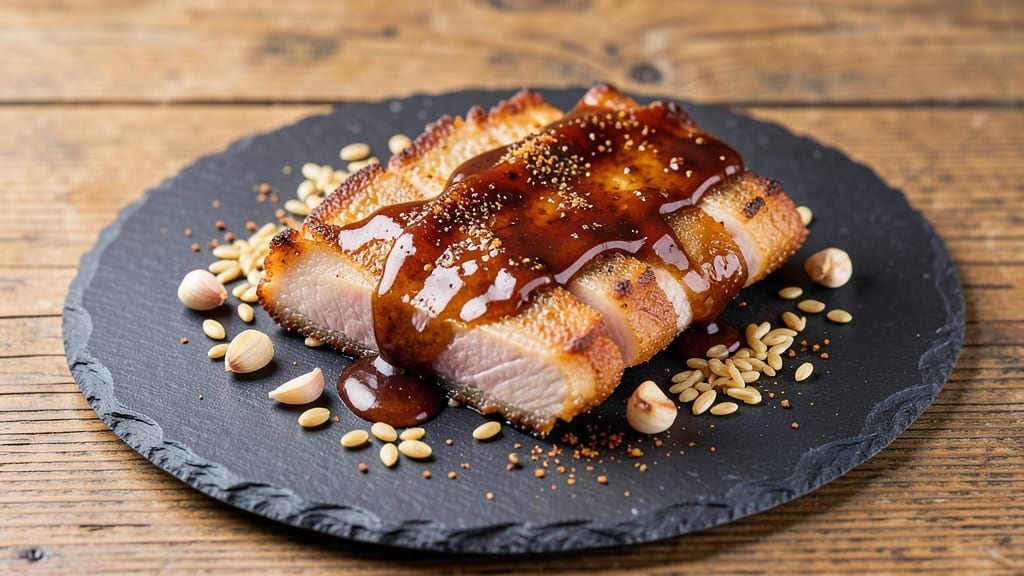
This Butadon pork belly recipe delivers the ultimate Filipino comfort food experience—crispy five-spice crust giving way to silky, glaze-coated pork that practically melts in your mouth. 🌟 I developed this version after years of perfecting the balance between smoky, aromatic crust and the sweet-savory adobo glaze that makes every bite unforgettable.
The secret lies in slow-braising the pork belly until it's tender enough to shred, then finishing it with a crispy crust that holds up to the rich, tangy sauce.
What sets this recipe apart is the three-stage cooking process that transforms tough pork belly into melt-in-your-mouth perfection. First, we sear the belly to render fat and develop flavor, then slow-braise it until fork-tender, and finally crisp the exterior for that coveted crunch.
The adobo sauce, made with soy sauce, vinegar, and brown sugar, caramelizes beautifully while maintaining that perfect balance of sweet and tangy flavors that define Filipino cooking.
By the time you serve this dish, you'll have a restaurant-quality plate that features perfectly crispy pork belly with a glossy, caramelized glaze, served alongside steamed rice and a side of tangy atchara (pickled papaya).
The aroma alone will have everyone gathering around the table—this is the kind of dish that turns weeknight dinners into special occasions without requiring hours in the kitchen.
The beauty of this recipe is its versatility—it works equally well as a main course for family gatherings or a showstopping centerpiece for dinner parties. The leftovers reheat beautifully, making it perfect for meal prep, and the flavors only deepen as they sit.
Here's how to make it happen in your kitchen.
Ingredients for butadon recipe pork belly
This butadon pork belly recipe transforms simple ingredients into a showstopping Filipino feast.
| Ingredient | Amount | Notes |
|---|---|---|
| Pork Belly 🥓 | 2 lb | Skin-on, thick-cut preferred |
| Five-Spice Powder 🌶️ | 2 tbsp | Filipino-style for authentic flavor |
| Soy Sauce 🥄 | ½ cup | Dark soy for color and depth |
| Cane Vinegar 🍶 | ¼ cup | White vinegar substitute if needed |
| Brown Sugar 🍚 | ½ cup | Packed for accurate measurement |
| Garlic Cloves 🧄 | 8 cloves | Minced for sauce and marinade |
| Fresh Ginger 🌿 | ½ cup | Grated, peel removed |
| Garlic Powder 🧄 | 1 tbsp | For extra flavor depth |
| Black Peppercorns 🌶️ | 1 tsp | Freshly ground for best flavor |
| Olive Oil 🫒 | 2 tbsp | For searing and crisping |
| Salt 🧂 | 1 ½ tsp | Kosher or sea salt |
| Steamed White Rice 🍚 | 2 cups | For serving, cooked |
| Sesame Oil 🫒 | 1 tbsp | For finishing drizzle |
| Green Onions 🧅 | 4 whole | Sliced for garnish |
The pork belly is the star—look for thick-cut pieces with good marbling at Costco or your local Asian market. Filipino five-spice powder is non-negotiable for that signature aroma; Penzeys or bulk bins at H Mart carry the best. Fresh ginger and garlic? The more vibrant the color, the better—bruised spots mean it's past its prime. For the soy sauce, Lee Kum Kee dark soy gives that gorgeous caramelized crust, but Kikkoman works in a pinch. Brown sugar should be packed—don't scoop it loosely or you'll end up with less than you need.
No five-spice powder? Mix 1 tsp each of cinnamon, cloves, fennel, and star anise—it's not identical, but it'll get you close. Short on sesame oil? Toast sesame seeds and grind them for a budget-friendly alternative. Vinegar substitute? Apple cider vinegar works, but it'll have a slightly different tang. The pork belly skin should be crispy but not burnt—if it's browning too fast, reduce the oven temperature to 375°F and add more olive oil. For the glaze, simmer it until it thickens to a syrup-like consistency—this is what makes it cling beautifully to the pork.
Pork belly leftovers are a dream—reheat in the oven at 300°F for 15 minutes to restore that crispy skin. The glaze reheats well too, so you can drizzle it over rice or noodles for a quick meal. Store components separately: pork belly in the fridge for 4 days, glaze in a jar for 1 week. Freeze the pork belly for 3 months—thaw overnight in the fridge before reheating. The rice? Make a big batch and freeze portions—it's perfect for lazy mornings. Garnish with green onions right before serving, as they wilt quickly.
Why You'll Love This Recipe
- Few-Pan Magic: I swear by this one—just sear the pork belly, toss it in a pan with five-spice, soy, and vinegar, then finish with brown sugar. No flipping, no fussing, just hands-off crispy perfection while you stir.
- Umami Bomb: That five-spice powder? It’s the secret weapon—warm cinnamon, star anise, and clove cut through the pork’s richness, while the cane vinegar adds a bright, tangy kick. Honestly, the first bite makes you want to eat it straight from the pan.
- Lunchbox Hero: Between us, this is my go-to for meal prep. The pork stays tender for days, and the glaze? Even better reheated. Pack it in rice bowls for work, or serve it cold in wraps—it’s that versatile.
- Budget Crispy Luxury: Pork belly feels fancy, but this recipe stretches it. A single cut feeds four, and the spices cost pennies. Leftovers? Even better the next day—crispy edges soften into melt-in-your-mouth slices. (Yes, even on a Tuesday night.)
Step-by-step instructions for butadon pork belly
Transform that 2 lb pork belly into crispy, aromatic butadon with a silky mojo glaze—here's how.
🔥 Step 1: Render the Pork Belly Fat Until Crispy
Preheat your oven to 250°F and line a baking sheet with heavy-duty foil. Place the 2 lb pork belly skin-side down on the sheet and score the fat in a diamond pattern with a sharp knife—this helps render the fat evenly. Bake for 2 hours, flipping once after 1 hour, until the fat is golden and crispy.
Here's the thing—don't rush this step. The slow render creates that perfect crackling crust while keeping the meat tender. You'll know it's ready when the fat turns a deep golden brown and the skin pulls away from the meat slightly. Let it cool completely before proceeding—this prevents the skin from getting soggy when you add the marinade.
👨🍳 Step 2: Create the Five-Spice Marinade
In a small bowl, whisk together the 2 tbsp five-spice powder, 1 tbsp garlic powder, 1.5 tsp salt, and 1 tsp freshly ground black peppercorns. This aromatic blend is the soul of your butadon. Once mixed, sprinkle half of this spice mixture evenly over the crispy pork belly, pressing it gently into the skin and meat.
In a separate bowl, combine the 0.5 cup soy sauce, 0.25 cup cane vinegar, 0.5 cup packed brown sugar, 8 minced garlic cloves, and 0.5 cup grated fresh ginger. Mix well until the sugar dissolves completely. This mojo marinade should be thick and syrupy—if it's too thin, simmer it gently for 2-3 minutes to reduce. Pour this marinade evenly over the pork belly, making sure it soaks into the meat.
🍳 Step 3: Sear for Maximum Crispiness
Heat a large skillet over medium-high heat until it's smoking hot. Add 2 tbsp olive oil and swirl to coat. Place the pork belly skin-side down in the pan and sear for 3-4 minutes until the skin is deeply golden and crispy. Flip carefully and sear the other side for another 3-4 minutes.
This searing step is where the magic happens—it locks in those flavors and creates that irresistible crunch. If the pork belly releases easily from the pan when you try to flip it, it's ready. If it sticks, press down gently with a spatula to help it release. Transfer the pork belly to a plate and let it rest for 5 minutes before slicing.
🥘 Step 4: Slice and Assemble the Butadon
Slice the pork belly against the grain into ½-inch thick slices. Arrange the slices on a serving platter, skin-side up. Drizzle generously with the remaining mojo marinade from the pan, making sure each slice is coated. The sauce should be glossy and sticky—this is what makes butadon so irresistible.
Here's the moment that matters: add a final drizzle of 1 tbsp sesame oil and sprinkle with 4 sliced green onions. The sesame oil adds an extra layer of nutty aroma, while the green onions provide a fresh contrast to the rich pork. Serve immediately over 2 cups steamed white rice to soak up every last drop of that delicious mojo sauce.
Pro Tips For Making Butadon Recipe Pork Belly
- CRISP THE BELLY FIRST: Cut the pork belly into 1-inch slices before searing—thicker pieces stay chewy, no matter how long you braise. I learned this the hard way after serving rubbery slices to guests who politely lied about enjoying them.
- SALT THE MEAT AHEAD: Rub the pork belly with salt and five-spice powder at least 30 minutes before cooking—this breaks down the fat and deepens the flavor. Skimp on this, and your sauce will taste flat, no matter how much soy sauce you add.
- WATCH THE VINEGAR: Add cane vinegar gradually while braising—dump it all in at once, and you’ll end up with a sour, unbalanced sauce. Taste as you go; it should brighten, not overpower the pork’s richness.
- BROWN THE SUGAR: Caramelize the brown sugar in the pan before adding liquid*—this gives the sauce depth and a glossy finish. I was skeptical until I tried it; now I swear by the extra layer of flavor it adds to every bite.
Dietary considerations for this dish
Gluten-Free Adaptations
This butadon recipe is naturally gluten-free if you use certified gluten-free soy sauce and vinegar. I recommend San-J Tamari gluten-free soy sauce—it has the same rich umami flavor without the gluten. Check labels on all ingredients, especially spices and brown sugar, as some brands contain traces of wheat.
For extra safety, I toast my five-spice powder in a dry skillet to eliminate any potential cross-contamination from shared processing facilities. 🌱
Low-Carb Options
Swap the white rice for cauliflower rice or shirataki noodles to cut carbs while keeping the meal satisfying. I like Caulipower frozen cauliflower rice because it cooks in just 3 minutes and absorbs the pork glaze beautifully.
For a heartier option, serve the butadon over a bed of roasted Brussels sprouts with a sprinkle of crushed pecans for crunch and healthy fats.
Dairy-Free Considerations
This recipe is already dairy-free, but the sides often contain hidden dairy. Opt for coconut aminos instead of soy sauce if you're avoiding soy, though the flavor will be slightly different.
For serving, use olive oil-based dressings instead of creamy sauces. I've found that avocado slices make a great dairy-free garnish—they add creaminess without any lactose.
Allergen-Friendly Swaps
For nut allergies, avoid the sesame oil drizzle and replace it with toasted sunflower oil instead. If you're allergic to garlic or ginger, substitute with 1 tbsp garlic powder and 1 tbsp grated onion in the marinade.
Always check your five-spice powder ingredients—some blends contain sesame or tree nuts. I keep a separate spice jar for allergy-friendly cooking to avoid cross-contamination.
Vegetarian Adaptation
While pork belly is the star, you can create a vegetarian version using extra-firm tofu or mushroom caps like shiitake or oyster. Press the tofu for 30 minutes to remove excess water, then marinate it in the same five-spice mixture.
For a meatier texture, slice king oyster mushrooms lengthwise and sear them until crispy. The glaze will cling beautifully, though the texture will be firmer than pork. 🌱
Nutrition facts
Frequently asked questions
Why does the pork belly need to render its fat first?
The two-hour rendering process at 250°F creates that signature crispy skin while keeping the meat tender. The fat renders slowly, preventing the skin from becoming tough or rubbery. This step also infuses the pork with deep flavor that can't be achieved through quick cooking methods.
Can I use regular pork chops instead of pork belly?
While you can make a similar dish, pork belly is ideal because of its fat content and texture. The fat renders beautifully and creates that coveted crispy crust. If you must use pork chops, look for thick-cut, bone-in pieces and reduce the cooking time to 15-20 minutes total to avoid drying them out.
How do I prevent the pork from drying out?
Low and slow is key! After the initial render, keep the oven temperature at 250°F and avoid high heat. The marinade also helps retain moisture. If you notice the meat drying, add a splash of water to the pan during searing and cover briefly to steam the pork belly.
What's the best way to reheat leftovers?
For crispy skin, reheat in a 300°F oven for 15 minutes on a wire rack over a baking sheet. Avoid microwaving—the skin will turn soggy. The glaze reheats well in the microwave for 30 seconds if you want to serve it over rice or noodles.
Can I make this recipe ahead of time?
The pork belly can be fully cooked and refrigerated for 4 days or frozen for 3 months. Reheat as directed above. The glaze can be made 1 day ahead and stored in the fridge. Just reheat gently before serving to maintain its glossy texture.