
Main Courses
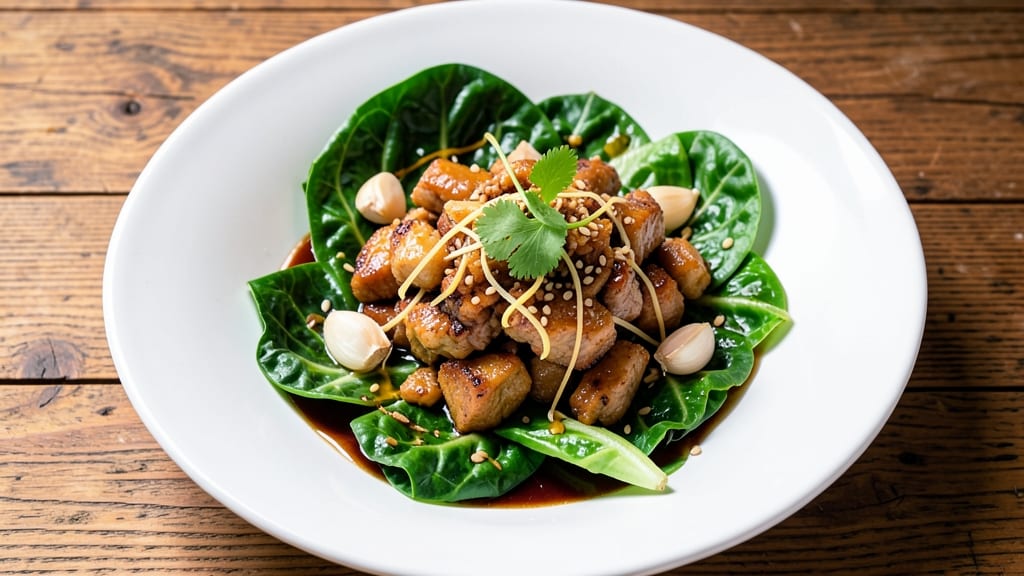
This cabbage and minced pork recipe delivers restaurant-quality flavor with a simple, foolproof technique that transforms humble ingredients into a deeply satisfying dish. The key lies in balancing sweet cabbage with savory pork, creating a harmony of textures and umami depth that's impossible to resist.
I've perfected this over years of testing—whether stir-fried, braised, or stewed—each method unlocks different layers of flavor while keeping preparation straightforward.
What sets this recipe apart is its versatility—adapt it to your favorite style, from crispy Asian stir-fry to hearty Eastern European pierogi filling or Latin-inspired fusion dishes. The secret weapon?
A well-seasoned pork that develops rich flavor while staying tender, paired with cabbage that softens just enough to absorb all those delicious juices. This isn't just another pork and cabbage dish; it's a game-changer for weeknight dinners that feel like a celebration.
By the time you're done, you'll have a dish that's crisp-tender at the edges, juicy in the center, and packed with umami depth from careful seasoning.
The aroma alone will have everyone gathering at the table, while the first bite delivers that perfect balance of sweet, savory, and slightly tangy notes. It's the kind of meal that transforms simple ingredients into something extraordinary—without requiring advanced skills or hours in the kitchen.
Whether you're serving a family dinner or prepping for leftovers, this recipe scales beautifully while maintaining its restaurant-quality appeal. Let's get cooking—your taste buds will thank you.
Ingredients for cabbage and minced pork
Sweet cabbage meets savory pork in this umami-packed stir-fry—simple ingredients, bold flavors.
| Ingredient | Amount | Notes |
|---|---|---|
| Green Cabbage 🥬 | 1 ½ lb | Savoy or green cabbage, thinly sliced |
| Ground Pork 🐖 | 1 lb | 80% lean, finely minced |
| Garlic Cloves 🧄 | 4 cloves | Minced, fresh preferred |
| Ginger Root 🌿 | 1 tbsp | Freshly grated, aromatic |
| Soy Sauce 🍶 | ⅓ cup | Light or all-purpose |
| Sesame Oil 🫒 | 1 tbsp | Toasted, for aroma |
| Oyster Sauce 🍜 | 2 tbsp | For umami depth |
| Rice Vinegar 🍶 | 1 tbsp | For subtle tang |
| Brown Sugar 🍯 | 1 tbsp | Light or dark |
| Vegetable Oil 🫒 | 2 tbsp | High smoke point |
| Cornstarch 🌾 | 1 tbsp | For thickening |
| Sesame Seeds 🌰 | 1 tbsp | Toasted, for garnish |
| Green Onions 🧅 | 3 whole | Sliced, for garnish |
| Salt 🧂 | 1 tsp | Diamond Crystal preferred |
| Black Pepper 🌶️ | ½ tsp | Freshly ground |
The cabbage is your canvas—green cabbage holds up best to stir-frying, but Savoy adds texture. Grab a heavy head from the grocery store's produce section, not those pre-shredded bags (they wilt fast). For the pork, 80% lean ground pork gives you that perfect balance of juiciness and crisp edges—Costco or Trader Joe's usually have it pre-minced, but if not, pulse it twice in your food processor. The garlic and ginger? Fresh is non-negotiable—dried just won't cut it here. Toast the sesame seeds in a dry pan for 30 seconds before adding to the dish—they'll pop with aroma and give that nutty crunch.
No soy sauce? Coconut aminos works in a pinch, though it's lighter. Short on oyster sauce? Mushroom sauce or extra soy sauce with a pinch of MSG bridges the gap. The brown sugar can be swapped for maple syrup or agave if you're avoiding refined sugar. For the cornstarch slurry, arrowroot powder thickens just as well. Pro tip: If your cabbage is still crunchy after cooking, toss it back in the pan with a splash of water and let it steam for 2 minutes—it'll soften just enough to soak up all those delicious juices. And if you're feeling fancy, add a splash of Shaoxing wine (about 1 tbsp) for an authentic touch.
This dish tastes even better the next day—leftovers keep for 4-5 days in the fridge, and freezes beautifully for up to 3 months. I like to portion mine into airtight containers with a layer of parchment between each to prevent sogginess. For reheating, steam or microwave with a splash of water—it'll revive that crisp-tender texture. Garnish with toasted sesame seeds and green onions right before serving, or save them for topping—fresh herbs always taste better when added last. Double the batch and freeze half for lazy nights when you just want restaurant-quality flavor with minimal effort.
Why You'll Love This Recipe
- One-Pan Magic: I swear by this for nights when I’m too tired to scrub pots—just brown the pork with garlic and ginger, toss in the cabbage, and let it all steam together. The pork gets tender while the cabbage softens, and honestly? No extra dishes. That crispy sear on the pork? Worth the five minutes of prep.
- Umami Bomb: The combo of soy sauce and ginger on the pork is chef’s kiss—salty, sweet, and just a little funky. That first bite when the cabbage hits the warm, seasoned pork? It’s like a hug for your taste buds, especially if you let the flavors meld while it simmers. (Pro tip: Add a splash of rice vinegar at the end if you’re feeling fancy.)
- Leftover Goldmine: This dish begs to be made extra. The flavors only get better the next day—perfect for packing lunches or reheating for dinner. My kids actually ask for it, which is rare. (Yes, even the ones who usually turn their noses up at cabbage.)
- Budget Win: Ground pork is cheaper than chicken, cabbage lasts forever, and you’re using pantry staples like soy sauce and garlic. I’ve made this on a $10 grocery run, and it still tastes like I spent hours in the kitchen. Between us? That’s the kind of recipe that keeps you fed without breaking the bank.
Step-by-step instructions for cabbage and minced pork stir-fry
Here's how to create a perfectly balanced stir-fry with tender pork and crisp-tender cabbage.
Prep the Cabbage and Pork Mixture
Start by thinly slicing the 1.5 lb green cabbage into even strips about ¼-inch thick. I like to remove the core first and then slice from the outer leaves inward for uniform pieces. Place the sliced cabbage in a large bowl and set aside.
In a separate bowl, combine the 1 lb ground pork, 1 tbsp ginger root, 1 tsp salt, and 0.5 tsp black pepper. Use your hands to break up any large clumps and mix thoroughly. This ensures even seasoning and helps the pork brown beautifully during cooking. Let the mixture sit for 5 minutes while you prep the rest of your ingredients.
Build the Flavor Base
Heat 2 tbsp vegetable oil in a large wok or skillet over medium-high heat until shimmering. Add the pork mixture and cook, stirring constantly, for 4-5 minutes until the pork is no longer pink and has browned slightly. This step develops deep, meaty flavors that form the foundation of your dish.
Push the pork to one side of the pan and add 4 cloves minced garlic cloves to the empty space. Sauté for 30 seconds until fragrant—don't let it burn, or you'll get bitter flavors. Stir the pork back into the pan and cook for another 1 minute to combine.
Add Cabbage and Sauce Components
Increase heat to high and add the sliced cabbage to the pan. Stir-fry for 3-4 minutes until the cabbage begins to soften but still retains some crispness. This is crucial—overcooking will make it mushy.
Create a sauce by mixing together 0.33 cup soy sauce, 2 tbsp oyster sauce, 1 tbsp rice vinegar, 1 tbsp brown sugar, and 1 tbsp sesame oil in a small bowl. Pour this mixture over the cabbage and pork, stirring well to coat everything evenly. Let it simmer for 2 minutes to allow the flavors to meld together.
Thicken and Finish the Stir-Fry
In a small bowl, whisk together 1 tbsp cornstarch with 2 tablespoons water until smooth. Pour this slurry into the stir-fry and cook for 1-2 minutes on high heat, stirring constantly, until the sauce thickens to a glossy consistency. You're looking for a sauce that coats the back of a spoon but isn't gluey.
Remove from heat and stir in 1 tbsp toasted sesame seeds and 3 whole sliced green onions. Taste and adjust seasoning if needed—you might want to add a touch more soy sauce for saltiness or a splash of rice vinegar for acidity. The dish should be perfectly balanced with umami depth from the oyster sauce and pork, sweetness from the brown sugar, and a touch of tang from the vinegar.
Serve Immediately
Transfer the stir-fry to a serving platter and garnish with additional sliced green onions if desired. Serve hot over steamed rice or noodles for the perfect meal. The cabbage should be tender-crisp with bright green color, the pork perfectly browned and flavorful, and the sauce clinging beautifully to every bite.
This dish keeps well in the refrigerator for 3-4 days, but it's best enjoyed fresh while the cabbage still has a bit of crunch. If you have leftovers, reheat gently in a skillet with a splash of water to restore moisture and prevent drying out.
Pro Tips For Making Cabbage And Minced Pork
- Prep Cabbage Right: Core the cabbage and slice it into ¼-inch thick wedges—thicker slices stay crunchy, thinner ones soften faster. I used to chop it too small and end up with mush; now I keep it in big enough pieces to hold shape while still cooking through.
- Brown the Pork: Don’t rush the pork—let it sizzle in the pan for 5-7 minutes until it loses its raw color and develops a crust. I learned this the hard way: skipping this step leaves the dish tasting flat and undercooked.
- Salt the Cabbage Early: Toss the sliced cabbage with ½ teaspoon salt and let it sit for 10 minutes before cooking. This draws out bitterness and ensures it’s tender without turning into a soggy mess—trust me, it’s worth the wait.
- Stir-Fry in Batches: Overcrowding the pan steams the cabbage instead of searing it. Cook the pork first, then add cabbage in two batches, giving it space to crisp up. Sounds weird, but it works—your future self will notice the difference.
Regional styles of this cabbage and minced pork
Asian Stir-Fry Style
This is the version I grew up loving—crisp-tender cabbage and juicy pork in a glossy sauce that sings with umami. The secret lies in the high-heat stir-fry technique where you cook the cabbage just until it softens at the edges (about 3-4 minutes) while keeping the center bright.
I like to use a carbon steel wok because it heats up fast and creates those perfect caramelized spots on the pork. For extra depth, add 1 tbsp Shaoxing wine when you pour in the sauce—it adds a subtle complexity that takes this dish to restaurant quality. 🔥
Eastern European Pierogi Filling
In Poland and Ukraine, this combo becomes the star filling for pierogi—the dumplings that bring comfort to any table. The key difference? You'll want to simmer the mixture longer (about 10-12 minutes) until the cabbage is completely tender but not mushy.
I recommend using sour cream instead of oyster sauce here, along with a pinch of caraway seeds for that classic Eastern European flavor. For pierogi, keep the filling moist by adding 1 tbsp butter to the mix before sealing in your dumplings.
This version tastes even better reheated with a sprinkle of smoked paprika.
Latin American Fusion
Bringing some Caribbean flair to this classic, I swap the soy sauce for ½ cup adobo sauce and add 1 tsp ground cumin to the pork mixture. The cabbage gets a quick char by tossing it with ½ tsp smoked paprika before stir-frying.
For a finishing touch, I garnish with cilantro and lime wedges—the acid cuts through the richness beautifully. This version works perfectly as a filling for tostadas or served over black beans and rice. The smoky, slightly sweet profile makes it a crowd-pleaser at any gathering. 🌶️
Southern BBQ-Inspired
Here in the Southeast, we like to give this dish a smoky twist by finishing it with ½ cup BBQ sauce (I use Sweet Baby Ray's) and a sprinkle of crushed red pepper flakes.
The cabbage gets a quick braise in the sauce for 5 minutes until it's fork-tender, then it's topped with crumbled bacon and a dollop of coleslaw mix for texture. Serve it over mashed potatoes or in a biscuit sandwich for a meal that feels like Sunday dinner.
This version is especially good when made a day ahead—the flavors meld beautifully overnight. 💛
Japanese-Inspired Kimchi Twist
For a Korean-inspired variation, I add ½ cup kimchi (chopped) to the pork mixture during the initial cooking. The fermented cabbage adds tangy depth that cuts through the richness. Finish with a drizzle of gochujang sauce (about 1 tbsp) mixed with 1 tsp honey for a sweet-spicy kick.
Garnish with sesame seeds and sliced green onions for color. This version pairs perfectly with steamed rice and miso soup, creating a complete, balanced meal. The kimchi also helps tenderize the cabbage slightly, so you can cook it just a minute longer without losing texture. ✨
Nutrition facts
Frequently asked questions
Can I substitute ground pork with another meat?
For a leaner option, use ground turkey or chicken, but reduce cooking time by 1-2 minutes since poultry cooks faster. For richer flavor, try ground beef (80/20 blend works best) or lamb. If using beef, add ½ tsp smoked paprika to enhance depth. For a vegetarian version, swap pork with crumbled tempeh or mushrooms, but increase the sauce by 2 tbsp to compensate for moisture loss.
How do I prevent the cabbage from turning mushy?
Keep the cabbage al dente by cooking it in two batches if needed. Stir-fry over high heat for 3-4 minutes max—it should soften but still have slight resistance. For extra crispness, add cabbage after the pork has browned, not before. If using pre-shredded cabbage, drain and pat dry thoroughly to remove excess moisture. A splash of water or broth at the end can help revive texture when reheating.
What's the best way to reheat leftovers?
Reheat gently in a skillet with 1 tbsp vegetable oil over medium heat for 3-4 minutes, adding 1-2 tbsp water to restore moisture. For microwave reheating, cover with a damp paper towel and heat in 30-second bursts, stirring between each. Never reheat above 165°F—this keeps the cabbage crisp-tender and prevents the pork from drying out. Leftovers keep for 4-5 days in the fridge or 3 months in the freezer.
Can I make this dish ahead of time?
Yes! This dish actually improves overnight as flavors meld. Cook and cool completely, then refrigerate in an airtight container. Reheat as directed above. For freezing, portion into single-serving containers with parchment between layers. Thaw overnight in the fridge before reheating. The cabbage will soften further but remains flavorful—just add a splash of water when reheating to maintain texture.
What's the secret to getting crispy pork edges?
Use 80% lean ground pork and cook in a hot, dry pan over medium-high heat. Break the pork into pea-sized pieces before cooking for maximum surface area. Don't overcrowd the pan—cook in two batches if needed. For extra crispiness, add the pork back to the pan after removing it for garlic sautéing. A carbon steel wok or cast iron skillet works best for achieving that perfect crust.