
Main Courses
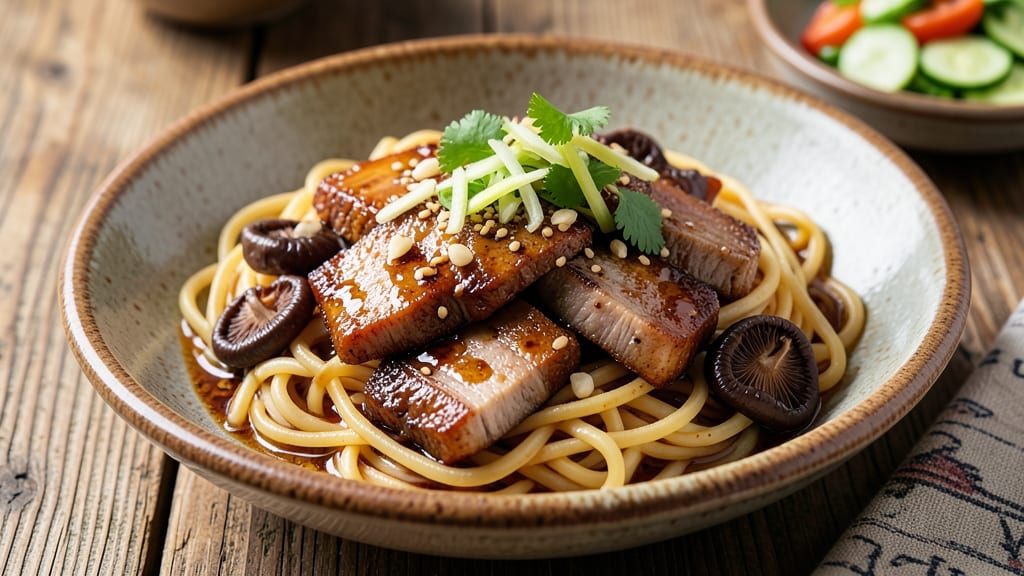
This one-pot canned pork and noodles recipe transforms humble pantry staples into a deeply satisfying meal that tastes like home. 🔥 The secret lies in balancing the salty richness of canned pork with aromatic spices and tender noodles—no fancy ingredients required, just smart technique.
I first perfected this dish during a particularly busy week when I needed comfort food that came together in under 30 minutes without sacrificing flavor.
What makes this dish special is how the pork's natural sweetness melds with savory soy and umami-rich mushrooms, creating a bold, comforting broth that coats every strand of noodle. The key is simmering everything together long enough for the flavors to develop—no rushed shortcuts here.
This isn't just a quick fix; it's a restaurant-quality meal that delivers on both taste and convenience, perfect for weeknights or when you crave that familiar, hearty satisfaction.
The result is a one-pot wonder with perfectly tender pork, chewy noodles that hold up to the rich sauce, and a depth of flavor that makes it taste like it simmered all day.
The dish is flexible enough to serve as a main course or pair with quick sides like steamed greens or a simple salad. What starts as a simple combination becomes something extraordinary when you let the flavors work their magic together.
Whether you're recreating a childhood favorite or discovering this classic for the first time, this recipe proves that comfort food doesn't require complicated techniques—just patience and attention to the details that turn basic ingredients into something memorable.
The best part? Leftovers reheat beautifully, making it ideal for meal prep or feeding a crowd. Let's get cooking!
Ingredients for canned pork and noodles
Pantry staples meet bold flavors in this one-pot pork and noodles dish.
| Ingredient | Amount | Notes |
|---|---|---|
| Canned Pork (Ham Hock or Shoulder) 🥓 | 1 lb | Cubed for even cooking |
| Egg Noodles 🍜 | 8 oz | Medium or wide egg noodles |
| Dried Shiitake Mushrooms 🍄 | 4 whole | Rehydrated in hot water |
| Garlic Cloves 🧄 | 3 cloves | Minced for aromatic depth |
| Fresh Ginger 🌿 | 1 tbsp | Grated, for zesty kick |
| Soy Sauce 🍶 | ½ cup | High-quality, for umami |
| Vegetable Broth 💧 | 2 cups | Low-sodium preferred |
| Apple Cider Vinegar 🍏 | 1 tbsp | Brightens flavors |
| Brown Sugar 🍯 | 1 tbsp | Balances saltiness |
| Sesame Oil 🫒 | 1 tsp | Toasted, for aroma |
| Ground Black Pepper 🌶️ | ½ tsp | Freshly cracked |
| Green Onions 🧅 | 2 whole | Sliced, for garnish |
| Toasted Sesame Seeds 🌾 | 1 tsp | For crunchy finish |
The canned pork is the star—look for high-quality brands like Hormel or Boar’s Head at your grocery store’s meat section. The difference between regular ham and cured pork shoulder is night and day; the latter has that deep, savory richness you want here. If you can’t find pre-cubed, grab a whole ham hock and chop it yourself—it’s worth the extra minute. Dried shiitake mushrooms are a game-changer for umami depth, and you’ll find them in the Asian foods aisle or bulk section. Fresh ginger? Buy a small knob and grate just what you need—it keeps for weeks in the freezer once peeled. For soy sauce, Japanese brands like Kikkoman or Tamari add the most complexity, but any good-quality bottle will do.
No dried shiitakes? Substitute with fresh cremini mushrooms—just slice them thin and add them directly to the pot. Running low on ginger? A pinch of ground ginger works in a pinch, though it’s not as vibrant. The egg noodles can be swapped for rice noodles or udon if you’re avoiding gluten, but egg noodles hold up best to the rich sauce. Vegetable broth is non-negotiable here—chicken broth would overpower the delicate flavors. For a quicker version, use bouillon cubes dissolved in water, but homemade broth makes all the difference. The sesame oil should be toasted—look for the dark, aromatic kind at Asian markets or the international foods aisle.
This dish tastes even better the next day, so make a double batch if you’re feeding a crowd. Store leftovers in the fridge for up to 5 days—the flavors deepen as the broth reduces. For freezing, portion into airtight containers and thaw overnight in the fridge. The noodles will get softer when reheated, so add a splash of water or broth when warming. Garnish with fresh green onions and sesame seeds right before serving—that’s the finishing touch that makes it look restaurant-worthy.
Why You'll Love This Recipe
- Pantry Magic: I swear by this when my fridge is bare—just open a can of pork, toss in those dried shiitakes, and boom. The umami from the mushrooms and pork builds flavor while you chop garlic. No last-minute grocery runs needed.
- Ginger-Garlic Punch: That fresh ginger and minced garlic? They turn this into something special. The pork stays tender while the aromatics caramelize just enough to make every bite taste like it simmered for hours—not that it takes long.
- Leftover Goldmine: Make a big batch and reheat it all week. The noodles soften perfectly the second time, and the pork gets even more flavorful. My kids beg for it the next day, and honestly? So do I.
- Budget Feast: A single can of pork stretches to feed four, and dried shiitakes add depth without costing a fortune. It’s the kind of meal that makes you feel like you’re treating yourself, even when you’re pinching pennies.
Step-by-step instructions for one-pot canned pork noodles
This hearty dish comes together in a single pot with minimal effort—just follow these simple steps for maximum flavor.
🍳 Step 1: Rehydrate and Prepare the Shiitake Mushrooms
Place the 4 whole dried shiitake mushrooms in a heatproof bowl and cover with hot water. Let them soak for 15-20 minutes until they soften and expand significantly. Drain, reserving ¼ cup of the soaking liquid for later—it's packed with umami flavor.
While the mushrooms soak, cube the 1 lb canned pork (ham hock or shoulder) into ½-inch pieces for even cooking. The pork should be firm but not crumbly—this ensures it holds its shape while absorbing all those delicious flavors. Set the cubed pork aside for now.
🍳 Step 2: Sauté Aromatics for Maximum Flavor
Heat 1 tablespoon toasted sesame oil in a large pot over medium-high heat. Add the 3 minced garlic cloves and 1 tablespoon grated fresh ginger, cooking for 30-45 seconds until fragrant but not browned—this prevents bitterness and preserves their bright flavors.
Next, add the rehydrated shiitake mushrooms (sliced if large) and cook for 2-3 minutes until they release their moisture and start to soften. Here's the thing—don't overcrowd the pan. If needed, work in batches to maintain even cooking. The mushrooms should be tender but still hold their shape slightly.
🥘 Step 3: Build the Savory Base
Pour in the ½ cup soy sauce, 1 tablespoon apple cider vinegar, and 1 tablespoon brown sugar, stirring to combine. Let the mixture simmer for 1-2 minutes until slightly reduced and glossy. This step develops the sauce's depth—you'll notice the aroma intensify as the ingredients meld together.
Add the 2 cups vegetable broth and the reserved mushroom soaking liquid. Stir in the ½ teaspoon ground black pepper and bring the mixture to a gentle boil. Now's the time to add the cubed pork—it'll soak up all those wonderful flavors as it cooks.
⏰ Step 4: Cook the Noodles to Perfection
Add the 8 oz egg noodles and stir gently to coat them in the savory broth. Reduce heat to medium-low and let the noodles simmer for 8-10 minutes, stirring occasionally, until they're tender but still slightly firm (they'll finish cooking in the residual heat). The noodles should be al dente—this prevents them from becoming mushy.
Here's where it gets fun—taste the broth before adding the final ingredients. If it needs more depth, add a splash more soy sauce or a pinch of sugar. The balance should be savory, slightly sweet, and tangy—this is the foundation of our one-pot masterpiece.
🍽️ Step 5: Finish and Serve with Fresh Garnishes
Once the noodles are cooked, turn off the heat and let the dish sit for 2 minutes to allow the flavors to meld. Stir in the 1 teaspoon toasted sesame seeds and 2 sliced green onions just before serving. The sesame seeds add a delightful crunch, while the green onions bring a fresh contrast to the rich flavors.
Serve immediately in deep bowls, making sure each serving gets a generous portion of noodles, pork, and that flavorful broth. The dish should be comforting yet vibrant—each bite delivers tender pork, chewy noodles, and earthy mushrooms in perfect harmony. Leftovers? They taste even better the next day, so make extra if you can!
Pro Tips For Making Canned Pork And Noodles
- Soak Mushrooms Longer: I learned this the hard way—30 minutes isn’t enough for dried shiitakes. Give them a good 1.5 hours in hot water (not boiling) so they plump up properly and actually taste like mushrooms, not sawdust. Drain and reserve that starchy soaking liquid—it’s liquid gold for your broth.
- Brown the Pork First: Skip the direct simmering, and sear the canned pork in a dry pan over medium-high heat for 3-4 minutes per side. The caramelized crust adds depth you won’t get otherwise—yes, even with pre-cooked meat. (Pro move: Smash it flat slightly with your spatula for even browning.)
- Don’t Overcook the Noodles: Egg noodles turn mushy fast once drained. Pull them out when they’re just al dente—1-2 minutes less than package instructions—and rinse briefly under cold water to stop the cooking. They’ll finish in the hot broth, absorbing flavor without falling apart.
- Blister the Ginger: Sounds weird, but it works: Thinly slice the ginger and fry it in the same pan you browned the pork for 30 seconds until fragrant and slightly charred. This unlocks way more flavor than just mincing it raw—trust the process. (Save the leftover slices for stir-fries.)
Common mistakes when making perfect results
Over-Salting the Pork
Canned pork already packs a salty punch, and adding extra soy sauce or salt can make your dish taste flat or even unappetizing.
I’ve ruined more than one batch by overestimating how much seasoning was needed. Taste as you go—start with just ½ cup soy sauce and adjust only if necessary. The pork’s natural saltiness should be balanced, not drowned out.
If your broth tastes too salty, dilute it with a splash of vegetable broth or a few ice cubes while reheating. 🧂
Skipping the Mushroom Soak
Dried shiitakes need rehydration to unlock their full umami potential. Skipping this step means you’re missing out on deep, earthy flavor that ties the dish together. Soak them for at least 15 minutes—if you’re short on time, use a microwave (cover with water and heat for 3 minutes).
Never use dried mushrooms straight from the package; they’ll stay tough and flavorless. Pro tip: Save that soaking liquid—it’s liquid gold for broths and sauces. 🍄
Undercooking the Noodles
Al dente is key here, but I’ve seen too many people pull noodles out too soon, leaving them crunchy and unsatisfying. Simmer for 8-10 minutes on medium-low heat—stir occasionally to prevent sticking. If your noodles are still firm after 10 minutes, they need more time.
Overcooking turns them mushy, but undercooking leaves you with a chewy, unpleasant texture. Test one noodle early: it should bend slightly but still have a tiny bite. 🍜
Ignoring the Resting Time
Rushing to serve immediately means missing out on flavor development. Let the dish sit off heat for 2-3 minutes after cooking—this allows the noodles to finish absorbing the broth and the pork to reabsorb any juices.
I once served a batch straight from the stove, and it tasted flat compared to when I let it rest. Patience pays off—those extra minutes let the flavors meld into something truly cohesive. ✨
Using Low-Quality Ingredients
Not all canned pork is created equal. Cheap, watery ham won’t hold up to the rich flavors in this dish. Invest in high-quality brands like Hormel or Boar’s Head—their cured pork shoulder has the depth you need.
The same goes for soy sauce: Japanese brands like Kikkoman add layers of umami that generic store brands can’t match. Cutting corners here means a dish that tastes more like a quick fix than a comforting meal. 🥓
Overcrowding the Pot
Stuffing too many ingredients into the pot at once leads to uneven cooking and steamed flavors instead of seared aromatics. Cook aromatics in batches if needed—don’t let the garlic and ginger sit in their own oil for too long, but don’t rush them either.
The mushrooms should sizzle and release moisture; if the pot is packed, they’ll just steam. A slightly crowded pot is fine for the final simmer, but give your aromatics space to develop their full flavor. 🔥
Nutrition facts
Frequently asked questions
Can I use fresh pork instead of canned pork?
Fresh pork works, but it requires extra prep time. If using 1 lb pork shoulder, braise it first with aromatics until tender (1.5 hours at 300°F), then shred before adding to the noodles. Canned pork is ideal for convenience—its cured flavor and tenderness make it perfect for quick meals.
What if I don’t have dried shiitake mushrooms?
No problem! Use ½ cup sliced cremini or white mushrooms instead. Sauté them with the garlic and ginger until golden for extra flavor. For umami depth, add 1 teaspoon fish sauce or a dash of mushroom powder if available. The dish will still taste delicious—just slightly less earthy.
How can I make this dish spicier?
Add ½ teaspoon red pepper flakes or 1 tablespoon sriracha with the soy sauce. For heat lovers, stir in 1 chopped Thai chili or a pinch of cayenne. Balance the spice with extra brown sugar to keep the flavors harmonious. Start with less—you can always add more!
Can I make this recipe in an Instant Pot?
Sauté the garlic, ginger, and mushrooms first. Add all remaining ingredients except noodles, then cook on High Pressure for 5 minutes. Quick-release the pot, stir in noodles, and cook on Keep Warm for 3-4 minutes until tender. The pressure method infuses flavors faster, but taste and adjust seasoning before serving.
What’s the best way to store leftovers?
Store in an airtight container in the fridge for 4-5 days. Reheat gently with a splash of water or broth to restore moisture. For freezing, cool completely first, then portion into containers for up to 3 months. The noodles may soften slightly when reheated—just add a little extra broth if needed.