
Main Courses
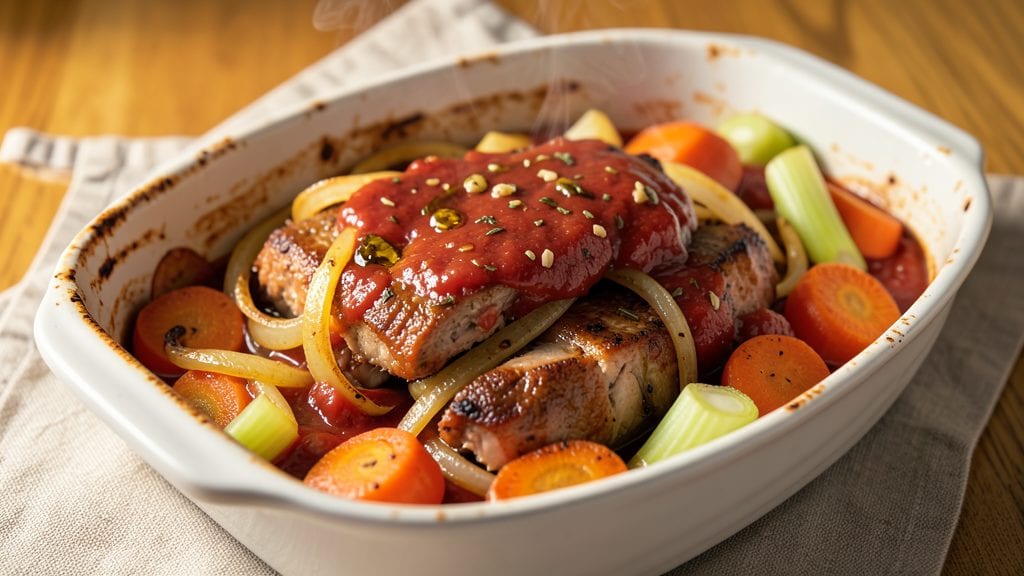
Transforming canned pork into a rich, spiced stew proves that pantry staples can deliver restaurant-quality results with minimal effort. After years of testing home-cooked versions of this dish, I've refined a method that transforms tender pork into melt-in-your-mouth perfection with just a few carefully chosen ingredients and a slow simmer.
The secret lies in balancing sweet and savory flavors while letting the pork absorb the aromatic broth over time.
This recipe delivers a hearty, deeply flavorful stew that's perfect for weeknight dinners or meal prep. The beauty of using canned pork is its convenience—no lengthy marinating or thawing required—while still achieving that satisfying, fall-apart texture.
With just 30 minutes of active prep followed by a 2-hour simmer, you'll have a dish that tastes like it simmered all day. The spices develop complex notes as they cook, creating layers of warmth that make this more than just a simple stew.
By the time you're done, you'll have a steaming bowl of perfectly spiced pork swimming in a velvety broth that clings to every bite. The aroma alone will have everyone gathering around the table, and the texture—tender yet substantial—makes it satisfying enough to serve as a main dish.
This is comfort food at its finest, with just the right balance of richness and depth.
The versatility of this recipe means it works equally well as a standalone dish or paired with crusty bread, rice, or roasted vegetables. Leftovers reheat beautifully, making it ideal for busy schedules. Let's get started on creating this savory, spiced masterpiece that brings warmth to any meal.
Ingredients for canned pork
Pantry staples meet bold flavors for a deeply satisfying stew that transforms simple canned pork into restaurant-worthy comfort.
| Ingredient | Amount | Notes |
|---|---|---|
| Canned Pork (Pork Shoulder) 🥩 | 1 lb | Drained, no added sugar |
| Yellow Onion 🧅 | 1 whole | Diced, medium size |
| Garlic Cloves 🧄 | 4 cloves | Minced, fresh preferred |
| Carrots 🥕 | 2 whole | Medium, sliced into rounds |
| Celery Stalks 🥬 | 2 whole | Diced, fresh preferred |
| Tomato Paste 🍅 | 2 tbsp | Smooth, not chunky |
| Chicken Broth 💧 | 2 cups | Low-sodium preferred |
| Red Wine 🍷 | ½ cup | Dry, like Cabernet |
| Apple Cider Vinegar 🍏 | 1 tbsp | For brightness |
| Brown Sugar 🍯 | 1 tbsp | Light or dark |
| Ground Cumin 🌿 | 1 tsp | Toasted for depth |
| Ground Coriander 🌿 | ½ tsp | Freshly ground preferred |
| Ground Cloves 🌶️ | ¼ tsp | Whole cloves crushed |
| Bay Leaves 🍃 | 2 whole | Fresh or dried |
| Black Peppercorns 🌶️ | ½ tsp | Freshly cracked |
| Salt 🧂 | 1 ½ tsp | Diamond Crystal preferred |
| Olive Oil 🫒 | 1 tbsp | Extra-virgin for richness |
The canned pork is the star—look for brands like Hormel or Armour in the meat section, not the canned soups aisle. Drain it thoroughly before adding to avoid watering down the broth. For the carrots and celery, I always grab the fresh bunch and trim off the leafy tops—they add color but no flavor. Pre-diced veggies work in a pinch, but fresh gives better texture. The onion? Yellow, not red—it caramelizes better. If you're short on time, frozen chopped onions from Trader Joe's save prep work without sacrificing flavor. Toast your spices in the pot with the olive oil for 30 seconds—this wakes up the cumin and coriander, making them pop in the finished dish.
No red wine? Substitute extra chicken broth with 1 tbsp balsamic vinegar for depth. Short on brown sugar? Maple syrup works 1:1, though it adds a slight floral note. The tomato paste can be skipped if you're avoiding it, but add 1 extra tbsp of apple cider vinegar to balance. For the vinegar, rice vinegar is too sharp—stick with apple cider or white wine vinegar. The bay leaves? Remove them before serving—they turn bitter when overcooked. If you're using dried herbs, halve the amount of fresh ones called for elsewhere in recipes. The pork should be tender but not falling apart—if it's still tough after 2 hours, add another 30 minutes.
This stew tastes even better the next day as flavors meld—portion into containers so you can reheat just what you need. Keeps 4-5 days in the fridge, freezes for up to 3 months. For serving, crusty bread or fluffy rice soaks up all that rich broth. If you're prepping ahead, make the broth base first (everything except pork), store it, then add pork when ready to serve. The spices lose potency after 6 months, so if you're storing leftovers long-term, add a pinch of fresh ground pepper when reheating.
Why You'll Love This Recipe
- No-Pan-Worry Stew: Honestly, this is the kind of recipe that doesn’t care if you’re running late. Just toss that drained canned pork into a Dutch oven, and you’ve already saved yourself 30 minutes compared to starting with raw meat. The onion, carrots, and celery get prepped in 10 minutes flat—no fancy knife skills required—and the spices? Toasted right in the pot for maximum flavor with zero extra effort.
- Unexpected Depth: The red wine and tomato paste give this stew a richness that surprises even me. I’ll be real: the first time I made it, I thought, “Wait, canned pork with cloves and cumin?” But that apple cider vinegar and brown sugar balance cut through the richness perfectly, and the garlic? Sizzles in there for just 30 seconds—enough to wake up the whole pot without turning bitter. It’s like a little flavor party in every bite.
- Leftovers That Win: This stew is my secret weapon for lazy Sundays or when I’ve got a crowd. Double the recipe, and you’ve got 4-5 days of grab-and-go meals—just reheat and serve. The pork gets even more tender with time, and the spices? They mellow out in a way that’s weirdly comforting. My roommate, who’s not a fan of stews, keeps asking for seconds. (Yes, even on a Tuesday night.)
- Budget-Friendly Luxury: I love that canned pork is one of the cheapest protein sources out there, but this recipe makes it feel like a restaurant dish. The carrots, celery, and onion stretch the ingredients further, and the chicken broth adds depth without breaking the bank. You’re paying for the spices and wine, which honestly? Worth it. It’s the kind of meal that makes you feel fancy without the fancy price tag.
Step-by-step instructions for savory, spiced stew simmered to rich perfection
Here's how to transform canned pork into a deeply flavorful, aromatic stew that tastes homemade.
Sauté the Aromatic Vegetable Base
Heat the 1 tablespoon olive oil in a large Dutch oven over medium heat. Add the diced 1 yellow onion, sliced 2 carrots, and diced 2 celery stalks. Cook for 5-6 minutes until the vegetables begin to soften and the onion turns translucent.
Here's the thing—don't rush this step. You want those vegetables to release their natural sweetness and form a flavorful foundation. Add the 4 minced garlic cloves and cook for another 30 seconds until fragrant. The garlic should sizzle gently without browning, which would make the stew bitter.
Build the Spiced Tomato Foundation
Reduce the heat to medium-low and stir in the 2 tablespoons tomato paste, spreading it evenly over the vegetables. Cook for 2 minutes until it darkens slightly and becomes fully incorporated. This creates a rich, concentrated base for the stew.
Now add the spices: 1 teaspoon ground cumin, ½ teaspoon ground coriander, ¼ teaspoon ground cloves, ½ teaspoon black peppercorns, and 1½ teaspoons salt. Stir vigorously for 30 seconds to toast the spices and release their essential oils. The kitchen should fill with an intoxicating aroma—this is where the magic begins.
Deglaze and Combine Liquids
Pour in the ½ cup red wine and scrape up any browned bits from the bottom of the pot with a wooden spoon. This deglazing step captures all the flavor you've built so far. Let it simmer for 2-3 minutes until the wine reduces by half and the alcohol cooks off.
Add the 2 cups chicken broth, 1 tablespoon apple cider vinegar, and 1 tablespoon brown sugar. Stir well to combine, then add the drained 1 lb canned pork (pork shoulder) and 2 bay leaves. Bring the mixture to a gentle boil, then reduce heat to low and cover partially with a lid.
Simmer to Perfect Tenderness
Let the stew simmer uncovered for 1 hour to 1 hour 15 minutes, stirring occasionally. You're looking for the pork to become fork-tender and the liquid to reduce until it coats the back of a spoon. The vegetables should be soft but still hold their shape.
The reason we simmer uncovered is to develop that rich, concentrated flavor. You'll know it's ready when the stew has thickened noticeably and the pork easily separates with a fork. If it's not quite there, continue simmering for another 10-15 minutes—patience is key here.
Adjust and Serve with Confidence
Remove the 2 bay leaves and taste the stew. Adjust seasoning if needed—this is where you can really make it perfect. Add a pinch more salt if it needs brightness, or a splash more vinegar if it's too heavy. The stew should be rich but balanced, with layers of spice and acidity.
Serve immediately over buttered egg noodles or crusty bread, letting everyone experience that deep, complex flavor you've created. This isn't just a stew—it's a complete, satisfying meal that transforms simple ingredients into something extraordinary.
Pro Tips For Making Canned Pork
- Don’t Skip the Spice Toast: That 30-second stir of cumin, coriander, and cloves after adding tomato paste? Don’t rush it. I learned this the hard way—skipping it makes the spices taste like dust instead of warm, aromatic magic. The kitchen should smell like a spice market, not nothing.
- Slice Carrots Evenly: Uneven carrot rounds turn into mushy chaos. Cut them all the same thickness—about ¼-inch—so they soften at the same time. Trust me, you’ll save yourself from picking out half-cooked chunks later.
- Simmer Uncovered (No Peeking!): The stew needs that uncovered time to reduce and deepen, but every time you lift the lid, you’re losing heat and moisture. Once it’s simmering, set a timer and resist the urge to check—just stir occasionally and let it work.
- Deglaze Aggressively: That red wine isn’t just flavor—it’s your chance to scrape up every browned bit from the pot. Use a wooden spoon and get aggressive; those bits hold the most depth. I used to half-ass it, and the stew always tasted flat.
Wine and beer pairings for these flavors
Earthy Red Wine Pairings
This stew’s rich, spiced profile pairs beautifully with medium-bodied red wines that complement its warm, aromatic notes. I always reach for a Cabernet Sauvignon from Napa Valley—its dark fruit and hints of vanilla mirror the stew’s depth.
The tannins in Cabernet cut through the pork’s fat while balancing the spices. A Merlot from Oregon also works wonderfully, offering softer fruit flavors that enhance the stew’s sweetness without overpowering it. 🍷
Crisp White Wine Options
If you prefer white wine, a Chardonnay with oak aging provides enough body to stand up to the stew’s richness. Look for a California Chardonnay with notes of vanilla and toasted almonds.
Alternatively, a Viognier from the Rhône Valley adds floral and peach notes that brighten the dish’s spice profile. Both whites keep the stew’s flavors from feeling too heavy.
Beer Companions
A malty Amber Ale like New Belgium Fat Tire complements the stew’s caramelized sweetness and spice. The beer’s caramel and toasted malt notes echo the brown sugar and tomato paste, while its carbonation cleanses the palate.
For a lighter option, a Pilsner like Allagash White provides crisp refreshment that balances the stew’s richness without competing. 🍺
Non-Alcoholic Pairings
For a non-alcoholic option, a ginger-infused iced tea with a splash of lime brightens the stew’s earthy tones. The ginger’s spice complements the cumin and cloves, while the lime’s acidity cuts through the richness.
Alternatively, a sparkling apple cider like Angry Orchard adds a touch of sweetness that harmonizes with the brown sugar and apple cider vinegar in the stew. Both drinks feel festive and balanced.
Beverage Timing Tips
Let the stew simmer uncovered for 10 minutes before serving to allow the flavors to meld, then pour your wine or beer. This ensures the beverage’s aromas complement the dish’s evolving complexity.
I often decant the wine for 15 minutes before serving to aerate it, which softens the tannins and enhances the stew’s spiced notes. 💡
Nutrition facts
Frequently asked questions
Why does this canned pork stew taste so much better than canned soup?
The difference lies in the slow simmering process and carefully balanced spices. Unlike canned soups that are pre-cooked and preserved, this stew develops complex flavors over 1-1.5 hours of simmering. The spices like cumin and cloves toast in the oil, releasing aromatic oils that canned soups don't have, while the vegetables caramelize slightly to add natural sweetness. The result is a deeply layered taste that feels homemade!
Can I use canned pork in other dishes besides stew?
Canned pork works wonderfully in tacos, curries, or even as a filling for stuffed peppers. For tacos, shred the pork and mix with lime juice, cumin, and cilantro. In curries, simmer it with coconut milk and curry paste for 20-30 minutes to absorb the flavors. The key is letting it cook long enough to develop those pantry-to-plate magic flavors.
What if my stew gets too thick or too thin?
If it's too thick, stir in 2-3 tablespoons of warm water or broth while simmering. For a thinner consistency, add 1/4 cup of water or broth at a time until you reach your desired texture. The stew should coat the back of a spoon but still be saucy enough to spoon easily. Taste as you go—this is where the magic of adjusting happens!
Can I make this stew ahead of time?
Yes, this stew actually tastes better the next day! Let it cool completely, then store in an airtight container in the fridge for up to 4-5 days. For freezer storage, portion into freezer-safe containers and freeze for up to 3 months. When reheating, warm on the stove over medium-low heat until steaming, adding a splash of water if needed to loosen the texture.