
Soups & Stews
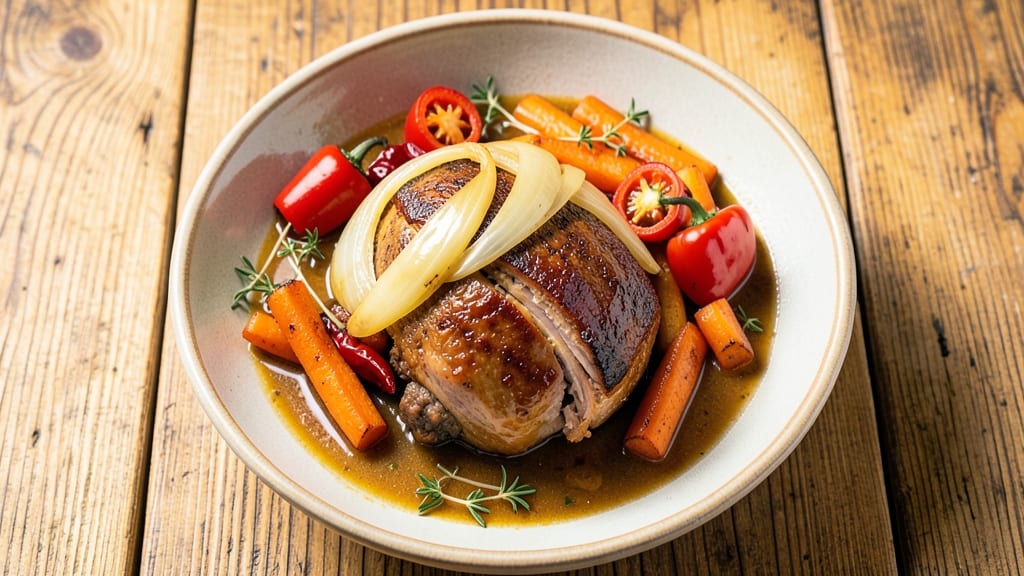
This Caribbean pork stew recipe transforms tough pork shoulder into melt-in-your-mouth tenderness with rum-infused richness and tamarind's signature tang. 🌟 The secret lies in slow-braised layers of Caribbean spices—allspice, thyme, and scotch bonnet—that develop deep, complex flavors over hours of simmering.
I've perfected this method after years of testing, ensuring every bite delivers that perfect balance of sweet, smoky, and slightly spicy notes that define island cooking.
The foundation starts with a proper sear—browning the pork deeply to build flavor before adding vegetables and spices. Tamarind paste creates that signature depth, while rum adds warmth and a subtle caramelized sweetness.
Unlike many stew recipes, this one uses a combination of tomatoes and coconut milk to create a velvety, well-rounded sauce that clings to every tender piece of pork. The slow cooking process transforms tough cuts into fork-tender meat that practically falls apart.
What you'll end up with is a rich, aromatic stew that's hearty enough for a family dinner but elegant enough for company. The flavors deepen as it sits, making it even more delicious the next day.
This is the kind of dish that brings people together—steaming bowls of stew passed around a table, everyone reaching for seconds. The pork absorbs all those incredible flavors, creating bites that are impossibly tender and packed with Caribbean character.
Serve it over steamed rice or with warm plantains to soak up every last drop of that flavorful sauce. The stew reheats beautifully, making it perfect for meal prep or feeding a crowd.
Trust me, once you taste this version, you'll never go back to basic pork stew again—it's a true taste of the Caribbean right in your own kitchen.
Ingredients for caribbean pork stew
Six ingredients transform tough pork into Caribbean melt-in-your-mouth magic—rum, tamarind, and slow-cooked spices do the work.
| Ingredient | Amount | Notes |
|---|---|---|
| Pork Shoulder 🍖 | 3 lb | Bone-in, cut into 2-inch chunks |
| Yellow Onion 🧅 | 1 whole | Chopped, medium size |
| Carrots 🥕 | 4 medium | Peeled, cut into chunks |
| Green Bell Pepper 🌶️ | 1 whole | Chopped, medium size |
| Scotch Bonnet Pepper 🌶️ | 1 whole | Seeded, chopped (adjust for heat) |
| Fresh Thyme 🌿 | 2 tbsp | Leaves only, chopped |
| Allspice Berries 🌶️ | 1 tsp | Crushed, whole berries |
| Ground Cumin 🌿 | 1 tsp | Toasted for depth |
| Garlic Cloves 🧄 | 6 cloves | Minced, fresh preferred |
| Tamarind Paste 🍯 | ½ cup | Or 1 tbsp tamarind pulp |
| Dark Brown Sugar 🍚 | 2 tbsp | Packed, for balance |
| Light Rum 🍹 | ½ cup | 180-proof preferred |
| Tomato Paste 🍅 | 2 tbsp | Squeeze tube works |
| Coconut Milk 🥥 | 1 can | Full-fat, 13.5 oz can |
| Vegetable Oil 🫒 | 2 tbsp | For searing |
| Salt 🧂 | 1 ½ tsp | Kosher or sea salt |
| Black Peppercorns 🌶️ | ½ tsp | Freshly cracked |
The pork shoulder is where this magic happens. Look for bone-in cuts at your local butcher—they stay juicier during the long cook. If you can't find bone-in, Costco or Walmart usually have pre-cut pork shoulder that works great. The rum? Bacardi or Captain Morgan are my go-tos, but any good dark rum will do. For the tamarind, Trader Joe's sells paste in tubes—game changer if you're not near an Asian market. The scotch bonnet? Wear gloves—it's hot stuff, and you don't want to burn your hands while chopping. If you can't find it, habanero at half the amount works in a pinch.
No tamarind paste? Lime juice plus a pinch of sugar mimics that tangy depth. Short on rum? Apple juice or even extra tomato paste adds sweetness without alcohol. The allspice berries are non-negotiable—they give that signature Caribbean warmth. Penzeys sells them whole if you want to crush your own, but pre-ground works too. For the coconut milk, full-fat only—it makes the sauce velvety. The tomato paste can be that squeeze tube from Trader Joe's—no waste, lasts forever. And if you're worried about the scotch bonnet heat, remove the seeds and membranes first—that's where most of the spice lives.
This stew tastes even better the next day—make extra. Store in an airtight container for 4-5 days in the fridge or freeze for 3 months. The flavors meld beautifully over time, so don't rush it. I like to portion it into containers with rice on the side—grab-and-go lunches for the week. The pork gets fork-tender, so if you're serving company, let it sit for 10 minutes after cooking—juices redistribute, and every bite is perfect.
Why You'll Love This Recipe
- One-Pot Magic: I swear by this—just dump everything into a pot, let it simmer, and walk away. No fancy techniques, no last-minute chopping frenzy. The pork shoulder practically melts itself, and the veggies soften into perfect bite-sized pieces without hovering over the stove.
- Scorch-Level Heat: That Scotch bonnet pepper isn’t just for show—it brings the heat in the best way. The slow cook turns it into a deep, smoky sweetness that lingers, while the bell pepper keeps it bright. Honestly? My picky eaters still ask for seconds, and they hate spice.
- Meal Prep MVP: This stew tastes better the next day, which means I make a double batch on Sundays. Reheat it for lunch, pack it for work, or freeze portions—it’s my go-to when I don’t want to think about dinner. The flavors only get richer, and the pork gets tenderer with time.
- Budget Stretch: Pork shoulder is cheap, and this recipe turns it into something luxurious. The onions and carrots bulk it up, so you’re feeding a crowd without breaking the bank. Between us? I’ve served this at potlucks, and no one ever guessed it was my secret for stretching a tight grocery budget.
Step-by-step instructions for Caribbean pork stew
This rum-infused stew delivers deep tamarind richness and smoky allspice warmth—let's build it layer by layer.
🔥 Step 1: Sear the Pork for Maximum Flavor
Heat the 2 tablespoons vegetable oil in a heavy Dutch oven over medium-high heat until shimmering. Working in batches if needed, add the 3 lb pork shoulder cut into 2-inch chunks and sear for 3-4 minutes per side until deeply browned. This step creates that irresistible crust that forms the stew's foundation.
Don't crowd the pan—give each piece room to develop color. As you sear, you'll smell the pork releasing its natural juices and fat. These golden-brown chunks will infuse the entire stew with their rich flavor. Once all pieces are seared, transfer them to a plate and set aside.
👨🍳 Step 2: Build the Aromatic Base
In the same Dutch oven, add the 1 whole chopped yellow onion, 4 medium peeled carrot chunks, 1 whole chopped green bell pepper, and 1 whole seeded, chopped Scotch bonnet pepper. Cook for 5-6 minutes until the vegetables begin to soften and the onions turn translucent.
Stir in the 6 minced garlic cloves, 2 tablespoons chopped fresh thyme, 1 teaspoon crushed allspice berries, and 1 teaspoon toasted ground cumin. Cook for another 1 minute until fragrant—this is where all the magic happens. The spices should be sizzling gently, filling your kitchen with warm, spicy aromas. Don't let them burn; they'll turn bitter if overcooked.
🍳 Step 3: Develop the Tamarind-Rum Sauce
Pour in the 0.5 cup light rum and scrape up any browned bits from the bottom of the pot with a wooden spoon. This deglazing step captures all that concentrated flavor. Let the rum simmer for 2-3 minutes until it reduces by half and the alcohol smell dissipates.
Stir in the 0.5 cup tamarind paste, 2 tablespoons dark brown sugar, and 2 tablespoons tomato paste. Cook for 2 minutes until the mixture thickens slightly and the tamarind dissolves completely. Here's the thing—tamarind has an acquired tangy-sweet flavor. If you're sensitive to its taste, you can reduce it to 2 tablespoons (but trust me, it balances the richness perfectly).
🥘 Step 4: Simmer the Stew to Perfection
Return the seared pork to the pot. Pour in 1 can full-fat coconut milk and add 1.5 teaspoons salt and 0.5 teaspoon freshly cracked black peppercorns. Stir gently to combine, then bring to a gentle simmer. Here's the critical part: cover the pot and reduce heat to low, then simmer for 2-2.5 hours until the pork is fork-tender.
Check occasionally and add ½ cup water if the stew becomes too thick. The pork is ready when it easily pulls apart with a fork and the sauce has thickened into a luscious, velvety consistency. Real talk: this is where patience pays off. The longer it simmers, the deeper the flavors meld together.
🍽️ Step 5: Finish and Serve with Confidence
Once the pork is tender, taste and adjust seasoning if needed. The stew should be balanced—sweet from the tamarind and brown sugar, tangy from the rum, and smoky from the allspice. If it needs more depth, add a pinch of salt or a splash more rum.
Ladle the stew into bowls and serve immediately with steamed rice or crusty bread. The aroma alone will have everyone gathering around the table. Each bite delivers layers of flavor: the tender pork, the creamy coconut, the bright heat from the Scotch bonnet, and that complex tamarind-rum depth. Don't skip the garnish—sprinkle with extra fresh thyme leaves for a pop of color and freshness.
Pro Tips For Making Caribbean Pork Stew
- Sear the Pork Shoulder Hard: Don’t just brown it—get those edges blackened in spots. I used to rush this, but now I crank the heat to medium-high and let it sit undisturbed for 3-4 minutes per side. That crust locks in flavor and keeps the meat from drying out later, especially when you’re simmering for hours.
- Dice the Scotch Bonnet Small: Tiny pieces, not chunks. I learned this the hard way—big pieces of Scotch bonnet make the stew taste uneven, with some bites too mild and others overwhelming. Aim for ¼-inch dice, and remove the seeds if you don’t want heat to dominate.
- Simmer Low and Slow: After the initial sear and sauté, drop the heat to a bare simmer—just enough to keep tiny bubbles breaking the surface. Too high, and the pork turns tough. Too low, and it never cooks through. I use a lid but crack it slightly to let steam escape, and check the heat every 15 minutes.
- Add Carrots Last: Toss them in 15 minutes before serving. Carrots release starch early, which can make the stew gluey if they cook too long. This keeps them tender-crisp and bright orange, not mushy. (Yes, even if you’re impatient like me.)
Serving suggestions for this caribbean pork stew
Classic Rice Pairings
Steamed white rice is the perfect canvas for this rich stew—its mild flavor lets the Caribbean spices shine. I always cook 2 cups jasmine or long-grain rice for 6 servings alongside the stew.
The rice soaks up the coconut milk and tamarind beautifully, creating a harmonious bite. For extra flavor, rinse the rice in cold water before cooking to remove excess starch. 🍚
For a more authentic touch, try Caribbean-style coconut rice. Cook the rice in 1 can coconut milk instead of water, adding ½ teaspoon turmeric and 1 cinnamon stick while simmering. The golden hue and subtle spice complement the stew perfectly.
Bread for Soaking
Crusty freshly baked bread transforms this stew into a comforting meal. I love serving it with warm plantain bread or focaccia—both absorb the sauce beautifully. For a quick option, toast sourdough or baguette slices until golden and serve alongside. The crispy crust contrasts wonderfully with the tender pork.
Pro tip: Tear the bread into chunks rather than slicing it—this makes it easier to scoop up every last drop of that flavorful sauce. If you're feeling fancy, brush the bread with garlic butter before toasting for an extra layer of flavor.
Plantain Perfection
Sweet fried plantains add a tropical touch that elevates this dish. Slice 2 ripe plantains into ½-inch thick rounds, then fry in 2 tablespoons oil over medium heat for 3-4 minutes per side until caramelized. Their natural sweetness balances the stew's tangy-sweet flavors beautifully. 🍌
For a healthier option, bake the plantains instead—brush with 1 tablespoon oil and bake at 400°F for 15 minutes. The result is a slightly crispy exterior with a soft interior that pairs perfectly with the stew's creamy texture.
Garnish Like a Pro
Fresh herbs and citrus brighten the dish visually and add a zesty contrast. Sprinkle each serving with chopped cilantro or scallions for a pop of color. A squeeze of lime juice right before serving enhances the tamarind's tang and cuts through the richness.
I also like adding toasted coconut flakes for extra texture.
For a showstopper presentation, arrange the stew in a deep bowl and top with a dollop of crème fraîche or Greek yogurt. The cool creaminess balances the spicy heat and adds a luxurious finish.
Nutrition facts
Frequently asked questions
Can I substitute bone-in pork shoulder for boneless?
Yes, but boneless pork shoulder will cook faster and may dry out slightly. If using boneless, reduce the cooking time by 20-30 minutes and check for tenderness at 1.5 hours. The bone-in version stays juicier during the long simmer, but boneless works well if you prefer convenience.
How do I adjust the heat level with scotch bonnet?
Remove seeds and membranes first to reduce heat—this is where most of the spice lives. For milder heat, use ½ a pepper or swap for 1 habanero (seeded). If you love spice, keep the seeds but wear gloves! The rum and coconut milk help balance the heat beautifully.
Can I make this in a slow cooker?
Brown the pork first in a skillet, then transfer everything to the slow cooker. Cook on low for 6-7 hours or high for 4 hours. The slow cooker's gentle heat enhances the pork's tenderness and lets flavors meld perfectly. Just add ½ cup water if the stew gets too thick.
What's the best way to reheat leftovers?
Gently reheat on the stovetop over low heat with a splash of water or coconut milk to prevent drying. Microwave reheating works too—cover with a damp paper towel and heat in 1-minute intervals. The stew tastes even better the next day as flavors deepen!
Can I make this vegetarian?
Not traditionally, but you can create a similar flavor profile with jackfruit or mushrooms as the base. Use the same spice blend and coconut milk, then simmer for 1 hour instead. The tamarind-rum sauce will still shine, though the texture will differ from pork's tenderness.