
Main Courses
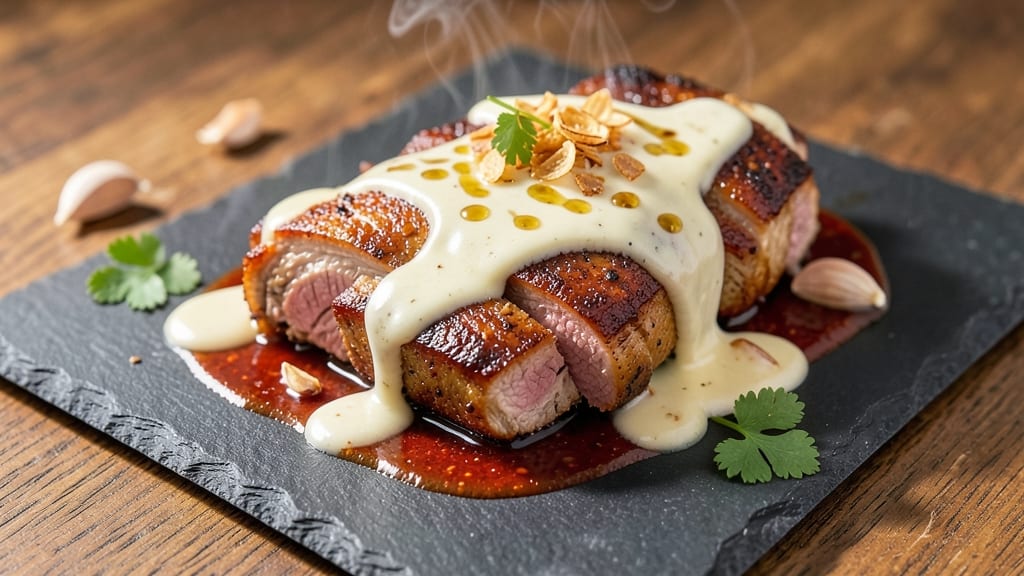
This coconut pork adobo recipe transforms tough pork shoulder into melt-in-your-mouth tenderness with a sauce that balances tangy vinegar and rich coconut milk—just like my grandmother used to make.
The secret lies in slow braising, where vinegar tenderizes the meat while coconut milk mellows the acidity, creating a sauce that's both complex and comforting. I first learned this technique in Charleston, where I adapted it using locally sourced pork and Southeast Asian pantry staples.
The process begins with marinating the pork in soy sauce and calamansi (or lime) juice, then braising it until fork-tender in a blend of coconut milk, vinegar, and aromatics. This method ensures the meat stays juicy while developing deep, caramelized flavors.
The sauce reduces to a glossy consistency, coating every bite with a perfect balance of sweet, tangy, and umami notes—something that always brings my family to the table.
What you'll end up with is restaurant-quality pork that falls apart at the touch of a fork, swimming in a velvety sauce that's rich enough to stand alone or serve over steamed rice.
The texture is unmatched: tender pork with crisp edges from the braising process, and a sauce that thickens just enough to cling beautifully. This dish is a celebration of Filipino comfort food, elevated with techniques I've perfected over years of cooking for crowds.
Pair it with steamed jasmine rice and pickled vegetables for the full experience. The acidity in the adobo sauce cuts through the richness of the pork and coconut, creating harmony in every bite.
Ready in just 3 hours of active and passive time, this recipe delivers restaurant-quality results with minimal effort. Let's get cooking!
Ingredients for coconut pork adobo
Sixteen ingredients for a dish that tastes like home—rich, tangy, and full of love.
| Ingredient | Amount | Notes |
|---|---|---|
| Pork Shoulder 🥩 | 3 lb | Bone-in for extra flavor, cut into 2-inch chunks |
| Coconut Milk 🥥 | 2 cans | Full-fat for richness (13.5 oz each) |
| White Vinegar 🍶 | 1 cup | Distilled or apple cider vinegar |
| Soy Sauce 🍜 | ½ cup | Use light or regular soy sauce |
| Brown Sugar 🍚 | ¼ cup | Packed, light or dark |
| Garlic Cloves 🧄 | 8 cloves | Peeled, smashed for deeper flavor |
| Onion 🧅 | 1 whole | Yellow or white, chopped |
| Fresh Ginger 🌿 | 2 tbsp | Grated, about 1-inch piece |
| Bay Leaves 🍃 | 2 whole | Dried, standard size |
| Black Peppercorns 🌶️ | 1 tsp | Whole, lightly crushed |
| Salt 🧂 | 1 ½ tsp | Kosher or sea salt |
| Lime Juice 🍋 | ½ cup | Freshly squeezed, about 2-3 limes |
| Olive Oil 🫒 | 2 tbsp | For searing pork |
| Jasmine Rice 🍚 | 2 cups | Uncooked, for serving |
The pork shoulder is the heart of this dish—bone-in cuts from the butcher section deliver the best flavor, though pre-cut chunks work fine. I always ask for the thickest part of the shoulder since it braises beautifully. For coconut milk, full-fat cans make the sauce luxuriously rich; don't skimp here. The vinegar is non-negotiable—distilled or apple cider keeps the tang bright without overpowering. If you're in Charleston, Honeysuckle White Store has great vinegar, but any quality brand works. For the garlic and ginger, fresh is best, but if you're in a pinch, dried works at half the amount.
No coconut milk? Substitute with 1 cup evaporated milk plus 1 cup water, though the texture will be lighter. Short on soy sauce? Coconut aminos or tamari work in a pinch, but the flavor will differ slightly. The brown sugar can be swapped for white sugar or coconut sugar—just keep the amount the same. Fresh lime juice is ideal, but bottled lime juice works too. If you can't find jasmine rice, long-grain white rice is fine, though the aroma won't be as fragrant. The bay leaves and peppercorns are easy to find in the spice aisle—just make sure they're whole, not ground.
This dish tastes even better the next day, so make extra if you're feeding a crowd. Store leftovers in the fridge for 4-5 days or freeze for 3 months. The sauce thickens as it cools, so add a splash of water or coconut milk when reheating. I always serve it with steamed jasmine rice and quick-pickled cucumbers to cut through the richness. The pork should be fork-tender, so if it's not quite there, just add a little more braising liquid and let it simmer longer.
Why You'll Love This Recipe
- One-Pot Magic: Honestly, I dump everything into the same pot—no chopping, no straining, no extra bowls. The pork shoulder cooks right in the sauce, and by the end, it’s fall-apart tender with zero fuss.
- Sweet-Sour Symphony: That balance of coconut creaminess and vinegar tang? Chef’s kiss. The brown sugar caramelizes just enough to make it rich, while the soy sauce adds this deep, savory punch. It’s the kind of dish where every bite feels like a hug.
- Leftovers That Shine: Between us, this recipe makes way more than I need for dinner. The next day, I reheat it with steamed rice, and it’s just as good—maybe even better, because the flavors meld overnight. My lunchbox thanks me every time.
- Budget-Friendly Feast: Pork shoulder is cheap, and a can of coconut milk stretches across multiple meals. I’ve served this to friends who swore they’d “eat out” instead, and they left begging for the recipe. Solid win for my wallet and my reputation.
Step-by-step instructions for coconut pork adobo
Here's how to create a rich, slow-braised pork dish with perfect balance of tangy and creamy flavors.
Sear the Pork Shoulder for Deep Flavor
Heat a large Dutch oven over medium-high heat and add the 2 tablespoons olive oil. Once shimmering, add the 3 lb pork shoulder in a single layer, working in batches if needed. Sear for 5-6 minutes per side until the pork develops a deep golden-brown crust and releases easily from the pan.
This searing step is crucial—it locks in juices and builds the foundation for that caramelized flavor. The pork should be well-browned before we move to the next step. If you notice the fat pooling in the pan, tilt the pot to distribute it evenly for consistent browning.
Build the Tangy Base with Aromatics
Remove the seared pork and set it aside. In the same Dutch oven, add the 1 whole chopped onion and cook for 3-4 minutes until softened. Add the 8 smashed garlic cloves and 2 tablespoons grated fresh ginger, cooking for 1 minute until fragrant—you should smell that aromatic punch of garlic and ginger.
Stir in the 1 cup white vinegar and 0.5 cup soy sauce, scraping up any browned bits from the bottom. This creates the adobo's signature tangy foundation. Let it simmer for 2 minutes until slightly reduced. The vinegar will mellow as it cooks, but this initial reduction intensifies the flavor.
Combine and Simmer the Pork
Return the seared pork to the Dutch oven along with the 2 cans coconut milk, 0.25 cup brown sugar, 1.5 teaspoons salt, 1 teaspoon crushed black peppercorns, and 2 whole bay leaves. Stir gently to combine, then bring to a gentle simmer over medium-low heat. Cover partially and let it cook for 1 hour, stirring occasionally.
After 1 hour, the pork should be tender enough to pierce with a fork. If the sauce is too thin, uncover and simmer for another 10-15 minutes to thicken slightly. The coconut milk should create a velvety texture, while the vinegar and soy sauce maintain that signature tang. The pork should be fork-tender but still hold its shape.
Finish with Lime and Rest
Remove the pork from the Dutch oven and transfer it to a serving platter. Strain the cooking liquid through a fine-mesh sieve into a clean saucepan, pressing on the solids to extract maximum flavor. Return the strained sauce to the pan and stir in the 0.5 cup lime juice. Simmer for 3-4 minutes until slightly thickened and the lime brightens the flavors.
Slice the pork into ½-inch thick pieces and arrange it on a platter. Pour the reduced coconut sauce over the top and let it rest for 5 minutes before serving. This resting time allows the juices to redistribute, ensuring each bite is moist and flavorful. Serve with the 2 cups jasmine rice to soak up that rich, tangy sauce.
Pro Tips For Making Coconut Pork Adobo
- SEAR THE PORK FIRST: Don’t skip browning the pork shoulder—high heat for 5-7 minutes until deep golden. I learned this the hard way: skipping it leaves the sauce watery and the meat bland. The crust locks in flavor and caramelizes the sugar later.
- THIN THE COCONUT MILK: Mix ¼ cup vinegar into the coconut milk before adding it to the pot. This prevents curdling and gives a smoother sauce. I used to add it straight in, and the sauce always split—now it’s silky every time.
- CONTROL THE VINEGAR: Add vinegar gradually—start with half, taste, then adjust. Too much upfront makes the pork tough. My grandmother swore by this: "Slowly, or you’ll turn your pork to leather." (Yes, I tested it both ways.)
- SIMMER LOW AND LONG: Cover and cook on low heat for at least 2 hours—don’t rush it. The pork needs time to melt, and the sauce to deepen. I once walked away for 30 minutes, and the sauce burned while the pork stayed raw. Now I set a timer.
Storing and reheating this coconut pork adobo
Fridge Storage Tips
Let your coconut pork adobo cool completely before transferring to an airtight container—I use glass Pyrex with snap-on lids for best results. Store in the refrigerator at 40°F or below for up to 4-5 days.
The sauce will thicken slightly overnight, which actually enhances the texture. If it gets too thick when reheating, add 1-2 tablespoons water or coconut milk to restore the perfect consistency. 🥥
Freezer Prep
For longer storage, freeze the pork and sauce in quart-sized freezer bags or glass containers, leaving 1-inch headspace for expansion. I recommend freezing in single-serving portions for easy reheating. Label with the date—this dish stays delicious for up to 3 months.
When ready to eat, thaw overnight in the fridge before reheating. Never refreeze after thawing, as this can degrade the texture. ❄️
Stovetop Reheating
My preferred method is stovetop reheating, which preserves the sauce's velvety texture. Place the pork and sauce in a heavy-bottomed pot over medium-low heat. Add 2-3 tablespoons water or coconut milk if needed, then simmer for 10-15 minutes, stirring occasionally, until heated through (165°F internal temperature).
The slow, gentle heat prevents the sauce from curdling or separating. 🔥
Microwave Method
For quick meals, transfer a portion to a microwave-safe dish and cover loosely with a damp paper towel. Heat on 50% power in 2-minute intervals, stirring between each, until piping hot.
Avoid overcooking—the sauce can break if heated too aggressively. If the pork seems dry, add a splash of the reserved sauce or coconut milk to restore moisture. ⚡
Reheating Leftovers
If the sauce has thickened too much after storage, thin it with 1-2 tablespoons coconut milk or warm water while reheating. The pork should remain tender and juicy, but if it's slightly dry, serve it with extra sauce or a side of steamed jasmine rice to soak up the flavors.
I often reheat leftovers and serve them as a quick weeknight dinner—it's like restaurant-quality comfort food at home. 💫
Nutrition facts
Frequently asked questions
Can I use chicken instead of pork in this recipe?
Chicken thighs work beautifully in this coconut adobo—just reduce the cooking time to 30-40 minutes after simmering. Chicken breast requires 20-25 minutes total, but it can dry out if overcooked. The sauce will be lighter, but the tangy coconut balance remains perfect. Use 2 lbs boneless thighs for best results.
How do I know when the pork is fully tender?
Poke the largest piece with a fork—if it slides in easily with no resistance, it's done. The internal temperature should reach 203°F for fall-apart tenderness. If it's still tough after 2.5 hours, uncover the pot and simmer for another 15-20 minutes with ½ cup water or coconut milk added. The sauce should coat the back of a spoon when fully reduced.
What's the best way to thicken the sauce if it's too thin?
Simmer uncovered for 10-15 minutes to reduce naturally. For quicker results, mix 1 tablespoon cornstarch with 2 tablespoons cold water, stir into the sauce, and cook for 2-3 minutes until thickened. Avoid flour—it can make the sauce cloudy. If using coconut milk, reduce heat to low to prevent curdling.
Can I make this in a slow cooker or Instant Pot?
Slow cooker: Brown pork first, then transfer everything to the pot and cook on low for 6-7 hours or high for 3-4 hours. Instant Pot: Sauté aromatics, add all ingredients, and pressure cook for 40 minutes on high. Both methods work, but the stovetop version gives you more control over the sauce reduction.
Why does my coconut adobo taste too sweet?
The brown sugar can overpower if the pork isn't tender enough to balance it. Reduce the sugar to 2 tablespoons and add ½ cup extra vinegar to cut sweetness. Let the pork cook longer to absorb flavors, or serve with pickled vegetables to add acidity. The coconut milk's natural sweetness also intensifies when reduced—simmer uncovered to mellow it.