
Main Courses
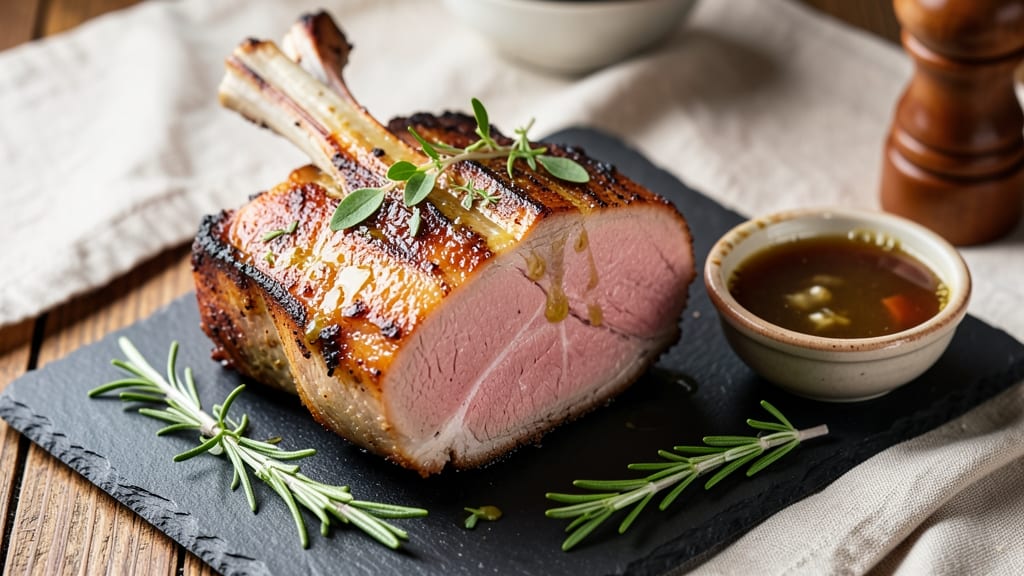
This carnivore diet pork loin recipe delivers the perfect balance of seared crust and juicy center—no carbs, no vegetables, just pure, unadulterated pork. 🔥 After years of perfecting pork loin for the strictest carnivore diets, I've cracked the code for achieving that coveted restaurant-quality texture without a single non-meat ingredient. The secret lies in high-heat searing followed by precise internal temperature control, ensuring every bite is tender and flavorful.
What sets this recipe apart is the simplicity of the approach—just pork, salt, and high heat. No complicated marinades, no sugar-laden rubs, and absolutely no fillers. The key technique involves starting with a cold pan to render fat slowly, then cranking up the heat to create that signature crust.
This method preserves all the natural juices while developing deep, savory flavors that carnivore dieters crave.
By the time you're done, you'll have a perfectly cooked pork loin with a golden-brown crust that shatters at the touch and a center that's impossibly tender. The internal temperature of 145°F ensures food safety while maintaining that ideal texture.
Resting the meat properly allows the juices to redistribute, guaranteeing every slice is moist and delicious.
Serve this pork loin as the centerpiece of your carnivore meal alongside bone broth, fried eggs, or a simple cheese side. The beauty of this recipe is its versatility—it works equally well for a quick weeknight dinner or a special carnivore-friendly gathering.
Here's how to achieve that perfect sear and juicy center every time.
Ingredients for carnivore diet pork loin
Just three ingredients transform raw pork into carnivore perfection—juicy, crusty, and utterly satisfying.
| Ingredient | Amount | Notes |
|---|---|---|
| Bone-In Pork Loin 🐖 | 2 lb | Center-cut, 1.5-2 inches thick |
| Kosher Salt 🧂 | 1 ½ tsp | Diamond Crystal preferred |
| Avocado Oil 🫒 | 2 tbsp | High smoke point for searing |
| Bone Broth 🍲 | ½ cup | Homemade or high-quality store-bought |
| Meat Thermometer 🌡️ | 1 whole | Instant-read, 0-300°F range |
| Baking Sheet 🍳 | 1 whole | Heavy-duty, for resting meat |
| Aluminum Foil 📄 | 1 sheet | Heavy-duty, for tenting |
The pork loin is non-negotiable here. Look for bone-in, center-cut—the bone adds flavor, and the center-cut ensures even cooking. Costco or local butchers often carry the best quality, but the regular supermarket section works too. Thickness matters: aim for 1.5-2 inches thick for that perfect crust-to-juice ratio. Pat it dry before cooking—moisture is the enemy of a good sear. If you're unsure about the cut, ask the butcher for 'pork loin roast'—it's usually the same thing.
No avocado oil? Grapeseed or refined coconut oil works just as well—high smoke point is key. The bone broth isn't just for flavor; it's your secret weapon for keeping the meat moist during the high-heat sear. Homemade is ideal, but Kettle & Fire or Pacific Foods brands are solid store-bought options. The meat thermometer is your best friend—instant-read with a 0-300°F range ensures you nail that 145°F internal temp every time. No thermometer? Cut into the thickest part—if it's opaque with clear juices, it's done. And for the love of meat, don't skip the salt. Kosher salt dissolves better than table salt, giving you that perfect crust.
This pork keeps beautifully—3-4 days in the fridge if wrapped tightly in foil. For leftovers, reheat in a 350°F oven for 10-15 minutes, covered loosely, until it hits 165°F internally. Freezing? Slice first, then freeze—thaws faster and reheats perfectly. The crust gets crispy again when reheated, so don't worry about it softening. Pro tip: Portion into single servings before freezing for easy carnivore lunches. And if you're serving a crowd, double the recipe—this pork feeds 6-8 with ease.
Why You'll Love This Recipe
- Foolproof Timing: I swear by the meat thermometer here—no guessing, just perfect pink every time. That bone broth basting? It’s the secret to juicy pork without the fuss.
- Rich, Simple Crisp: Avocado oil sears the pork to golden perfection while keeping it tender inside. Honestly, the flavor is all in the salt and the slow cook—no fancy rubs needed.
- Leftovers That Work: This roast feeds my family for days, and the slices reheat beautifully. Between us, I’d rather have extra pork than extra cleanup.
- Budget-Friendly Protein: Bone-in pork loin stretches further than you’d think, and bone broth adds depth without costing a fortune. It’s my go-to when I need solid, satisfying meals.
Step-by-step instructions for carnivore diet pork loin
This method delivers a perfect sear with a juicy center—no carbs, no shortcuts, just pure carnivore perfection.
🔥 Step 1: Sear the Pork Loin to Build Crust and Flavor
Pat the 2 lb bone-in pork loin completely dry with paper towels—this is non-negotiable for that golden crust. Heat the baking sheet in the oven at 450°F for 10 minutes while you prep.
Place the pork loin on a cutting board and season both sides generously with the 1.5 tsp kosher salt, pressing it into the meat so it adheres. Heat 2 tbsp avocado oil in a large cast-iron skillet over medium-high heat until it shimmers. Sear the pork for 4-5 minutes per side until deep golden brown with a crust forming. Here's the thing—don't move it around too much. You want that fat to render and create maximum flavor.
🥘 Step 2: Create the Moisture Trap for Juicy Perfection
Once seared, transfer the pork loin to the preheated baking sheet. Pour the 0.5 cup bone broth into the skillet and scrape up all those delicious browned bits from the bottom. This is called deglazing, and it captures all the meaty flavor you worked so hard to create.
Carefully pour this flavorful broth over the pork loin, then tent it loosely with the aluminum foil. This creates a moisture trap that keeps the meat juicy while it finishes cooking. The foil should be close but not touching the meat—you want steam circulation, not a sauna.
⏰ Step 3: Finish in the Oven for Even Doneness
Return the baking sheet to the oven and reduce heat to 325°F. Insert the meat thermometer into the thickest part of the pork loin, avoiding the bone. Cook until the internal temperature reaches 140-145°F—this is the carnivore-friendly range where the meat stays juicy without being undercooked.
This should take about 30-40 minutes, but don't rush it. The pork needs time to cook evenly through. Real talk: If you check too early, you'll lose heat and steam, which means dry meat. Trust the thermometer over time estimates—it's the only way to get this right every time.
🍽️ Step 4: Rest and Slice for Maximum Juiciness
Remove the pork loin from the oven and let it rest for 10-15 minutes before slicing. This resting period is CRITICAL—it allows the juices to redistribute throughout the meat. If you skip this, you'll end up with dry slices that pool all their moisture on your plate.
Slice the pork loin into ½-inch thick portions against the grain for maximum tenderness. Each slice should be juicy with a crispy crust that practically shatters between your teeth. Serve immediately while still warm—this is when all the flavors are at their peak. The bone broth basting ensures every bite stays moist, even as it cools slightly.
Pro Tips For Making Carnivore Diet Pork Loin
- SEAR UNTIL BROWN: Bone-in pork loin won’t caramelize like a boneless cut, but if you crank the avocado oil to medium-high and let those fat caps render for 3-4 minutes per side, you’ll get a flavor boost that bone broth alone can’t match. I used to rush this—now I wait for the crust to darken before even thinking about adding liquid.
- SALT THE BONE: Pack that kosher salt into the bone cavity and under the fat cap where it’ll dissolve into the meat as it cooks. Skip the surface sprinkle—it’ll just burn off. My first attempt left me wondering why the inside tasted bland.
- LOW AND SLOW WITH BROTH: After searing, reduce heat to 275°F (135°C) and pour in just enough bone broth to come halfway up the meat—no need to drown it. The high fat content means you don’t need much liquid, and this keeps the pork tender without steaming it dry.
- REST BEFORE SLICING: Pull the pork at 140°F (60°C) internal—yes, it’ll keep rising to 145°F—but tent it with foil and let it sit for 10 minutes. Cutting into it hot turns juicy meat into sad, stringy slices. I learned this after serving my first overcooked carnivore meal.
Troubleshooting this recipe
Uneven Cooking
If your pork loin emerges with some parts overcooked and others underdone, it’s likely due to inconsistent heat distribution.
I’ve seen this happen when the pan isn’t hot enough during the sear or when the oven isn’t preheated properly. Solution: Always use a cast-iron skillet—it retains heat better than stainless steel.
Preheat your oven to 450°F for at least 10 minutes before searing, and let the pan get smoking hot before adding the pork. For thicker cuts, consider brining for 30 minutes in 1 cup saltwater to help even out cooking. 🌡️
Dry or Tough Meat
Dry pork loin usually means you skipped the resting step or overcooked it. The 145°F internal temp is your target—any higher, and the meat tightens up, squeezing out juices. Solution: If you’re worried about doneness, pull it out at 140°F and let it rest for 15 minutes.
The residual heat will carry it to 145°F while keeping it moist. Also, avoid cutting into it early—patience here is key. I’ve had carnivore dieters swear by a 10-minute rest in a warm towel to lock in juices. 💧
Weak or Broken Crust
A crust that shatters is the goal, but sometimes it turns out soft or breaks apart when slicing. This happens when the meat isn’t dry enough before searing or when the pan isn’t hot enough. Solution: Pat the pork extra dry with paper towels—no moisture allowed.
Use avocado oil (or grapeseed) and heat the pan until it’s ripping hot before adding the meat. For extra crispiness, sear the edges of the pork loin for an additional 2 minutes after flipping. 🔥
Bone Broth Not Adding Flavor
If your bone broth seems to disappear without adding much taste, it’s likely because the pork wasn’t seared long enough to create those browned bits (fond). Solution: Sear the pork until deeply browned—almost black in spots—before deglazing.
Use homemade bone broth if possible, as store-bought versions can be watered down. For extra depth, add 1 tsp fish sauce to the broth before pouring it over the pork. Trust me, it makes a difference. 🍲
Pork Sticking to the Pan
If your pork is fighting you every time you flip it, the pan isn’t hot enough or the meat isn’t dry. Solution: Heat the pan until the oil shimmers and dances before adding the pork.
If it’s sticking, don’t force it—let it cook longer on the first side to build a crust before flipping. A well-seasoned cast-iron skillet helps too.
I’ve had carnivore dieters swear by a light dusting of flour (if you’re not strict) to help with release, but I stick to oil for pure carnivore compliance. ⚡
Nutrition facts
Frequently asked questions
Can I use pork loin without the bone for this recipe?
Yes, but there are trade-offs. Boneless pork loin will cook faster and may dry out more easily since it lacks the bone's natural insulation. If you choose boneless, reduce the oven temperature to 300°F after searing and cook until it hits 140°F—it'll carry to 145°F while resting. The bone adds flavor and helps retain moisture, so I recommend sticking with bone-in for best results.
How do I adjust this recipe for a strict carnivore diet with no salt?
For a zero-salt version, skip the kosher salt entirely and focus on the searing technique. The high heat will create a natural crust through the pork's own juices. Deglaze with bone broth and let those browned bits add flavor instead. If you tolerate minimal seasoning, a pinch of fish sauce in the broth can enhance umami without breaking strict carnivore rules.
What's the best way to reheat leftovers without drying them out?
Slice the pork loin first, then reheat portions in a 350°F oven for 10-12 minutes on a wire rack over a baking sheet. The airflow prevents sogginess, and the crust stays crispy. For microwave reheating, cover with a damp paper towel and heat in 30-second bursts until it reaches 165°F internally. Never reheat in liquid—it turns the meat to mush.
Can I substitute butter for avocado oil in the searing step?
Butter has a lower smoke point (350°F) and burns easily, which can make your crust bitter. For best results, stick with avocado or grapeseed oil. If you're set on butter, use it only for the last 1 minute of searing after building the crust with oil. The butter will add richness but won't create that perfect golden-brown crust.
How do I know when my pork loin is fully rested?
Look for these signs: The internal temperature should stabilize at 145°F (use your thermometer to check), and the juices should run clear when you pierce the thickest part with a knife. The meat should feel firm but still slightly springy to the touch. If you're unsure, wait 15 minutes—better to over-rest than under-rest.