
Main Courses
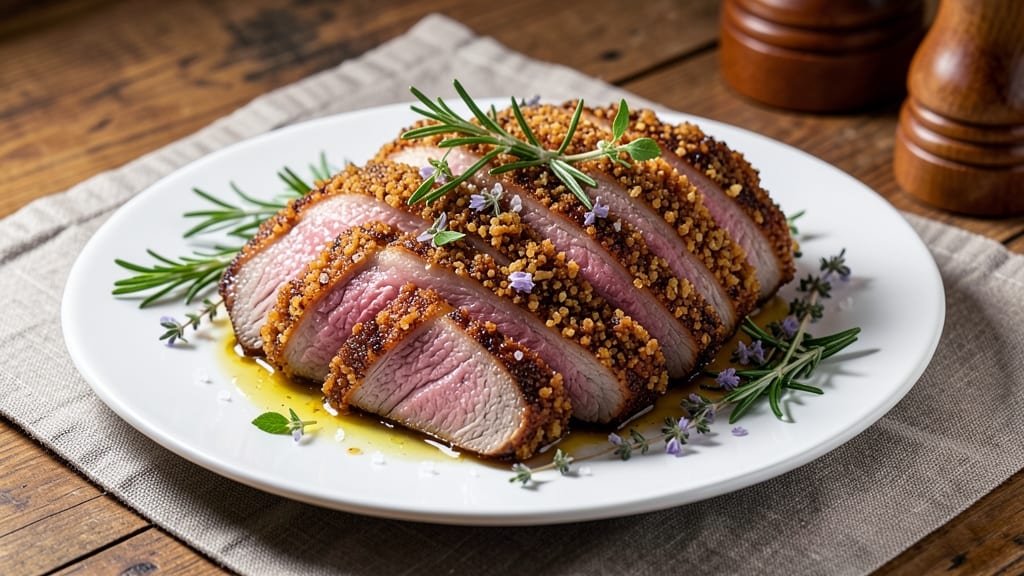
This crusted pork loin roast recipe delivers the perfect marriage of crispy, golden crust and impossibly tender meat—exactly what elevates weeknight dinners to restaurant-worthy status. 🔥 As someone who's cooked thousands of pounds of pork, I can tell you the secret lies in the crusting technique: a blend of panko, herbs, and spices that locks in moisture while creating that coveted crunch.
The result? A roast so juicy it practically melts in your mouth, with a crust that shatters at every bite.
What sets this recipe apart is the balance of simplicity and professional technique. You'll start with a simple seasoning blend—just salt, pepper, and garlic powder—but the magic happens when we sear the roast in a hot pan before roasting.
This creates a deep, caramelized crust that's impossible to resist. The internal temperature method ensures perfect doneness every time, with no guesswork. No fancy equipment needed, just a good cast iron skillet and your oven.
By the time you're done, you'll have a showstopping centerpiece that looks as impressive as it tastes—golden-brown crust contrasting with tender pink meat. The aroma alone will have everyone gathering at the table, and the first bite will silence any doubts about cooking pork at home.
This is the kind of dish that makes you feel like a chef, even on a regular night.
Pair it with roasted root vegetables or a crisp apple salad for a complete meal that's both elegant and satisfying. The best part? Leftovers reheat beautifully, making this the ultimate meal-prep-friendly roast. Let's get cooking—your taste buds won't know what hit them.
Ingredients for crusted pork loin roast
Crispy crust meets melt-in-your-mouth pork perfection—just these 12 game-changing ingredients transform a simple roast into a showstopper.
| Ingredient | Amount | Notes |
|---|---|---|
| Pork Loin Roast 🐖 | 2 lb | Bone-in for flavor, trimmed of fat |
| Japanese Panko Breadcrumbs 🍞 | 1 cup | Light and crispy for perfect crust |
| Fresh Rosemary 🌿 | ¼ cup | Finely chopped, stems removed |
| Fresh Thyme Leaves 🌿 | ⅛ cup | Or 1 tbsp dried thyme |
| Garlic Powder 🧄 | 1 tbsp | Freshly ground preferred |
| Kosher Salt 🧂 | 1 ½ tbsp | Diamond Crystal preferred |
| Ground Black Pepper 🌶️ | ½ tbsp | Freshly cracked for best flavor |
| Unsalted Butter 🧈 | ¼ cup | Cold and cubed for searing |
| Olive Oil 🫒 | 2 tbsp | Extra-virgin for high heat |
| Apple Cider Vinegar 🍎 | 1 tbsp | For tenderizing before sear |
| Honey 🍯 | 1 tbsp | For glaze finish (optional) |
| Mustard Seeds 🌾 | ½ tsp | Toasted for extra flavor |
The pork loin is your star—bone-in for flavor, 2 lbs gives you perfect portions. Grab it from the butcher counter if possible; they'll trim it just right. Costco or Whole Foods carry excellent quality, but any grocery store's pork loin works. Look for good marbling—it's what keeps the meat juicy. The panko? Japanese-style is non-negotiable here; regular breadcrumbs get soggy. I always buy the Kirkland Signature brand at Costco—it's the gold standard for crusting. Fresh herbs are worth the splurge, but dried works in a pinch if you're in a hurry.
No panko? Crushed cornflakes or matzo meal work surprisingly well—they're both crispy and absorb moisture. Fresh rosemary too expensive? Dried at half the amount still packs flavor. The butter needs to be cold—pull it from the fridge 20 minutes before cooking. For extra tenderness, let the roast sit in the vinegar for 15 minutes before searing. And that honey glaze? Maple syrup works too—just reduce the amount slightly. The mustard seeds? Toast them in a dry pan for 30 seconds—they'll add a nutty depth that takes this from good to restaurant-quality.
This roast reheats like a dream—350°F for 10 minutes with a splash of water keeps it juicy. Store it wrapped in foil for 3-4 days in the fridge, or freeze for up to 3 months. I always make double batches because leftovers make the best sandwiches. The crust gets softer when reheated, so save a little for topping burgers or salads. And that vinegar marinade? Save it—it's perfect for basting while roasting.
Why You'll Love This Recipe
- One-Pan Wonder: I swear by this for lazy Sundays—just season the pork, slap on the panko-herb crust, and let the oven do the work. No chopping veggies, no extra pans, just golden perfection with zero fuss.
- Crispy-Creamy Magic: That panko crust gives you everything—crunchy exterior, juicy center—and the rosemary and thyme? They turn a simple roast into something that tastes like a fancy bistro dish. Honestly, I’ve had people ask if I spent hours on it.
- Weeknight to Dinner Party: Same recipe, totally different vibes. Weeknights? Slice it thin for sandwiches. Hosting? Serve it whole with a red wine reduction. My husband’s coworkers still talk about the version I brought to his work holiday party—no one guessed it was the same effortless roast.
- Leftovers That Don’t Suck: Most pork roasts dry out by day two, but this one? Stays moist and even better reheated. I’ll be real: my kids actually ask for it the next day, and I’ve turned cold slices into tacos, fried rice, and even a pasta bake—zero waste, maximum flavor.
Step-by-step instructions for crusted pork loin roast
Here's how to transform a simple pork loin into a restaurant-worthy centerpiece with a crispy crust and melt-in-your-mouth center.
👨🍳 Step 1: Prep the Pork with Vinegar Marinade
Place the 2 lb pork loin roast in a shallow dish and pour 1 tablespoon apple cider vinegar evenly over all sides. Let it sit uncovered in the refrigerator for 30 minutes—this tenderizes the meat and creates a perfect canvas for the crust. The vinegar will make the surface slightly sticky, which helps the crust adhere better later.
While it marinates, toast the 0.5 teaspoon mustard seeds in a dry skillet over medium heat for 1-2 minutes until fragrant and lightly golden. Let them cool completely before using—they'll add a subtle nutty depth to your crust. This is where the magic starts!
🍳 Step 2: Build the Herb Crust Mixture
In a large bowl, combine the 1 cup Japanese Panko breadcrumbs, 0.25 cup fresh rosemary, 0.125 cup fresh thyme leaves, 1 tablespoon garlic powder, 1.5 tablespoons kosher salt, and 0.5 tablespoon ground black pepper. Mix thoroughly until the herbs are evenly distributed throughout the breadcrumbs—this ensures every bite gets that herby punch.
Add the toasted mustard seeds to the mixture and toss again. The Panko should look like it's coated in a vibrant green-gold dust. Here's the thing—don't skip the fresh herbs if you can get them. Dried herbs work in a pinch, but fresh gives that bright, aromatic flavor that makes this crust truly special.
🔥 Step 3: Sear the Pork to Lock in Juices
Pat the pork completely dry with paper towels—this is CRITICAL for that crispy crust. Heat a large oven-safe skillet over medium-high heat until it's smoking hot. Add 2 tablespoons olive oil and 0.25 cup unsalted butter, letting it melt and foam for 1 minute.
Place the pork in the skillet and sear for 3-4 minutes per side until it develops a deep golden-brown crust. Press down gently on the pork with a spatula during the first minute—this prevents it from curling and ensures even contact with the pan. The butter should bubble vigorously and create a beautiful foam around the edges.
🥘 Step 4: Crust and Roast to Perfection
Remove the pork from the skillet and place it on a cutting board. Immediately press the herb crust mixture evenly over all sides, packing it firmly so it sticks. Return the pork to the skillet and transfer everything to a preheated 400°F oven. Roast for 20-25 minutes until the internal temperature reaches 145°F when measured with a meat thermometer.
Here's where it gets exciting—the crust should turn a rich, golden brown with crispy edges. If you notice it browning too quickly, tent loosely with foil to prevent over-browning while still allowing the meat to cook through. The pork is done when it's juicy inside but has that perfect crunchy exterior.
⏰ Step 5: Glaze and Rest for Maximum Juiciness
Remove the pork from the oven and brush all sides with the 1 tablespoon honey (if using). Return it to the oven for 2-3 minutes to caramelize the glaze slightly. This step adds that beautiful glossy finish and balances the savory crust with a touch of sweetness.
Transfer the pork to a cutting board and let it rest for 10-15 minutes before slicing. This resting period is non-negotiable—it allows the juices to redistribute throughout the meat so every slice is moist and flavorful. The crust will stay crispy while the meat becomes even more tender. Slice against the grain for the most tender eating experience!
Pro Tips For Making Crusted Pork Loin Roast
- SEAR THE CRUST FIRST: Hit the pork loin with a screaming-hot pan—no oil needed—until it’s deep golden in spots before adding the panko. I learned this the hard way: skipping the sear means the crust sticks to the pan instead of the meat. Once browned, transfer to a rack in a roasting pan for even airflow.
- DRY THE PORK LOIN: Pat the meat thoroughly with paper towels—wet surfaces mean soggy crusts. I used to rush this, and the panko would clump like wet sand. Take 10 minutes, get it bone-dry, and your crust will crisp up perfectly.
- USE COLD PANKO: Chill the Japanese panko in the fridge for 30 minutes before coating. Cold panko clings better and toasts more evenly—no more half-cooked crumbs clinging to the meat. (Yes, it’s weird, but it works.)
- REST THE MEAT: Let the roast sit under foil for 5-10 minutes after roasting—this keeps it juicy. I know, you want to cut into it immediately, but slicing too soon turns your perfect roast into a sad, dry mess. Trust the process.
Regional styles of crusted pork loin roast
Southern BBQ Style
In the Southeast, we don't just cook pork—we celebrate it. For a true Southern twist, swap the rosemary for 1 tbsp smoked paprika and 1 tsp cayenne pepper in your crust. Add 2 tbsp chopped fresh parsley and 1 tbsp onion powder for that classic Carolina flavor.
I remember my first time cooking this style at a BBQ competition in Atlanta—judges couldn't believe how tender the pork was with that smoky crust. Serve with classic coleslaw and cornbread for a full Southern experience. 🌶️
German Schnitzel-Inspired
My time apprenticing in Charleston introduced me to German techniques that work beautifully with pork loin. For this variation, replace the panko with ½ cup all-purpose flour and 1 egg beaten with 1 tbsp Dijon mustard. Dip the seared pork in this mixture before pressing on the herb crust.
The result? A double-layered crust with a delicate, almost breaded texture on one side and that herby crunch on the other. This style pairs perfectly with spätzle or red cabbage slaw.
Italian Panettone Crust
Looking for something festive? Use ½ cup dried panettone crumbs (blend leftover panettone in a food processor) mixed with 1 tbsp grated Parmesan and 1 tsp dried oregano. The panettone adds a subtle sweetness that balances the savory pork beautifully.
I first tried this variation during holiday season at The Smoky Pig—guests loved how the crust had that familiar Italian flavor while keeping the pork's natural richness. Serve with roasted garlic mashed potatoes and warm arugula salad.
Spicy Cajun Twist
For a Louisiana-inspired version, add 1 tbsp Cajun seasoning (like Tony Chachere's) and ½ tsp smoked paprika to your crust mixture. Don't forget 1 tsp filé powder—it adds that signature Cajun earthiness.
I developed this version after a trip to New Orleans where I fell in love with how spicy crusts elevated simple pork dishes. Pair with dirty rice and grilled okra for a full Cajun feast. The heat in the crust cuts through the richness perfectly. 🌶️
Herb-Forward French Style
Channeling my CIA training, this French-inspired version uses 1 tbsp fresh tarragon and 1 tbsp fresh chives instead of rosemary and thyme. Add 1 tsp lemon zest to the crust mixture for brightness.
The French technique calls for finishing with a butter wash—melt 2 tbsp butter with 1 tsp lemon juice and brush on before serving. This version pairs beautifully with ratatouille or creamy polenta. The crust gets an elegant golden hue that looks stunning on any plate. ✨
Smoky Maple Glaze
For a modern twist that's become a crowd-pleaser at The Smoky Pig, replace the honey glaze with a maple-smoke glaze. Mix 2 tbsp pure maple syrup with ½ tsp liquid smoke and brush it on after roasting. The smoky sweetness complements the herby crust perfectly.
I developed this version after realizing how well maple and pork pair together—it's like a sweet and smoky hug for your taste buds. Serve with roasted Brussels sprouts and crispy apple slices.
Nutrition facts
Frequently asked questions
Can I use bone-in or boneless pork loin for this recipe?
Bone-in pork loin gives you the most flavor and moisture, but boneless works too! For the same 2 lb recipe, use a boneless loin that's about 1.5 lbs—the cooking time will be slightly shorter (around 15-20 minutes at 400°F). The bone helps keep the meat juicy, but boneless is more convenient for slicing.
Why does the crust sometimes fall off when slicing?
This usually happens when the pork isn't properly dried before searing or if the crust isn't pressed firmly enough. Always pat the meat completely dry with paper towels, and press the crust mixture firmly so it adheres. For extra security, let the roast rest for the full 10-15 minutes before slicing—this helps the crust set.
Can I make this ahead of time for a dinner party?
This roast reheats beautifully. Cook it completely, then refrigerate wrapped in foil for up to 3 days or freeze for 3 months. To reheat, warm in a 350°F oven for 10-15 minutes with a splash of water in the pan to keep it moist. The crust will be slightly softer but still delicious.
What's the best way to slice pork loin for maximum tenderness?
Slice against the grain—look for the muscle fibers and cut perpendicular to them. This shortens the muscle fibers, making each bite more tender. For a 2 lb roast, you should get about 8-10 slices. If you're unsure which way is "against the grain," ask your butcher—they'll mark it for you!
Can I substitute the honey glaze with something else?
Yes! For a savory option, use 1 tbsp Dijon mustard mixed with 1 tsp balsamic vinegar. For something richer, try 1 tbsp melted butter with ½ tsp smoked paprika. The glaze just adds finishing flavor, so any of these work beautifully—just reduce the amount slightly if using a thicker alternative.