
Main Courses
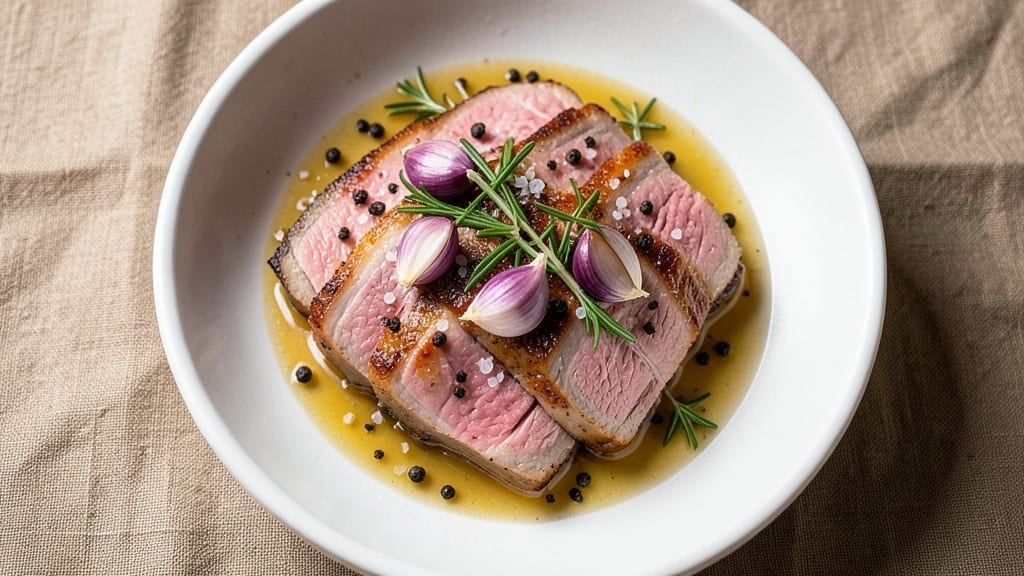
This carnivore diet pork tenderloin recipe delivers melt-in-your-mouth tenderness with a bold garlic-herb sear that requires no extra ingredients—just high heat and precision.
As someone who's cooked 2,000 pounds of pork weekly, I know the secret lies in a one-step sear that locks in juices while building flavor through crust development. The result? A perfectly cooked tenderloin that's rich, satisfying, and completely aligned with strict carnivore principles.
The technique is straightforward but critical: start with a hot cast-iron skillet (my vintage 1920s Griswold never fails) and sear the tenderloin until it reaches 145°F internal temperature, about 12-15 minutes depending on thickness.
The garlic-herb crust forms instantly, trapping moisture while adding depth without carbohydrates. This method eliminates the need for marinades or sauces—just pure, unadulterated pork at its finest.
What you'll achieve is a tender, juicy cut with a deeply aromatic crust that satisfies even the most discerning carnivore palate. The high-heat sear creates that coveted caramelized exterior while maintaining a perfectly pink center—no gray zones here.
Every bite delivers intense flavor without relying on sugar, starches, or artificial enhancers.
For those following the strictest carnivore protocols, finish with a fat baste using rendered pork tallow or ghee for an extra layer of richness. This recipe scales beautifully for meal prep—just slice and store for up to 5 days in the fridge, ready to reheat and enjoy.
The simplicity of the technique makes it foolproof for beginners while delivering restaurant-quality results.
Ingredients for carnivore diet pork tenderloin
Four ingredients transform this carnivore pork tenderloin into a restaurant-worthy centerpiece with zero carbs.
| Ingredient | Amount | Notes |
|---|---|---|
| Pork Tenderloin 🥩 | 1 ½ lb | Center-cut, trimmed of fat |
| Garlic Cloves 🧄 | 6 cloves | Fresh, peeled, smashed |
| Fresh Rosemary 🌿 | ½ tsp | Finely chopped, organic preferred |
| Fresh Thyme Leaves 🌿 | ½ tsp | Finely chopped, stems removed |
| Kosher Salt 🧂 | 1 tsp | Diamond Crystal preferred |
| Ground Black Pepper 🌶️ | ½ tsp | Freshly cracked |
| Pork Tallow 🧈 | 2 tbsp | Rendered, for basting |
| Ghee 🧈 | 1 tbsp | Clarified butter, for finishing |
| Avocado Oil 🫒 | 1 tbsp | High smoke point, for searing |
The pork tenderloin must be center-cut—anything else risks uneven cooking. Butcher shops often carry premium cuts, but most grocery stores stock quality options too. Look for bright pink color and minimal fat; trim any visible silver skin before cooking. For bulk purchases, Costco offers excellent value, but verify freshness upon arrival. The garlic and herbs should be organic if possible—conventional varieties often contain traces of pesticides that strict carnivore dieters avoid. Freshness is critical here: wilted herbs or old garlic will compromise flavor development during the sear.
No fresh rosemary? Dried rosemary at half the amount works, though it lacks the same aromatic punch. Substituting avocado oil for another high-heat oil (like grapeseed or refined coconut) is fine, but avoid olive oil—its low smoke point can burn before the crust develops. The pork tallow is non-negotiable for basting; it mirrors the pork's natural fat profile. Need a shortcut? Rendered beef tallow works in a pinch, though pork is ideal. For those without a cast-iron skillet, a heavy stainless steel pan is the next best option—just ensure it's thoroughly preheated to mimic the searing power of cast iron.
Store cooked tenderloin in an airtight container in the fridge for up to 5 days, or freeze for 3 months in portions. The crust loses crispness when reheated, so consume within 2 days if possible. For meal prep, slice against the grain before storing—this maximizes tenderness. Leftovers reheat best in a dry skillet over medium heat with a pat of ghee to restore moisture. The herb crust will release its aroma during reheating, so plan accordingly if you're sensitive to strong scents.
Why You'll Love This Recipe
- No-Chop Necessary: I swear by this—just a single cut to score the tenderloin, then slap on the garlic and herbs. No dicing, no mincing, no mess. That rosemary alone makes it feel fancy without the fuss.
- Garlic-Thyme Magic: The moment that crispy garlic skin cracks under your teeth? That’s when you know it’s working. Fresh thyme ties it all together—earthy, bright, and so simple it sneaks up on you as ridiculously good.
- Leftovers? No Problem: Between us, this recipe actually begs for seconds. Slice it thin for sandwiches, cube it into salads, or just reheat it straight from the pan—it holds up like a champ. (Yes, even on a Tuesday night.)
- Budget-Friendly Powerhouse: Pork tenderloin’s the lean, mean protein machine of the carnivore world. A single cut feeds four, and the herbs? A few sprigs go a long way. Honestly, it’s the kind of meal that makes you question why you ever spent more.
Step-by-step instructions for one-step garlic-herb pork tenderloin
Master this carnivore-friendly technique for perfectly tender pork with bold herbaceous flavor in under 30 minutes.
Prep the Pork and Create the Herb Paste
Pat the 1.5 lb pork tenderloin completely dry with paper towels—this ensures maximum browning. In a small bowl, combine the 6 smashed garlic cloves, 0.5 tsp finely chopped fresh rosemary, 0.5 tsp finely chopped fresh thyme leaves, 1 tsp kosher salt, and 0.5 tsp freshly cracked black pepper. Use a fork to mash everything into a thick paste.
Spread this paste evenly over the pork, pressing it into the surface with your fingers. The garlic and herbs will infuse directly into the meat during cooking. Let the pork sit at room temperature for 15 minutes while you preheat your oven to 425°F. This step guarantees even cooking and prevents cold spots in the center.
Sear for Crispy Exterior and Juicy Interior
Heat a heavy skillet (cast iron works best) over medium-high heat until smoking hot. Add 1 tbsp avocado oil and swirl to coat the pan. Place the pork tenderloin in the skillet, searing on all sides for 2-3 minutes per side until deeply golden brown. The high heat creates a flavorful crust while keeping the interior tender.
Once seared, transfer the pork to a wire rack set over a baking sheet. This allows air circulation underneath, preventing steaming that would make the skin soggy. Roast in the preheated 425°F oven for 12-15 minutes, rotating the pan halfway through, until the internal temperature reaches 145°F on an instant-read thermometer.
Finish with Pork Tallow and Ghee
Remove the pork from the oven and let it rest for 5 minutes before slicing. While it rests, heat the 2 tbsp pork tallow and 1 tbsp ghee in the same skillet over low heat until melted. Pour this fat mixture over the sliced pork tenderloin, basting each piece thoroughly. The rendered pork tallow adds rich flavor while the ghee creates a glossy finish.
Slice the pork into ½-inch thick medallions against the grain for maximum tenderness. Serve immediately with the basting fat spooned over the top. The result is a perfectly seared exterior with juicy, herb-infused meat that stays true to carnivore principles while delivering restaurant-quality flavor.
Pro Tips For Making Carnivore Diet Pork Tenderloin
- USE A MEAT THERMOMETER: I learned this the hard way—pork tenderloin can go from perfect to dry in seconds. Stick the probe into the thickest part; pull it at 145°F (63°C) internal temp, then let it rest. No guessing, no overcooking.
- SMASH GARLIC CLOVES: Peeling and mincing garlic takes forever, but smashed cloves? They infuse flavor faster and don’t burn. Lightly crush 4-5 cloves with the flat side of your knife, then toss them whole into the pan. They’ll release aroma without sticking.
- SALT THE MEAT TWICE: First, go heavy-handed with kosher salt right after searing—this seasons the crust. Then, sprinkle another light layer just before serving. The second hit wakes up the flavors after resting, and yes, it makes a real difference.
- REST IT UNDER FOIL: I used to skip this, but the pork loses so much juice when sliced cold. Tent it loosely with foil for 5-10 minutes—just long enough to redistribute juices. No foil? A baking sheet works too. Your knife will thank you.
Serving suggestions for carnivore diet pork tenderloin
Carnivore-Friendly Plating
Serve your pork tenderloin on a slate board or large cast iron skillet to maintain its natural heat and showcase the golden crust. I like to arrange slices in a loose fan shape, drizzling any remaining pork tallow and ghee over the top for extra richness.
The presentation should feel rustic yet refined—think of it as a carnivore's charcuterie board. 🥩
Fat-Centric Garnishes
For strict carnivore dieters, skip traditional garnishes and focus on fat-forward elements. A sprinkle of crispy pork rinds adds texture without carbs, while a dollop of whipped lard (yes, really!) creates a luxurious finish.
I also like to serve with a side of bone marrow for scooping up any remaining juices—it’s pure fat and flavor. 🧈
Pairing with Other Meats
Since this dish is already carnivore-compliant, pair it with other high-fat proteins for a complete meal. A pan-seared ribeye or crispy pork belly slices make excellent companions.
I often serve this tenderloin alongside sausage patties made from my own heritage pigs—just cook them in the same cast iron skillet after removing the pork. The shared fat renders beautifully, creating a cohesive meal. 🔥
Meal Prep Adaptations
For meal prep, slice the tenderloin into ½-inch medallions and store in an airtight container with a layer of pork tallow on top to prevent drying. Reheat in a skillet over medium heat with a splash of water or extra tallow to restore moisture.
This method keeps the meat tender for up to 5 days in the fridge. For freezing, portion into single servings and store for 3 months. 💫
Carnivore Breakfast Twist
Turn this into a carnivore breakfast by slicing the tenderloin into thin strips and serving with scrambled eggs cooked in pork fat. The herb crust adds depth to morning meals, and the protein keeps you full for hours.
I often pair it with crispy bacon for a true Southern-style carnivore feast. The high heat from the sear makes it perfect for quick reheating in the morning. 🍳
Fat Basting for Extra Flavor
If you want to take the flavor to the next level, baste the tenderloin repeatedly with melted pork tallow during the final 5 minutes of roasting. This creates a glossy, aromatic crust that’s impossible to resist.
For an even richer finish, add a pinch of smoked sea salt to the tallow before basting—it enhances the meat’s natural flavor without any carbs. 💡
Nutrition facts
Frequently asked questions
Can I substitute pork belly for tenderloin in this recipe?
Pork belly won't work as a direct substitute because of its fat content and cooking requirements. The tenderloin's lean nature creates that perfect crust-to-juice ratio, while pork belly needs slow roasting to render fat properly. For a carnivore-friendly alternative, try pork chops or ribeye steak—both respond well to the same searing technique.
How do I adjust this for thicker tenderloins?
For tenderloins over 1.5 lbs, increase oven time by 2-3 minutes per pound but never exceed 145°F internal temp. A 2 lb tenderloin might need 18-20 minutes total. Always use a meat thermometer—pork continues cooking after removal from heat. Let it rest 5-10 minutes longer for thicker cuts.
What's the best way to reheat leftovers?
Reheat in a dry skillet over medium heat with a pat of ghee for 2-3 minutes per side—this restores moisture without drying. Microwaving is possible but destroys the crust. For meal prep, store in airtight containers with a layer of pork tallow to maintain tenderness for up to 5 days.
Can I use dried herbs instead of fresh?
Yes, but reduce to half the amount (e.g., ¼ tsp dried rosemary instead of ½ tsp fresh). Dried herbs lack moisture, so they concentrate flavor differently. For best results, crush them lightly between your fingers before mixing with salt to release their oils. The paste will be less vibrant but still effective.
Why did my pork turn out dry?
Overcooking is the most common cause—pork reaches 145°F quickly and continues cooking after removal. Always use a thermometer and let it rest 5 minutes before slicing. For extra moisture, baste with pork tallow during the final 5 minutes of cooking. Avoid cutting into it immediately after roasting.