
Main Courses
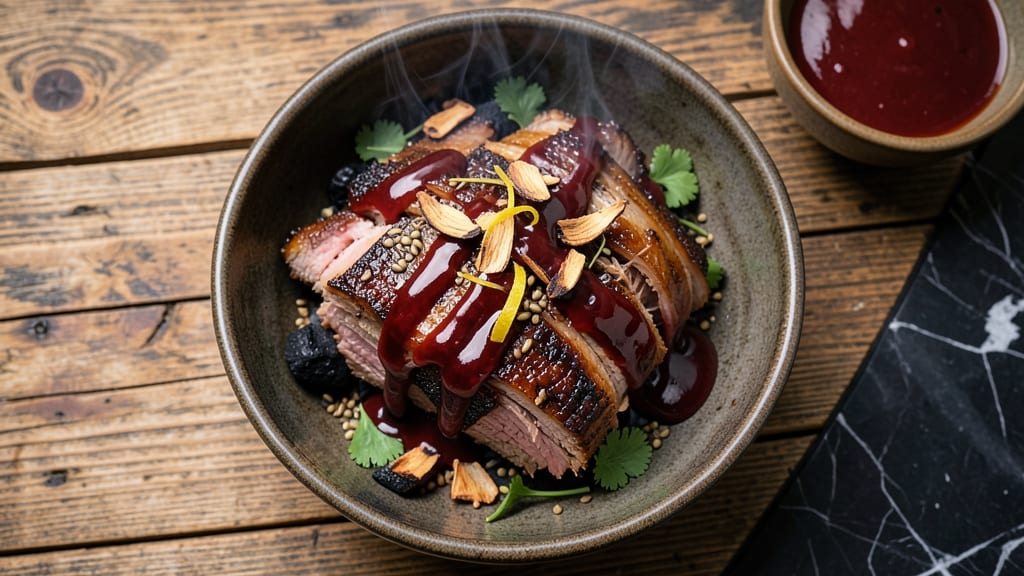
Charcoal grilled pulled pork delivers that unmistakable smoky bark and melt-in-your-mouth tenderness that transforms any gathering into a memorable feast. I've spent years perfecting this technique—balancing heat zones, wood choice, and slow smoking to create a dish that rivals any competition-winning brisket. The secret lies in the charcoal's steady burn and the patience required to break down tough cuts into silky perfection.
What sets this recipe apart is the deliberate approach to bark formation and moisture retention. We start with a dry rub that creates that coveted crust while keeping the interior juicy, then wrap the meat in butcher paper to trap steam during the final stages.
This method ensures you get that perfect balance of crispy exterior and tender interior that falls apart at the touch of a fork.
The result is pulled pork so tender it practically dissolves on the bone, with a deep smoky flavor that comes from hours of low-and-slow cooking over charcoal. The bark is dark and crackly, offering that satisfying contrast with each bite.
This isn't just pulled pork—it's a showstopper that will have your guests asking for seconds before they even finish their first plate.
Pair it with classic sides like tangy coleslaw, sweet corn bread, and smoky baked beans to complete the meal. The key to serving is letting the pork rest properly, allowing those juices to redistribute for maximum tenderness.
This is the kind of dish that turns weeknight dinners into special occasions—no matter how many people you're feeding.
Ingredients for charcoal grill pulled pork
Charcoal, wood chips, and a few key spices transform tough pork into melt-in-your-mouth perfection.
| Ingredient | Amount | Notes |
|---|---|---|
| Pork Shoulder (Boston Butt) 🥩 | 8 lb | Bone-in, well-marbled for juiciness |
| Yellow Charcoal Briquettes 🔥 | 5 lb | Kingsford or similar lump charcoal |
| Apple Wood Chips 🌳 | 1 package | Unsmoked, for authentic flavor |
| Coarse Kosher Salt 🧂 | ½ cup | Diamond Crystal preferred |
| Black Peppercorns 🌶️ | 1 ½ tbsp | Freshly cracked for intensity |
| Smoked Paprika 🌶️ | 2 tbsp | Spanish pimentón for depth |
| Garlic Powder 🧄 | 1 ½ tbsp | Not garlic salt |
| Onion Powder 🧅 | 1 ½ tbsp | For balanced sweetness |
| Brown Sugar 🍯 | 2 tbsp | Dark for caramelization |
| Ground Cumin 🌿 | 1 tbsp | Toasted for complexity |
| Butcher Paper 📄 | 1 sheet | Heavyweight for moisture retention |
| Apple Cider Vinegar 🍎 | ¼ cup | For tenderizing marinade |
| Barbecue Sauce 🍯 | 1 ½ cups | Store-bought or homemade |
| Unsalted Butter 🧈 | 4 tbsp | For basting during cook |
The pork shoulder is non-negotiable—bone-in, well-marbled cuts from Costco or local butchers work best. Look for good fat cap coverage; this is what keeps the meat juicy during hours on the grill. For charcoal, Kingsford lump or briquettes are my go-tos—they burn hotter and longer than those flimsy disposable grills. Apple wood chips add that classic smoky depth without overpowering. Buy them in bulk from Traeger or local smoke shops—they last for years if stored in a sealed container.
No apple wood chips? Cherry or hickory work in a pinch, but they have stronger flavors. The dry rub is flexible—swap smoked paprika for regular paprika if needed, but toast the cumin seeds first for deeper flavor (30 seconds in a dry pan). For the vinegar marinade, red wine vinegar is a decent substitute, but apple cider gives that authentic tang. The butcher paper is crucial—heavyweight, unbleached like Butcher & Packing brand. Regular paper towels won't hold up to the steam.
Charcoal stays potent for 2-3 uses if stored in a metal bucket with holes. Wood chips keep indefinitely in the freezer. The pork rub stays fresh for 2 weeks in an airtight container. For leftovers, shred and freeze in 1-cup portions—perfect for tacos or sandwiches. The bark gets better with reheating, so don't skip this step if you're prepping ahead.
Why You'll Love This Recipe
- Smoke in Minutes: The charcoal only needs 20 minutes to get hot—just toss in those apple wood chips, and you’re cooking. No waiting around for a gas grill to preheat or a smoker to light.
- That Charcoal Crunch: Honestly, the difference between this and oven-baked pork? That crispy blackened crust from the briquettes and wood smoke. It’s not just flavor—it’s texture magic.
- Leftovers for Days: Between us, this makes way more than we’ll eat in one sitting. The pulled pork keeps perfectly for 5 days, and I’m always scrambling to use it up before it disappears.
- Budget Crowd-Pleaser: A whole pork shoulder feeds 12 for under $20. That’s a party, a potluck, or a lazy Sunday spread—all without breaking the bank. (Yes, even on a Tuesday night.)
Step-by-step instructions for charcoal-grilled pulled pork
This method delivers melt-in-your-mouth tenderness with that perfect smoky bark you crave.
Prepare the Rub and Season the Pork
In a medium bowl, combine the 0.5 cup coarse kosher salt, 1.5 tablespoons freshly cracked black peppercorns, 2 tablespoons smoked paprika, 1.5 tablespoons garlic powder, 1.5 tablespoons onion powder, 2 tablespoons brown sugar, and 1 tablespoon ground cumin. Mix thoroughly until evenly distributed - you want every grain of seasoning to stick to the pork.
Pat the 8 lb pork shoulder completely dry with paper towels, then generously coat all sides with the rub mixture. Press the rub firmly into the meat so it adheres well. Place the seasoned pork in a large resealable plastic bag and add the 0.25 cup apple cider vinegar. Seal the bag and massage the vinegar over the entire surface, then refrigerate for at least 4 hours (overnight is even better). This marinade tenderizes the meat and creates that signature tangy-sweet flavor profile.
Set Up Your Charcoal Grill for Low and Slow Cooking
Fill your charcoal grill with the 5 lb yellow charcoal briquettes and arrange them in a pyramid shape. Once the coals are hot and covered with a thin layer of white ash (about 15-20 minutes), spread them out evenly across the grill grates. Add the 1 package apple wood chips to the coals - they'll start smoking immediately, filling your backyard with that authentic applewood aroma.
Adjust the vents to maintain a steady temperature of 225-250°F. This low-and-slow approach is crucial for breaking down the connective tissue in the pork shoulder. You'll know you've got the right temperature when you can hold your hand about 4-6 inches above the grill and feel only warm air (not hot air). This takes patience, but it's what transforms tough pork into tender pulled pork.
Smoke the Pork Until Probe-Tender
Place the seasoned pork shoulder fat-side up on the grill. Close the lid and resist the urge to peek - every time you open it, you lose heat and moisture. Smoke the pork for 6-8 hours, adding more charcoal as needed to maintain that 225-250°F temperature. I like to add about 1 cup of fresh charcoal every 1.5-2 hours to keep the heat consistent.
Around the 5-6 hour mark, you'll notice the internal temperature hitting 165-170°F - this is called "the stall" where moisture evaporates and the temperature plateaus. When this happens, wrap the pork tightly in the 1 sheet butcher paper (not aluminum foil - paper allows the bark to develop while retaining moisture). Return it to the grill and continue cooking until a meat thermometer inserted into the thickest part reads 200-205°F and the meat is fork-tender with no resistance. This typically takes another 3-5 hours of cooking time.
Finish with Butter and Sauce
Once the pork reaches the perfect internal temperature, remove it from the grill and let it rest for 15-20 minutes before handling. This resting period is crucial for redistributing the juices throughout the meat. While it rests, melt the 4 tablespoons unsalted butter in a small saucepan over medium heat and mix in 1.5 cups barbecue sauce. Simmer for 2-3 minutes until the sauce thickens slightly.
When ready to serve, shred the pork using two forks, then toss it with the butter-barbeque sauce mixture until fully coated. The pork should be moist, tender, and coated in that glossy, smoky-sweet sauce. If the sauce seems too thin, let it reduce for another 1-2 minutes over low heat to reach your desired consistency.
Pro Tips For Making Charcoal Grill Pulled Pork
- USE A TWO-ZONE FIRE: The first hour should be high heat—get those coals burning white-hot on one side, then move the pork to the cooler side after it’s seared. I learned this the hard way: letting it sit in smoldering coals turns your crispy bark into sad, gray mush.
- SALT THE MEAT THE NIGHT BEFORE: Generously coat the pork shoulder with kosher salt and let it sit uncovered in the fridge overnight. Sounds weird, but it works: the salt penetrates deeper, and the surface gets dry enough for that perfect crust without over-salting.
- SKIP THE PEPPER ON THE MEAT: Black peppercorns on the pork? Save it for the final shred. Pepper burns fast on direct heat and turns bitter—trust me, I’ve ruined batches by being impatient. Toss it in at the end when the pork’s tender.
- SOAK WOOD CHIPS IN WATER FIRST: Damp apple wood chips smoke better and last longer than dry ones. Soak them for 30 minutes in water, then drain—this keeps the fire steady and gives that clean, sweet smoke flavor without flaring up like a campfire disaster.
Storing and reheating your charcoal grill pulled pork
Refrigerator Storage
After shredding your pulled pork, transfer it to airtight containers—I swear by Glasslock containers—and store it in the refrigerator for up to 4 days. The sauce helps preserve moisture, but I still like to press plastic wrap directly on the surface before sealing to minimize drying.
For best results, let the pork cool completely before refrigerating to prevent condensation buildup. 🥩
Freezer Prep Tips
For longer storage, portion the pulled pork into 1-cup servings in freezer-safe bags or containers. Squeeze out excess air before sealing to prevent freezer burn. Label with the date—this stuff keeps well for 3 months without losing its smoky depth.
I find freezing it in smaller portions makes it perfect for quick tacos or sandwiches later. ❄️
Reheating Methods
My go-to method is reheating in a cast-iron skillet over medium-low heat with 2 tablespoons of apple cider vinegar to revive moisture. Stir frequently for 5-7 minutes until reaching 165°F.
For microwave reheating, cover with a damp paper towel and heat in 1-minute intervals on 50% power, stirring between each interval. The bark stays intact, and the texture remains tender. 🔥
Reviving Dried Bark
If your pulled pork loses its crispy bark during storage, don't worry! Just before serving, transfer it to a hot grill pan for 1-2 minutes per side. The residual fat will crisp up the exterior while keeping the interior moist.
A quick broil in the oven works too—just watch it closely to avoid burning. This trick makes reheated pork taste almost as good as fresh! 💫
Sauce Refresh
Stored pulled pork often needs a sauce boost. Warm 1 tablespoon of barbecue sauce with 1 teaspoon of butter in a small pan, then toss it with the pork until fully coated.
For extra richness, add 1 teaspoon of apple cider vinegar to cut through any dryness. This simple step elevates reheated pork from good to restaurant-quality. 🍯
Make-Ahead Pro Tip
I always prep pulled pork the day before gatherings—it gives the flavors time to meld beautifully. Store it in the fridge overnight, then reheat gently before serving.
This method also lets you focus on sides and presentation when the day arrives. Trust me, your guests will never know it wasn't freshly made! 💡
Nutrition facts
Frequently asked questions
Can I use a different cut of pork instead of pork shoulder?
While pork shoulder (Boston butt) is ideal for pulled pork, you can use pork butt or pork picnic shoulder as substitutes. These cuts have similar fat content and connective tissue, making them perfect for low-and-slow cooking. Avoid leaner cuts like tenderloin—they won't yield the same tender, juicy result.
How do I know when my charcoal grill is at the right temperature?
For pulled pork, aim for 225-250°F. The easiest way to test is with the hand method: hold your hand 4-6 inches above the grill. If you feel warm air (not hot), you're in the right zone. A meat thermometer is even better—insert it near the coals to check temperature.
Why does my pulled pork turn out dry?
Dry pulled pork usually means it cooked too fast or lost moisture. Always wrap the pork in butcher paper (not foil) after the 5-6 hour stall to trap steam. Keep the grill temperature consistent by adding 1 cup of charcoal every 1.5-2 hours. Resting for 15-20 minutes before shredding also helps juices redistribute.
Can I make this recipe in a smoker instead of a charcoal grill?
A smoker works perfectly for pulled pork—just maintain 225-250°F and use apple wood chips for flavor. The key difference is that smokers often hold heat better, so you may need to adjust cooking time slightly. If your smoker runs hotter, add more wood chips to keep the temperature steady.
What’s the best way to serve leftover pulled pork?
Leftover pulled pork is even better the next day! Try it in tacos with pickled onions, sliders with coleslaw, or loaded baked potatoes. For extra flavor, reheat with 1 tablespoon of barbecue sauce and 1 teaspoon of butter in a skillet. Store in airtight containers for up to 4 days in the fridge.