
Main Courses
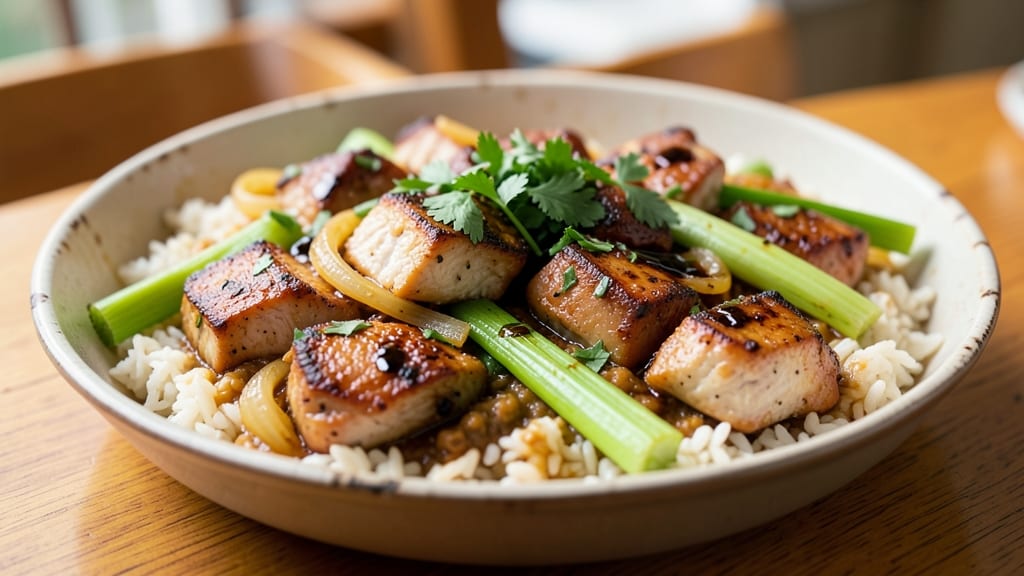
This chicken and pork jambalaya recipe delivers the soulful flavors of Louisiana in one smoky, spice-packed pot. 🔥 The secret lies in slow-cooked proteins—tender chicken and pork—simmered with the holy trinity of onions, bell peppers, and celery, all blanketed in rich, seasoned rice.
I’ve refined this over years to balance traditional Cajun heat with approachable depth, making it perfect for weeknight dinners that feel like a celebration.
The beauty of this dish is its simplicity: one-pot magic that transforms humble ingredients into a restaurant-worthy meal. Sautéing the proteins first locks in flavor, while the rice absorbs the smoky, spiced broth as it simmers to perfection.
No need for fancy techniques—just patience and a cast-iron skillet (or Dutch oven) to build layers of flavor that’ll have everyone asking for seconds.
What you’ll end up with is a dish that’s hearty yet balanced—crisp edges on the pork, juicy chicken, and rice that’s tender but holds its shape. The aroma alone will fill your kitchen with warmth, while the first bite delivers a symphony of smoky paprika, garlic, and thyme.
This isn’t just jambalaya; it’s comfort food elevated.
Serve with crusty bread to soak up every last drop of that flavorful broth, or pair it with a crisp green salad to cut through the richness. The best part? Leftovers taste even better the next day, making this the ultimate meal-prep friendly feast. Let’s get cooking!
Ingredients for chicken and pork jambalaya
Sixteen ingredients. One cast-iron skillet. The soul of Louisiana in every bite.
| Ingredient | Amount | Notes |
|---|---|---|
| Boneless Pork Shoulder 🐖 | 1 ½ lb | Cut into 1-inch cubes |
| Boneless Chicken Thighs 🍗 | 1 ½ lb | Skin-on, cut into bite-size pieces |
| Long-Grain White Rice 🍚 | 2 cups | Uncooked, like jasmine or basmati |
| Yellow Onion 🧅 | 1 whole | Diced, medium size |
| Green Bell Pepper 🌶️ | 1 whole | Diced, any color |
| Celery Stalks 🥬 | 3 whole | Diced, stringy kind |
| Garlic Cloves 🧄 | 4 cloves | Minced, fresh preferred |
| Smoked Paprika 🌶️ | 2 tbsp | For that signature smoky flavor |
| Dried Thyme 🌿 | 1 tbsp | Or 1 tbsp fresh thyme leaves |
| Ground Black Pepper 🌶️ | 1 tsp | Freshly cracked for best flavor |
| Salt 🧂 | 1 ½ tsp | Kosher or sea salt |
| Chicken Broth 💧 | 3 cups | Low-sodium preferred |
| Bay Leaves 🌿 | 2 whole | For subtle earthy depth |
| Cajun Seasoning 🌶️ | 1 ½ tbsp | Homemade or store-bought |
| Vegetable Oil 🫒 | ½ cup | For sautéing, any neutral oil |
The proteins are non-negotiable here. Pork shoulder gives you that melt-in-your-mouth texture, while chicken thighs stay juicy even after hours of simmering. I grab mine from the butcher counter at Whole Foods—they cut it perfectly. Look for pieces with good marbling, not too lean. The rice? Jasmine or basmati is ideal—it stays separate and soaks up all that smoky flavor. Skip the pre-cut veggies from the bag; freshly diced onions, bell peppers, and celery (the holy trinity) make all the difference. If you're short on time, Trader Joe's sells pre-chopped veggie mixes that work in a pinch.
No smoked paprika? Regular paprika plus a pinch of liquid smoke gets you close. Fresh thyme? Use it—it brightens up the dish. The Cajun seasoning can be store-bought (I like Tony Chachere's), but making your own is easy—just mix paprika, garlic powder, onion powder, dried oregano, cayenne, and salt. The broth matters too: low-sodium chicken broth keeps the flavors balanced. Want more heat? Add a dash of cayenne or a pinch of red pepper flakes. The bay leaves? Don't skip them—they add that subtle earthy depth that makes this dish sing.
This tastes even better the next day, so make extra. Store leftovers in the fridge for 4-5 days or freeze for 3 months. I like to portion it into containers so I can grab a meal anytime. The rice gets drier when reheated, so sprinkle a splash of broth or water when warming it up. For a quick weeknight dinner, prep everything the night before—just brown the meat and sauté the veggies ahead of time, then finish cooking when you're ready to eat.
Why You'll Love This Recipe
- One-Pot Magic: I swear by this dish when I’m too tired to wash pots. The pork shoulder and chicken thighs practically cook themselves in the same pot where the rice steams—just stir, simmer, and let the flavors meld. No extra dishes, no stress.
- Smoky Depth Bomb: That pork shoulder? It turns tender and rich, while the chicken thighs stay juicy. Add the bell pepper and onion, and you’ve got a sweet, earthy base that’s got more layers than a New Orleans street vendor’s secret. Honestly, the first bite makes me forget I’m not in a Cajun kitchen.
- Lunchbox Hero: Between us, this is my go-to for meal prep. The rice stays fluffy for days, and the meat gets even better reheated—perfect for packed lunches or quick dinners when you’ve got better things to do than cook. My kids even ask for it (and they’re picky).
- Budget-Friendly Feast: Pork shoulder and chicken thighs stretch across multiple meals without breaking the bank. I’ve made this feed six people for under $20, and the leftovers? Just as good the next day. Not the prettiest, but the taste makes up for it every time.
Step-by-step instructions for smoky spice-packed one-pot Feast
Here's how to build this flavor-packed jambalaya in one pot—no fuss, just incredible results.
🔥 Step 1: Sear the Pork and Chicken for Deep Flavor
Heat the 0.5 cup vegetable oil in a large, heavy pot over medium-high heat until shimmering. Add the 1.5 lb boneless pork shoulder cut into 1-inch cubes and cook for 5-6 minutes, stirring occasionally, until golden brown on all sides. Remove and set aside.
In the same pot, add the 1.5 lb boneless chicken thighs cut into bite-size pieces and cook for 6-8 minutes until the skin is crispy and the meat is no longer pink. Here's the thing—don't crowd the pan. Work in batches if needed so the chicken gets properly browned. This step builds the foundation of flavor that makes jambalaya unforgettable.
👨🍳 Step 2: Sauté the Holy Trinity for Aromatic Base
Reduce heat to medium and add the diced yellow onion, diced green bell pepper, and diced celery stalks. Cook for 5-6 minutes until the vegetables soften and the onion becomes translucent. You'll know it's ready when the mixture releases easily from the bottom of the pot.
Add the 4 minced garlic cloves and cook for 30 seconds until fragrant—don't let it burn, or it'll turn bitter. Stir in the 1.5 tbsp Cajun seasoning, 2 tbsp smoked paprika, 1 tbsp dried thyme, 1 tsp ground black pepper, and 1.5 tsp salt. This is where all the magic happens—the spices should smell incredible and make your kitchen smell like a Louisiana bayou.
🥘 Step 3: Build the One-Pot Masterpiece
Return the pork and chicken to the pot. Add the 2 cups long-grain white rice and stir to coat everything evenly with the spices. Pour in the 3 cups chicken broth and add the 2 whole bay leaves. Bring to a boil, then immediately reduce heat to low. Cover the pot and simmer for 25 minutes—don't peek! Every time you lift the lid, you release steam and risk drying out the rice.
After 25 minutes, check the rice. It should be tender but still have a slight bite. If it's not quite done, add ¼ cup water or broth and continue cooking for another 5 minutes. The rice should absorb all the liquid, leaving it perfectly fluffy and separate. This is the moment that matters—getting the rice texture just right makes or breaks jambalaya.
⏰ Step 4: Rest and Serve with Confidence
Remove from heat and let the jambalaya rest for 5-10 minutes covered. This resting period lets the flavors meld and the rice finish absorbing any remaining juices. I know it's hard to wait, but trust me—it's worth it for that final burst of flavor in every bite.
Garnish with extra Cajun seasoning or chopped fresh parsley if you like. Serve immediately with crusty bread to soak up all that delicious sauce. Each spoonful should deliver smoky pork, tender chicken, and perfectly seasoned rice in every bite—this is what makes jambalaya so special.
Pro Tips For Making Chicken And Pork Jambalaya
- Brown the Meat First: Don’t just toss in raw pork shoulder and chicken—get that meat searing hot in a dry pan with a splash of oil first. The crust locks in flavor and keeps the meat from turning rubbery later. I used to skip this, and my jambalaya always tasted like it needed more seasoning.
- Dice Onions and Peppers Small: Tiny dice (¼-inch or less) means even cooking and no crunchy bits. Big chunks stay tough and undercooked while the rest turns to mush. My grandmother called it "the difference between lazy and love"—she was right.
- Cook the Rice Separately: Jambalaya’s a stew, not a rice pilaf—add uncooked rice straight to the pot, but don’t stir it until the liquid’s simmering. Stirring too soon releases starch and turns your dish gluey. I learned this after a disastrous batch that stuck to the pan like cement.
- Use Half the Rice: Most recipes overestimate rice for jambalaya. Start with 1½ cups for 6 servings—it’ll absorb liquid perfectly without drying out. The meat and broth should be the stars, not the rice. Trust me, your taste buds will notice.
Health benefits of this chicken and pork jambalaya
Protein Powerhouse
This jambalaya packs a high-protein punch with both pork shoulder and chicken thighs, delivering about 50 grams of protein per serving. The pork provides iron and zinc for energy and immune support, while chicken contributes B vitamins for metabolism.
Together, they create a satisfying, muscle-friendly meal that keeps you full for hours. 💪
Complex Carbs for Energy
The long-grain white rice (jasmine or basmati) offers slow-digesting carbohydrates that fuel your body with steady energy. Unlike refined grains, these varieties maintain their fiber content, helping stabilize blood sugar levels. The rice also absorbs the smoky broth, turning it into a nutrient-dense base that's gentle on digestion.
Spice Benefits
The Cajun seasoning and smoked paprika bring more than just flavor—they contain capsaicin, a compound that boosts metabolism and may reduce inflammation. Garlic and onions add antioxidants like quercetin, which supports heart health.
Even the bay leaves contribute eugenol, a compound linked to digestive benefits. It’s a spice profile that works for you as much as it does for your taste buds. 🌶️
Lean and Balanced
Unlike heavy creamy dishes, jambalaya balances protein and fiber without excess fat or carbs. The chicken thighs (skin-on or skinless) provide healthy fats, while the pork shoulder offers collagen for joint support when cooked slowly.
The low-sodium chicken broth keeps the dish heart-friendly, making it a smart choice for those watching their salt intake.
Meal-Prep Friendly
The leftovers retain their nutritional benefits for up to 5 days in the fridge, making jambalaya a convenient, balanced meal for busy weeks. Reheating preserves the protein integrity and fiber content, so you’re not sacrificing nutrition for convenience.
Plus, the smoky spices actually enhance flavor over time, giving you a taste of Louisiana without the fuss. ✨
Nutrition facts
Frequently asked questions
Can I substitute chicken thighs with chicken breasts?
You can try, but chicken breasts are leaner and drier, which may make your jambalaya less flavorful. For best results, use thighs—they stay juicy and absorb the smoky spices beautifully. If you must use breasts, brining them for 30 minutes in saltwater first helps retain moisture.
How do I adjust the heat level for picky eaters?
Start by reducing the Cajun seasoning to 1 teaspoon and omit the cayenne pepper. For extra mildness, add ½ cup diced tomatoes or a splash of tomato paste—they help balance the spices. Always taste as you go and adjust gradually.
What's the best way to reheat jambalaya?
Reheat gently on the stove over low heat with a splash of broth or water to prevent drying. For microwave reheating, cover with a damp paper towel and heat in 30-second intervals, stirring between each. The rice absorbs moisture quickly, so add liquid as needed.
Can I make jambalaya in an Instant Pot?
Follow the same steps for searing the meat and sautéing veggies, then add everything to the Instant Pot. Use 1 cup broth instead of 3, seal the lid, and cook on high pressure for 8 minutes. Let it naturally release pressure for 10 minutes before opening.
Why does my jambalaya turn out mushy?
Overcooking or using too much liquid are the usual culprits. Always check rice after 25 minutes—if it's still firm, add only ¼ cup water at a time. Also, avoid stirring the rice while cooking, which can break the grains. For extra fluffiness, fluff with a fork before serving.