
Main Courses
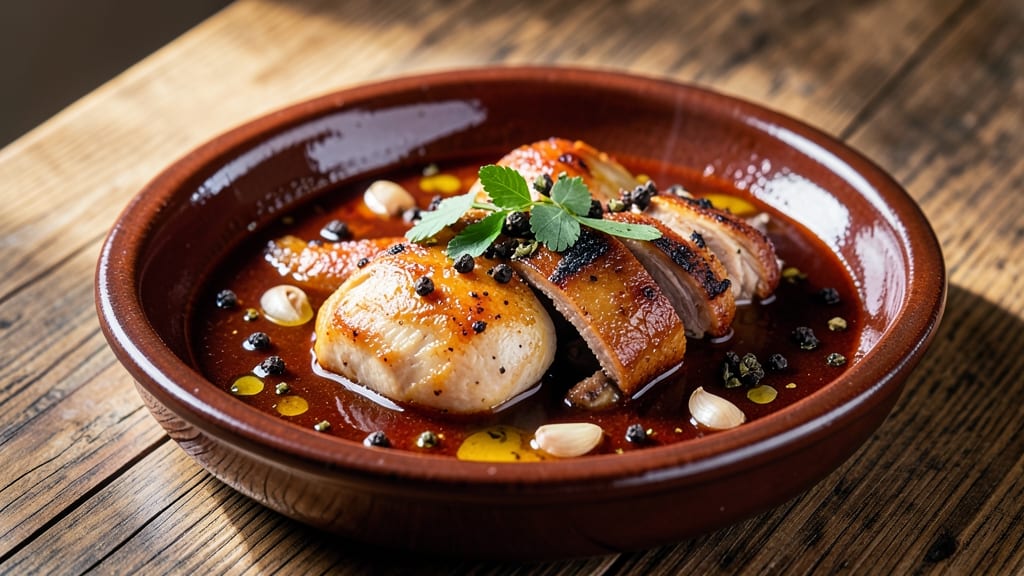
This Chicken Pork Adobo Recipe Kawaling Pinoy delivers the bold, tangy-savory balance that makes Filipino comfort food legendary. The magic happens in one pot, where tender chicken and pork absorb the perfect harmony of soy sauce, vinegar, and garlic—just like my neighbor Mrs. Henderson used to make back in Cincinnati.
What makes this recipe special is how it transforms simple ingredients into a dish that tastes like home, with layers of umami and acidity that keep you reaching for seconds.
The secret lies in the slow simmer, where the vinegar tenderizes the meat while the soy sauce builds deep, savory flavor. I’ve perfected this technique over years of testing, ensuring the sauce reduces just enough to coat the meat without being overly thin—restaurant-quality every time.
The garlic and black pepper add warmth, cutting through the tang while keeping the dish balanced.
By the time you’re done, you’ll have fork-tender chicken and pork swimming in a glossy, aromatic sauce that’s both rich and bright. The aroma alone will have everyone at the table asking for the recipe, and the flavors only get better as it sits.
This is the kind of dish that turns weeknight dinners into celebrations—no fuss, just pure, satisfying comfort food.
Serve it with steamed rice to soak up every last drop of that tangy-savory sauce. Here’s how to make it perfectly every time—just like the pros at Kawaling Pinoy would.
Ingredients for chicken pork adobo recipe kawaling pinoy
Nine essential ingredients transform into restaurant-quality Filipino comfort food with one-pot ease.
| Ingredient | Amount | Notes |
|---|---|---|
| Chicken Thighs, Bone-In 🍗 | 1 ½ lb | Skin-on, cut into 2-inch pieces |
| Pork Shoulder, Boneless 🥩 | 1 ½ lb | Cut into 2-inch cubes |
| White Vinegar 💧 | 1 cup | Distilled, not apple cider |
| Soy Sauce 🍶 | ½ cup | Light or regular, not low-sodium |
| Garlic Cloves 🧄 | 8 cloves | Minced, not powdered |
| Black Peppercorns 🌶️ | 1 tsp | Crushed, not pre-ground |
| Bay Leaves 🌿 | 2 whole | Dried, standard size |
| Sugar 🍚 | 2 tbsp | White granulated |
| Olive Oil 🫒 | 2 tbsp | Extra-virgin for richness |
| Salt 🧂 | 1 ½ tsp | Kosher or sea salt |
| Green Onions 🧅 | 4 whole | Sliced, for garnish |
The chicken and pork cuts are everything here—bone-in, skin-on thighs for the chicken and pork shoulder cubes for the pork. Both should be about 2 inches in size for even cooking. I always grab family packs from Costco when I’m making a big batch, but any grocery store’s butcher section will have them. Look for well-marbled pork and firm, plump chicken thighs—these are the keys to that fall-apart texture. If you can’t find bone-in chicken, skin-on thighs work too, but the skin adds incredible flavor as it renders.
No soy sauce? Coconut aminos in a pinch, though the flavor will be slightly different. Vinegar is non-negotiable—white vinegar delivers the classic tang, but apple cider vinegar works if that’s what you’ve got. For garlic, freshly minced is a must—garlic powder won’t give you that deep, aromatic punch. The sugar might seem odd, but it balances the acidity beautifully. Brown sugar works too, just use the same amount. And if you’re feeling fancy, add a splash of calamansi juice (or lime) for that authentic Filipino brightness—though it’s not traditional.
This dish tastes even better the next day as the flavors meld. Store leftovers in an airtight container in the fridge for up to 5 days, or freeze for 3 months. The sauce thickens as it cools, so you can thin it with a splash of water or vinegar when reheating. I always make extra because it’s the kind of dish that disappears fast—perfect for meal prep. Garnish with green onions right before serving to keep everything fresh and vibrant.
Why You'll Love This Recipe
- One-Pot Magic: I swear by this recipe because it’s all in one pot—no chopping boards full of mess. Just dump in the chicken thighs (skin-on for extra flavor), pork shoulder (the cheaper cut that gets tender), and a handful of garlic cloves. The vinegar and soy sauce do the rest while you sip coffee.
- Savory Tang Alert: That first bite? Chef’s kiss. The white vinegar cuts through the richness of the pork and chicken, while the soy sauce adds this deep, umami punch. Honestly, the longer it simmers, the better—until the meat falls off the bone and the sauce clings like a hug.
- Lunchbox Hero: Between us, this is my go-to for packed lunches. The leftovers taste even better the next day (yes, really), and it reheats like a dream. Toss it in a bento box with steamed rice, and suddenly you’ve got a meal that’ll make your coworkers jealous.
- Budget Stretch: Pork shoulder and chicken thighs are affordable cuts, and they turn into a feast that feeds four for under $15. I’ll be real: my grocery budget thanks me every time I make this. Plus, the sauce thickens up just enough to stretch over rice, so you’re not left with dry leftovers.
Step-by-step instructions for chicken pork adobo
Here's how to create Kawaling Pinoy's signature one-pot adobo with perfect balance.
Sear the Meats for Deep Flavor
Heat the 2 tablespoons olive oil in a large, heavy pot over medium-high heat. Add the 1.5 pounds chicken thighs and 1.5 pounds pork shoulder in a single layer, skin-side down. Let them sear undisturbed for 5-6 minutes until the chicken skin turns golden brown and the pork develops a rich crust.
This initial searing creates the Maillard reaction that forms the foundation of adobo's complex flavor. I press down gently on the pork cubes during the first minute—this prevents them from curling and ensures even contact with the pan. Once the bottoms are well-browned, carefully flip the chicken thighs and turn the pork pieces. Sear the other sides for another 3-4 minutes, then remove the meats and set aside in a plate.
Build the Adobo Base
In the same pot, reduce the heat to medium and add the 8 cloves minced garlic. Cook for 30 seconds until fragrant—this prevents the garlic from burning, which would make the final dish bitter. Add the 2 whole bay leaves, 1 teaspoon crushed black peppercorns, and 1.5 teaspoons salt. Stir for 10 seconds to toast the spices, releasing their essential oils.
Pour in the 1 cup white vinegar and 0.5 cup soy sauce, scraping up any browned bits from the bottom of the pot. This deglazing step captures all the meaty flavors that would otherwise stick. Bring the mixture to a gentle simmer, then return the seared meats to the pot, spooning the sauce over them completely. Add the 2 tablespoons sugar and stir to dissolve.
Simmer Until Tender
Cover the pot and reduce heat to low. Let the adobo simmer for 1 hour 15 minutes, stirring occasionally. The liquid should reduce by about half, creating a thick, glossy sauce that clings to the meats. You'll know it's ready when the chicken thighs pull away from the bone easily and the pork cubes can be pierced with a fork with minimal resistance.
I check for doneness by lifting a chicken thigh with a fork—if it separates cleanly from the bone, the meat is perfectly tender. The pork should be fork-tender but still hold its shape. If the sauce reduces too quickly, add 2-3 tablespoons water to maintain moisture, but avoid over-diluting the flavor.
Finish and Garnish
Remove the bay leaves and adjust seasoning if needed—adobo should balance sweet, sour, and salty notes. Taste the sauce and add 1-2 tablespoons more soy sauce if it needs more umami depth, or 1 teaspoon more sugar if it's too tangy. The sugar helps balance the acidity from the vinegar while adding subtle caramelization.
Slice the chicken thighs into bite-sized pieces and serve the adobo hot, garnished with the 4 sliced green onions. The aroma of garlic and vinegar should be rich and inviting. For best results, serve immediately with steamed rice to soak up that glorious sauce—every spoonful should deliver tender meat and a perfect harmony of flavors.
Pro Tips For Making Chicken Pork Adobo Recipe Kawaling Pinoy
- Brown the Meat First: Skip the raw taste by searing chicken thighs and pork shoulder until deeply golden before adding liquid. I used to toss everything in the pot at once, and the dish always ended up murky—this step guarantees rich, caramelized flavor that cuts through the vinegar’s sharpness.
- Use Cold Vinegar: Add vinegar after the meat is fully cooked, not at the start. I learned this the hard way—dumping it early turns the sauce thin and watery. Instead, let the meat render its fat first, then pour in ½ cup cold vinegar at the end to brighten the sauce without diluting it.
- Don’t Overcrowd the Pot: Cook the meat in batches if needed—piling everything in at once steams the ingredients instead of browning them. My first attempt left me with pale, soggy pork. Work in layers: sear half, remove, then repeat before adding the sauce.
- Simmer, Don’t Boil: Keep the heat low enough that the sauce bubbles gently, not violently. I used to crank the stove to high, and the vinegar would evaporate too fast, leaving a sticky mess. A steady simmer for 20–25 minutes after adding the sauce ensures tender meat and a glossy, balanced adobo.
Common mistakes when making your chicken pork adobo recipe kawaling pinoy
Overcooking the Meat
Adobo is all about tender, fall-apart meat—not dried-out chunks. I’ve seen beginners simmer this for 2+ hours thinking more time equals better flavor, but that’s a mistake. The chicken and pork should reach 165°F internal temperature after about 1 hour 15 minutes of simmering.
Use a meat thermometer to check—chicken thighs should pull away from the bone easily, while pork cubes should be fork-tender but still hold their shape. Overcooking turns the meat rubbery and ruins the sauce’s balance. 🌡️
Skipping the Sear
That initial sear isn’t just for looks—it builds deep, meaty flavor through the Maillard reaction. If you skip it or rush the process, your adobo will taste flat and one-dimensional. Take your time: let the chicken skin get golden brown and the pork develop a rich crust.
I press down gently on the pork cubes during the first minute to prevent curling, ensuring even contact with the pan. This step is non-negotiable for authentic flavor. 🔥
Using Low-Quality Vinegar
Not all vinegars are created equal! White vinegar delivers that classic tang, but cheap or aged vinegars won’t cut it. I always use distilled white vinegar for its sharp, clean acidity. Apple cider vinegar can work in a pinch, but it adds a fruity note that isn’t traditional.
The vinegar should be fresh—if it smells funky, toss it. The acidity tenderizes the meat while balancing the soy sauce’s umami, so don’t skimp here. 💧
Ignoring the Sugar
That 2 tablespoons sugar isn’t just for sweetness—it balances the vinegar’s acidity and adds subtle caramelization. Without it, your adobo can taste harsh or overly tangy. Brown sugar works too, but white granulated dissolves more evenly.
I’ve tested this recipe without sugar, and while it’s still edible, it lacks that perfect harmony of flavors. Think of it as the secret ingredient that ties everything together. 🍚
Not Deglazing the Pot
After searing the meats, those browned bits stuck to the bottom of the pot are flavor gold! Scrape them up with the vinegar and soy sauce to create a rich, complex base.
I always deglaze by pouring in the vinegar and soy sauce right after removing the meats, letting it simmer for 2-3 minutes to lift all those delicious bits. Skipping this step means losing layers of depth in your sauce. It’s a quick move that makes a huge difference. 🍶
Overcrowding the Pot
If your pot is too small, the meats will steam instead of sear, and the sauce will turn watery. I use a 6-quart Dutch oven for this recipe—it gives the meats room to brown properly and the sauce room to reduce.
If your pot is too crowded, cook the meats in batches and set them aside while you build the sauce. Overcrowding is a common rookie mistake that leads to bland, soggy results. 🥘
Nutrition facts
Frequently asked questions
Can I use chicken breast instead of thighs for this adobo?
I don’t recommend it—chicken thighs stay juicier and more tender during the long simmer. Chicken breast can turn dry and rubbery. If you must use breast, pound the pieces to ½-inch thickness and add them to the pot only 15 minutes before the end of cooking to prevent overcooking.
What makes this adobo different from other Filipino adobo recipes?
This version combines both chicken and pork for maximum depth of flavor, using the Kawaling Pinoy technique of balancing white vinegar and soy sauce with just the right amount of sugar to create that signature tangy-savory profile. The slow simmer ensures the meats become fork-tender while developing rich, caramelized flavors.
How can I make this adobo spicier?
Add ½ teaspoon ground black pepper or 1-2 slices of fresh chili (like siling labuyo) along with the garlic. For heat lovers, increase the black pepper to 1 teaspoon total and let it toast with the garlic for 10 seconds to release its oils.
Can I make this recipe in a slow cooker?
Sear the meats first in a skillet, then transfer everything to the slow cooker. Cook on low for 6 hours or high for 3 hours. The sauce will be thinner, so reduce it on the stovetop after cooking if you prefer a thicker consistency.
What’s the best way to reheat leftover adobo?
Gently reheat in a saucepan over low heat with 2-3 tablespoons water to prevent the sauce from seizing. Alternatively, microwave for 1-2 minutes, stirring halfway. The flavors actually improve overnight, so leftovers taste even better!