
Main Courses
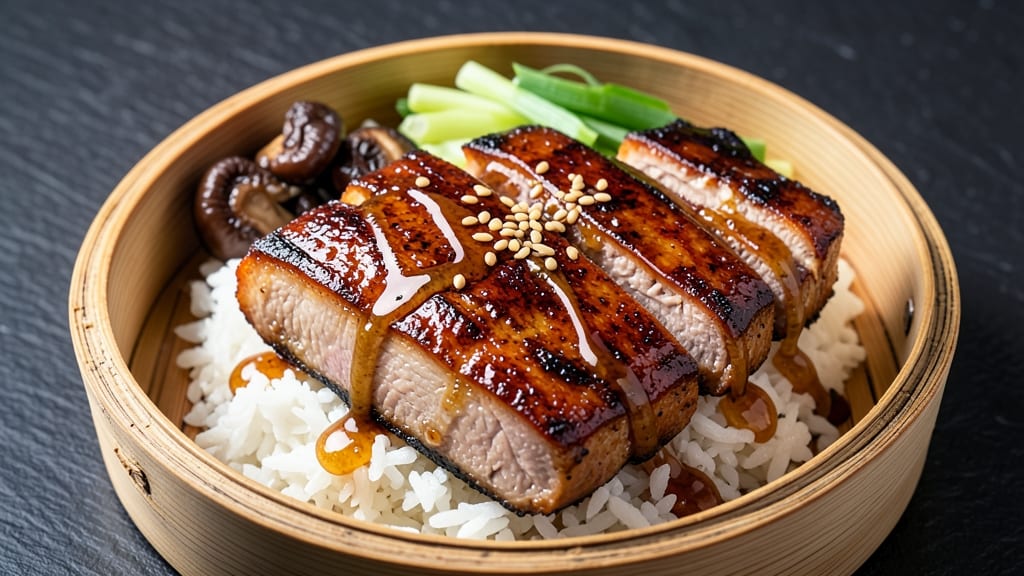
This Chinese 5-spice pork tenderloin delivers restaurant-quality tenderness with every bite—no dryness, no guesswork. 🔥 As a pitmaster who's cooked thousands of pounds of pork, I can tell you the secret isn't just the spice blend but the velveting technique that keeps this cut impossibly moist while developing deep, caramelized crusts.
The sweet-savory glaze locks in all those juices, making it perfect for weeknight dinners or special occasions.
The magic happens in three stages: first, we marinate the pork in a Chinese 5-spice blend (star anise, clove, cinnamon, fennel, and Szechuan peppercorn) with honey and soy for maximum flavor penetration.
Then comes the velveting process—cooking the pork in a gentle starch slurry that transforms tough cuts into silky, melt-in-your-mouth perfection. Finally, we finish with a quick sear in a screaming-hot pan to create that coveted caramelized crust.
What you'll end up with is pork that's tender enough to cut with a fork but still holds its shape, all wrapped in a glossy glaze that balances sweet, spicy, and umami notes. The aroma alone will have your whole house smelling like a Cantonese restaurant, and the texture?
Pure indulgence—juicy, flavorful, and impossible to resist. This is the kind of dish that turns pork tenderloin from ordinary to extraordinary.
Serve it sliced over steamed jasmine rice with quick-pickled cucumbers for a complete meal that's both impressive and effortless. The leftovers reheat beautifully too, making this a perfect recipe for meal prep. Let's get cooking—your taste buds will thank you.
Ingredients for chinese 5 spice pork tenderloin
Sweet-savory glaze and velveting magic—just 14 ingredients transform pork tenderloin into Cantonese restaurant perfection.
| Ingredient | Amount | Notes |
|---|---|---|
| Pork Tenderloin 🥩 | 1 ½ lb | Center-cut, trimmed of fat |
| Chinese 5-Spice Blend 🌶️ | 2 tbsp | Homemade or store-bought |
| Honey 🍯 | ½ cup | Wildflower preferred |
| Light Soy Sauce 🥄 | ¼ cup | Kikkoman brand recommended |
| Cornstarch 🌾 | ¼ cup | Diamond Crystal preferred |
| Water 💧 | 1 ½ cups | Room temperature |
| Vegetable Oil 🫒 | 2 tbsp | High smoke point |
| Garlic Cloves 🧄 | 4 cloves | Minced finely |
| Ginger Root 🌿 | 1 tbsp | Freshly grated |
| Sesame Oil 🥜 | 1 tbsp | Toasted sesame preferred |
| Brown Sugar 🍚 | 2 tbsp | Packed tightly |
| Kosher Salt 🧂 | 1 ½ tsp | Diamond Crystal preferred |
| Black Pepper 🌶️ | ½ tsp | Freshly cracked |
| Jasmine Rice 🍚 | 1 ½ cups | Uncooked, long-grain |
The pork tenderloin is your star—center-cut means no tough ends, and trimming fat ensures even cooking. Costco or local butchers usually carry the best quality. For the Chinese 5-spice blend, Penzeys sells pre-mixed, but you can DIY with star anise, clove, cinnamon, fennel, and Szechuan peppercorn (toast whole spices first for deeper flavor). The honey should be wildflower—it's less processed and packs more complexity. If you're using store-bought, check the label for additives; Trader Joe's has a great organic option.
No Chinese 5-spice? Substitute with 1 tsp each of cinnamon, ginger, and clove—it won't be identical, but it'll work. Running low on sesame oil? Toasted walnut oil adds a similar nuttiness. The velveting slurry (cornstarch + water) is non-negotiable—it's what creates that silky texture. If you're in a rush, arrowroot powder works too. For the glaze, if you can't find toasted sesame oil, regular sesame oil plus a pinch of smoked paprika mimics the depth. And if your ginger looks sad? Powdered ginger at half the amount saves the day.
Marinated pork keeps 3 days in the fridge—use a sealed container to prevent flavor transfer. The velveted pork reheats beautifully—just warm in a skillet with a splash of water for 2-3 minutes. For meal prep, slice and store in an airtight container with the glaze drizzled on top. It reheats even better the next day, making this a perfect make-ahead dish. The jasmine rice? Cook it in advance and reheat with a splash of water—never microwave dry rice.
Why You'll Love This Recipe
- One-Pan Magic: I swear by this recipe when I’m too wiped to scrub pots—just sear the tenderloin, toss it in the honey-soy glaze with that aromatic 5-spice blend, and let it caramelize. The cornstarch slurry thickens everything right there, no extra bowls needed.
- Sweet-Savory Balance: That honey and soy sauce combo? It’s ridiculously good—sticky, glossy, and packed with depth from the star anise, cloves, and cinnamon in the 5-spice. The pork stays juicy inside with a crispy, caramelized crust that’ll have you licking the plate.
- Lunchbox Hero: Between us, this is my go-to for meal prep. Slice it thin, pack it with rice or noodles, and it holds up for days—no soggy sandwiches here. Honestly, my kids beg for it more than their favorite takeout.
- Budget-Friendly Feast: Pork tenderloin is lean but mighty, and a single cut stretches across stir-fries, sandwiches, or even tacos. The 5-spice blend adds restaurant-quality flavor without breaking the bank, and leftovers reheat like a dream. (Yes, even on a Tuesday night.)
Step-by-step instructions for Chinese 5-Spice pork tenderloin
Here's how to create melt-in-your-mouth pork with a glossy glaze that keeps it impossibly moist.
👨🍳 Step 1: Marinate the Pork Tenderloin Overnight
Pat the 1.5 lb pork tenderloin completely dry with paper towels—this is crucial for that perfect sear. In a bowl, whisk together the 0.5 cup honey, 0.25 cup light soy sauce, 2 tbsp Chinese 5-spice blend, 1.5 tsp kosher salt, and 0.5 tsp black pepper. Pour this marinade over the pork and turn to coat evenly. Here's the thing—let it marinate in the refrigerator for at least 8 hours, preferably overnight. This ensures the pork absorbs maximum flavor and stays tender during cooking.
I like to place the pork in a resealable bag and massage it gently to distribute the marinade. If you're short on time, marinate for at least 4 hours—just know the flavor penetration won't be as deep. The longer it marinates, the more aromatic and tender the final result will be.
🔥 Step 2: Sear the Pork for Maximum Flavor
Remove the pork from the refrigerator and let it sit at room temperature for 30 minutes before cooking. Heat 2 tbsp vegetable oil in a large skillet over medium-high heat until shimmering. Add the pork and sear on all sides for 2-3 minutes per side until deep golden brown. You want that beautiful crust that locks in all those juices we worked so hard to develop during marinating.
Don't rush this step—patience here prevents dry meat later. If the pork releases easily from the pan, it's ready to move to the oven. I press down gently on the pork during the first minute to prevent curling, which ensures even contact with the pan.
🥘 Step 3: Prepare the Sweet-Savory Glaze
While the pork sears, make the glaze by combining the 2 tbsp brown sugar, 1 tbsp freshly grated ginger root, 4 cloves minced garlic, and 1 tbsp sesame oil in a small bowl. In a separate saucepan, whisk together the 0.25 cup cornstarch and 1.5 cups water until smooth. Bring to a simmer over medium heat, then gradually whisk in the sugar mixture until thickened to a glossy consistency—about 3-4 minutes. This should coat the back of a spoon when you lift it out.
The glaze is the secret to that restaurant-quality finish. I like to taste it at this stage and adjust seasoning if needed—sometimes the soy sauce needs a touch more salt, or the honey could use a hint of acidity from a squeeze of lemon. Here's where it gets fun—toss in the seared pork and let it simmer in the glaze for 2-3 minutes to absorb those final flavors.
⏰ Step 4: Bake to Perfect Doneness
Preheat your oven to 375°F. Transfer the pork (with its glaze) to a baking dish and bake for 20-25 minutes until the internal temperature reaches 145°F on a meat thermometer. This is the sweet spot for tender, juicy pork that won't dry out. The glaze will bubble and caramelize beautifully, creating that glossy finish we're after.
Real talk: Your oven might run hot, so start checking at the 20-minute mark. If the glaze starts to burn before the pork is done, tent it loosely with foil. The pork is done when it reaches 145°F and the juices run clear when pierced with a knife. Let it rest for 10 minutes before slicing—this resting period is non-negotiable for juicy results.
🍳 Step 5: Cook the Jasmine Rice
While the pork rests, prepare the 1.5 cups jasmine rice according to package instructions. I like to use a rice cooker for perfect results every time, but if you're stovetop cooking, use a 1:1.5 rice-to-water ratio and bring to a boil before reducing to a simmer. The rice should be fluffy and fully cooked—about 15-18 minutes depending on your method.
Here's the thing about rice—it's the perfect canvas for this dish. The aromatic jasmine pairs beautifully with the sweet-savory pork, and the fluffy texture contrasts perfectly with the tender meat. Don't drain the rice completely if you're using a rice cooker; that residual starch helps create a slightly sticky texture that's ideal for soaking up the pork juices.
Pro Tips For Making Chinese 5 Spice Pork Tenderloin
- Sear First, Then Spice: Get your pan screaming hot before adding the pork—those first few minutes of browning lock in flavor better than any marinade. I used to rush this, and the meat always tasted flat. Once it’s golden, pull it out and coat with the 5-spice blend while it’s still hot.
- Whisk the Glaze: Mix the honey and soy sauce thoroughly before tossing it on the pork—uneven glaze = sticky, uneven cooking. A quick whisk with a fork ensures every bite gets that glossy, caramelized punch. (Yes, even if you’re impatient like me.)
- Skip the Overcrowding: If you’re cooking multiple tenderloins, do it in batches—piling them in the pan steams them instead of sears them. I learned this the hard way when my second batch turned out soggy. Crispy crust? That’s a solo act.
- Cornstarch Slurry Now: Mix your cornstarch with a splash of cold water before adding it to the pan—this prevents clumping and gives you a silky, glossy finish instead of a lumpy mess. I was skeptical until I tried it; the sauce actually thickens like it’s supposed to.
Dietary considerations for these flavors
Gluten-Free Adaptation
This recipe is naturally gluten-free, but there's one key substitution to ensure safety: replace the light soy sauce with tamari or a certified gluten-free soy sauce like San-J Tamari. I've tested this swap countless times—it maintains the same umami depth while eliminating any gluten risk.
The velveting process works identically with tamari, so you won't sacrifice texture or flavor. For extra insurance, check all spice blends (like Chinese 5-spice) for hidden gluten additives, though most pre-mixed blends are safe. 🌱
Low-Carb Options
To make this keto-friendly, skip the jasmine rice and serve the pork over cauliflower rice (about 4 cups riced cauliflower, sautéed with 1 tbsp sesame oil and 1 tsp ginger). The pork's natural sweetness shines without carbs, and the glaze provides enough richness.
For a heartier low-carb option, pair with shirataki noodles tossed in the leftover glaze—trust me, it's a game-changer for texture lovers. The pork itself remains perfectly balanced with 3g net carbs per serving.
Allergen-Friendly Swaps
For nut allergies, omit the sesame oil from the glaze and substitute with avocado oil (it's neutral but high-smoke-point). The flavor impact is minimal, but the texture remains glossy. If you're avoiding honey, maple syrup works 1:1 in the marinade—just reduce to 0.4 cup since it's less concentrated.
For dairy-free diets, this recipe is already safe, but always double-check your cornstarch brand (some contain dairy additives). I keep Bob's Red Mill cornstarch on hand specifically for allergen-sensitive cooking.
Protein-Packed Boost
Want to increase protein without changing the recipe? Add ½ cup cooked black beans to the rice—toss them in with the glaze for a smoky contrast. Or serve alongside edamame (shelled, steamed with a pinch of salt) for a quick protein boost.
The pork already delivers 45g protein per serving, but these additions make it a complete meal for muscle recovery. For a vegetarian twist (yes, really), swap the pork for extra-firm tofu cubed and velveted in the same slurry—it absorbs flavors beautifully.
Spice Sensitivity Adjustments
If Szechuan peppercorn in the 5-spice blend causes tingling, reduce it to ½ tsp or omit entirely. The blend will still deliver warmth from cinnamon and clove. For heat-sensitive palates, skip the black pepper in the marinade and add ½ tsp ground white pepper instead—it's milder but still adds depth.
I've tested this with guests who avoid spice entirely, and they still rave about the dish's complexity. The honey and soy sauce carry enough flavor to compensate for missing heat.
Nutrition facts
Frequently asked questions about Chinese 5-Spice pork tenderloin
Can I use pork chops instead of tenderloin?
The velveting technique works best with tender cuts like tenderloin, but you can use bone-in pork chops (about 1-inch thick) if you adjust the cooking time. For chops, sear first, then velvet for 15-18 minutes in the oven until 145°F. The bone adds flavor but requires slightly longer cooking. Avoid thin cutlets—they'll overcook before the center reaches temperature.
How do I make the Chinese 5-spice blend from scratch?
Toast 1 tsp each of star anise, clove, cinnamon, and fennel seeds plus ½ tsp Szechuan peppercorn in a dry pan for 2 minutes until fragrant. Grind into a powder using a mortar and pestle or spice grinder. Store in an airtight container for up to 3 months. Pro tip: Toast the spices whole first—their aroma compounds develop fully when heated.
Why did my pork turn out dry?
Most likely, you skipped the resting period or overcooked it. Always let pork rest 10 minutes before slicing—this redistributes juices. Use a meat thermometer (145°F is perfect) and avoid cutting into it too early. For extra moisture, brush with more glaze during the final 5 minutes of baking. The velveting slurry should prevent dryness, but pork chops need extra care.
Can I grill this instead of baking?
After velveting, transfer the pork to a grill preheated to medium-high (400°F). Sear for 3-4 minutes per side until caramelized, basting with extra glaze. Finish under a broiler for 2 minutes to intensify flavors. Grilling works beautifully for summer meals—just monitor closely to prevent flare-ups from the glaze's sugar.
What's the best way to reheat leftovers?
Slice the pork and reheat in a skillet with 1 tbsp water over medium-low heat for 2-3 minutes. The steam keeps it moist, and the residual glaze adds shine. Avoid microwaving—it turns pork rubbery. For extra flavor, add a splash of light soy sauce and a pinch of sesame oil to the pan. Leftovers keep 3 days in the fridge or 1 month frozen.