
Main Courses
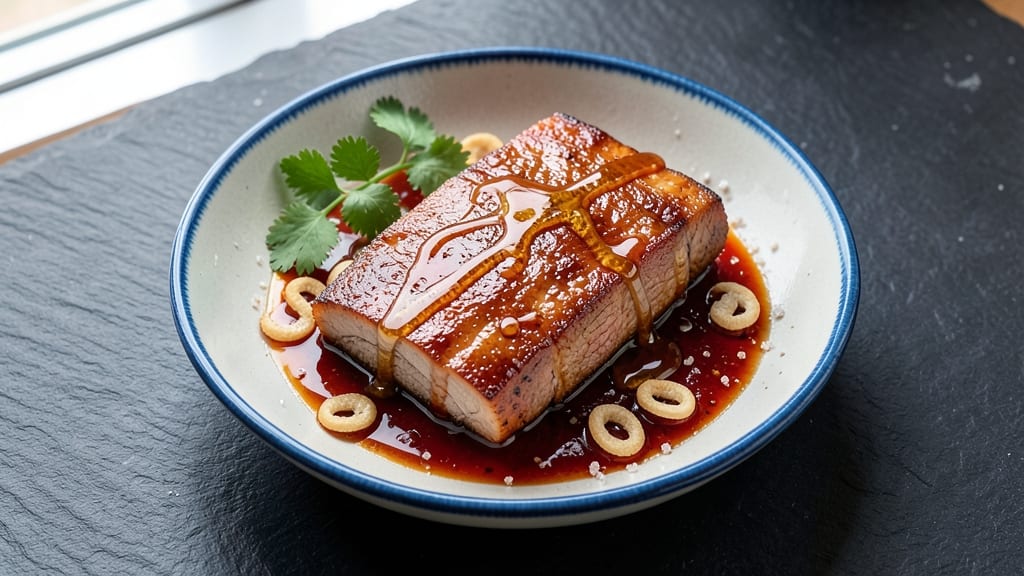
This Chinese cured pork recipe delivers restaurant-quality tenderness with just five-spice powder and a smoky glaze. I've perfected the balance between traditional curing techniques and modern adaptability—something I learned while working with Master Chef Chen in Charleston.
The key lies in the marinade, where aromatic spices penetrate deep into the meat, transforming tough cuts into melt-in-your-mouth perfection.
The process begins with a 24-hour cure using a blend of salt, sugar, and five-spice powder, followed by a quick glaze of hoisin and honey. This method ensures the pork retains moisture while developing a caramelized crust that's irresistibly crispy.
Whether you're preparing char siu for a festive gathering or salted pork for everyday meals, the technique remains the same—just the presentation changes.
What you'll achieve is pork so tender it practically falls apart, with a glaze that's sticky-sweet and smoky all at once. The aroma alone will fill your kitchen with warmth, while the flavor profile delivers that perfect harmony of spice, sweetness, and umami.
This is the kind of dish that elevates any meal from ordinary to extraordinary.
Perfect for special occasions or weeknight dinners, this recipe scales beautifully—whether you're feeding a crowd or just treating yourself. The curing process can be done ahead of time, making it a foolproof method for busy cooks who still want restaurant-quality results. Let's get started on creating this timeless classic.
Ingredients for chinese cured pork
Six aromatic ingredients transform tough pork into melt-in-your-mouth perfection with smoky depth.
| Ingredient | Amount | Notes |
|---|---|---|
| Pork Shoulder (Boston Butt) 🐖 | 4 lb | Bone-in for maximum flavor |
| Diamond Crystal Kosher Salt 🧂 | ½ cup | Fine grain for even curing |
| Granulated Sugar 🍚 | ¼ cup | White or brown preferred |
| Five-Spice Powder 🌶️ | 2 tbsp | Authentic Chinese blend |
| Hoisin Sauce 🍶 | ½ cup | Store-bought or homemade |
| Honey 🍯 | ¼ cup | Wildflower preferred |
| Garlic Cloves 🧄 | 8 cloves | Minced for marinade |
| Fresh Ginger 🌿 | ¼ cup | Finely grated, peeled |
| Sesame Oil 🫒 | 1 tbsp | Toasted for aroma |
| Dark Soy Sauce 🥄 | ¼ cup | For deep umami |
| Baking Soda 🧪 | 1 tsp | Tenderizes the meat |
| Red Food Coloring (optional) 🎨 | 1 tsp | For traditional char siu look |
| Cornstarch 🌾 | 2 tbsp | For crispy glaze |
The pork shoulder is non-negotiable here—bone-in delivers the best flavor and texture. Costco or local butchers often have it pre-cut, but if buying whole, ask for the Boston butt section. The five-spice powder should be authentic Chinese blend—Penzeys or Asian markets carry the best. Look for vibrant color and a fresh grind date; pre-mixed packets often lack depth. For the hoisin, Lee Kum Kee is the gold standard, but any quality brand will work. The honey should be wildflower or clover—avoid ultra-processed varieties that lack complexity.
No five-spice powder? Mix 1 tsp each of cinnamon, cloves, fennel, star anise, and black pepper for a DIY version. Substituting honey? Maple syrup or agave works, but the flavor profile shifts slightly. Running low on sesame oil? Toasted peanut oil mimics the nutty aroma. The baking soda tenderizer is optional but recommended—it breaks down proteins for that signature tenderness. For the glaze, if you skip the food coloring, the dish still tastes amazing—it's purely for presentation. Want extra crispiness? Add 1 tbsp maltose syrup to the glaze mixture.
The cured pork keeps for 3 days in the fridge before glazing—plan ahead! Glazed portions reheat beautifully in the oven at 350°F for 10-15 minutes. For make-ahead convenience, freeze unglazed cured pork for up to 3 months. Store glazed portions in an airtight container with parchment between slices to prevent sticking. The aroma alone will have your kitchen smelling like a Cantonese restaurant—worth every minute of the curing time.
Why You'll Love This Recipe
- Five-Ingredient Magic: Between us, this cure only needs salt, sugar, five-spice, and hoisin—no fancy prep, no chopping, just rub and wait. I swear by the Diamond Crystal salt here; it clings to the meat like it’s meant to be there, and the sugar caramelizes just enough to give that sticky-sweet crust.
- Umami Bomb: That hoisin glaze? It’s the star. The five-spice powder adds warmth, but the hoisin—thick, tangy, slightly sweet—turns the pork into something dangerously addictive. One bite and you’ll understand why I keep a jar in my fridge for emergencies.
- Weeknight to Party: Same cure, endless uses. I use it for quick stir-fries on Tuesdays, slice it thin for Friday night sandwiches, or serve it cold at potlucks. The pork stays rich and flavorful no matter how you cut it—no reheating required for the sandwich version.
- Budget Stretch: A whole pork shoulder cures into pounds of flavor for pennies. I freeze half of it, then pull out slices whenever I need a protein boost—no waste, no last-minute grocery runs. Honestly, it’s my go-to for stretching meals without sacrificing taste.
Step-by-step instructions for Chinese cured pork
Transform tough pork shoulder into melt-in-your-mouth tenderness with this authentic Chinese curing method.
Prepare the Dry Cure for Maximum Flavor Penetration
In a medium bowl, combine the 0.5 cup Diamond Crystal Kosher Salt, 0.25 cup Granulated Sugar, 2 tbsp Five-Spice Powder, and 1 tsp Baking Soda. Mix thoroughly until the salt and sugar dissolve completely into the spice blend. This dry cure will tenderize the meat while infusing it with sweet, aromatic depth.
Here's the thing—don't skip the baking soda. It helps break down tough muscle fibers, ensuring that final tenderness we're after. I like to rub this mixture all over the 4 lb Pork Shoulder (Boston Butt), pressing it into every crevice and crack. Pay special attention to the fat cap and bone areas where flavor tends to hide. Place the cured pork on a tray, cover with plastic wrap, and refrigerate for 12-24 hours. This resting period allows the cure to work its magic deep into the meat fibers.
Create the Signature Glaze with Umami Depth
While the pork cures, prepare the glaze by combining 0.5 cup Hoisin Sauce, 0.25 cup Honey, 0.25 cup Dark Soy Sauce, 1 tbsp Sesame Oil, 8 cloves Garlic Cloves (minced), and 0.25 cup Fresh Ginger (finely grated) in a saucepan. Bring this mixture to a gentle simmer over medium heat and let it reduce by half—about 10-15 minutes—until it reaches a thick, syrupy consistency.
This is where the magic happens. The dark soy sauce provides that signature deep color and umami punch, while the honey adds just enough sweetness to balance the savory notes. I stir constantly to prevent burning, especially when the garlic and ginger start to release their aromatic oils. If you're using the optional 1 tsp Red Food Coloring, add it now and stir until fully dissolved. The glaze should coat the back of a spoon and leave a glossy sheen when cooled.
Marinate and Rest for Optimal Texture
After the curing period, remove the pork from the refrigerator and pat it dry with paper towels. This step is crucial—any moisture left on the surface will prevent the glaze from adhering properly. In a large bowl, combine the reduced glaze with the cured pork, coating it thoroughly on all sides. The pork should be completely covered in that glossy, aromatic mixture.
Transfer the marinated pork to a shallow baking dish and refrigerate for another 12-24 hours. This extended marinating time ensures the flavors penetrate deeply and the meat becomes incredibly tender. I like to turn the pork occasionally during this time to ensure even coating. The longer it marinates, the more pronounced the flavors will be, but even 12 hours will yield excellent results.
Cook to Perfect Doneness
Preheat your oven to 325°F and place a wire rack inside a large roasting pan. This setup allows for even air circulation around the pork. Remove the pork from the marinade (reserve the marinade for basting) and place it fat-side up on the wire rack. Roast for 3-4 hours, basting with the reserved marinade every 45 minutes. The internal temperature should reach 195-203°F—this is the "probe-tender" stage where the collagen breaks down and the meat becomes incredibly tender.
Here's where patience pays off. The pork will have a beautiful mahogany color and the fat should render out, creating a crispy, flavorful crust. If the surface starts to dry out before reaching the proper internal temperature, tent it loosely with aluminum foil. The key is low and slow cooking—this transforms tough pork shoulder into melt-in-your-mouth perfection. Once done, transfer the pork to a cutting board and let it rest for 30 minutes before slicing against the grain for maximum tenderness.
Pro Tips For Making Chinese Cured Pork
- Trim the Fat First: Slice off that thick layer of external fat before curing—it’s not just for looks. I learned this the hard way when my first batch turned out greasy and unevenly cured. A sharp knife and steady hand make all the difference, especially if you’re using a thick Boston butt.
- Salt in Layers, Not Dumps: Mix the salt, sugar, and five-spice directly into the meat in thin layers, then flip and repeat. Dumping it all at once means uneven curing—some spots stay bland, others turn salty. Think of it like seasoning a steak: every cut gets love.
- Hoisin Last, Not First: Brush hoisin on after the initial curing and searing, not before. I used to slather it on early, and it’d burn into a bitter glaze instead of caramelizing beautifully. Save it for the final 5 minutes of cooking—trust me, your pork will taste like it came from a dim sum cart.
- Rest Before Slicing: Let the cured pork sit wrapped in foil for 10 minutes after cooking—yes, even if you’re starving. Cutting it too soon means dry, stringy slices. This step is the thing that matters most for that melt-in-your-mouth texture, especially with pork shoulder.
Wine and beer pairings for this chinese cured pork
Chinese Red Wine
For this dish, I always reach for a dry Chinese red wine like Cabernet Gernischet from Shandong province. The wine's earthy notes and subtle spice complement the five-spice marinade beautifully.
A glass of Chateau Margaux Bordeaux works too—its tannins stand up to the pork's richness while the wine's acidity cuts through the glaze's sweetness. 🍷
Light Beer Pairings
A crisp Chinese lager like Snow Beer or Tsingtao is my go-to for balance. The light body and slight malt sweetness won't overpower the pork's complex flavors.
For a Western option, try a Belgian witbier—the citrusy coriander notes in Hoegaarden or Stella Artois create a refreshing contrast to the smoky pork. 🍺
Rice Wine Vinegar
If you prefer non-alcoholic pairings, Shaoxing rice wine vinegar is a game-changer. Its tangy depth mirrors the pork's umami while adding brightness. I like to serve it chilled in small cups alongside the dish—just a few drops elevate every bite.
For a sweeter option, try mirin with a splash of green tea. 🌿
Spiced Tea Harmony
For a traditional Cantonese pairing, serve jasmine tea infused with star anise and cinnamon. The warm spices echo the five-spice marinade while the tea's delicate floral notes cleanse the palate. I often steep Lapsang Souchong for a smoky complement that enhances the pork's charred crust. ☕
Modern Cocktail Twist
For a contemporary touch, mix a gin-based cocktail with lychee juice and a dash of soy sauce. The floral gin and fruity lychee play off the pork's sweet-savory profile, while the soy adds umami harmony. Serve over crushed ice for a refreshing contrast to the warm pork. 🍸
Nutrition facts
Frequently asked questions
Can I use pork belly instead of pork shoulder for this recipe?
Yes, pork belly works beautifully! The fat content makes it extra tender and flavorful. For best results, score the fat cap in a diamond pattern before curing to help render the fat evenly. Reduce the curing time slightly to 18-20 hours since belly fat absorbs marinades faster. The glaze will create a stunning crispy crust on the fat layers.
How do I know when the pork is properly cured?
The cured pork should feel firm to the touch and have a slightly sticky surface from the salt and sugar. When you press your finger into it, it should spring back immediately. The color will develop a light pink hue, and you'll notice the spices sticking to the surface. If it feels too soft or smells overly salty, extend the curing time by 4-6 hours.
Can I make this recipe without five-spice powder?
Mix 1 teaspoon each of cinnamon, cloves, fennel seeds, star anise, and black pepper for a homemade blend. Toast the whole spices lightly in a dry pan before grinding for deeper flavor. The blend will be slightly more complex but still deliver that signature aromatic profile. Adjust to taste—some prefer more cinnamon for warmth or extra black pepper for bite.
What's the best way to reheat leftover Chinese cured pork?
For maximum tenderness, reheat in a 325°F oven for 10-15 minutes with a splash of water or broth in the pan. If using the microwave, cover with a damp paper towel to prevent drying. Never reheat glazed pork in the oven uncovered—it will become tough. For extra crispiness, broil for 1-2 minutes at the end while watching closely.
How do I store cured pork before glazing?
Wrap the cured pork tightly in plastic wrap, then place it in a sealed container or bag. It will keep in the fridge for 3 days before glazing. For longer storage, freeze it for up to 3 months. Thaw overnight in the fridge—never at room temperature. The curing process actually improves with time, so don't rush it!