
Main Courses
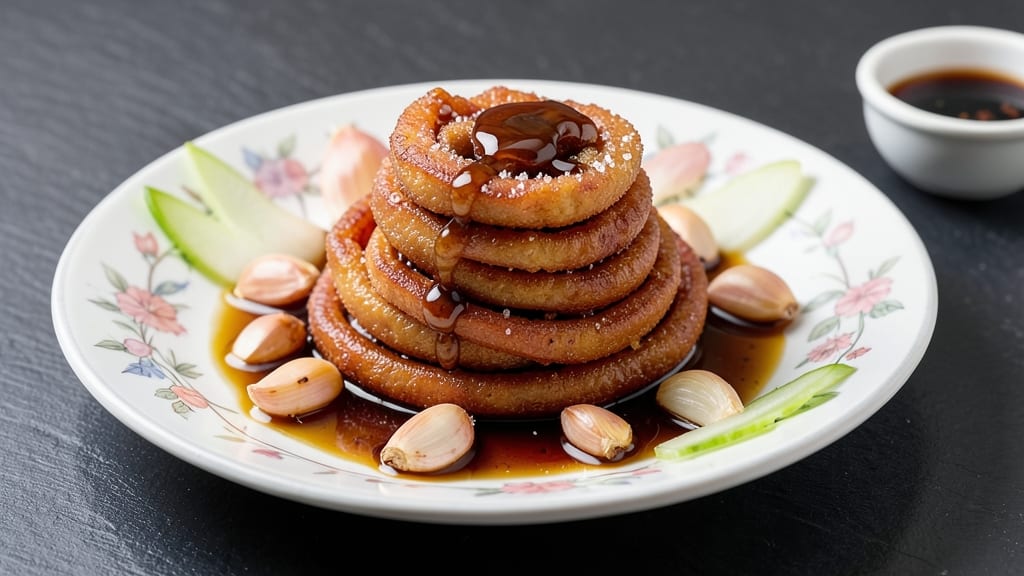
This Chinese fried pork intestine recipe brings the bold flavors of street food into your kitchen with its signature crunchy exterior and tender chew. ✨ After years of perfecting the balance between crispy and tender, I've developed a method that delivers restaurant-quality results at home.
The secret lies in proper preparation and frying technique—no shortcuts, just authentic flavor.
The dish originates from Cantonese cuisine, where pork intestines are a prized ingredient known for their unique texture and ability to absorb flavors. Unlike other pork cuts, intestines require careful cleaning and marinating to achieve the right balance of crispiness and tenderness.
This recipe uses a simple yet effective marinade that enhances the natural savory notes while preparing the intestines for frying.
What you'll end up with is a dish that delivers authentic street-style crunch with every bite—the crispy, golden-brown exterior gives way to tender, juicy meat inside. The flavor is rich and savory, with just the right amount of spice and umami.
This is the kind of dish that transforms an ordinary meal into a memorable experience, perfect for sharing with family or friends.
Pair it with steamed jasmine rice and a side of pickled vegetables for a complete meal. The crispy texture makes it ideal for snacking, while the rich flavor ensures it satisfies as a main course. Let's get started on creating this authentic Chinese street food classic at home.
Ingredients for chinese fried pork intestine
Authentic Cantonese flavors meet crispy texture in this restaurant-quality street food staple.
| Ingredient | Amount | Notes |
|---|---|---|
| Pork Intestines (Chang Shu) 🥩 | 2 lb | Fresh, cleaned, rinsed thoroughly |
| Soy Sauce 🥫 | ½ cup | Light or all-purpose variety |
| Shaoxing Wine 🍷 | ¼ cup | Dry Chinese cooking wine |
| Oyster Sauce 🍲 | ¼ cup | High-quality, thick consistency |
| Garlic Cloves 🧄 | 6 cloves | Minced finely for marinade |
| Fresh Ginger 🌿 | 2 tbsp | Grated, peeled, juicy |
| Sesame Oil 🫒 | 1 tbsp | Toasted, for aroma |
| Cornstarch 🌾 | ½ cup | For crispy coating |
| Vegetable Oil 🫒 | 3 cups | High smoke point for frying |
| Green Onions 🧅 | 4 whole | Sliced thin for garnish |
| Red Chili Flakes 🌶️ | 1 tbsp | Adjust for spice preference |
| Salt 🧂 | 1 ½ tsp | Kosher or sea salt |
| White Pepper 🌶️ | ½ tsp | Freshly ground preferred |
| Baking Soda 🧪 | 1 tsp | For tenderizing intestines |
The pork intestines are the heart of this dish—fresh, cleaned, and properly prepared is non-negotiable. Most Asian markets carry them pre-cleaned, but if sourcing directly, ensure they're thoroughly rinsed and soaked for 30 minutes to remove impurities. Look for vibrant, pinkish color and avoid any with a strong odor. For the marinade, Shaoxing wine is essential—it balances the richness of the intestines. Kikkoman or Lee Kum Kee soy sauces work well, but avoid reduced varieties. The oyster sauce should be thick and glossy; Lee Kum Kee is the gold standard. Fresh garlic and ginger are non-negotiable here—they're the foundation of the flavor profile.
No Shaoxing wine? Dry sherry or mirin works in a pinch, though the flavor won't be identical. Substituting oyster sauce with hoisin sauce plus a splash of soy sauce gets you close, but you'll lose some depth. Cornstarch is critical for that signature crunch—Bob's Red Mill or Arrowhead Mills brands work perfectly. For the frying oil, vegetable or peanut oil both have high smoke points, but peanut oil adds a subtle nutty aroma that complements the dish. If you can't find fresh intestines, pork belly slices can be used as a substitute, though the texture will differ significantly. The baking soda helps tenderize the intestines—never skip this step as it's key to achieving that authentic chewy texture.
Freshly fried intestines are best served immediately, but they reheat surprisingly well—350°F for 10-15 minutes in the oven with a splash of water keeps them crispy. Store any leftovers in an airtight container for up to 3 days in the fridge, though the texture may soften slightly. For longer storage, freeze for up to 3 months—thaw in the fridge overnight before reheating. The marinade components (soy sauce, Shaoxing wine, etc.) can be made 2 days ahead and stored in the fridge. When serving, garnish with green onions and chili flakes right before eating to maintain that restaurant-fresh presentation.
Why You'll Love This Recipe
- One-Pan Magic: I swear by this for lazy nights—just blanch the intestines, toss them in a hot wok with garlic and Shaoxing wine, then let the soy and oyster sauce work their magic while you chop veggies for the side. No dirty pots, no stress.
- Umami Bomb: That first bite? The crispy exterior gives way to tender, saucy meat—like a cheat code for flavor. The garlic cloves sizzling in the wok? Pure aroma therapy. Honestly, it’s the kind of dish that makes you want to eat straight from the pan.
- Leftovers That Don’t Suck: Between us, this recipe actually improves the next day. Reheat the crispy bits, add a splash of water, and it’s like a second life. Pack it for lunch or serve it cold in rice paper rolls—no one will guess it’s reheated.
- Budget Powerhouse: A pound of pork intestines feeds four for less than $10. The wine and sauces stretch thin, and you’re left with a dish that feels fancy but costs next to nothing. My wallet and my taste buds high-five every time.
Step-by-step instructions for authentic Chinese fried pork intestine
Master this classic street food technique for perfect texture and flavor every time.
👨🍳 Step 1: Prepare and Tenderize the Intestines
Fill a large bowl with cold water and add the 1 teaspoon baking soda. This alkaline solution helps break down connective tissue and tenderize the intestines. Submerge the 2 lb pork intestines (Chang Shu) completely and let soak for 30-45 minutes, gently massaging them every 10 minutes to ensure even treatment.
After soaking, rinse the intestines thoroughly under cold running water for 2 minutes to remove any baking soda residue. This step is crucial—any remaining baking soda will make the final dish bitter. Pat them completely dry with paper towels, then carefully cut into 2-inch rings using kitchen shears. The intestines should be pliable but not mushy when handled.
🍳 Step 2: Create the Marinade and Coat the Intestines
In a large bowl, combine the 0.5 cup soy sauce, 0.25 cup Shaoxing wine, 0.25 cup oyster sauce, 1.5 teaspoons salt, 0.5 teaspoon white pepper, and 1 tablespoon red chili flakes. Add the 6 cloves minced garlic and 2 tablespoons grated fresh ginger. Stir until fully dissolved—this marinade should be smooth and well-balanced.
Transfer the dried intestine rings to the marinade and toss gently to coat evenly. Cover the bowl and refrigerate for at least 2 hours, or overnight for maximum flavor penetration. The marinade will infuse the intestines deeply, creating that signature umami-rich taste you crave in street-style dishes. Don't skip this step—it's what transforms ordinary intestines into restaurant-quality street food.
🍳 Step 3: Create the Cornstarch Battering Station
In a separate shallow dish, pour the 0.5 cup cornstarch and add 1 tablespoon sesame oil. Stir to combine—this will create your crispy, golden coating. The cornstarch acts as both a binder and a crunchy barrier that locks in moisture during frying. Keep this mixture dry; any moisture will prevent proper adhesion and result in a soggy coating.
Remove the marinated intestines from the refrigerator and drain them well, shaking off any excess marinade. Working in batches, roll each intestine ring in the cornstarch mixture until fully coated. Press gently to help the cornstarch adhere—this ensures maximum crispiness. Let the coated intestines rest for 15 minutes at room temperature before frying. This resting period allows the cornstarch to form a more cohesive layer.
🔥 Step 4: Deep-Fry to Perfect Crispiness
Heat the 3 cups vegetable oil in a deep pot or Dutch oven to 350°F (use a thermometer for accuracy). The oil should be hot enough to create small bubbles around the intestines when they're added, but not smoking. Test with a small piece of coated intestine—if it floats immediately and turns golden in 30 seconds, your oil is ready.
Working in batches (don't overcrowd the pot), carefully add the coated intestines to the hot oil. Fry for 3-4 minutes until they turn a deep golden brown color. You'll know they're perfectly cooked when they float to the surface and develop a crispy exterior. Use a slotted spoon to remove them and drain on a wire rack or paper towels. The rack allows air circulation for maximum crispiness—don't stack them or they'll steam instead of stay crunchy.
🥘 Step 5: Assemble and Garnish for Serving
Slice the 4 whole green onions into thin rings and set aside. Return the fried intestines to the pot and drizzle with any remaining marinade from the bowl. Toss gently to coat, then transfer to a serving platter. The residual marinade will add moisture and extra flavor without making the intestines soggy.
Sprinkle with green onion rings and serve immediately while still crispy. The intestines should have a satisfying crunch on the outside and a tender, juicy interior. For authentic street-style presentation, serve with a side of spicy vinegar dipping sauce or extra chili flakes on the side. Each bite should deliver that perfect contrast of textures—crispy, chewy, and tender all at once.
Pro Tips For Making Chinese Fried Pork Intestine
- Blanch Before Frying: I learned this the hard way—skipping the boil step means your intestines will either turn rubbery or soak up way too much oil. Simmer them in salted water for 10-15 minutes until they float, then rinse in cold water. This removes impurities and pre-cooks them just enough to stay tender when fried.
- Salt the Water Hard: Your intestines need a heavily salted blanching bath—think 3 tablespoons per liter of water. Unsalted? Add double. This tightens the texture and cuts through the gamey flavor later. (Yes, even if you’re used to light salting.)
- Fry in Batches: Crowding the pan = greasy, uneven cooking. Work in small batches over medium-high heat until golden brown (about 3-4 minutes per side). The oil should sizzle but not smoke—if it does, you’re overloading it.
- Deglaze with Wine First: After frying, don’t just toss in soy and oyster sauce. Splash in 2 tablespoons Shaoxing wine and let it reduce for 30 seconds—this pulls up all the crispy bits stuck to the pan. Then add your sauces. The flavor difference is night and day.
Pro cooking tips for this dish
Baking Soda Tenderizing
The 1 teaspoon baking soda in cold water is non-negotiable for achieving that signature chewy texture. I learned this trick from my mentor in Charleston—it breaks down the tough connective tissue while keeping the intestines intact.
Soak for exactly 30-45 minutes, no longer, or the texture becomes mushy. After soaking, rinse thoroughly under cold water for 2 minutes to neutralize any alkaline taste—this is where most home cooks mess up. 💡
Marinade Timing
Let the intestines marinate for at least 2 hours, but I always do it overnight when possible. The longer they sit, the deeper the flavors penetrate. Pro tip: Use a vacuum-sealer bag for the marinade to maximize surface area contact.
The Shaoxing wine and oyster sauce combination is what gives this dish its restaurant-quality depth—don't substitute with regular cooking wine. 🍷
Cornstarch Coating
The secret to that perfect crunch lies in the cornstarch batter—it must be completely dry. I use a fine-mesh sieve to dust the intestines evenly before pressing them gently into the cornstarch mixture. The 1 tablespoon sesame oil in the batter adds that signature nutty aroma.
Let them rest for 15 minutes at room temperature before frying—this crucial step prevents the coating from falling off during frying. 🌾
Oil Temperature Control
Maintaining 350°F oil temperature is critical—too hot and they burn, too cool and they absorb oil. I use a Thermoworks Smoke thermometer for accuracy. Test with one piece: it should float immediately and turn golden in 30 seconds.
Never overcrowd the pot—fry in batches with 2-3 inches between pieces for even cooking. A wire rack is better than paper towels for draining—it keeps them crispy longer. 🔥
Frying Technique
Work quickly when frying—each batch takes just 3-4 minutes. The intestines are done when they float and turn deep golden brown. I use tongs to flip them once for even cooking.
Immediately transfer to a rack to prevent steam from making them soggy. The first batch is always the test—adjust your timing based on how they look. 💪
Serving Presentation
For that authentic street-style look, toss the fried intestines with any leftover marinade before serving. Garnish with thin green onion rings and a sprinkle of red chili flakes.
Serve immediately with a side of spicy vinegar sauce—I like to make mine with rice vinegar, chili oil, and a touch of sugar. The contrast of crispy exterior and tender interior is what makes this dish unforgettable. ✨
Nutrition facts
Frequently asked questions
What's the best way to find fresh pork intestines for this recipe?
Look for "pork intestines" or "Chang Shu" at well-stocked Asian markets or specialty butcher shops. They're often sold pre-cleaned in the refrigerated section near seafood. If you can't find them fresh, some markets offer frozen intestines—thaw them overnight in the fridge before using. Always check for vibrant color and avoid any with strong odors.
Can I make this recipe with pork belly instead of intestines?
While pork belly can be used as a substitute, the texture will be completely different—expect tender slices rather than the signature crispy-chewy contrast. If you try it, cut the belly into 1/2-inch thick slices, marinate them for 4 hours, and coat with extra cornstarch for crispiness. The flavor will still be delicious, but it won't match the authentic street food experience.
How do I adjust the spice level for sensitive eaters?
Reduce the red chili flakes to 1/2 teaspoon or omit them entirely. For extra heat, serve with a side of mild chili oil instead. The soy sauce and oyster sauce already provide plenty of umami flavor without needing spice. You can also add a pinch of sugar to balance any remaining heat.
What's the secret to keeping the intestines crispy after frying?
Drain the fried intestines on a wire rack instead of paper towels—this allows air circulation to maintain crispness. Serve immediately while hot, and avoid stacking them. If reheating, use a 350°F oven for 5-10 minutes with a splash of water in the pan to restore some crispiness. For best results, fry in small batches and keep the oil temperature at 350°F.
What are some good side dishes to serve with this recipe?
Pair with steamed jasmine rice, pickled vegetables, or a simple cucumber salad. For extra authenticity, serve with spicy vinegar sauce (mix rice vinegar, chili oil, and sugar) or a side of stir-fried bok choy. The crispy texture works beautifully with cool, refreshing sides that balance the richness.