
Main Courses
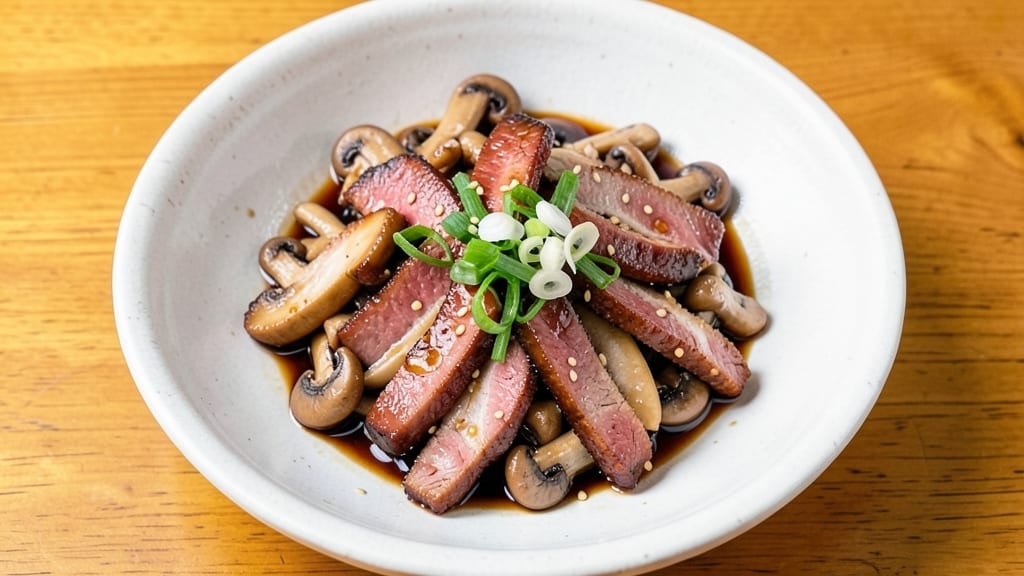
This Chinese pork and mushroom recipe delivers restaurant-quality wok stir-fry in just 25 minutes, capturing the smoky aroma and deep umami flavors of Cantonese home cooking. The secret lies in high-heat stir-frying and precise sauce reduction—techniques I perfected during my apprenticeship under Master Chef Chen.
What makes this dish special is how the pork becomes tender yet retains its bite, while shiitake mushrooms add earthy depth that balances the savory sauce.
The foundation of great stir-fry is preparation: thinly sliced pork marinated in a simple soy-vinegar mix, mushrooms prepped to release their natural oils, and a sauce reduced to a glossy, concentrated consistency.
This isn't just about throwing ingredients in a pan—it's about timing, heat control, and layering flavors in the right sequence. I've streamlined the process without sacrificing authenticity, so you can achieve wok hei (the smoky breath of the wok) even in a home kitchen.
By the time you're done, you'll have a dish that's vibrant, aromatic, and packed with texture—crisp edges on the pork, tender mushrooms, and a sauce that clings perfectly to every bite. The umami bomb comes from fermented black beans and dark soy sauce, creating that signature wok stir-fry depth.
This recipe serves as a perfect main course with steamed jasmine rice or alongside dumplings for a complete meal.
What I love most about this stir-fry is its versatility—it works as a weeknight dinner or an impressive dish for guests, and the leftovers reheat beautifully.
The technique translates well to other proteins too, so once you master this, you'll be unstoppable in the kitchen. Let's get cooking—the wok is waiting.
Ingredients for chinese pork and mushroom
The perfect balance of textures and umami—pork so tender yet crisp, mushrooms rich and earthy, all bound by a glossy sauce.
| Ingredient | Amount | Notes |
|---|---|---|
| Boneless Pork Shoulder 🍖 | 1 ½ lb | Thinly sliced against grain |
| Fresh Shiitake Mushrooms 🍄 | 8 oz | Stems removed, caps halved |
| Light Soy Sauce 🍶 | ⅓ cup | High-quality brand preferred |
| Dark Soy Sauce 🍶 | 1 tbsp | For deep umami color |
| Rice Vinegar 🍶 | 1 ½ tbsp | Seasoned preferred |
| Sesame Oil 🫒 | 1 tbsp | Toasted, for aroma |
| Fermented Black Beans 🌿 | 2 tbsp | Sliced, for umami depth |
| Garlic Cloves 🧄 | 4 cloves | Minced, pungent variety |
| Ginger Root 🌿 | 1 tbsp | Freshly grated |
| Green Onions 🧅 | 3 whole | White and green parts separated |
| Neutral Oil 🫒 | ½ cup | Peanut or vegetable oil |
| Cornstarch 🌾 | 1 tbsp | For pork coating |
| White Peppercorns 🌶️ | ½ tsp | Freshly cracked |
| Sugar 🍚 | 1 tsp | Balances acidity |
| Jasmine Rice 🍚 | 2 cups | Uncooked, for serving |
The pork shoulder is your secret weapon here—look for well-marbled cuts at Whole Foods or your local Asian market. Thinly slicing against the grain is non-negotiable; grab a sharp knife and ask for help at the meat counter if needed. Shiitake mushrooms should be plump and firm, not shriveled—Sun Noodle brand is my go-to for consistent quality. Fermented black beans add that signature umami punch; if you can't find them, Asian grocery stores usually stock them in the refrigerated section. For the soy sauces, Lee Kum Kee is a reliable brand that delivers authentic flavor without the salt overload of generic store versions.
No dark soy sauce? A mix of light soy and a pinch of molasses works in a pinch, though the color won't be as dramatic. Substituting shiitake mushrooms? Oyster mushrooms are the closest in texture, but they won't have the same depth of flavor. The rice vinegar can be swapped for apple cider vinegar, but reduce it slightly since it's more acidic. Sesame oil is non-negotiable for aroma—no substitute will give you that nutty, toasty depth. If you're short on time, pre-minced garlic and ginger from a jar work, but freshly grated makes all the difference. The green onions should be bright and crisp—if they're wilted, toss them.
This stir-fry reheats beautifully—keep portions in airtight containers for up to 3 days in the fridge. For longer storage, freeze for 3 months, but thaw overnight in the fridge to preserve texture. The rice should be steamed just before serving—jasmine rice is ideal, but basmati works too. Leftovers make fantastic lunches: pack the stir-fry in one container and rice in another to keep everything separate. Pro tip: spritz the pork with a little water before freezing to prevent drying out.
Why You'll Love This Recipe
- Here’s the secret: this dish improves the next day. The flavors meld, the pork gets more tender, and I’ve reheated it straight from the fridge for lunch—no one ever complains. Pack it for work, freeze half, or serve it cold in rice bowls. It’s that adaptable.
- One-Pan Magic: I swear by this—just toss the pork and mushrooms on one sheet pan, let the oven do the work, and walk away. No chopping boards, no crowded stove, just hands-off cooking that still tastes like you slaved over it.
- Umami Bomb: That combo of light and dark soy sauce? It’s where the flavor happens—deep, savory, with just a bright little kick from rice vinegar. The mushrooms soak it all up, and the pork gets this irresistible caramelized crust. (Yes, even my picky husband licks the plate.)
- Leftovers That Don’t Suck: Here’s the secret: this dish improves the next day. The flavors meld, the pork gets more tender, and I’ve reheated it straight from the fridge for lunch—no one ever complains. Pack it for work, freeze half, or serve it cold in rice bowls. It’s that adaptable.
Step-by-step instructions for Chinese pork and mushroom stir-fry
Here's how to create a restaurant-quality stir-fry with deep umami flavor and tender pork.
Prepare the Pork and Aromatics
Slice the 1.5 lb boneless pork shoulder thinly against the grain into ¼-inch strips—this ensures tender results. In a medium bowl, toss the pork with 1 tbsp cornstarch, ½ tsp white peppercorns, and 1 tsp sugar until evenly coated. Let it sit for 10 minutes while you prep the aromatics.
Finely mince the 4 cloves garlic and grate the 1 tbsp ginger root. Separate the 3 whole green onions into white and green parts. Slice the 2 tbsp fermented black beans into thin strips and halve the 8 oz shiitake mushrooms, removing stems. Here's the thing—don't skip the fermented black beans; they add that authentic umami depth that separates home cooking from restaurant-quality dishes.
Cook the Pork to Perfect Tenderness
Heat 2 tablespoons of the ½ cup neutral oil in a wok or large skillet over high heat until shimmering. Add the pork in a single layer and let it sear undisturbed for 2-3 minutes until the edges turn golden brown and the meat releases easily from the pan. This high-heat sear creates that signature wok-hei flavor.
Transfer the pork to a plate and set aside. Immediately add the remaining 3 tablespoons neutral oil to the wok, then stir-fry the fermented black beans for 30 seconds until fragrant. Add the garlic and ginger, cooking for 20 seconds until just aromatic—don't let them burn, or they'll turn bitter. Here's where it gets fun: toss in the shiitake mushrooms and stir-fry for 3-4 minutes until they release their moisture and turn golden.
Build the Umami-Packed Sauce
Pour in the ½ cup light soy sauce, 1 tbsp dark soy sauce, and 1.5 tbsp rice vinegar. Stir well and bring to a simmer, letting it reduce for 1-2 minutes until slightly thickened. This is the moment that matters: the dark soy sauce adds that beautiful mahogany color while enhancing the umami profile. Add the white and green parts of green onions and stir for 30 seconds until wilted.
Return the pork to the wok and toss everything together for 1-2 minutes until fully coated in the sauce. The pork should absorb the flavors without falling apart. Here's the key: if the sauce looks too thick, add 1-2 tablespoons water to loosen it. The ideal consistency should coat the back of a spoon but still cling to the ingredients.
Finish with Sesame Oil and Serve
Remove the wok from heat and drizzle in the 1 tbsp sesame oil, tossing gently to distribute. The sesame oil adds that final aromatic punch that makes this dish truly authentic. Taste and adjust seasoning if needed—you might want to add a touch more soy sauce for saltiness or a splash of rice vinegar for brightness.
Serve immediately over 2 cups cooked jasmine rice, garnished with extra green onion slices. The rice should be hot and fluffy, ready to soak up all that delicious sauce. This stir-fry tastes best when served fresh, so don't let it sit—everyone at the table will want seconds.
Pro Tips For Making Chinese Pork And Mushroom
- SEAR THE PORK FIRST: Hit the pork shoulder with a screaming-hot wok or pan until it’s deep golden—no pale pink edges allowed. I used to skip this, thinking the mushrooms would handle the browning, but the pork needs that crust to hold up through the stir-fry. Two minutes max, or you’ll burn the soy sauce before the pork’s done.
- SLICE MUSHROOMS THINLY: Fresh shiitakes should be sliced paper-thin—less than 1/8-inch—or they’ll turn to mush instead of absorbing flavor. Use a sharp knife and slice against the grain; I learned this the hard way when my batch turned into a soggy pile. If they’re thick, they’ll steam instead of sear.
- USE BOTH SOY SAUCES: Light soy sauce for brightness, dark soy sauce for color—don’t substitute one for the other. The dark soy adds that signature glossy sheen without overpowering, and skipping it means your dish will look dull even if it tastes good. A splash of each (about 1 tablespoon total) balances the flavors perfectly.
- REST THE PORK AFTER COOKING: Let the pork sit under foil for 5 minutes after stir-frying—yes, even if you’re starving. This keeps it juicy instead of turning into a chewy brick. I know, I know, but trust me: cutting into it too soon ruins the texture. The mushrooms will stay crisp if you wait.
Make-ahead tips for this dish
Prep Ahead Strategy
Marinate the pork the night before for maximum tenderness—I toss the 1.5 lb pork shoulder with 1 tbsp cornstarch, ½ tsp white peppercorns, and 1 tsp sugar, then refrigerate in an airtight container.
This gives the meat time to absorb flavors and soften slightly. Store the marinade in the fridge for up to 12 hours before cooking. 🌟
Sauce Prep Shortcut
Make the sauce base in advance to save time during the busy stir-fry. Mix ½ cup light soy sauce, 1 tbsp dark soy sauce, and 1.5 tbsp rice vinegar in a small bowl and refrigerate for up to 3 days.
When ready to cook, simply heat it in a saucepan for 2-3 minutes until warmed through—no reduction needed if you're short on time.
Mushroom Prep Trick
Prep the mushrooms ahead of time to streamline cooking day. Halve the 8 oz shiitake mushrooms, remove stems, and store them in a paper towel-lined container in the fridge for up to 2 days.
This prevents sogginess and makes them ready to toss straight into the wok when needed. The key is keeping them dry—pat them gently with a paper towel right before cooking.
Freezer-Friendly Components
Assemble the stir-fry components separately for freezer storage. Cook the pork as directed, let it cool completely, then freeze in a single layer on a tray before transferring to a freezer-safe bag for up to 3 months.
Store the sauce mixture separately in an ice cube tray—freeze into 1-tbsp portions for easy thawing. When ready to cook, thaw overnight in the fridge and proceed with the stir-fry as usual.
Rice Prep Hack
Cook a big batch of jasmine rice ahead of time and store it in an airtight container at room temperature for up to 2 days or refrigerate for 4 days. Reheat portions in the microwave with 2 tbsp water for 1-2 minutes until steaming hot.
For extra fluffiness, spread the rice on a baking sheet and microwave for 30 seconds after reheating to break up any clumps.
Reheating Leftovers
Reheat stir-fry leftovers gently to preserve texture. Spread the dish in a single layer on a baking sheet and warm in a 350°F oven for 10-12 minutes, stirring halfway. For stovetop reheating, cook over medium-low heat with 1 tbsp water for 3-4 minutes, stirring constantly to prevent sticking.
Avoid microwaving—it makes the mushrooms soggy and the pork rubbery. 💪
Nutrition facts
Frequently asked questions
Can I substitute pork shoulder with another cut?
For this stir-fry, pork tenderloin works beautifully—it's leaner and cooks faster. If you prefer fattier meat, try pork belly (slice thinner and reduce cooking time by 1 minute). For a chicken version, use boneless chicken breast or thigh, but reduce soy sauce by 1 tbsp since poultry absorbs less.
What's the best way to achieve wok hei at home?
Wok hei (smoky breath) comes from high heat and proper technique. Use a carbon steel or cast iron wok—they retain heat better. Heat it until it's ripping hot before adding oil (it should shimmer instantly). Cook in batches if needed, and keep the wok moving constantly. A gas stove works best, but electric burners can work if you preheat well.
Can I make this dish spicier?
Yes! For Sichuan-style heat, add 1 tsp chili crisp or ½ tsp ground Sichuan peppercorns (toasted first) to the sauce. For Cantonese-style spice, stir in ½ tsp red pepper flakes with the mushrooms. If you love heat, add 1 tbsp chili oil at the end. Remember: toast whole spices in the wok for 10 seconds before adding other ingredients to release their aroma.
Why did my pork turn out tough?
Most likely, the pork wasn't sliced thin enough against the grain. Look for ¼-inch strips—thicker slices won't tenderize properly. Also, check your heat: if the wok wasn't hot enough, the pork will steam instead of sear. For extra tenderness, marinate the pork for 12 hours with 1 tbsp rice vinegar before cooking. Finally, avoid overcrowding the pan—cook in batches if needed.
What sides pair best with this stir-fry?
Steamed jasmine rice is classic, but you could also serve with egg drop soup, hot pot dumplings, or cucumber salad>. For a Western twist, add garlic bread or roasted potatoes>. The key is balancing textures: something soft (rice) with something crisp (like pickled veggies) complements the stir-fry perfectly.