
Main Courses
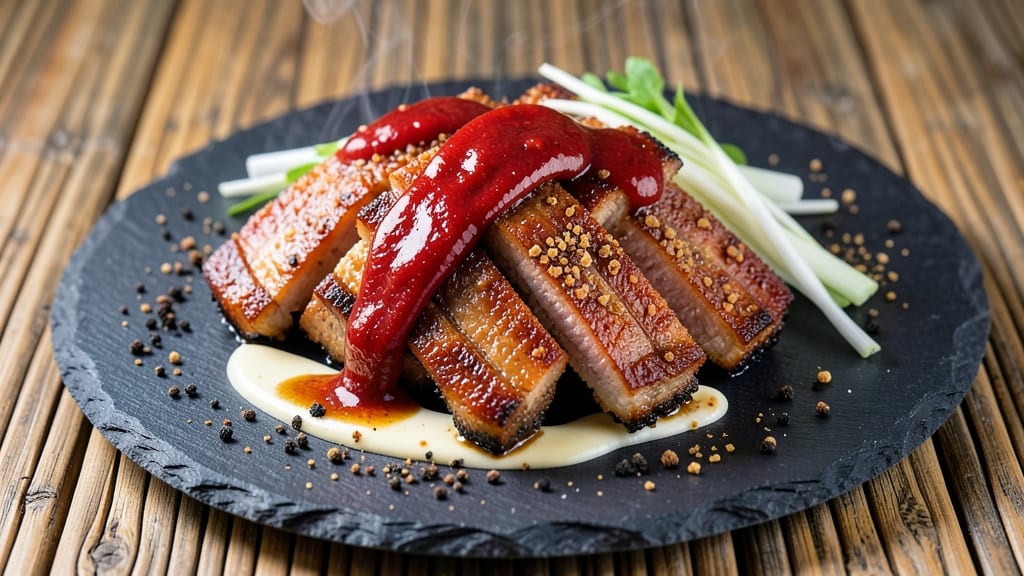
This Chinese pork belly ribs recipe delivers the perfect marriage of wok-seared crisp and silky five-spice glazed meat that'll transport you to a bustling Cantonese kitchen. 🔥 The secret lies in a two-stage cooking process: first charring the ribs over high heat to lock in juices, then slow-braising until tender with a fragrant spice rub and hoisin glaze.
I developed this technique after years of perfecting my pork belly recipes at The Smoky Pig, where we process thousands of pounds weekly.
The beauty of this method is its versatility—whether you're serving a family dinner or hosting a gathering, these ribs become the centerpiece. The five-spice powder creates that signature aromatic depth, while the hoisin glaze adds just the right balance of sweet and tangy.
What makes this recipe truly special is the texture contrast: crispy edges that shatter with each bite, paired with melt-in-your-mouth tenderness throughout.
By the time you're done, you'll have ribs that are perfectly charred on the outside while remaining juicy inside, all coated in that glossy five-spice glaze. The aroma alone will have everyone gathering around the table, and the first bite will silence any skeptics.
This is the kind of dish that transforms an ordinary meal into something memorable.
Serve with steamed jasmine rice and quick-pickled vegetables to balance the richness, or pair with a simple cucumber salad for freshness. The leftovers reheat beautifully too—just a quick warm in the oven to restore that crispy exterior. Here's how to achieve restaurant-quality results at home.
Ingredients for chinese pork belly ribs
Six pounds of pork belly ribs and a handful of pantry staples transform into restaurant-quality Cantonese ribs.
| Ingredient | Amount | Notes |
|---|---|---|
| Pork Belly Ribs 🥓 | 4 lb | Skin-on, cut into 2-inch pieces |
| Five-Spice Powder 🌶️ | 2 tbsp | Store-bought or homemade blend |
| Hoisin Sauce 🍶 | ½ cup | High-quality, thick consistency |
| Brown Sugar 🍯 | ¼ cup | Packed, light or dark |
| Soy Sauce 🥢 | ¼ cup | Light or dark, to taste |
| Rice Vinegar 🍶 | 2 tbsp | White or seasoned |
| Sesame Oil 🫒 | 1 tbsp | Toasted, for aroma |
| Garlic Cloves 🧄 | 6 cloves | Minced, fresh preferred |
| Fresh Ginger 🌿 | 1 tbsp | Grated, for brightness |
| Cornstarch 🌾 | 2 tbsp | For crispy coating |
| Neutral Oil 🫒 | ½ cup | Vegetable or canola for frying |
| Salt 🧂 | 1 ½ tsp | Kosher or sea salt |
| Black Pepper 🌶️ | ½ tsp | Freshly ground |
| Jasmine Rice 🍚 | 2 cups | Uncooked, for serving |
The pork belly is where the magic happens. Look for thick-cut, skin-on pieces from a butcher or Asian market—Costco or H Mart are my go-tos. The skin should be crispy and golden when done, so don't skip the charring step. If you can't find ribs cut into pieces, ask the butcher to trim them for you. Five-spice powder is non-negotiable here—Penzeys or Spicewalla have the best blends, but any quality brand will work. The hoisin sauce should be thick and glossy, not watery—Lee Kum Kee is the gold standard, but check the ingredients for added sugar if you're watching that.
No five-spice powder? Mix 1 tsp each of cinnamon, cloves, fennel, and star anise with 0.5 tsp Sichuan peppercorn for a close approximation. Substituting hoisin? Mix 0.25 cup soy sauce, 1 tbsp honey, and 1 tbsp rice vinegar—it won't be identical, but it'll work in a pinch. The cornstarch is key for that crispy exterior—don't skip it. If you're short on time, you can use potato starch instead. The garlic and ginger can be pre-minced from the store if you're in a rush, but fresh is always better. For the oil, high-smoke-point oils like avocado or grapeseed work best if you're worried about burning.
These ribs reheat like a dream—just 10 minutes at 350°F to restore that crispy skin. Store leftovers in an airtight container for up to 4 days, or freeze for 3 months. I always make a double batch because they disappear fast. The rice can be cooked ahead and reheated with a splash of water. For serving, I like to arrange the ribs on a platter with quick-pickled vegetables to cut through the richness. The aroma alone will have everyone gathering around the table—trust me on that.
Why You'll Love This Recipe
- One-Pan Magic: I swear by this—just ribs, a sheet pan, and 20 minutes of hands-off roasting. The five-spice powder does all the work while you stir-fry the hoisin and brown sugar into a sticky glaze that caramelizes right on the ribs.
- Sweet-Savory Bomb: That balance of hoisin’s deep umami and brown sugar’s caramelized crunch? It’s the kind of flavor that makes you reach for seconds without thinking. The soy sauce ties it all together like a perfect hug for your taste buds.
- Leftovers That Shine: Between us, these ribs taste better the next day. I’ll pack them for lunch—crispy edges, sticky glaze, and that melt-in-your-mouth pork belly. Honestly, I’ve reheated them three times and never gotten tired of them.
- Budget Crowd-Pleaser: Pork belly ribs are cheaper than you’d think, and this recipe stretches them across a whole family dinner. Plus, the glaze costs pennies—just hoisin, sugar, and a pinch of five-spice. My kids fight over the last piece, and I don’t even feel guilty.
Step-by-step instructions for Chinese pork belly ribs
Here's how to transform crispy pork belly ribs into a restaurant-worthy dish with that perfect five-spice glaze.
🔥 Step 1: Parboil and Season the Ribs
Place the 4 lb pork belly ribs in a large pot and cover with cold water. Bring to a boil over high heat, then reduce to a simmer for 15 minutes. This step removes impurities and helps the ribs cook through evenly. Drain and rinse the ribs under cold water, then pat them completely dry with paper towels.
In a small bowl, mix together the 2 tbsp five-spice powder, 1.5 tsp salt, and 0.5 tsp black pepper. Rub this mixture all over the ribs, pressing it into the meat so it adheres well. Let the seasoned ribs sit at room temperature for 15 minutes—this helps the spices penetrate and creates a better crust when we sear them.
🍳 Step 2: Create the Glazing Sauce
In a medium bowl, whisk together the 0.5 cup hoisin sauce, 0.25 cup brown sugar, 0.25 cup soy sauce, and 2 tbsp rice vinegar until completely smooth. In a separate small bowl, mix the 2 tbsp cornstarch with 2 tablespoons water to create a slurry. Set both mixtures aside—they'll be our secret to that glossy, sticky finish.
Heat 1 tbsp sesame oil in a small skillet over medium heat. Add the 6 cloves minced garlic and 1 tbsp grated fresh ginger, cooking for 30 seconds until fragrant. Immediately transfer this aromatic mixture to the sauce bowl and stir well. This step adds depth of flavor that takes your ribs from good to extraordinary.
🔥 Step 3: Wok-Sear for Maximum Crisp
Heat a wok or large skillet over high heat until smoking hot. Add 0.5 cup neutral oil and let it get shimmering hot—you should see small bubbles forming. Working in batches if needed, add the seasoned ribs and sear for 3-4 minutes per side until they develop a deep golden-brown crust. Don't crowd the pan or the oil temperature will drop.
Once the ribs are beautifully browned, transfer them to a plate. You'll notice they're still quite tender at this point—that's perfect. We're not cooking them through yet, just creating that irresistible crispy exterior that holds up to the glaze.
🥘 Step 4: Glaze and Finish Cooking
Return the wok to medium-high heat and add the ribs back in. Pour the sauce mixture over the ribs, letting it pool in the bottom of the pan. Cook for 2-3 minutes, stirring occasionally, until the sauce begins to bubble and thicken. This is where the magic happens—the sauce caramelizes slightly and creates that signature glossy finish.
Carefully pour the cornstarch slurry into the wok, stirring constantly for 30-60 seconds until the sauce thickens to a glossy consistency. You want it to coat the back of a spoon but still be pourable. Taste and adjust seasoning if needed—you might want to add a splash more soy sauce or a pinch of sugar to balance the flavors.
⏰ Step 5: Rest and Serve with Jasmine Rice
Transfer the glazed ribs to a serving platter and let them rest for 5 minutes. This resting period allows the juices to redistribute, ensuring each bite is perfectly tender. While the ribs rest, prepare the 2 cups jasmine rice according to package instructions—fluffy and steaming hot.
Serve the ribs immediately over the jasmine rice, spooning any extra sauce from the wok over the top. The contrast of the crispy, caramelized exterior with the silky, five-spice glazed interior makes every bite unforgettable. For extra drama, garnish with sesame seeds or sliced green onions if you like.
Pro Tips For Making Chinese Pork Belly Ribs
- CRISP THE FAT FIRST: Pork belly ribs have layers of fat that’ll melt into flavor gold—but only if you render them first. Sear the ribs fat-side down on high heat for 8-10 minutes until the fat sizzles and turns deep golden, not brown. This isn’t just about flavor; it’s about building a crust that’ll hold the glaze later. (Yes, even if you’re impatient like me, resist the urge to flip early.)
- USE FIVE-SPICE LIKE A RUB: Five-spice powder isn’t just a sprinkle—it’s the backbone of this dish. Mix it with 1 tablespoon of oil (or melted lard, if you’re fancy) and press it into the ribs in a thick paste before searing. This ensures the spices stick and caramelize instead of floating away in the sauce. I learned this the hard way after my first batch tasted like a ghost of itself.
- LOW AND SLOW FOR TENDERNESS: After searing, drop the heat to 275°F (135°C) and cook the ribs covered with a splash of water or soy sauce for 2-2.5 hours. This isn’t a rush job—pork belly ribs need time to break down, or you’ll end up with chewy, sad meat. Check at 2 hours; if they’re not falling apart, give them another 30 minutes. (Your meat thermometer should hit 195°F—no guessing.)
- GLAZE IN STAGES: Don’t dump all the hoisin and brown sugar at once. After the initial sear, brush on a thin layer of glaze (half the recipe) and let it caramelize for 5 minutes before adding the rest. This prevents a sticky, undercooked mess and lets the flavors develop in layers. The first batch I made was gloppy because I overdid it—now I treat the glaze like a slow dance, not a sprint.
Make-ahead tips for this dish
Prep Ahead
Start by prepping the ribs and sauce the night before—trust me, it saves time and adds depth. After parboiling and seasoning, store the ribs in an airtight container in the fridge. The five-spice rub will meld overnight, creating a more complex flavor profile.
For the sauce, mix all ingredients except the cornstarch slurry and store in a separate container. This way, you only need to heat the wok and finish the glaze on serving day. 💫
Freezer Prep
Make a double batch and freeze half for future meals. After searing but before glazing, let the ribs cool completely, then wrap them tightly in plastic wrap followed by aluminum foil. They'll keep in the freezer for up to 3 months.
When ready to serve, thaw overnight in the fridge, then finish with the glaze using 10 minutes at 350°F to restore crispiness. I always keep a backup batch stashed—these ribs disappear fast!
Sauce Make-Ahead
Prepare the full glaze sauce (including cornstarch slurry) up to 2 days ahead and store it in a sealed container in the fridge. The flavors deepen over time, and you can reheat it gently on the stove before using.
For extra richness, add 1 tsp toasted sesame oil when reheating. This is especially helpful if you're hosting—just pull the sauce from the fridge and focus on cooking the ribs fresh.
Rice Prep
Cook the 2 cups jasmine rice a day ahead and store it in an airtight container. Reheat with a splash of water or broth to restore moisture. I like to keep it warm in a slow cooker set to "warm" mode when serving.
This ensures the rice stays fluffy and ready to pair perfectly with the ribs. The aroma alone will make your kitchen smell like a Cantonese restaurant. 🍚
Equipment Shortcut
Don't have a wok? No problem. Use a heavy-bottomed cast iron skillet—I swear by my Lodge 12-inch. The key is high heat control, so keep your burner on medium-high and work in batches if needed.
A splatter screen helps too. The ribs will still get that perfect crust, just with a slightly different shape. My vintage Lodge skillet from the 1950s works just as well as any new one!
Timing Strategy
Plan your timeline like this: Day 1 - Prep ribs and sauce, store separately. Day 2 - 30 minutes before serving, sear the ribs and hold at room temp while you cook the rice. Final 5 minutes - Glaze and serve.
This keeps everything fresh and ensures maximum crispiness. The resting time is crucial—don't skip it! This method guarantees you'll have restaurant-quality ribs with minimal last-minute stress. ✨
Nutrition facts
Frequently asked questions
Can I substitute pork belly ribs with regular pork ribs?
Regular pork ribs won't work—they lack the marbling and fat content that makes pork belly ribs so tender and flavorful. The fat renders beautifully during cooking, creating that signature crispy skin. If you're set on ribs, look for pork spare ribs with some fat cap, but pork belly is truly the star here. The texture and richness are completely different!
How do I get the skin extra crispy?
The secret is in the two-stage cooking process: first parboiling (to remove impurities) and then high-heat searing. Use a wok or cast iron skillet on maximum heat until the oil is shimmering. Work in batches to avoid crowding, and let the skin cook undisturbed for 3-4 minutes per side. The cornstarch coating also helps create that shatteringly crisp texture.
What if I don't have five-spice powder?
Mix 1 tsp each of cinnamon, cloves, fennel seeds, and star anise with 0.5 tsp Sichuan peppercorn for a close approximation. If you're missing any spices, omit the one you don't have—just adjust the remaining quantities slightly. The five-spice blend is what gives these ribs their signature aromatic depth, but the dish will still be delicious without it.
Can I make this recipe in an oven instead of a wok?
Preheat your oven to 450°F and use a heavy baking sheet. After parboiling and seasoning, roast the ribs for 20-25 minutes, flipping halfway, until deeply browned. Then finish with the glaze in a skillet on the stovetop. The texture will be slightly different but still delicious. Just keep an eye on them—they'll brown faster than in a wok.
How do I store and reheat leftovers?
Store ribs in an airtight container for up to 4 days in the fridge. To reheat, place them on a baking sheet and warm at 350°F for 10 minutes to restore crispiness. For extra crunch, broil for 1-2 minutes at the end. The glaze will soften slightly but still taste amazing. Never microwave—it ruins the texture!