
Main Courses
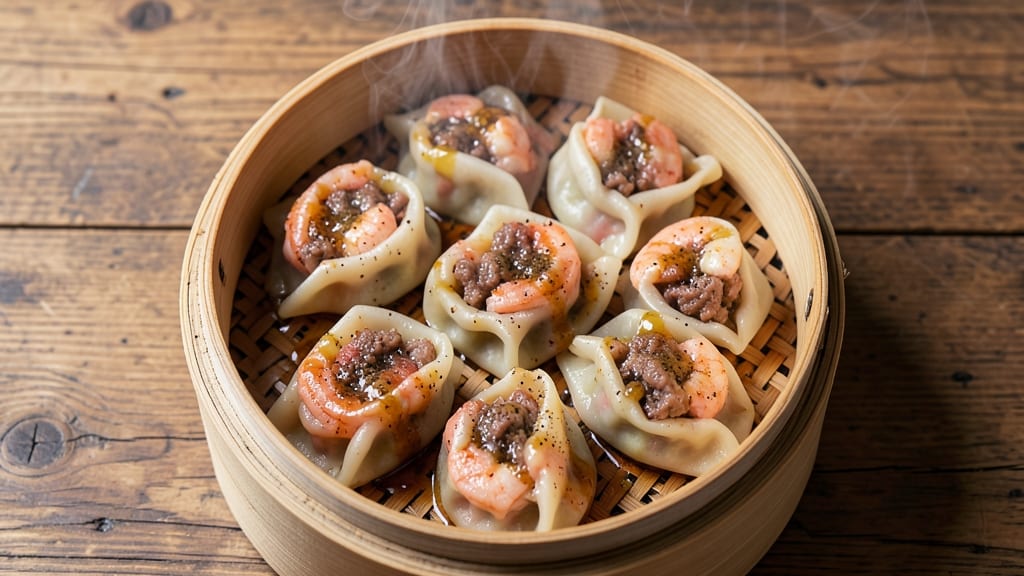
This Chinese pork and shrimp siomai recipe delivers the perfect balance of tender fillings and delicate wrappers—each bite is a harmonious blend of savory pork, sweet shrimp, and aromatic five-spice.
As someone who's spent years perfecting dumpling techniques, I can tell you these are the kind of dumplings that make any gathering feel special. The secret lies in the dough's elasticity and the filling's precise seasoning, both of which I've refined over countless batches.
What sets these siomai apart is the fusion of textures and flavors: the juicy pork and shrimp filling stays cohesive while steaming, wrapped in a wrapper that achieves that signature translucent finish.
The five-spice blend—star anise, fennel, cloves, cinnamon, and pepper—adds depth without overpowering, while a touch of soy and oyster sauce ties everything together. This recipe stays true to traditional techniques while making it accessible for home cooks.
By the time you're done, you'll have a plate of golden-brown dumplings with crisp edges and tender centers, served with a simple yet vibrant dipping sauce. The aroma alone will draw everyone to the table, and the first bite delivers that perfect harmony of savory, sweet, and umami.
These dumplings are ideal for family meals, potlucks, or when you want to impress guests with restaurant-quality results.
The best part? You can make the dough and filling ahead, then steam them fresh when ready. This makes it perfect for meal prep or entertaining. Let's get started on creating these fragrant, flavorful dumplings that capture the essence of Chinese comfort food.
Ingredients for chinese pork and shrimp siomai
These 15 ingredients create restaurant-quality siomai with tender fillings and delicate wrappers.
| Ingredient | Amount | Notes |
|---|---|---|
| Ground Pork 🐷 | 1 ½ lb | Lean for best texture |
| Large Shrimp 🦐 | 1 lb | Peeled, deveined, chopped |
| Five-Spice Powder 🌶️ | 1 ½ tbsp | Homemade blend preferred |
| Light Soy Sauce 🥄 | ½ cup | Kikkoman recommended |
| Oyster Sauce 🍜 | 2 tbsp | High-quality brand |
| Sesame Oil 🫒 | 1 tbsp | Toasted for aroma |
| Green Onions 🧅 | 4 whole | White and green parts |
| Fresh Ginger Root 🧅 | ½ cup | Finely minced, peeled |
| Garlic Cloves 🧄 | 6 cloves | Minced, aromatic |
| Siomai Wrappers 🍡 | 36 pieces | Square, store-bought |
| Water 💧 | 1 ½ cups | For dough elasticity |
| Cornstarch 🌾 | 1 tbsp | For wrapper coating |
| Vegetable Oil 🫒 | 1 tbsp | For steaming basket |
| White Pepper 🌶️ | ½ tsp | Freshly ground |
| Salt 🧂 | ½ tsp | Fine sea salt |
The five-spice blend is non-negotiable here—Penzeys Spices or a trusted Asian market carry the best pre-mixed version. If making your own, toast the whole spices first for deeper flavor. For shrimp, frozen works perfectly—just thaw and chop. The pork should be ground fresh if possible, but pre-ground from the store is fine. I always grab extra ginger and garlic—they're the flavor anchors in this recipe. Asian grocery stores have the freshest ginger with vibrant color, but the regular grocery store stuff works too if it's firm and smells bright.
No five-spice powder? Mix 1 tsp each of star anise, fennel, cinnamon, and cloves with 1/2 tsp pepper. Shrimp too expensive? Scallops or extra pork work in a pinch. The wrappers are the tricky part—H Mart or 99 Ranch carry the best quality, but most Asian markets stock them. If you can't find them, gwok sau wrappers are a decent substitute. The soy sauce matters—Kikkoman light is the gold standard, but any good-quality light soy will do. For the dipping sauce, substitute hoisin for oyster sauce if needed.
These dumplings steam best fresh, but you can prep the filling and wrappers ahead. Store filling in an airtight container for 2 days in the fridge. Wrappers keep 1 week in the freezer. The dipping sauce can be made a day ahead—it actually tastes better after flavors meld. Steam in batches for even cooking, and always oil the steamer basket to prevent sticking. Leftovers reheat beautifully—just steam for 5-7 minutes until hot.
Why You'll Love This Recipe
- No-Knead Dough Magic: I swear by this trick—just mix flour, water, and a pinch of salt, then let it rest while you prep the filling. No rolling, no fuss, and the dough stays soft enough to seal those juicy pork-shrimp pockets without tearing.
- Five-Spice Secret Weapon: That little jar of five-spice powder? It’s the flavor multiplier. Warm cinnamon, star anise, and clove wrap around the pork and shrimp like a cozy blanket, while the light soy and oyster sauce add that signature umami punch—savory, slightly sweet, and impossible to resist.
- Lunchbox Hero: Steamed or pan-fried, these siomai are the go-to for packed lunches. The filling stays packed and flavorful for days, and the wrappers hold up perfectly. My kids (and my husband) actually eat their veggies when I sneak shredded carrots into the filling—no complaints.
- Budget Meal Stretch: Ground pork and shrimp are affordable staples, and a single batch of dough feeds a family for days. Freeze extras before steaming, and you’ve got a week’s worth of handheld dinners ready in minutes—no takeout needed. Honestly, my wallet thanks me every time.
Step-by-step instructions for Chinese pork and shrimp siomai
Here's how to create these delicate dumplings with a fragrant five-spice filling that bursts with flavor.
Prepare the Filling Ingredients
In a large mixing bowl, combine the 1.5 lb ground pork and 1 lb chopped shrimp. This combination gives you that perfect balance of rich pork flavor and tender shrimp texture. Add the 0.5 cup finely minced fresh ginger root and 6 cloves minced garlic cloves to the bowl. These aromatics form the flavor foundation of your filling.
Next, incorporate the 1.5 tbsp five-spice powder, 0.5 tsp white pepper, and 0.5 tsp salt. The five-spice blend adds that distinctive warmth and depth that makes siomai so special. Stir everything together until you achieve a uniform mixture. Here's the thing—don't rush this step. The flavors need time to meld together for that authentic taste.
Now add the 0.5 cup light soy sauce and 2 tbsp oyster sauce. These sauces will tenderize the meat and add that signature umami flavor. Mix thoroughly, then stir in the 1 tbsp toasted sesame oil and 4 whole green onions, chopped. The sesame oil adds a nutty aroma that complements the other flavors beautifully. Give everything one final mix to ensure all ingredients are evenly distributed throughout the filling.
Assemble the Dumplings
Fill a small bowl with 1.5 cups water and place it near your workspace. This keeps your wrappers from drying out as you work. Take one siomai wrapper and hold it between your palms. Place about 1 tablespoon of the filling mixture in the center of the wrapper. Here's the trick—I like to use a small spoon to scoop the filling and gently press it into a small mound.
Dip your finger in the water bowl and gently wet the edges of the wrapper around the filling. This helps the wrapper stick together better when you fold it. Now, fold the wrapper diagonally over the filling, pressing gently to seal the edges. You'll want to create a neat triangle shape. Real talk: it takes a bit of practice to get the folds just right, but don't worry about perfection—these are meant to be handmade!
Repeat this process with the remaining wrappers and filling, creating 24 dumplings in total. As you work, you'll notice the aroma from the filling becomes more intense—this is your reward for all that prep work. Keep the assembled dumplings on a clean surface until you're ready to steam them. Don't stack them too high or they might stick together.
Steam the Siomai to Perfection
Set up your steamer by placing a heatproof plate or rack in the bottom of a large pot. Add enough water to create steam but not so much that it touches the plate—about 2 inches below the steaming level is perfect. Bring the water to a rolling boil over high heat. Once boiling, reduce the heat to medium-high to maintain a steady stream of steam.
When the steamer is ready, carefully place the dumplings on the rack, leaving about 1 inch between each one. This allows steam to circulate evenly around each dumpling. Here's where it gets exciting—cover the pot with a tight-fitting lid. Steam the dumplings for 12-15 minutes until they're plump and translucent with no raw filling visible when you cut one open.
I know it's tempting to peek, but resist that urge. Every time you lift the lid, you release steam and extend the cooking time. After 12 minutes, check one dumpling by carefully cutting it open. You'll see the filling has turned opaque and the wrapper is tender but still holds its shape. If it's not quite there, steam for another 1-2 minutes until perfect.
Prepare the Cornstarch Coating (Optional)
While the dumplings steam, prepare the cornstarch coating for that authentic siomai finish. In a small bowl, mix the 1 tbsp cornstarch with 1 tbsp vegetable oil until you have a smooth paste. This mixture will give your dumplings that beautiful glossy sheen and prevent them from sticking together.
Once the dumplings are fully steamed, carefully transfer them to a plate. Using a pastry brush, gently coat each dumpling with the cornstarch mixture. This step isn't just for looks—it also helps create that satisfying crunch when you bite into them. Let the dumplings cool for 2-3 minutes before serving. The coating will set slightly, making them easier to handle and serve.
Serve your siomai immediately with a side of sweet chili sauce or soy dipping sauce. Each bite should deliver that perfect combination of tender pork, delicate shrimp, and aromatic spices wrapped in a soft, translucent wrapper. The cornstarch coating adds a subtle crunch that really elevates the whole experience. Enjoy these homemade dumplings while they're still warm and steaming!
Pro Tips For Making Chinese Pork And Shrimp Siomai
- Freeze Shrimp First: I learned this the hard way—peeling and deveining shrimp mid-recipe is a mess. Toss them in ice water for 10 minutes before prepping; they’ll firm up, stay cleaner, and slice like butter. (Yes, even if you're impatient like me.)
- Steam the Wrappers: Skip the dry heat—soak your siomai wrappers in warm water for 30 seconds, then pat them just damp. Over-soaking makes them floppy; under-soaking makes them brittle. Aim for that "pliant but not soggy" texture—your filling will thank you.
- Mix Filling Last: Combine pork, shrimp, and seasonings right before wrapping. The shrimp releases water over time, turning your filling into a sad, gloppy mess. Keep the five-spice and soy sauces separate until the final stir—freshness matters more than you’d think.
- Use a Fork, Not Hands: When sealing siomai, pleat the edges with a fork—not fingers. It creates a tighter seal, prevents leaks during steaming, and gives that professional dimpled look. (Pro move: Dip the fork in water first to avoid sticking.)
Serving suggestions for this recipe
Plating Presentation
Serve your siomai on a large platter or individual plates with a white linen napkin underneath to catch any drips. Arrange them in a circular pattern with the pointed ends facing outward—this creates visual harmony.
For extra flair, sprinkle toasted sesame seeds or chopped green onions over the top right before serving. The contrast of the golden-brown dumplings against the white plate makes them look even more inviting. 🍽️
Dipping Sauce Pairings
My go-to dipping sauce is a simple soy-vinegar blend—mix 3 tbsp light soy sauce, 1 tbsp rice vinegar, 1 tsp sugar, and a pinch of white pepper.
For something sweeter, try sweet chili sauce (like Lee Kum Kee brand) or a hoisin-ginger dip with 1 tbsp hoisin, 1 tsp grated ginger, and a splash of lime juice. Serve the sauce in a small ceramic bowl with a wooden spoon for an authentic touch.
Garnish Ideas
Add thinly sliced radishes or cucumber ribbons alongside the dumplings for freshness. A sprinkle of crushed peanuts adds texture, while lime wedges on the side let diners squeeze a little brightness into their bites.
For a pop of color, drizzle chili oil in a zigzag pattern over the platter—just don’t overdo it, or it’ll overwhelm the delicate flavors. 🌟
Family-Style Serving
These dumplings are perfect for sharing! Place the steaming basket in the center of the table and let everyone serve themselves, especially kids—they love the fun of picking up their own dumplings.
For a festive touch, arrange small bamboo steamers on the table so guests can reheat their dumplings if needed. Pair with steamed jasmine rice or a simple cucumber salad to round out the meal.
Leftovers Strategy
Store any uneaten siomai in an airtight container and refrigerate for up to 3 days. Reheat by steaming for 5-7 minutes over medium heat—just add a splash of water to the steamer to create fresh steam.
For a quick lunch, pack them in bento boxes with a small container of dipping sauce. Pro tip: Freeze extras on a tray before transferring to a bag for easy reheating later. ❄️
Nutrition facts
Frequently asked questions
Can I make siomai without a steamer?
If you don't have a steamer, use a bamboo basket placed over a pot of boiling water or a colander in a deep skillet with 1 inch of water at the bottom. Cover with a tight lid and steam for 12-15 minutes. For extra crispiness, try pan-frying the assembled dumplings first for 2 minutes per side before steaming.
Why does my siomai filling leak during steaming?
This usually happens when the filling is too wet or the wrappers aren't sealed properly. To fix it, reduce the soy sauce by 1 tablespoon and add 1 extra tablespoon of cornstarch to the filling. Seal wrappers tightly by pressing edges with your finger after folding—wet your finger first to help them stick. Also ensure your filling isn't overstuffed (use 1 tablespoon max per wrapper).
What's the best way to freeze siomai?
Freeze uncooked siomai on a tray lined with parchment paper for 1 hour to prevent sticking, then transfer to an airtight container or freezer bag. Cook from frozen by steaming 18-20 minutes (add 2-3 extra minutes if completely frozen). For best texture, steam within 3 months. Never refreeze thawed dumplings.
Can I substitute pork with chicken for siomai?
While possible, chicken lacks the rich fat content that makes pork siomai so flavorful. If substituting, use 100% ground chicken thigh (not breast) and add 1 extra tablespoon of sesame oil to compensate. The texture will be slightly different but still delicious. For best results, keep the shrimp as it adds moisture and sweetness that balances the chicken's dryness.
How do I make siomai wrappers from scratch?
Combine 2 cups all-purpose flour, 1/2 tsp salt, and 1/2 cup warm water to form a smooth dough. Knead for 5 minutes until elastic, then rest covered for 30 minutes. Roll into 1/8-inch thick circles (about 3-inch diameter) and cut into squares. Stretch each square into a 3-inch circle by hand. Keep unused dough covered to prevent drying.