
Main Courses
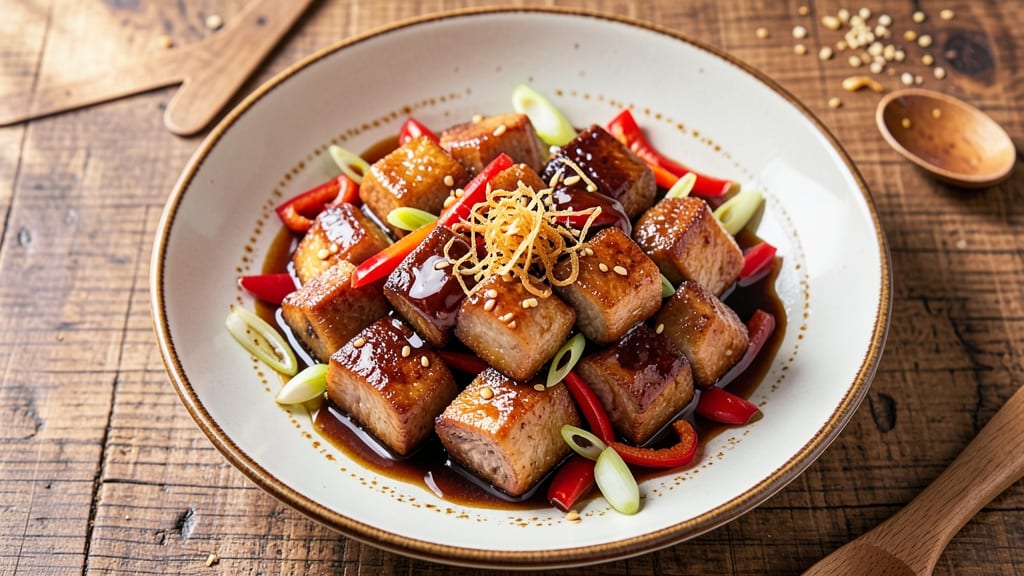
This Chinese pork belly stir fry delivers crispy edges and silky meat in every bite—exactly what I perfected after years of wok-side testing. The secret lies in marinating the pork belly overnight, then stir-frying it at high heat to render fat while preserving juiciness.
My version balances traditional techniques with approachable steps, so you can achieve restaurant-quality results at home.
The key to success is the wok-hei technique—those signature smoky, charred flavors that come from high-heat searing. We'll build layers of flavor with a simple sauce (soy sauce, rice vinegar, and a touch of honey) that caramelizes beautifully during cooking.
Even beginners can master this dish with the right prep and timing.
By the end, you'll have tender pork belly with crispy crackling edges, glossy from the sauce, and perfectly cooked through. The aroma alone will have everyone gathering around the table. Serve it over steamed jasmine rice or alongside quick-pickled vegetables for a complete meal.
For those watching sugar, we'll adjust the honey to a sugar-free alternative without sacrificing depth of flavor. And don't worry if you don't have a wok—a cast iron skillet works just as well. Let's get started on this crowd-pleasing stir fry that's as impressive as it is delicious.
Ingredients for chinese pork belly stir fry
Fourteen ingredients to transform simple pork belly into restaurant-style crispy-silky stir fry magic.
| Ingredient | Amount | Notes |
|---|---|---|
| Pork Belly 🥓 | 1 ½ lb | Skin-on, cut into 1-inch cubes |
| Dark Soy Sauce 🥄 | ⅓ cup | For deep umami flavor |
| Rice Vinegar 🍶 | 0.17 cup | Seasoned with sesame seeds |
| Honey 🍯 | 2 tbsp | Or sugar-free alternative |
| Sesame Oil 🫒 | 1 tbsp | For aromatic finish |
| Garlic Cloves 🧄 | 6 cloves | Minced for deep flavor |
| Fresh Ginger 🌿 | 1 tbsp | Grated, for zesty kick |
| Green Onions 🧅 | ¼ cup | Sliced, for freshness |
| Neutral Oil 🫒 | ½ cup | Peanut or vegetable oil |
| Cornstarch 🌾 | 1 tbsp | For crispy coating |
| Salt 🧂 | 1 tsp | Kosher or sea salt |
| Black Pepper 🌶️ | ½ tsp | Freshly ground preferred |
| Jasmine Rice 🍚 | 2 cups | Uncooked, for serving |
| Water 💧 | 3 cups | For rice cooking |
The pork belly is non-negotiable here—skin-on is essential for those coveted crispy cracklings. Look for thick-cut pieces from the Asian market or butcher section, where they often carry premium cuts. If you can't find pork belly, pork shoulder works in a pinch, though the texture won't be identical. The skin should be thick and unbroken for maximum crispiness. For overnight marinating, store it in a sealed container with the soy sauce, rice vinegar, and honey—this tenderizes the meat while building flavor. Kosher salt is your friend during marinating too—it helps break down fibers for that silky texture.
No dark soy sauce? Regular soy sauce plus a teaspoon of molasses mimics the depth. Fresh ginger and garlic can be swapped for powdered versions at half the amount, though fresh is ideal. The cornstarch is crucial—don't skip it. It creates that signature crispy coating when tossed with the pork. For a sugar-free version, replace honey with maple syrup or agave nectar. Sesame oil should be toasted, not the light variety—Trader Joe's or Asian markets carry the good stuff. If you're using a cast iron skillet instead of a wok, increase the oil slightly to prevent sticking. The rice? Jasmine rice is traditional, but basmati works too.
Marinate the pork belly overnight in the fridge for best results. The sauce can be prepped a day ahead and stored in the fridge. For crispiness, pat the pork dry before cooking—no moisture means better browning. Leftovers keep for 3-4 days in the fridge, though they're best reheated gently to preserve that crispy texture. Freeze portions for up to 3 months. The aroma alone will have your kitchen smelling like a bustling Chinese restaurant, so plan accordingly. Serve immediately over hot jasmine rice to maintain that wok-hei essence.
Why You'll Love This Recipe
- Two-Ingredient Sauce Magic: I swear by that dark soy and honey combo—just toss them in a bowl, add a splash of vinegar, and boom. No measuring cups, no guesswork, just pure umami-sweet perfection that coats every bite of that tender pork belly.
- Crowd-Pleasing Crunch: Between us, this isn’t your typical mushy stir-fry. The pork belly stays juicy inside while the edges get that just-right crisp, and the sesame oil finish? It’s the little details that make people lean in for seconds.
- Weeknight Workhorse: I make this when I’m too tired to plan—toss in some pre-chopped veggies (or skip them entirely) and serve it over rice. It’s the kind of dish that feels fancy but takes less time than ordering takeout.
- Leftovers That Don’t Suck: Honestly, I double the batch because the flavor only gets better the next day. Reheat it gently, and the pork belly stays moist while the sauce clings like a flavor hug. Plus, it’s cheaper than delivery and way more satisfying.
Step-by-step instructions for Chinese pork belly stir fry
Here's how to transform tender pork belly into crispy, caramelized bites with silky meat.
Prepare the Pork Belly for Maximum Crisp
Cut the 1.5 lb pork belly into 1-inch cubes, leaving the skin intact. This ensures the fat renders beautifully while creating crispy edges. Place the cubes in a bowl and toss with 1 tablespoon cornstarch, rubbing it into every surface so they develop a golden crust when cooked.
In a separate bowl, whisk together 0.33 cup dark soy sauce, 0.17 cup rice vinegar, 2 tablespoons honey, 1 teaspoon salt, and 0.5 teaspoon black pepper. Pour this marinade over the pork belly and let it sit for at least 30 minutes (or up to 2 hours in the fridge). The longer it marinates, the deeper the flavor penetration and the more tender the meat becomes.
Render the Fat and Develop Crispy Edges
Heat 0.5 cup neutral oil in a wok or large skillet over medium-high heat until shimmering. Add the pork belly in a single layer, leaving space between pieces so they don't steam. Cook undisturbed for 8-10 minutes until the fat begins to render and the edges turn golden brown. This is where the magic happens—don't rush this step.
Once the fat renders and the pork belly reaches 160°F internally, remove it from the pan and set aside. The rendered fat in the pan will become your flavor base, so don't wipe it out. This step creates that coveted crispy exterior while keeping the meat tender inside. If the fat gets too dark, reduce the heat to maintain control.
Build the Flavor-Packed Sauce
Return the pork belly to the wok and reduce the heat to medium. Add 6 minced garlic cloves and 1 tablespoon grated fresh ginger, cooking for 1 minute until fragrant. The aroma should fill your kitchen—this is your cue that the aromatics are ready.
Pour in 1 tablespoon sesame oil and toss everything together. Let it cook for 2 minutes to allow the sesame oil to infuse its nutty aroma into the pork belly. The combination of the rendered fat and sesame oil creates a rich, aromatic base that ties all the flavors together. If the pork belly starts to stick, add a splash of water to deglaze and scrape up those flavorful browned bits.
Finish with Crispy Green Onions
Stir in 0.25 cup sliced green onions, cooking for 30 seconds just until they wilt slightly. This adds a fresh, bright contrast to the rich, caramelized pork belly. The green onions should brighten the dish without overpowering the deep umami flavors.
Taste and adjust seasoning if needed. The pork belly should be tender with crispy edges, and the sauce should coat the back of a spoon. Serve immediately over 2 cups cooked jasmine rice, ensuring every bite delivers that perfect balance of crispy, silky, and savory.
Cook the Jasmine Rice (Optional)
While the pork belly cooks, prepare the rice by rinsing 2 cups jasmine rice under cold water until the water runs clear. This removes excess starch and prevents gummy rice. Combine the rice with 3 cups water in a pot and bring to a boil. Once boiling, reduce heat to low, cover, and simmer for 15 minutes. Remove from heat and let it steam for 10 minutes before fluffing with a fork.
The rice should be light and fluffy, providing the perfect neutral base for the rich, flavorful pork belly stir fry. The contrast between the tender rice and the crispy, caramelized pork belly makes every bite unforgettable.
Pro Tips For Making Chinese Pork Belly Stir Fry
- CUT BELLY IN SLICES: Skip the thick chunks—pork belly needs to cook fast in a stir-fry, so slice it ¼-inch thick against the grain. I used to fight with my knife until I realized a sharp serrated blade (or butcher block) does this in seconds. Uneven slices mean some will be rubbery while others burn.
- SALT THE BELLY FIRST: Toss the pork belly with 1 tsp salt and let it sit for 10 minutes before cooking. This isn’t just seasoning—it breaks down fibers so the meat stays tender. I learned this the hard way when my first batch turned out chewy because I skipped it.
- STOP WHEN IT’S 160°F: Pork belly is done at 160°F internally, not when it’s golden. Overcooking turns it dry, and stir-frying is no exception. Use an instant-read thermometer—no guessing. If you’re worried about pink, remember: dark soy sauce masks undercooked spots.
- DARK SOY SAUCE LAST: Add the dark soy sauce after the pork is mostly cooked, not at the start. It caramelizes fast and burns easily. A splash early gives you a muddy sauce; a quick glaze at the end gives you that glossy, restaurant-worthy finish. Trust me, it’s worth the 30-second wait.
Regional styles of chinese pork belly stir fry
Cantonese Style
The Cantonese approach focuses on crispy skin and tender meat, achieved through a shorter marinade and higher heat. Use 1.5 teaspoons of five-spice powder in the marinade for depth, and add 1 tablespoon of Shaoxing wine to the sauce for complexity.
Serve with steamed bok choy and a side of pickled mustard greens for balance. The key here is quick searing—cook the pork belly in batches to maintain high heat and prevent steaming. 🔥
Sichuan Spicy Twist
For a fiery Sichuan variation, add 1 tablespoon of Sichuan peppercorns (toasted and ground) and 1 tablespoon of chili bean paste to the marinade. Stir in 1 tablespoon of doubanjiang (fermented chili bean paste) during the final cooking stage.
Garnish with thinly sliced scallions and a sprinkle of toasted sesame seeds. This version delivers that signature numbing-spicy kick while keeping the pork belly's signature crispy texture. 🌶️
Hong Kong Street Food
In Hong Kong, this dish is often served as a quick street snack with a focus on bold flavors and texture contrast. Use light soy sauce instead of dark for a brighter profile, and add 1 teaspoon of oyster sauce to the marinade.
Serve over congee (rice porridge) or in a steamed bun for a handheld version. The trick is to double-cook the pork belly—first render the fat at medium-high heat, then finish with a quick sear at high heat to lock in crispiness. 🍱
Taiwanese Sweet-Savory
Taiwanese chefs often sweeten the sauce with 3 tablespoons of brown sugar (instead of honey) and add 1 tablespoon of soy sauce for a deeper umami. Garnish with crushed peanuts and cilantro for texture and freshness.
This version is slightly sweeter and pairs beautifully with sticky rice or miso soup. The secret is to deglaze the pan with 2 tablespoons of water after rendering the fat, then reduce the sauce until it thickens into a glossy glaze. 🥜
Modern Fusion Adaptation
For a contemporary twist, swap the honey for 1 tablespoon of maple syrup and add 1 teaspoon of smoked paprika to the marinade. Serve over cauliflower rice for a low-carb option or pair with roasted Brussels sprouts for a Western-inspired side.
This fusion version keeps the wok-hei technique but adds a smoky depth that appeals to modern palates. The pork belly's crispy edges remain the star, while the fusion flavors offer a fresh take. 💫
Nutrition facts
Frequently asked questions
Can I use pork shoulder instead of pork belly?
Pork shoulder works in a pinch, but you'll lose the signature crispy skin and rich fat content. For best results, stick with pork belly—it renders beautifully while creating those coveted cracklings. If you must substitute, use thick-cut pork shoulder and increase the cooking time by 5-7 minutes to ensure tenderness. The texture will be leaner but still delicious!
How do I get the pork belly extra crispy?
Pat the pork belly completely dry before cooking, then toss it with 1 tablespoon cornstarch to create a golden crust. Cook in batches over medium-high heat until the edges are deep golden brown and the fat renders fully. For extra crispiness, finish under a broiler for 1-2 minutes just before serving. The key is patience—don't rush this step!
Can I make this recipe ahead of time?
Marinate the pork belly overnight for maximum flavor, but cook it fresh for best results. If making ahead, refrigerate the cooked pork belly (without rice) for up to 3 days. Reheat gently in a skillet over low heat with a splash of water to restore crispiness. For leftovers, store in an airtight container and reheat only once for optimal texture.
What's the best way to store pork belly?
Fresh pork belly keeps in the fridge for 3-5 days wrapped tightly in plastic. For longer storage, freeze it raw in portions for up to 3 months. Thaw overnight in the fridge before marinating. Never refreeze thawed pork belly—always cook it fresh after thawing. The fat quality degrades with repeated freezing, affecting texture and flavor.
Can I make this dish spicier?
For a Sichuan-inspired kick, add 1 tablespoon of chili bean paste to the marinade and stir in 1 teaspoon of Sichuan peppercorns during cooking. For a milder heat, add ½ teaspoon of red pepper flakes or 1 teaspoon of chili garlic sauce at the end. Adjust to taste—this dish is incredibly versatile for spice preferences!