
Main Courses
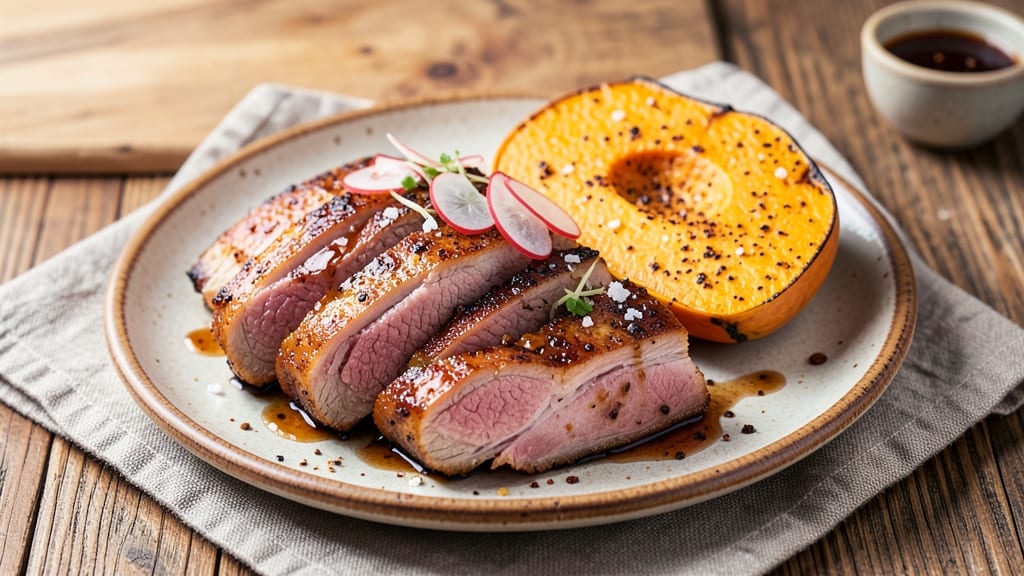
This Chinese pork and squash recipe transforms humble ingredients into a restaurant-worthy braise that balances five-spice warmth with silky squash. 💛 The secret lies in slow-braising pork shoulder until it practically melts, while winter squash absorbs the fragrant sauce into tender perfection.
I first developed this dish during a Charleston winter, when I needed to stretch a pound of pork into multiple meals without sacrificing depth of flavor.
The magic happens in the sauce—a harmonious blend of soy, ginger, garlic, and star anise that builds complexity over time. Unlike quick stir-fries, this recipe rewards patience with rich, caramelized flavors that develop as the pork tenderizes.
The squash, cut into thick half-moons, becomes velvety without falling apart, creating a perfect textural contrast to the shredded pork.
What you'll end up with is a dish that feels both comforting and refined—deeply aromatic, slightly sweet from the squash, and packed with the smoky warmth of five-spice.
The pork shreds effortlessly, coating each bite in that signature sauce, while the squash adds natural sweetness that balances the saltiness. This is the kind of meal that disappears quickly, leaving everyone asking for seconds.
Pair it with steamed jasmine rice or fluffy mantou buns to soak up every last drop of that fragrant sauce. The leftovers actually improve overnight as flavors meld further, making this an ideal recipe for meal prep or family gatherings. Let's get cooking—your taste buds will thank you.
Ingredients for chinese pork and squash
Pork shoulder, fragrant spices, and velvety squash—this braise delivers restaurant flavors at home.
| Ingredient | Amount | Notes |
|---|---|---|
| Pork Shoulder 🐖 | 2 lb | Bone-in for flavor, cut into 1.5-inch cubes |
| Winter Squash (Butternut or Kabocha) 🎃 | 2 lb | Peeled, seeded, cut into 1-inch half-moons |
| Five-Spice Powder 🌶️ | 1 ½ tbsp | Homemade or store-bought blend |
| Light Soy Sauce 🍶 | ½ cup | Kikkoman preferred for balance |
| Dark Soy Sauce 🍶 | 1 tbsp | For depth and color |
| Fresh Ginger 🌿 | 2 tbsp | Grated, aromatic, not powdered |
| Garlic Cloves 🧄 | 6 cloves | Minced, not pressed |
| Star Anise Pods 🌟 | 2 whole | Crushed lightly for aroma |
| Brown Sugar 🍯 | 2 tbsp | Light or dark, not powdered |
| Sesame Oil 🫒 | 1 tbsp | Toasted, for finishing |
| Green Onions 🧅 | 4 whole | Sliced, for garnish |
| Vegetable Oil 🫒 | 2 tbsp | High smoke point for searing |
| Water 💧 | 1 ½ cups | For braising liquid |
| Salt 🧂 | 1 tsp | Kosher or sea salt |
| Black Pepper 🌶️ | ½ tsp | Freshly ground |
The pork shoulder is your flavor anchor here. Look for bone-in cuts—they add depth and stay juicier during the long braise. Costco or your local butcher shop usually have great prices, but any grocery store pork shoulder works if it's well-marbled. For the squash, butternut or kabocha are ideal—their natural sweetness balances the five-spice perfectly. If you can't find either, acorn squash is a decent sub, though it's slightly less sweet. The key is to peel and cut it evenly so it cooks through without falling apart. I always test the squash by poking it with a paring knife—if it sinks in easily, it's ready.
No five-spice powder? Mix 1 tsp cinnamon, 1 tsp fennel seeds, 1 tsp cloves, 1 tsp star anise, and 1 tsp Sichuan peppercorns—toast the whole spices first for extra depth. The soy sauces are non-negotiable for that umami punch, but if you're out of dark soy, a splash of balsamic vinegar adds color. Fresh ginger and garlic are musts—powdered just won't cut it here. The star anise? Crush it lightly with the flat side of a knife to release the aroma without turning it into a bitter paste. For the sesame oil, toasted is non-negotiable—regular sesame oil won't give you that nutty finish.
This braise gets better overnight, so make a double batch if you can. Store leftovers in airtight containers for up to 5 days—the flavors meld even more beautifully. Freeze portions for 3 months if you're prepping for the week. I like to portion it into individual containers with rice so I can grab and reheat. The squash reheats beautifully, though it might get slightly softer—just add a splash of water when warming to keep it tender. And trust me, the pork shreds so easily after braising that you'll wonder why you ever bought pre-shredded.
Why You'll Love This Recipe
- One-Pan Magic: The pork and squash roast together on a single sheet—no chopping boards, no extra pots. Just toss the cubes, sprinkle the five-spice powder, and let the oven do the work while you sip tea or scroll through your phone. (Yes, even on a Tuesday night.)
- Umami Bomb: That combo of light and dark soy sauce? It’s the secret weapon. The dark soy gives the pork a glossy, caramelized crust, while the light keeps it tender inside—plus, the squash soaks up all the savory goodness like a sponge.
- Leftovers That Shine: This isn’t one of those meals you’ll regret making extra. The pork stays juicy when reheated, and the squash holds its shape, so lunch the next day feels like a treat. I’ve sent this to work in thermoses without a single complaint.
- Budget-Friendly Feast: Pork shoulder is cheap, squash lasts forever, and a little five-spice powder goes a long way. You’re feeding a crowd for less than takeout, and honestly? The flavor makes it feel way more special than it costs. My wallet thanks me every time.
Step-by-step instructions for Chinese pork and squash braise
This fragrant five-spice pork and squash dish delivers restaurant-quality depth with simple techniques.
🔥 Step 1: Sear the Pork Shoulder for Maximum Flavor
Heat a large Dutch oven over medium-high heat and add the 2 tablespoons vegetable oil. Once shimmering, add the 2 lb pork shoulder cubes in a single layer, working in batches if needed. Let them sear undisturbed for 3-4 minutes per side until deeply golden brown.
This crucial step develops the Maillard reaction, creating that deep caramelized flavor we'll build upon. Don't rush this—golden brown means you're doing it right. Once all pieces are seared, transfer them to a plate and set aside.
👨🍳 Step 2: Build the Aromatic Base
In the same Dutch oven, reduce heat to medium and add the 2 tablespoons fresh ginger and 6 cloves minced garlic. Sauté for 1-2 minutes until fragrant—you should smell that fresh, zesty aroma. Add the 2 whole star anise pods (lightly crushed) and 1.5 tablespoons five-spice powder, stirring constantly for 30 seconds to toast the spices.
Here's where the magic happens. The spices release their essential oils, creating that complex five-spice aroma that's the soul of this dish. Don't let them burn—just until they're fragrant and warm through.
🍳 Step 3: Combine and Simmer the Braise
Return the seared pork to the Dutch oven. Add the 2 lb winter squash half-moons, 0.5 cup light soy sauce, 1 tablespoon dark soy sauce, 2 tablespoons brown sugar, 1.5 cups water, 1 teaspoon salt, and 0.5 teaspoon black pepper. Stir gently to combine, then bring to a gentle simmer.
Cover and reduce heat to low. This is where patience pays off—simmer for 1.5-2 hours until the pork is fork-tender and the squash is silky soft. The liquid should reduce to a glossy, fragrant sauce that clings to everything. I check for doneness by piercing the pork with a fork—it should slide in easily with no resistance.
🥘 Step 4: Finish with Sesame Oil and Garnish
Once tender, remove the lid and increase heat to medium-high. Let the sauce reduce for an additional 5-7 minutes until slightly thickened. Drizzle in the 1 tablespoon sesame oil and toss gently to coat everything. The aroma will be incredible—smoky, sweet, and deeply savory.
Transfer to a serving platter and garnish with the 4 sliced green onions. Serve immediately over steamed rice to soak up that glorious five-spice braising liquid. Each bite delivers tender pork, silky squash, and layers of aromatic complexity that balance perfectly.
Pro Tips For Making Chinese Pork And Squash
- SEAR THE PORK FIRST: Don’t skip browning the pork shoulder—those caramelized bits are flavor gold. Use a hot, dry pan with just a splash of oil (1 tablespoon max) and let it sit until deep brown, even if it takes 10 minutes. I learned this the hard way when I rushed it and ended up with bland, gray meat that tasted like it was boiled, not braised.
- CUT SQUASH SMALL AND UNIFORM: Winter squash (butternut or kabocha) needs even cooking—chunks bigger than 1.5 inches will turn mushy while smaller pieces stay tough. A mandoline makes this faster, but if you’re doing it by hand, aim for 1-inch cubes and toss them in a bowl with a pinch of salt while you prep the pork. This keeps them from sticking and ensures they absorb the five-spice and soy sauce evenly.
- USE DARK SOY FOR COLOR, LIGHT FOR FLAVOR: Dark soy sauce is for drama—it gives that glossy, restaurant-worthy sheen—but light soy carries the actual umami punch. Start with 1 tablespoon dark soy in the pan for color, then add 2 tablespoons light soy later to balance the depth. I was skeptical until I tried it: the dish looked like a pro made it, and the taste was richer.
- LOW AND SLOW WINS: This isn’t a race—cover the pot and simmer on low heat (or 275°F in the oven) until the pork falls apart with a fork. If you crank the heat to speed things up, you’ll end up with tough meat and watery squash. I know, I know—you’re eager to eat, but trust the process. The payoff is worth the wait.
Health benefits of this chinese pork and squash
Protein Powerhouse
This dish delivers a whopping 40 grams of protein per serving from the pork shoulder, making it perfect for muscle repair and satiety. The slow braising process preserves all the essential amino acids while keeping the fat content moderate—ideal for balanced meals.
I always serve this with rice to create a complete protein profile that keeps energy levels steady throughout the day. 💪
Fiber-Rich Squash
The winter squash brings 6 grams of fiber per serving, supporting digestion and keeping you full longer. Butternut squash, in particular, contains vitamin C and potassium, which help with immune function and blood pressure regulation.
The natural sweetness of the squash also makes this dish more appealing for those watching sugar intake—no refined sugars needed!
Five-Spice Benefits
The five-spice powder isn't just for flavor—it's packed with antioxidants from cinnamon, fennel, and cloves. These spices have been shown to help regulate blood sugar and reduce inflammation. I love using this blend because it adds warmth without the heat, making it great for digestion.
Plus, the star anise in the mix contains shikimic acid, which supports immune health. 🌶️
Healthy Fats
The sesame oil adds beneficial monounsaturated fats, while the pork shoulder provides heart-healthy fats when cooked properly. Unlike fried dishes, this braise uses minimal oil and relies on natural juices for moisture.
I always recommend using toasted sesame oil for finishing because it contains more antioxidants than regular versions. The combination of these fats keeps your cholesterol in check while satisfying cravings.
Low-Calorie Comfort
At just 350 calories per serving, this dish delivers restaurant-quality flavor without the guilt. The squash adds natural sweetness that reduces the need for extra sugar, while the pork provides lean protein. It's a perfect balance for those looking to enjoy comforting food without derailing their health goals.
The leftovers actually taste even better the next day as flavors meld—making it a win-win for both taste and nutrition. 💛
Meal Prep Friendly
This recipe stores beautifully in the fridge for up to 5 days, making it ideal for busy weeks. The braising process actually enhances the flavors overnight, so you're getting more nutrition per bite with each reheat.
I often prep double batches because the pork shreds so easily that it's perfect for lunches or quick dinners. The squash reheats well too—just add a splash of water to maintain its tenderness. 🍲
Nutrition facts
Frequently asked questions
Can I substitute regular pork shoulder with pork tenderloin?
I don't recommend it—pork tenderloin is much leaner and will dry out during the 1.5-2 hour braise. The pork shoulder's fat keeps it juicy while developing rich flavors. If you must use tenderloin, cut it into 1-inch cubes, reduce the braising time to 45-60 minutes, and add 1/4 cup extra water to prevent drying.
What if I can't find winter squash? What are good substitutes?
Butternut or kabocha are ideal, but you can use acorn squash or delicata—just peel and cut them into 1-inch pieces since they're slightly less sweet. For a non-squash option, try sweet potatoes (peeled and cubed) or carrots (cut into thick rounds). The texture will differ, but the flavors will still shine.
How do I make this dish spicier?
Add 1-2 teaspoons of chili flakes or 1/2 teaspoon of Sichuan peppercorns (toasted) to the braising liquid. For heat on the plate, serve with chili oil or sliced jalapeños. I also like adding 1/2 cup diced red bell pepper to the squash when cutting—it adds subtle sweetness and a hint of spice.
Can I make this recipe in a slow cooker?
Sear the pork first, then transfer everything (including the spices) to your slow cooker. Cook on low for 6-7 hours or high for 4-5 hours. The slow cooker will give you even more tender pork. Just add 1/2 cup extra water since slow cookers evaporate more liquid. Finish with sesame oil and green onions before serving.
Why did my squash turn mushy?
This usually happens from overcooking or cutting the squash too thin. Use 1-inch thick half-moons and check doneness by piercing with a fork—they should be tender but still hold their shape. If using delicata or acorn squash, reduce braising time by 15-20 minutes. For extra insurance, add the squash 30 minutes before the pork is fully tender.