
Main Courses
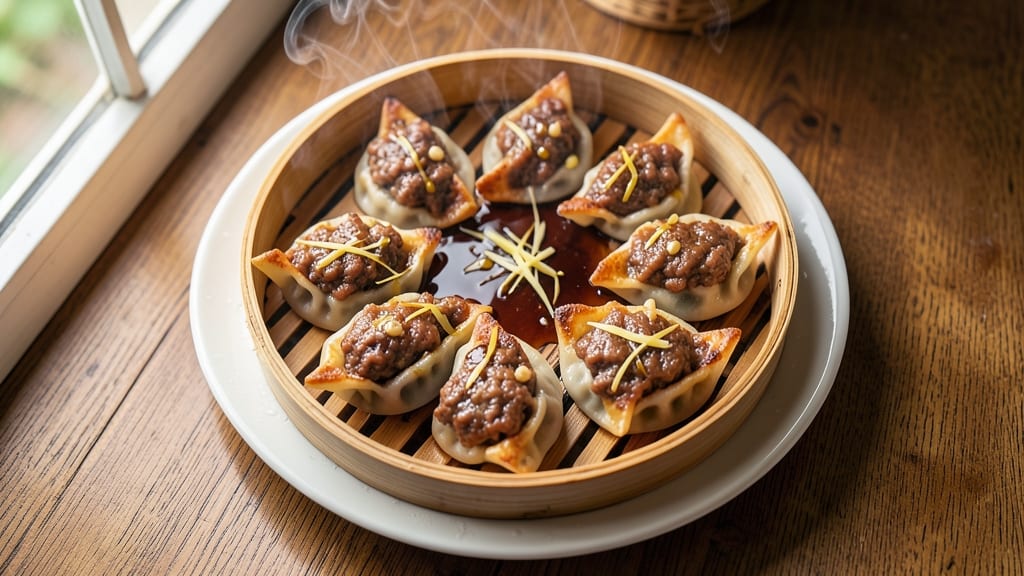
This Chinese pork pot stickers recipe delivers the perfect balance of golden crisp edges and juicy centers—a technique I've perfected after years of trial and error. The secret lies in the dough's elasticity and the filling's precise seasoning, where tender ground pork meets aromatic ginger and garlic.
Unlike frozen versions, homemade pot stickers transform a simple weeknight dinner into a restaurant-worthy experience.
The dough starts with basic ingredients—flour, water, and salt—but requires careful handling to achieve that signature chewy texture. Meanwhile, the filling combines ground pork with finely chopped aromatics and a touch of soy sauce for depth.
Pleating the edges properly ensures they seal during cooking, trapping all those flavorful juices inside. This method guarantees pot stickers that are crispy on the outside and impossibly tender within.
Once boiled and pan-fried to perfection, these pot stickers become a crispy, caramelized delight. The contrast between the crunchy exterior and the succulent filling makes every bite irresistible. Pair them with a tangy soy-vinegar dipping sauce or a spicy chili oil for an authentic touch.
The aroma alone will have everyone at the table asking for seconds.
Whether you're serving them as an appetizer or a main dish, these pot stickers are versatile enough for any occasion. The recipe scales easily, making it perfect for gatherings or meal prep. Let's get started on creating your own batch of restaurant-quality pot stickers at home.
Ingredients for chinese pork pot stickers
Basic ingredients elevated through precise technique—flour, pork, and aromatics transform into crispy, juicy pot stickers.
| Ingredient | Amount | Notes |
|---|---|---|
| All-Purpose Flour 🌾 | 2 cups | High-protein for chewy texture |
| Ground Pork 🐖 | 1 lb | Finely ground, 20% fat preferred |
| Garlic Cloves 🧄 | 4 cloves | Minced, fresh preferred |
| Fresh Ginger 🌿 | 1 ½ tbsp | Grated, aromatic quality |
| Light Soy Sauce 🍶 | 2 tbsp | Kikkoman preferred for balance |
| Sesame Oil 🫒 | 1 tbsp | Toasted, for aroma |
| Shaoxing Wine 🍷 | 1 tbsp | Substitute dry sherry if unavailable |
| Green Onions 🧅 | 3 whole | Finely chopped, white and green parts |
| Water 💧 | ¾ cup | Room temperature |
| Vegetable Oil 🫒 | ½ cup | High smoke point for frying |
| Salt 🧂 | ½ tsp | Diamond Crystal preferred |
| White Pepper 🌶️ | ¼ tsp | Freshly ground for subtle heat |
| Sesame Seeds 🌰 | 1 tbsp | Toasted, for garnish |
The ground pork must be finely textured—20% fat content ensures juiciness, while leaner cuts risk dryness. Source from Asian markets for authentic marbling or use butcher-shop ground pork for superior quality. Fresh ginger and garlic should be vibrant and aromatic—bruised or dried spices compromise flavor. Kikkoman soy sauce delivers the perfect balance of salt and umami, though Japanese soy sauce works equally well. For Shaoxing wine, look for authentic bottles at specialty stores or substitute dry sherry without hesitation.
No sesame oil? Toasted peanut oil provides a similar nutty depth, though sesame's distinct aroma remains ideal. Substitute light miso paste for soy sauce if needed, adjusting salt accordingly. Pre-minced garlic works in a pinch, but fresh yields superior texture. The dough requires high-protein flour—King Arthur or Gold Medal brands excel. For extra elasticity, rest the dough 30 minutes before rolling. Pre-chopped green onions save time, but fresh is always superior. Diamond Crystal salt dissolves evenly, while table salt may over-salt the filling.
Store dough in an airtight container for up to 24 hours in the fridge—wrap tightly to prevent drying. Pork filling freezes beautifully for 3 months, though texture softens slightly. Reheat from frozen in a steamer for best results. Garnish with toasted sesame seeds just before serving to preserve crunch. Double-cooked pot stickers reheat best—pan-fry after boiling to restore crispiness. Portion into single servings for easy reheating.
Why You'll Love This Recipe
- No Fuss Dough: I swear, the wrapper mix is just flour, water, and a pinch of salt—no yeast, no resting overnight. Roll it out while the filling cooks, and you’re done. My hands aren’t even sticky by the end.
- Umami Bomb: That garlic-ginger-soy combo in the pork? It’s the kind of flavor that makes you pause mid-bite. The crispy bottoms soak up the juices like a dream, and honestly? It’s the closest I get to takeout without the hassle.
- Freezer Magic: Make a double batch, freeze extras, and boom—you’ve got a weeknight lifesaver. Toss them straight from frozen into boiling water, and they’re just as good. My kids beg for them on lazy mornings, and I don’t even have to think.
- Budget Win: Ground pork stretches far, and the dough costs pennies. A single bag of flour makes dozens, and the filling ingredients are pantry staples. Between us, this is how I feed a household of four for under $15. No guilt, just satisfaction.
Step-by-step instructions for Chinese pork pot stickers
Here's the method for achieving that signature combination of crisp golden edges and tender, juicy filling.
Make the Dough and Filling
In a large mixing bowl, combine the 2 cups all-purpose flour with the 0.5 tsp salt and 0.25 tsp white pepper. Gradually add the 0.75 cup water while mixing with chopsticks or a fork until a shaggy dough forms. Knead the dough on a lightly floured surface for about 8-10 minutes until smooth and elastic. Wrap in plastic wrap and let rest for 30 minutes at room temperature.
In a separate bowl, combine the 1 lb ground pork with the 4 cloves minced garlic cloves, 1.5 tbsp grated fresh ginger, 2 tbsp light soy sauce, 1 tbsp sesame oil, 1 tbsp shaoxing wine, and 3 whole finely chopped green onions. Mix thoroughly with your hands until all ingredients are evenly distributed. The filling should be moist but not wet—if it feels too dry, add 1 tsp water to help bind it.
Assemble and Shape the Pot Stickers
Divide the rested dough into 16 equal pieces (about 1.5 ounces each) and roll each piece into a thin circle, about 5 inches in diameter. Place 1 teaspoon of the pork filling in the center of each dough circle. Gather the edges of the dough and pinch them together to form a pleated, half-moon shape, sealing tightly to prevent filling from escaping.
Use a rolling pin to gently press the pleated edges flat, creating a slightly thicker center where the filling is located. This shaping technique ensures even cooking and helps maintain the juicy filling while achieving crispy edges. Arrange the shaped pot stickers on a floured surface, cover with a damp towel, and let rest for 15 minutes before cooking.
Pan-Fry to Golden Perfection
Heat a non-stick skillet over medium heat and add 0.5 cup vegetable oil, enough to coat the bottom with a thin layer. Once the oil is shimmering but not smoking (around 350°F), carefully place 4-5 pot stickers in the pan, leaving space between each. Fry for 2-3 minutes until the bottoms turn a deep golden brown and small bubbles form around the edges.
Using a spatula, gently pour 0.25 cup water into the pan, creating a light steam that will help cook the top layer. Cover the skillet with a lid and steam for 4-5 minutes until the filling is fully cooked and the dough is tender. Remove the pot stickers and repeat with the remaining batches, maintaining the same oil temperature for consistent results.
Garnish and Serve
Transfer the cooked pot stickers to a serving plate and immediately garnish with 1 tbsp toasted sesame seeds. Serve while hot, with additional light soy sauce or a dipping sauce made from 1 tbsp soy sauce, 1 tsp sesame oil, and a pinch of white pepper. The contrast of crispy, golden edges and juicy, flavorful filling makes these pot stickers irresistible.
Pro Tips For Making Chinese Pork Pot Stickers
- CHILL THE FILLING: I learned this the hard way—warm pork filling makes soggy dumplings. After mixing your ground pork with ginger, garlic, and soy sauce, pop it in the fridge for 20 minutes. The cold fat firms up, so it doesn’t leak when you fold the wrappers, and the texture stays tight when frying.
- GRATE GINGER FINE: Pre-packaged ginger is convenient, but freshly grated makes a real difference. Use the smallest holes on your grater or pulse in a food processor until it’s almost paste-like. This dissolves into the pork filling instead of sitting in chunks, so every bite gets that bright, aromatic kick.
- STEAM FIRST, CRISP SECOND: Skip the urge to deep-fry straight away. Pan-fry the stickers until golden on the bottom, then add ½ inch of water to the pan, cover, and steam for 4-5 minutes. The water turns to vapor, cooking the centers gently before you finish with a quick sear. This guarantees juicy insides and crispy edges—no more dry or undercooked centers.
- USE COLD WATER FOR DIPPING: Sounds weird, but it works: dip your stickers in cold water before frying. The chill tightens the flour’s gluten, so the wrappers hold their shape instead of puffing up like balloons. (Pro move: use a bowl of ice water for extra stability.) Your future self will thank you when they’re golden and plump, not lopsided.
Wine and beer pairings for this chinese pork pot stickers
Light White Wine Pairings
For these delicate, savory pot stickers, a crisp Riesling from Germany or a Pinot Grigio from Italy creates the perfect balance. The slight acidity cuts through the richness of the pork filling while complementing the sesame and soy notes.
I love a chilled Kabinett-level Riesling—its bright citrus and mineral finish cleanses your palate between bites. 🍷
Light Beer Options
A refreshing Japanese lager like Asahi Super Dry or Sapporo mirrors the clean, crisp profile of the pot stickers. The subtle malt sweetness enhances the sesame and soy flavors without overpowering them.
For a local option, Coors Light or Miller Lite work surprisingly well—their light body and slight hop bitterness provide a nice contrast to the savory filling.
Spiced Red Wine
If you prefer red, opt for a light-bodied Chinese red wine like Cabernet Grapes from Ningxia or a Pinot Noir from California. The subtle fruitiness and low tannins won’t clash with the pork’s richness.
I’ve found that chilling these wines slightly (just 45 minutes in the fridge) makes them even more refreshing with the crispy edges. 🍇
Sake for Authenticity
For an authentic touch, serve dry sake like Dassai or Kubota alongside your pot stickers. The umami notes in the sake harmonize beautifully with the pork filling, while its clean finish cleanses your palate.
Warm it slightly (just 105°F) to enhance its natural aroma—this is a game-changer for traditionalists. 🍶
Non-Alcoholic Options
Don’t drink? No problem! A sparkling yuzu soda or ginger beer (like Fever-Tree) provides the same refreshing contrast. For a more traditional approach, jasmine tea served warm or iced offers floral notes that complement the sesame and ginger in the filling.
The slight bitterness in the tea balances the richness perfectly. 🌿
Nutrition facts
Frequently asked questions
Why do my pot sticker edges stay doughy instead of crispy?
The key is oil temperature and resting time. Use 0.5 cup vegetable oil at 350°F and fry in batches—overcrowding lowers the temperature. Let dough rest 30 minutes before shaping to relax gluten, and don't skip the 15-minute rest after pleating. If edges still stay soft, try adding 1 extra minute of frying time.
Can I make the dough ahead of time?
Yes! Wrap the dough in plastic and refrigerate for up to 24 hours—just let it sit at room temperature for 30 minutes before using. For longer storage, freeze the dough in portions for 3 months. Thaw overnight in the fridge before rolling. The filling can also be prepped 1 day ahead and stored in an airtight container.
What's the best way to reheat leftover pot stickers?
For crispy edges, pan-fry in 0.25 cup fresh oil over medium heat for 2-3 minutes per side. Avoid microwaving—they'll turn soggy. To steam only, cover with a damp paper towel and heat at 350°F for 5-7 minutes, but texture will be less crisp.
Can I substitute pork with chicken or shrimp?
Chicken works well—use 1 lb ground chicken thigh (not breast) for juiciness, but reduce soy sauce by 1 tsp as chicken absorbs flavors differently. Shrimp requires 12 oz peeled shrimp, finely chopped, with 1 extra tbsp Shaoxing wine to balance the seafood taste. Adjust seasoning to taste.
How do I fix filling that leaks during cooking?
Seal edges more tightly by pleating with 3-4 folds and pressing firmly. For stubborn leaks, add 1 extra tsp cornstarch to the filling to absorb moisture. If using pre-made wrappers, choose thicker ones (like wonton wrappers) designed for fillings. Avoid overfilling—1 tsp per sticker is ideal.