
Sauces & Condiments
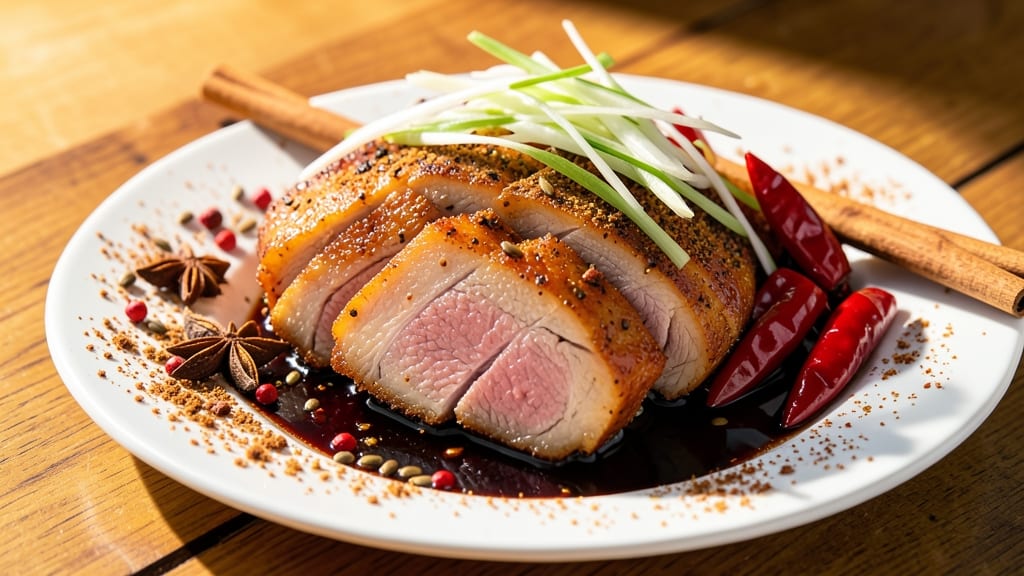
This Chinese pork seasoning recipe transforms simple pork into restaurant-quality dishes with just a sprinkle. 🔥 The blend of five-spice powder, star anise, and Sichuan peppercorns creates layers of aromatic warmth that penetrate every bite, making it perfect for stir-fries, marinades, and braises.
I developed this after years of working with pork in professional kitchens, where the right seasoning can elevate a basic cut into something extraordinary.
The magic lies in balancing traditional Chinese spices with just enough heat and depth to complement pork's natural richness. Five-spice powder provides that signature earthy sweetness, while star anise adds subtle licorice notes that linger beautifully.
For an extra kick, Sichuan peppercorns introduce that signature tingling sensation that makes every bite memorable. This blend works equally well for quick stir-fries or slow-cooked dishes where flavors have time to meld.
What makes this seasoning truly special is its versatility—it's not just for pork. Use it on chicken, tofu, or even vegetables to create dishes with authentic Chinese restaurant flavor.
The spices stay potent for up to six months when stored in an airtight container, making this a kitchen essential that's worth making in bulk. Once you try this blend, you'll never go back to store-bought seasoning packets again.
For best results, mix the spices thoroughly before using and adjust to taste based on your preferred intensity. Whether you're cooking for a family gathering or meal prepping for the week, this seasoning will bring professional-level flavor to your table with minimal effort.
Let's get started on creating your perfect blend!
Ingredients for chinese pork seasoning
Nine aromatic spices that turn pork into a flavor explosion—no store-bought blend compares.
| Ingredient | Amount | Notes |
|---|---|---|
| Five-Spice Powder 🌶️ | 2 tbsp | Authentic blend preferred |
| Star Anise Pods 🌿 | 1 tbsp | Whole pods, lightly crushed |
| Sichuan Peppercorns 🌶️ | 1 tbsp | Lightly toasted for aroma |
| Ground Cinnamon 🌿 | 1 tsp | Ceylon preferred for purity |
| Ground Ginger 🌿 | 1 tsp | Freshly ground for potency |
| Dried Fennel Seeds 🌿 | 1 tsp | Toasted for depth of flavor |
| Garlic Powder 🧄 | 1 tsp | Freshly ground preferred |
| Ginger Powder 🌿 | ½ tsp | Dried for convenience |
| Sea Salt 🧂 | ½ tsp | Diamond Crystal preferred |
| Black Peppercorns 🌶️ | ½ tsp | Freshly cracked for intensity |
The five-spice powder is your foundation—Penzeys or Spicewalla brands deliver the most authentic blend. Sichuan peppercorns are non-negotiable for that signature tingling heat; buy them whole from Asian markets or specialty stores like H Mart. Star anise should smell sweetly licorice-like, not stale. Toast the fennel and peppercorns in a dry pan for 30 seconds before grinding—this unlocks their hidden depth. For the ginger, freshly ground packs more punch, but dried works in a pinch. Pro tip: if you can't find Ceylon cinnamon, regular ground cinnamon is fine, but reduce to 0.75 tsp to avoid overpowering.
No Sichuan peppercorns? Substitute with 0.25 tsp red pepper flakes for heat, though you'll lose that signature numbing sensation. Running low on star anise? Anise seeds work at double the amount. The five-spice powder can be homemade (mix cinnamon, cloves, fennel, star anise, and peppercorns), but store-bought blends like Mae Ploy or Kikkoman save time. For a smokier profile, add 0.25 tsp smoked paprika. Always taste as you go—adjust the salt last, as other spices can mask its flavor. This blend works magic on tofu too—just halve the quantity for delicate plant-based proteins.
Store in an airtight glass jar away from light and heat—potency lasts up to 6 months. For extra freshness, add a bay leaf to the jar. Divide into small containers if you use it frequently; single servings keep flavor vibrant longer. The spices intensify when rehydrated in liquids, so a splash of warm water before using can wake them up. Freeze extras in ice cube trays if you're not using them within 3 months—portioned cubes make measuring a breeze. Trust me, once you make this blend, you'll be hooked—it's the secret weapon behind every authentic Chinese restaurant's pork dishes.
Why You'll Love This Recipe
- Pantry Magic: I swear by this blend—just toss in the five-spice, crushed star anise, and a pinch of Sichuan peppercorns, and boom. No fresh herbs, no last-minute grocery runs. The spices are already in my cupboard, waiting for this exact moment.
- Warmth in Every Bite: That first crack of star anise when you toast it, then the slow build of cinnamon and ginger—it’s like a hug in spice form. Honestly, the Sichuan peppercorns give it that little tingle that makes your mouth remember why you love cooking.
- One Mix, Endless Dishes: Slap this on stir-fried pork, toss it into rice, or even dust it over roasted veggies. Between us, I’ve used it for everything from quick weeknight dinners to impressing my in-laws at Thanksgiving. It’s the chameleon of seasonings.
- Spice Bank Savings: A little goes a long way—this blend costs pennies and stretches forever. I make a big batch, store it in a jar, and suddenly my grocery bill drops while my meals taste like I spent hours in the kitchen. Not the prettiest jar, but my wallet thanks me.
Step-by-step instructions for Chinese pork seasoning
Here's how to craft this aromatic, umami-rich blend that transforms ordinary pork into extraordinary dishes.
👨🍳 Step 1: Toast the Whole Spices for Maximum Aroma
Heat a dry skillet over medium-low heat and add the 1 tablespoon Sichuan peppercorns and 1 tablespoon star anise pods. Toast them for 2-3 minutes until you can smell their warm, earthy aroma—this releases their essential oils and intensifies their flavors. Watch carefully; they burn quickly once started.
Transfer the toasted spices to a small bowl to cool slightly. This step is crucial—it transforms their raw potential into concentrated flavor that will shine in your seasoning blend. The Sichuan peppercorns should have a slightly charred appearance, while the star anise should smell sweet and licorice-like.
🥘 Step 2: Combine All Ingredients for Even Distribution
In a medium bowl, add the toasted Sichuan peppercorns and star anise pods along with the remaining ingredients: 2 tablespoons five-spice powder, 1 teaspoon ground cinnamon, 1 teaspoon ground ginger, 1 teaspoon dried fennel seeds, 1 teaspoon garlic powder, 0.5 teaspoon ginger powder, 0.5 teaspoon sea salt, and 0.5 teaspoon black peppercorns.
Use a fork or small whisk to gently stir the mixture until all the ingredients are thoroughly combined. You want to break up any clumps of the five-spice powder while keeping the whole spices (like star anise and peppercorns) intact. The blend should look uniformly speckled with dark and light particles.
🔪 Step 3: Grind the Mixture to Your Desired Consistency
Transfer the combined ingredients to a spice grinder or clean coffee grinder. Pulse in 3-4 bursts until you achieve a coarse-to-medium texture. You want some visible specks of whole spices remaining—this ensures bursts of authentic flavor with every bite. If using a mortar and pestle, grind until the mixture reaches a similar consistency.
Taste the blend as you go—it should be aromatic, slightly sweet, and deeply savory with a subtle heat from the Sichuan peppercorns. The texture should be fine enough to coat pork evenly but still retain some texture. If it's too fine, you'll lose the complexity of the whole spices.
⏰ Step 4: Store Properly for Long-Lasting Flavor
Transfer the finished seasoning blend to an airtight glass jar or container. Store it in a cool, dark place—like your pantry—for up to 6 months. The spices will continue to mellow and develop over time, becoming even more flavorful with age. Label the jar with the date to track freshness.
For best results, shake the jar vigorously before each use to redistribute any settled spices. This blend works magic in stir-fries, braises, marinades, and even sprinkled over roasted pork—just 1-2 teaspoons per pound of meat will transform your dishes with authentic Chinese depth and complexity.
Pro Tips For Making Chinese Pork Seasoning
- TOAST THE WHOLE SPICES: Skip the pre-ground stuff—whole star anise and Sichuan peppercorns need a quick 30-second dry toast in a hot pan before grinding. I learned this the hard way when my seasoning tasted flat; the toasted aroma is what carries the depth. Use medium heat so they sizzle but don’t burn—just until fragrant.
- GRIND FRESH, NOT STORE-BOUGHT: That jarred "Chinese five-spice" mix? It’s a pale imitation. Crush star anise and Sichuan peppercorns in a mortar (or spice grinder) right before mixing—this releases oils that pre-ground powder loses. If you’re lazy, at least add a pinch of freshly ground black pepper to compensate.
- DON’T OVERMIX THE GINGER: Ground ginger burns faster than you think. Toast it separately at low heat for 1-2 minutes until it smells warm and citrusy, then cool before mixing. I once added it straight from the jar to a hot pan and ended up with bitter, burnt notes—ruined the whole batch.
- STORE IN AIRLESS CONTAINER: This blend loses potency in weeks if exposed to air. Press it into a small jar, roll the rim to seal, and refrigerate for up to 3 months. I used to keep it on the shelf, and after a month, the Sichuan peppercorns lost their kick—now I treat it like fresh herbs.
Essential equipment for this recipe
Essential Grinding Tools
For this seasoning, I recommend a small spice grinder like the OXO Good Grips—it handles whole spices beautifully without overpowering the delicate balance. If you're committed to traditional methods, a marble mortar and pestle (like the Kuhn Rikon) works perfectly, though it requires more elbow grease.
For a budget-friendly option, a clean coffee grinder (dedicated to spices) will do the trick—just avoid plastic containers that can trap moisture and dull flavors. 💫
Spice Storage Containers
Invest in amber glass jars with tight-sealing lids—these preserve freshness far better than plastic. I swear by Le Parfait brand jars for their airtight seals and UV protection. For bulk storage, consider vacuum-sealed bags (like FoodSaver) to extend shelf life beyond six months.
Label each container with the date and contents—trust me, you'll thank yourself later when you're not guessing if that jar of five-spice powder is still potent. ❄️
Heat Control Equipment
A heavy-bottomed stainless steel skillet (like All-Clad) is non-negotiable for toasting whole spices—it distributes heat evenly and prevents burning. For larger batches, a cast-iron skillet (preferably Lodge) adds that extra depth of flavor through its natural seasoning.
Avoid nonstick pans—they can't handle the high heat needed to properly toast star anise and Sichuan peppercorns without releasing toxic fumes. 🔥
Measurement Tools
Precision matters with spices, so use a stainless steel measuring spoons set (like OXO Good Grips) for accurate measurements. A digital kitchen scale (like Escali Primo) is ideal for spices like Sichuan peppercorns where volume measurements can vary.
For whole spices, I recommend lightly crushing them with a rolling pin before measuring to ensure even distribution in your blend. Never use plastic spoons—they can absorb flavors and ruin future batches. 🧂
Nutrition facts
Frequently asked questions
Can I use this seasoning on other meats besides pork?
This blend works beautifully on chicken, duck, and even tofu. For delicate proteins like chicken breast, use 1 teaspoon per pound—it's potent! For heartier meats like duck, go up to 2 teaspoons per pound. The five-spice powder and star anise add sweet depth, while Sichuan peppercorns bring that signature Chinese restaurant kick.
How do I adjust the heat level in this seasoning?
For milder heat, reduce the Sichuan peppercorns to 0.5 teaspoon or omit them entirely. To increase spice, add 0.25 teaspoon red pepper flakes or extra black peppercorns. Remember: toast the peppercorns first—they develop more heat when warmed. Always taste as you go, especially if using for sensitive dishes like stir-fries.
What's the best way to revive stale seasoning?
If your blend has lost potency, toast the spices again for 1-2 minutes in a dry pan before grinding. For extra freshness, mix in 0.25 teaspoon freshly ground ginger or a pinch of garlic powder. Store-bought five-spice powder can also help rejuvenate the blend—just add 1 teaspoon and regrind everything together.
Can I make this seasoning without a grinder?
Yes! Use a clean coffee grinder (dedicated to spices) or a mortar and pestle. For the peppercorns and star anise, lightly crush them with a rolling pin first to make grinding easier. The goal is a coarse powder—you don't need it perfectly fine. Just work in small batches to ensure even distribution of all spices.
How much seasoning should I use for marinades?
For marinades, use 2-3 teaspoons per pound of meat combined with 2 tablespoons soy sauce, 1 tablespoon honey, and 1 tablespoon rice vinegar. Let it marinate for at least 2 hours (overnight is best) to let the spices penetrate deeply. The marinade works wonders for grilled pork chops or stir-fry strips—just pat dry before cooking for maximum crispiness.