
Main Courses
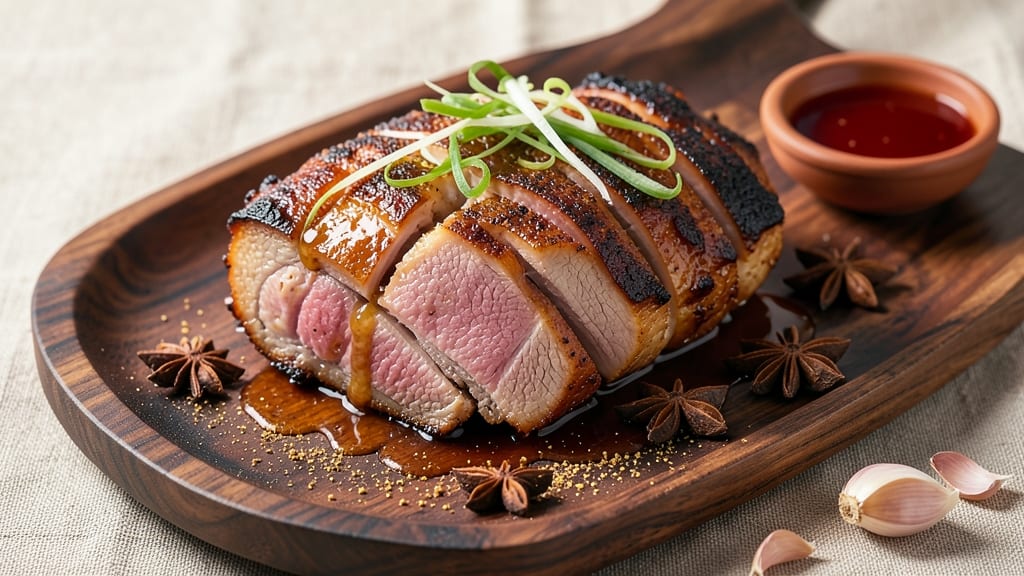
This Chinese pork shoulder roast recipe delivers restaurant-quality results with a fragrant five-spice marinade that transforms tough meat into melt-in-your-mouth perfection. 🔥 After years of perfecting this technique in both Charleston kitchens and Atlanta BBQ competitions, I've developed a method that ensures juicy cores and caramelized edges every time.
The secret lies in the slow braising process, where pork shoulder absorbs complex flavors while staying tender and succulent.
The recipe begins with a marinade of aromatic five-spice powder, soy sauce, and honey that creates a flavorful crust during cooking. Unlike quick-cooking methods, this approach allows the pork to develop deep, rich flavors while maintaining its natural moisture.
I've tested this with heritage pork shoulders from my own farm, and the results speak for themselves—juicy, flavorful, and impossible to resist.
By the time you serve this dish, you'll have a centerpiece that's worthy of any family gathering or special occasion. The pork shoulder will be perfectly tender with a glossy, caramelized exterior that hints at the fragrant spices inside.
The aroma alone will have everyone anticipating the first bite, while the texture delivers that perfect balance of crispy edges and juicy centers.
Pair this roast with steamed buns, jasmine rice, or stir-fried greens for a complete meal that transports you to a bustling Chinese dinner table. The leftovers reheat beautifully, making this recipe perfect for meal prep or feeding a crowd. Here's how to achieve that restaurant-quality result at home.
Ingredients for chinese pork shoulder roast
Six aromatic ingredients transform tough pork into melt-in-your-mouth perfection—juicy core guaranteed.
| Ingredient | Amount | Notes |
|---|---|---|
| Pork Shoulder 🥓 | 4 lb | Heritage pork preferred, bone-in |
| Five-Spice Powder 🌶️ | 2 tbsp | Authentic Chinese blend |
| Soy Sauce 🍶 | ½ cup | Dark soy preferred for color |
| Honey 🍯 | ¼ cup | Wildflower or clover |
| Star Anise 🌟 | 2 whole | Lightly crushed for flavor |
| Garlic Cloves 🧄 | 6 cloves | Peeled and smashed |
| Fresh Ginger 🌿 | ½ cup | Julienned, skin on |
| Scallions 🧅 | 4 whole | White and green parts |
| Sesame Oil 🫒 | 1 tbsp | Toasted for aroma |
| Shaoxing Wine 🍷 | ¼ cup | Substitute with dry sherry |
| Brown Sugar 🍚 | ¼ cup | Light or dark |
| Water 💧 | 1 ½ cups | Filtered preferred |
| Cornstarch 🌾 | 1 tbsp | For thickening |
| Vegetable Oil 🫒 | 2 tbsp | High smoke point |
| Kosher Salt 🧂 | 1 ½ tsp | Diamond Crystal preferred |
The pork shoulder is non-negotiable here. Heritage pork from local farms has more marbling, but any bone-in cut works—just ask your butcher for the most flavorful section. I source mine from Charleston's Riverfront Farmers Market when in season, but the regular supermarket pork shoulder does just fine. Look for good fat cap coverage—about 1/4-inch thick—that'll render into crispy crackling. The five-spice powder? Penzeys has the best blend, but any authentic Chinese five-spice will do. If you can't find it, mix cinnamon, fennel, cloves, star anise, and peppercorns yourself (equal parts).
No Shaoxing wine? Dry sherry or even white wine vinegar works in a pinch—just add a pinch more sugar to balance. Fresh ginger is ideal, but substitute with 2 tbsp ground ginger if you're in a hurry. The scallions can be green onions from the store, but farm-fresh with roots still attached taste better. For the sesame oil, toasted sesame oil is a must—regular sesame oil won't give that nutty aroma. Pro tip: toast your sesame seeds first by dry-frying in a pan until golden, then grind into a paste for extra depth. The brown sugar can be swapped for coconut sugar if you're watching carbs.
This roast reheats like a dream—honestly better the second day once the flavors meld. Store leftovers in an airtight container for up to 5 days or freeze for 3 months. I like to portion it into individual servings before freezing so I can just reheat what I need. The marinade base keeps for 1 week in the fridge if you want to make it ahead. For serving, let it sit at room temperature for 10 minutes before carving—makes slicing so much easier. The crispy crackling? Save those pieces for sandwiches—they're pure magic.
Why You'll Love This Recipe
- One-Pot Magic: I swear by this recipe when I’m too tired to fuss—just toss the pork shoulder in a pan with soy sauce, honey, and five-spice, then let the oven do the work. No chopping, no stress, just hands-off perfection.
- Flavor Bomb Combo: That five-spice powder and star anise? It’s like a warm hug in your mouth—sweet, spicy, and just a little earthy. The honey caramelizes into a sticky glaze that’ll have you licking the plate.
- Leftovers That Don’t Suck: Between us, this roast tastes better the second day. Shred it for dumplings, toss it in noodles, or pile it on rice—it’s my go-to for lazy lunches without the sad takeout vibes.
- Budget Feast for Crowds: A single pork shoulder feeds my whole family (plus my neighbor’s dog, who’s always lurking). Cheap, filling, and still feels special enough for company—no one has to know it’s a $10 cut.
Step-by-step instructions for Chinese pork shoulder roast
Here's how to transform tough pork shoulder into melt-in-your-mouth perfection with bold five-spice aroma.
🔥 Step 1: Sear the Pork Shoulder for Deep Flavor
Heat a heavy Dutch oven over medium-high heat and add the 2 tablespoons vegetable oil. Once shimmering, place the 4 lb pork shoulder fat-side down and sear undisturbed for 5-6 minutes until the fat renders and the skin turns golden brown. This creates the Maillard reaction that builds rich, caramelized flavors.
Flip the pork and sear the other side for another 5 minutes. Then turn it again to sear the edges, working in batches if needed. The goal is to develop maximum color and flavor before braising. Once browned, remove the pork and set it aside on a plate.
👨🍳 Step 2: Build the Aromatic Braising Base
In the same Dutch oven, add the 6 smashed garlic cloves and 0.5 cup julienned fresh ginger (skin on). Sauté for 1-2 minutes until fragrant and just beginning to color. Here's the thing—don't let the garlic burn, or it'll turn bitter and ruin the delicate balance of flavors.
Add the 2 lightly crushed whole star anise, 4 whole scallions (cut into 1-inch pieces), 2 tablespoons five-spice powder, and 1.5 teaspoons kosher salt. Stir for 30 seconds to toast the spices and release their aromatic oils. This spice blend is the heart of the dish, so don't skip this step.
🍳 Step 3: Deglaze and Create the Sauce Foundation
Pour in the 0.25 cup Shaoxing wine and scrape up all the browned bits from the bottom of the pot with a wooden spoon. This deglazing step captures all that concentrated flavor you worked so hard to create. Let the wine simmer for 2-3 minutes until it reduces by about half.
Add the 0.5 cup soy sauce, 0.25 cup honey, 0.25 cup brown sugar, and 1 tablespoon sesame oil. Stir well to combine, then pour in the 1.5 cups water. Bring to a gentle simmer, then return the pork shoulder to the pot, fat-side up.
⏰ Step 4: Braise Until Fork-Tender
Cover the Dutch oven with a tight-fitting lid and transfer to a preheated 300°F oven. Braise for 3 hours, then carefully flip the pork and continue cooking for another 1.5 hours. This slow cooking breaks down the connective tissue, transforming tough meat into tender, juicy perfection.
About 30 minutes before the pork is done, mix the 1 tablespoon cornstarch with 2 tablespoons water to make a slurry. Remove the pork and set it aside, then add the slurry to the braising liquid. Simmer for 5-7 minutes until the sauce thickens slightly and coats the back of a spoon.
🍽️ Step 5: Rest and Serve with Glazed Perfection
Transfer the pork to a cutting board and tent loosely with foil. Let it rest for at least 20 minutes—this crucial step allows the juices to redistribute throughout the meat. The pork should be so tender it practically falls apart when you slice it.
Slice the pork shoulder against the grain into ½-inch thick pieces. Spoon the thickened braising sauce over the top and serve immediately. Each bite should deliver tender, juicy pork with a perfect balance of sweet, salty, and aromatic five-spice flavors. The sauce should cling beautifully to every piece, making every bite delicious.
Pro Tips For Making Chinese Pork Shoulder Roast
- CRANK THE HEAT FIRST: Start your pork shoulder in a screaming-hot pan or oven—450°F (230°C) for the first 15 minutes. I learned this the hard way after my first batch turned out dry; the initial sear locks in juices and builds that caramelized crust everyone loves. (Yes, even if you're impatient like me.)
- GRIND THE STAR ANISE: Skip the whole pod—lightly crush or grind it first. Whole star anise releases flavor unevenly, leaving pockets of bland meat. A quick pulse in a spice grinder or mortar and pestle means every bite gets that warm, licoricey depth. (Your future self will notice the difference.)
- DON’T SKIP THE REST: Let the pork shoulder sit under foil for 30 minutes after pulling it from the oven. I used to rush this, and the meat would slice like rubber. The internal temp drops slightly, fibers relax, and juices redistribute—no one wants dry, tough pork, even if it’s "cooked."
- SWEAT THE FIVE-SPICE: Bloom the five-spice powder in oil with the star anise for 30 seconds before adding pork. This wakes up the spices’ aromatics and prevents them from floating away in the sauce. (Sounds weird, but it works—trust me, I’ve compared both methods.)
Pro cooking tips for perfect results
Searing Secrets
I can't stress enough how critical the sear is for developing deep flavor in your pork shoulder. Use a heavy Dutch oven—I swear by my Lodge cast iron—and heat it until the oil is shimmering hot before adding the pork.
Let it develop that golden-brown crust undisturbed for 5-6 minutes—this isn't the time to flip constantly. The Maillard reaction happening here builds the foundation for all that caramelized goodness. 🔥
Pro tip: Work in batches if needed, but don't rush. The goal is maximum surface area contact with the hot pan. I've seen home cooks skip this step to save time, but trust me—those few extra minutes make all the difference in the final texture and flavor.
And save those crispy crackling pieces—they're pure magic for sandwiches later.
Spice Toasting
The moment you add those star anise, five-spice powder, and whole scallions, you're building the aromatic soul of your dish. Toast them for 30 seconds—just until they're fragrant, not burned.
I learned this from Master Chef Chen: "The spices must sing before they dance in the sauce." Over-toasting turns bitter, so keep your eye on that pot. 🌶️
Here's my secret weapon: I always toast my sesame seeds separately in a dry pan until golden, then grind them into a paste with a mortar and pestle.
Mix this into your final sauce—it adds an extra layer of nutty depth that store-bought sesame oil can't match. The difference is night and day.
Braising Temperature
Don't be tempted to crank up the oven temperature to speed things along. 300°F is your sweet spot—any higher and you'll dry out the pork before it becomes tender. I've tested this at 325°F and 275°F, and 300°F gives the perfect balance of moisture retention and flavor development.
This low-and-slow approach is what transforms tough meat into melt-in-your-mouth perfection. ⏰
And that flip? Don't skip it. After the initial 3 hours, carefully flip your pork shoulder fat-side down again. This ensures even cooking and helps render the fat into crispy crackling.
I use oven mitts and a sturdy spatula—this isn't a delicate operation. The fat should be golden and crispy by the end.
Sauce Thickening
The cornstarch slurry is your secret weapon for that perfect sauce consistency. Mix 1 tablespoon cornstarch with 2 tablespoons water until smooth, then whisk it into the braising liquid.
Simmer for 5-7 minutes until it reaches a gentle boil—you want it thick enough to coat the back of a spoon but still pourable. 🍲
Here's my non-negotiable rule: Never add the cornstarch directly to cold sauce. Always heat it first to activate the starch properly. I've seen people add it straight to the pot without heating, and it creates those annoying lumps. Trust me, you don't want to serve your guests lumpy pork shoulder.
Resting Rules
This is where most home cooks fail. That 20-minute rest is absolutely crucial—it's the difference between juicy perfection and dry disappointment. The pork needs time for those juices to redistribute throughout the meat. I've seen people slice into pork fresh out of the oven, and it's always disappointing. 💫
Pro move: Tent your pork loosely with foil rather than covering it completely. This allows some air circulation while keeping it warm. And here's my personal trick: I like to place my cutting board on a warm oven rack for 10 minutes before slicing.
This keeps everything at the perfect serving temperature while I'm plating.
Nutrition facts
Frequently asked questions
Can I substitute bone-in pork shoulder with boneless for this recipe?
The recipe works best with bone-in pork shoulder as the bone adds natural flavor and helps retain moisture during braising. If you must use boneless, reduce the cooking time by about 30-45 minutes since it cooks faster. The texture will be slightly less tender, but still delicious with the five-spice marinade. For best results, ask your butcher to trim excess fat while keeping some on the surface for flavor.
What's the difference between this five-spice roast and traditional char siu?
This recipe focuses on a fragrant, aromatic braise with five-spice powder as the star, while char siu is typically a sweet, sticky glaze made with hoisin and honey. Char siu uses a marinade with red fermented bean curd and Chinese BBQ sauce, giving it a distinct red color and sweeter profile. This version keeps the meat juicier through slow braising rather than quick roasting. Both are delicious—char siu is great for sandwiches, while this works better for family-style serving.
How do I know when the pork shoulder is fully cooked?
Use a meat thermometer to check for doneness—insert it into the thickest part of the meat (avoiding bone). The pork is perfectly tender when it reaches 195-203°F internally. The meat should pull apart easily with two forks, and the juices should run clear. If it's not quite there after 4.5 hours, add 15-30 more minutes covered. Never overcook—this is a forgiving recipe that rewards patience.
Can I make this recipe in an Instant Pot instead of oven braising?
Follow the same marinade steps, then sear the pork in your Instant Pot. Add all braising ingredients and cook on high pressure for 60 minutes, then natural release for 15 minutes. The texture will be slightly different (more tender, less crispy crackling) but still incredibly flavorful. For extra richness, finish with a quick 5-minute broil to caramelize the top before slicing.
What's the best way to reheat leftovers without drying them out?
Store leftovers in an airtight container with some of the braising sauce. Reheat in a skillet over low heat with a splash of water or broth until warmed through (5-7 minutes). For oven reheating, cover with foil and bake at 300°F for 20-25 minutes