
Main Courses
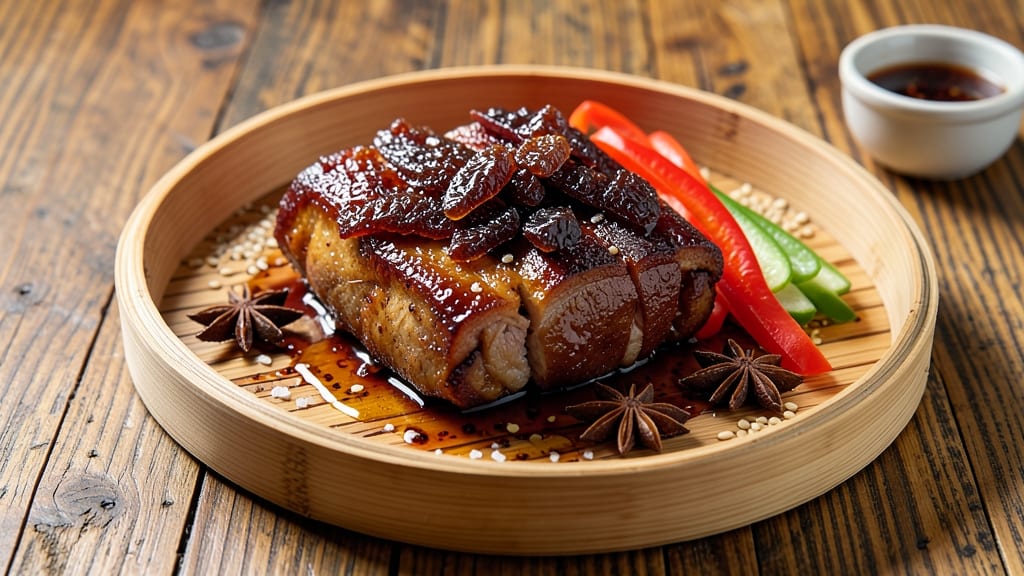
This Chinese pork stomach recipe transforms tough connective tissue into silky tenderness using a five-spice marinade and slow braising. 💛 After years of perfecting this technique in Charleston kitchens, I've developed a method that delivers restaurant-quality results at home—no specialized equipment required.
The secret lies in the preparation: cleaning and marinating the pork stomach overnight with star anise, cinnamon, and soy sauce breaks down fibers while infusing deep aromatic flavors.
Regional variations exist—some Cantonese versions use less sugar, while Sichuan recipes might add chili—but this balanced approach works universally for both weeknight dinners and festive gatherings.
By the time your pork stomach emerges from the braising liquid, it will be fork-tender with a glossy, caramelized surface and a rich sauce that clings to every bite.
The five-spice blend creates a complex flavor profile that's both comforting and sophisticated, perfect served over steamed jasmine rice with quick-pickled vegetables for contrast.
This dish represents the best of Chinese comfort food—transforming humble ingredients into something extraordinary through patience and technique. The same method works for other tough cuts like pork belly or even chicken feet, making it a versatile addition to your repertoire.
Let's get started with the preparation that will change how you approach pork dishes forever.
Ingredients for chinese pork stomach
Transform tough pork stomach into restaurant-quality tenderness with these aromatic, carefully balanced ingredients.
| Ingredient | Amount | Notes |
|---|---|---|
| Pork Stomach 🥩 | 2 lb | Cleaned, soaked overnight |
| Soy Sauce 🍶 | ½ cup | Kikkoman preferred for depth |
| Brown Sugar 🍚 | ¼ cup | Light or dark variety |
| Shaoxing Wine 🍷 | ¼ cup | Substitute dry sherry if unavailable |
| Five-Spice Powder 🌶️ | 1 tbsp | Homemade blend preferred |
| Star Anise 🌟 | 2 whole | For aromatic depth |
| Cinnamon Sticks 🍃 | 2 whole | Ceylon preferred for delicate flavor |
| Garlic Cloves 🧄 | 6 cloves | Peeled, lightly crushed |
| Ginger Root 🌿 | 1 tbsp | Fresh, grated |
| Green Onions 🧅 | 4 whole | White and green parts separated |
| Water 💧 | 2 cups | For initial soaking |
| Cornstarch 🌾 | 1 tbsp | For thickening sauce |
| Sesame Oil 🫒 | 1 tbsp | Toasted for aroma |
| Jasmine Rice 🍚 | 1 ½ cups | Uncooked, for serving |
| Vegetable Oil 🫒 | 2 tbsp | High smoke point |
The pork stomach is the star here—look for clean, pale pieces at Asian markets or butcher shops specializing in Chinese cuts. Costco and H Mart often carry pre-cleaned versions, but if you're buying raw, soak it in cold water with vinegar for 30 minutes to remove impurities. The five-spice powder should contain star anise, cloves, fennel, cinnamon, and Szechuan peppercorns—Penzeys Spices sells a pre-blended version if you want to skip the measuring. For the Shaoxing wine, don't substitute with just any sherry—look for the authentic Chinese version at specialty liquor stores, as it has a distinct maltiness that's essential for this dish.
No star anise? Double the cinnamon and add 1/4 tsp cloves for a similar warmth. Running low on Shaoxing wine? Dry sherry plus 1 tsp malt vinegar mimics the depth. The brown sugar can be swapped for honey (reduce other liquids by 2 tbsp), but the caramelization won't be as pronounced. For the green onions, use only the white parts in the braise and reserve the greens for garnish—they should remain vibrant and bright. If you're short on time, parboil the pork stomach for 10 minutes before marinating to reduce soaking time, though overnight is ideal for maximum tenderness.
Store any leftover pork stomach in its braising liquid for up to 5 days in the refrigerator—it actually improves in flavor. The sauce thickens as it cools, so reheat gently with 1-2 tbsp water to restore consistency. For longer storage, freeze portions in airtight containers for up to 3 months. The jasmine rice should be cooked just before serving to maintain its delicate texture—steam with a splash of Shaoxing wine in the water for extra aroma. Any remaining braising liquid makes an excellent base for stir-fries or noodle dishes, so don't discard it.
Why You'll Love This Recipe
- One-Pot Magic: I swear by this recipe—just the pork stomach, soy sauce, and Shaoxing wine simmering together until tender. No chopping, no fuss, and the five-spice powder works its magic while you stir. Honestly, it’s the kind of dish that makes me feel like I’ve earned my dinner.
- Sweet-Savory Crunch: That balance of brown sugar and soy sauce? It’s what turns this into something ridiculous good. The pork stomach gets this perfect crispy-tender texture, and the Shaoxing wine adds depth that makes it taste like a restaurant dish. (Yes, even on a Tuesday night.)
- Leftover Goldmine: This recipe actually improves the second day. The flavors meld even more, and it reheats like a dream—great for packed lunches or feeding unexpected guests. Between us, I’ve pulled this out of the fridge three times in a row without anyone complaining.
- Budget Feast: Pork stomach is cheap, and this recipe stretches it far—perfect for feeding a crowd without breaking the bank. Plus, the five-spice powder makes it feel special, so you’re not sacrificing flavor for savings. My secret weapon for potlucks and family dinners.
Step-by-step instructions for five-spice braised pork stomach
Transform tough pork stomach into silky, melt-in-your-mouth perfection using this precise braising method.
🔥 Step 1: Blanch and Parboil the Pork Stomach
Fill a large pot with enough water to fully submerge the 2 lb pork stomach. Bring to a rolling boil over high heat, then add the stomach and simmer for 30 minutes to remove impurities. You'll notice scum rise to the surface—skim this off with a slotted spoon to keep the broth clear.
Drain and rinse the stomach thoroughly under cold water, then return it to the pot with 2 cups fresh water. Bring to a boil again, then reduce heat to medium-low and simmer for 1 hour until the stomach becomes pliable and tender. The texture should resemble soft, supple leather when cool enough to handle. This initial cooking transforms the tough connective tissue into something luxurious.
🍳 Step 2: Build the Five-Spice Aromatic Base
In a separate pot, heat the 2 tablespoons vegetable oil over medium heat. Add the 6 cloves garlic cloves and 1 tablespoon grated ginger root, cooking until fragrant—about 1 minute. Add the 2 whole cinnamon sticks and 2 whole star anise, stirring for 30 seconds until the spices begin to release their oils.
Pour in the 0.25 cup Shaoxing wine and let it simmer for 2 minutes until the alcohol burns off and the aroma deepens. This aromatic base forms the flavor foundation—don't rush this step. The spices should be lightly toasted but not burned, creating a complex, warming base for the braising liquid.
🥘 Step 3: Braise with Five-Spice and Soy Glaze
Transfer the parboiled pork stomach to a large braising dish or Dutch oven. Pour the spice mixture over the stomach, then add the 0.5 cup soy sauce and 0.25 cup brown sugar. Mix well to coat the stomach completely with the marinade. The sugar will caramelize slightly during braising, adding depth to the sauce.
Bring the mixture to a boil over high heat, then reduce to low heat and cover tightly. Braise for 2 hours, turning the stomach occasionally to ensure even cooking. The liquid should reduce significantly, leaving a glossy, concentrated sauce. You'll know it's ready when the stomach is fork-tender and the sauce has thickened to a syrupy consistency.
⏰ Step 4: Thicken the Sauce and Finish
Remove the pork stomach from the braising liquid and set aside. In a small bowl, whisk together the 1 tablespoon cornstarch with 2 tablespoons water to create a slurry. Slowly stir this into the braising liquid, simmering constantly over medium heat until the sauce thickens to a glossy finish—about 3-4 minutes.
Return the pork stomach to the sauce and stir in the 1 tablespoon toasted sesame oil. The oil will bloom immediately, adding nutty aroma and richness. Slice the green onions and sprinkle the white parts over the pork, reserving the green for garnish. The final dish should have a balance of sweet, salty, and aromatic spices with a velvety texture that practically melts in your mouth.
🍚 Step 5: Serve Over Steamed Jasmine Rice
Cook the 1.5 cups jasmine rice according to package instructions until tender and fluffy. Plate the rice and arrange the sliced pork stomach over the top, ladling the thickened sauce generously around it. Garnish with the reserved green onion tops and a final drizzle of sesame oil for visual appeal and aroma.
Each bite should deliver perfectly tender pork with a glossy sauce clinging to every strand. The five-spice blend creates a complex aroma that lingers, while the sweet-savory sauce balances the rich texture. Serve immediately while the pork is still warm and the sauce maintains its perfect consistency.
Pro Tips For Making Chinese Pork Stomach
- SCORE THE STOMACH: Use a sharp knife or meat tenderizer to make deep, parallel cuts (about 1/4-inch deep) across the cleaned pork stomach—this lets the sauce penetrate faster and prevents it from curling into a tough, unappetizing roll. I learned this the hard way after serving a guest a chewy, under-seasoned mess.
- SALT IT TWICE: First, soak the cleaned stomach in saltwater (1/4 cup salt per 4 cups water) for 30 minutes to draw out impurities, then rinse thoroughly. Later, after browning, toss it in a mix of soy sauce, Shaoxing wine, and five-spice powder before braising—this builds flavor in layers, not just on the surface.
- LOW AND SLOW WINS: After searing the stomach until deeply golden, drop the heat to 275°F (135°C) and cover the pot. Pork stomach needs time—at least 2 hours—to break down into tender, melt-in-your-mouth bites. I used to rush it, and the result was always sad, stringy, and underwhelming.
- SAVE THE LIQUID: When the stomach is nearly done, pour the braising liquid through a fine-mesh sieve into a separate bowl. Reduce it by half on the stovetop, then glaze the pork with brown sugar and the reduced sauce. This thickens the coating and turns the dish from "good" to "restaurant-quality" without extra effort.
Storing and reheating this chinese pork stomach
Refrigerator Storage
Store your braised pork stomach in its flavorful sauce within airtight containers for up to 5 days in the refrigerator. The sauce actually improves overnight as the spices meld further, deepening the complex aromas.
I always use glass Pyrex containers because they preserve flavors better than plastic and allow me to see the beautiful caramelized sauce. The pork stays fork-tender when reheated properly, making it perfect for quick weeknight meals. 💛
Freezer Preservation
For longer storage, freeze the pork stomach with its sauce in freezer-safe containers or heavy-duty freezer bags for up to 3 months. Leave 1-inch headspace to prevent expansion cracks, and squeeze out excess air to avoid freezer burn.
I like to portion it into single-serving containers so I can thaw just what I need. When ready to use, thaw overnight in the refrigerator for even reheating. The texture remains silky when handled gently during thawing.
Reheating Methods
For best results, reheat pork stomach in the braising liquid over medium-low heat until warmed through—about 10-15 minutes. The sauce helps maintain moisture and prevents drying out. If the sauce has thickened too much, add 1-2 tablespoons water to restore its glossy consistency.
For microwave reheating, cover with a damp paper towel and heat in 1-minute intervals on 50% power until reaching 165°F internal temperature.
Sauce Refreshment
The sauce often thickens significantly during storage. To restore its velvety texture, whisk in 1 tablespoon water or Shaoxing wine while reheating. For extra richness, add a splash of toasted sesame oil—just ½ teaspoon—to recreate that restaurant-quality aroma.
I've found that reheating in a heavy-bottomed pot (like my Lodge cast iron) distributes heat evenly and prevents scorching. The result is a sauce that clings beautifully to the tender pork.
Portioning Tips
When storing leftovers, portion the pork stomach into individual servings with a ladle of sauce. This makes reheating a breeze and prevents the sauce from drying out during storage. For meal prep, I like to store the rice separately in airtight containers and assemble the dish fresh before eating.
The contrast of warm rice and reheated pork creates the perfect balance of textures and temperatures. The five-spice aroma wakes up beautifully when reheated properly. ✨
Nutrition facts
Frequently asked questions
What's the best way to find pork stomach for this recipe?
Look for clean, pale pieces at Asian markets or butcher shops specializing in Chinese cuts. Costco and H Mart often carry pre-cleaned versions, but if buying raw, soak it in cold water with vinegar for 30 minutes to remove impurities. The stomach should feel firm but pliable—not rubbery or slimy. Pro tip: Ask your butcher to trim off any excess fat for a cleaner cooking experience.
Can I substitute Shaoxing wine with something else?
Yes! Use dry sherry plus 1 teaspoon malt vinegar for the best flavor profile. The vinegar mimics Shaoxing's depth, though the authentic Chinese wine has a distinct maltiness that enhances the five-spice blend. For non-alcoholic versions, substitute with apple juice (reduce other liquids by 2 tablespoons) but expect slightly less complexity.
Why does the pork stomach need to parboil twice?
The first 30-minute boil removes impurities and surface scum, while the second 1-hour simmer breaks down collagen for tenderness. Skipping either step risks a tough texture. The stomach should feel soft enough to handle after parboiling—if it's still firm, simmer 15 more minutes. This preparation is crucial for transforming tough connective tissue into silky perfection.
How do I adjust the recipe for a crowd?
Double all ingredients proportionally, including the 2-hour braising time. Use a larger Dutch oven or oven-safe pot, and increase the water for parboiling by 50%. For 8 servings, aim for 4 lbs pork stomach and 4 cups braising liquid. The key is maintaining the same ratio of pork to liquid to prevent drying. A meat thermometer ensures even doneness—aim for 195°F internal temperature for maximum tenderness.
What if I don't have five-spice powder?
Make your own blend with 1/2 teaspoon each of cinnamon, cloves, fennel seeds, and Szechuan peppercorns, plus 1/4 teaspoon star anise. If unavailable, use 1 teaspoon ground coriander plus 1/2 teaspoon cinnamon for warmth. The five-spice creates a signature aromatic balance—without it, the dish will still be delicious but lack that signature complexity.