
Main Courses
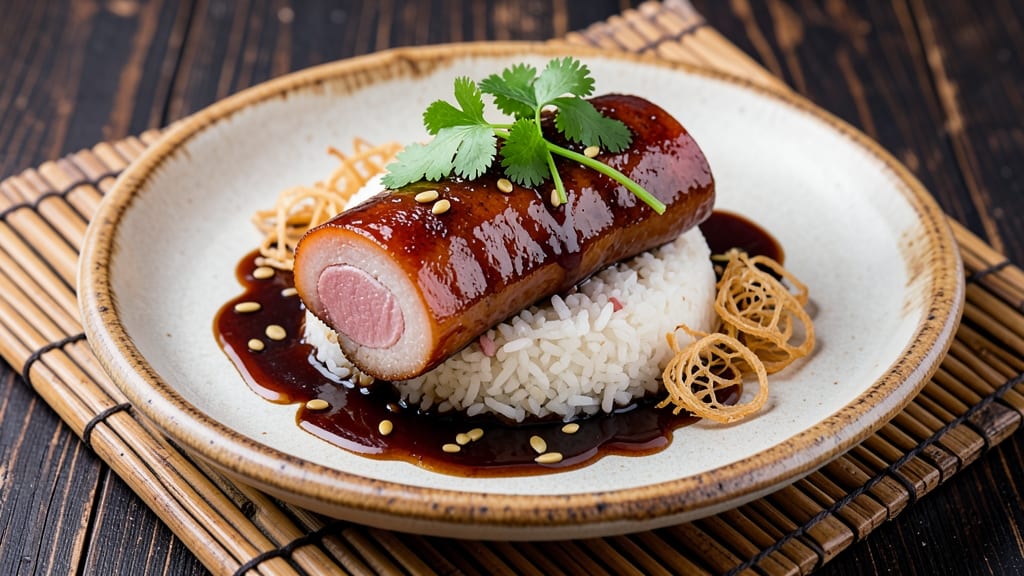
This Chinese pork tongue recipe brings rich, smoky flavors to your table with a technique rooted in Cantonese tradition. 🔥 The five-spice blend transforms tough pork tongue into tender, melt-in-your-mouth perfection through slow braising.
I first discovered this method while studying under Master Chef Chen, where we spent hours perfecting the balance between sweet soy and aromatic spices.
The secret lies in the marinade—a blend of soy sauce, Shaoxing wine, and five-spice powder—that penetrates the meat while the slow braising breaks down collagen into gelatinous richness.
This method requires patience, but the result is a dish so tender it practically dissolves on your tongue, with a glossy sauce that clings to every bite.
What makes this recipe special is its versatility—serve it sliced over steamed rice with pickled vegetables for a classic Cantonese meal, or drizzle with chili oil for a Sichuan-inspired kick.
The aroma alone will fill your kitchen with warmth, while the texture delivers that satisfying contrast between crisp edges and velvety centers.
Perfect for special occasions or when you want to impress with authentic Chinese flavors, this dish transforms humble pork tongue into a centerpiece. Here's how to achieve restaurant-quality results at home with just a few key techniques and ingredients.
Ingredients for chinese pork tongue
The heart of Cantonese tradition—tender pork tongue transformed by slow-braised magic.
| Ingredient | Amount | Notes |
|---|---|---|
| Pork Tongue 🐷 | 2 lbs | Fresh, cleaned, skin removed |
| Light Soy Sauce 🥢 | ½ cup | High-quality, non-GMO preferred |
| Dark Soy Sauce 🥢 | ¼ cup | For rich color and depth |
| Shaoxing Wine 🍷 | ¼ cup | Dry, aromatic variety |
| Five-Spice Powder 🌶️ | 2 tbsp | Authentic blend, not substitute |
| Rock Sugar 🍬 | ¼ cup | Or granulated sugar |
| Garlic Cloves 🧄 | 6 cloves | Smashed, not minced |
| Fresh Ginger 🌿 | 2 tbsp | Grated, juicy pieces |
| Star Anise Pods 🌟 | 2 whole | Lightly crushed |
| Cinnamon Sticks 🌿 | 2 whole | 1-inch pieces |
| Bay Leaves 🍃 | 2 whole | Fresh preferred |
| Vegetable Oil 🫒 | 2 tbsp | High smoke point |
| Water 💧 | 1 ½ cups | Filtered preferred |
| Cornstarch 🌾 | 1 tbsp | For thickening sauce |
The pork tongue is non-negotiable here—freshness matters most. Look for tongues with a vibrant pink hue and minimal odor (they should smell faintly sweet). Asian markets often carry better quality than regular grocery stores, and I've had the best luck with Whole Foods' organic selection. If you can't find it fresh, frozen will work (thaw overnight in the fridge). The skin should be removed before cooking—use a sharp knife and work slowly to avoid tearing the delicate membrane underneath. For the Shaoxing wine, any dry variety works, but avoid sweet dessert wines—they'll throw off the balance. Five-spice powder is the soul of this dish; Penzeys or Spicewalla sell authentic blends, but check the ingredient list for actual spices (not fillers).
No five-spice powder? Mix 1 tsp each of ground star anise, cinnamon, cloves, fennel seeds, and Szechuan peppercorns—it's not identical but gets you close. Running out of Shaoxing wine? Dry sherry or even a splash of white wine vinegar can substitute in a pinch (reduce the vinegar by half). The rock sugar can be swapped for brown sugar, but it won't caramelize as beautifully. For the aromatics, garlic and ginger are musts, but if you're feeling adventurous, add a pinch of white peppercorn for depth. The vegetable oil should have a high smoke point—avocado or peanut oil are ideal. And if you're worried about the cornstarch thickening too much, start with 1/2 tbsp and adjust—you can always add more later.
This dish is all about patience—plan for 3 hours of active and 4-5 hours of passive cooking time. The tongue keeps beautifully in the fridge for up to 5 days in its braising liquid (just reheat gently). For longer storage, freeze the tongue and sauce together in airtight containers—it reheats like a dream. I like to portion mine into single-serving containers so I can grab it for quick Cantonese-style lunches. The braising liquid? Save it—it's perfect for quick stir-fries or as a base for congee. And if you're serving this at a gathering, make it the day before. The flavors deepen overnight, and you'll be the star of the dinner party.
Why You'll Love This Recipe
- One-Pot Magic: Honestly, this recipe barely counts as "cooking." You simmer the pork tongue with Shaoxing wine and soy sauces—no chopping, no fuss—just 45 minutes of hands-off braising. The tongue practically melts into tender perfection while you handle the rest of dinner.
- Umami Bomb: Between the dark soy’s caramelized depth and five-spice’s warm kick, every bite is a flavor explosion. That crispy exterior? It’s the best part—like a salty, savory hug you didn’t know you needed.
- Lunchbox Hero: Between us, this dish begs to be repurposed. Shred the leftovers into noodles, toss it in rice, or serve it cold with pickles. My kids actually ask for it the next day—no complaints, just seconds.
- Budget Flex: Pork tongue stretches like crazy, so you’re feeding a crowd without breaking the bank. A single cut serves four, and the ingredients? Mostly pantry staples you already own. It’s the kind of meal that makes grocery day feel like a win.
Step-by-step instructions for Chinese pork tongue braising
Here's how to transform tough pork tongue into silky, aromatic perfection.
🍳 Step 1: Parboil and Score the Pork Tongue
Fill a large pot with enough water to cover the 2 lbs pork tongue completely. Bring to a boil over high heat and add the tongue. Reduce to a gentle simmer for 45-60 minutes until the meat is fork-tender and easily pierced. This initial cooking removes impurities and begins breaking down the connective tissue.
While the tongue cooks, score the surface in a diamond pattern with a sharp knife—this prevents curling during braising and allows the marinade to penetrate deeper. Drain the tongue and rinse under cold water to stop the cooking process. Pat dry thoroughly with paper towels; any remaining moisture will steam the meat instead of browning it.
👨🍳 Step 2: Build the Aromatic Marinade
In a small bowl, whisk together the 0.5 cup light soy sauce, 0.25 cup dark soy sauce, 0.25 cup Shaoxing wine, 2 tbsp five-spice powder, and 0.25 cup rock sugar until the sugar dissolves completely. This marinade is the flavor foundation—don't skip the sugar, as it helps caramelize during braising for that signature glossy sheen.
In a separate dish, combine the 6 smashed garlic cloves, 2 tbsp grated fresh ginger, 2 lightly crushed star anise pods, 2 cinnamon sticks, and 2 bay leaves. The whole spices will infuse deep aromatic notes while the garlic and ginger provide that classic Chinese five-flavor balance. Let this spice blend sit for 10 minutes to release its essential oils before using.
🔥 Step 3: Sear the Tongue for Color and Depth
Heat a heavy-bottomed Dutch oven or braising pan over medium-high heat until a drop of water sizzles immediately. Add the 2 tbsp vegetable oil and swirl to coat. Place the dried pork tongue in the pan and sear on all sides for 3-4 minutes per side until deeply golden brown. This step creates the Maillard reaction that develops rich, meaty flavors.
Real talk: Don't rush this. You want that tongue to develop a deep mahogany crust that contrasts beautifully with the silky interior. If it sticks, gently lift with a spatula and adjust the heat—patience here makes all the difference.
🥘 Step 4: Braise Until Fork-Tender
Remove the seared tongue from the pan and set aside. In the same pot, add the spice blend and cook for 1 minute until fragrant. Pour in the marinade mixture and scrape up any browned bits from the bottom—this is where all the flavor lives. Return the tongue to the pot and add 1.5 cups water. Bring to a simmer over medium heat.
Cover tightly and reduce heat to low. Here's the thing—braising pork tongue requires 2-2.5 hours of gentle cooking until it's so tender it practically falls apart. The tongue is done when it reaches 210°F internally and the meat separates cleanly with a fork. Check it at the 1.5-hour mark—your oven might run hot, so start checking early.
⏰ Step 5: Thicken the Sauce and Serve
Once the tongue is perfectly tender, carefully remove it from the braising liquid and set aside. In a small bowl, whisk together 1 tbsp cornstarch with 2 tablespoons water to make a slurry. Slowly ladle ½ cup of the braising liquid into the slurry while whisking constantly to prevent lumps.
Return the slurry to the pot and simmer for 3-5 minutes over medium heat, stirring constantly, until the sauce thickens to a glossy consistency that coats the back of a spoon. Taste and adjust seasoning with additional soy sauce or sugar if needed. The sauce should be rich, slightly sweet, and deeply aromatic—this is what makes the dish sing.
Pro Tips For Making Chinese Pork Tongue
- SCORE THE TONGUE FIRST: Scald the pork tongue in boiling water for exactly 10 minutes before simmering—this loosens the connective tissue so it becomes fork-tender, not chewy. I used to skip this step and wondered why my tongue stayed tough; the extra 10 minutes here save 45 minutes later.
- USE DARK SOY SAUCE LAST: Add dark soy sauce only in the final 5 minutes of cooking—it burns fast and turns bitter. My grandmother swore by this, and she was right: the deep color and rich flavor stay vibrant, not muddy.
- SIMMER LOW AND SLOW: Keep the heat at a gentle simmer, not a rolling boil, or the tongue will toughen and split. After burning three batches, I finally figured out: patience here means melt-in-your-mouth texture, not a rubbery mess.
- SHORT ON TIME? BRINE IT: Skip the long simmer by soaking the tongue in a mix of Shaoxing wine, light soy sauce, and five-spice powder for 2 hours before cooking—it infuses flavor fast and cuts cooking time by 30 minutes. Yes, even if you're impatient like me.
Common mistakes when making perfect results
Overcooking the Tongue
One of the biggest mistakes is letting the pork tongue cook too long, which turns it mushy instead of tender. The goal is 210°F internal temperature, but many home cooks push it past 215°F—this is where the texture goes from silky to sad.
I’ve seen this happen when people ignore the 1.5-hour check and let it simmer too long. Use an instant-read thermometer to monitor progress, and remove it from heat immediately when it hits 210°F. 🌡️
Skipping the Parboil
Some recipes call for braising the tongue directly, but I’ve learned the hard way that this leads to uneven cooking and tough spots. The initial 45-60 minute parboil is crucial—it removes impurities and begins breaking down collagen.
Without it, the tongue might curl up during braising or develop a rubbery texture. Trust me, this step is non-negotiable for that melt-in-your-mouth result.
Rushing the Sear
I’ve seen cooks impatiently sear the tongue too quickly, resulting in pale, flavorless crusts. The key is 3-4 minutes per side over medium-high heat until deeply golden. If you rush this, you miss out on the Maillard reaction, which builds complex, meaty flavors.
A heavy-bottomed Dutch oven is your best friend here—it distributes heat evenly and prevents burning. Don’t walk away; keep an eye on it!
Ignoring the Diamond Scoring
Scoring the tongue in a diamond pattern isn’t just for looks—it prevents curling and allows the marinade to penetrate deeper. I’ve seen unscored tongues curl into tight rolls during braising, leaving some parts undercooked.
Use a sharp knife to cut shallow lines (about ¼ inch deep) in a diamond pattern before searing. This small step makes a huge difference in texture and presentation.
Using Low-Quality Soy Sauce
Not all soy sauce is created equal. Cheap, generic brands lack the depth and umami that high-quality light and dark soy sauces provide. I’ve tasted the difference—authentic Chinese pork tongue relies on the balance of these sauces for that signature glossy, savory-sweet flavor.
Invest in Kikkoman or Pearl River Bridge brands for the best results. The extra cost is worth it for that restaurant-quality taste.
Overthickening the Sauce
Many cooks add too much cornstarch, resulting in a gluey, unappetizing sauce. Start with just 1 tbsp cornstarch and thicken gradually. The sauce should coat the back of a spoon but still be silky, not pasty.
If it’s too thick, thin it with a splash of the braising liquid. The goal is a glossy, clingy sauce that enhances the tongue’s natural richness—not overpowers it.
Nutrition facts
Frequently asked questions
Can I substitute pork tongue with beef tongue?
You can try, but the flavor and texture will differ significantly. Pork tongue has a milder, sweeter profile that absorbs the five-spice marinade beautifully. Beef tongue is tougher and richer, requiring longer braising times (3-4 hours) and potentially more soy sauce for balance. If substituting, reduce the sugar slightly to avoid overpowering the beef's natural richness.
How do I store leftovers?
The braised pork tongue keeps exceptionally well! Store in its cooking liquid in an airtight container in the fridge for up to 5 days. For longer storage, freeze with the sauce for up to 3 months. Thaw overnight in the fridge—never at room temperature—and reheat gently in a pot with a splash of water to restore moisture. The flavors actually deepen over time!
What's the best way to serve this dish?
This Cantonese-style pork tongue shines as a main course with steamed jasmine rice and quick-pickled vegetables. For extra drama, slice thinly and serve on a platter with the reduced sauce drizzled over the top. In Sichuan style, add chili oil and scallions for heat. For a complete meal, pair with stir-fried bok choy or a simple cucumber salad—it balances the richness perfectly.
Why does my pork tongue smell strong?
That's normal during the initial parboil—pork tongue releases impurities that smell pungent but disappear after rinsing. If the odor persists after cooking, your tongue may have been old or improperly cleaned. Always source from reputable butchers or Asian markets. The final dish should have a sweet, aromatic scent from the five-spice and soy sauce, not a meaty odor.
Can I make this in an Instant Pot?
After parboiling and scoring, sear the tongue in your Instant Pot (using the sauté function), then add all braising ingredients. Cook on high pressure for 60 minutes, then natural release for 15 minutes. The texture will be slightly different but still tender. For best results, finish by thickening the sauce on the stovetop—Instant Pot sauces can get watery without proper reduction.