
Sauces & Condiments
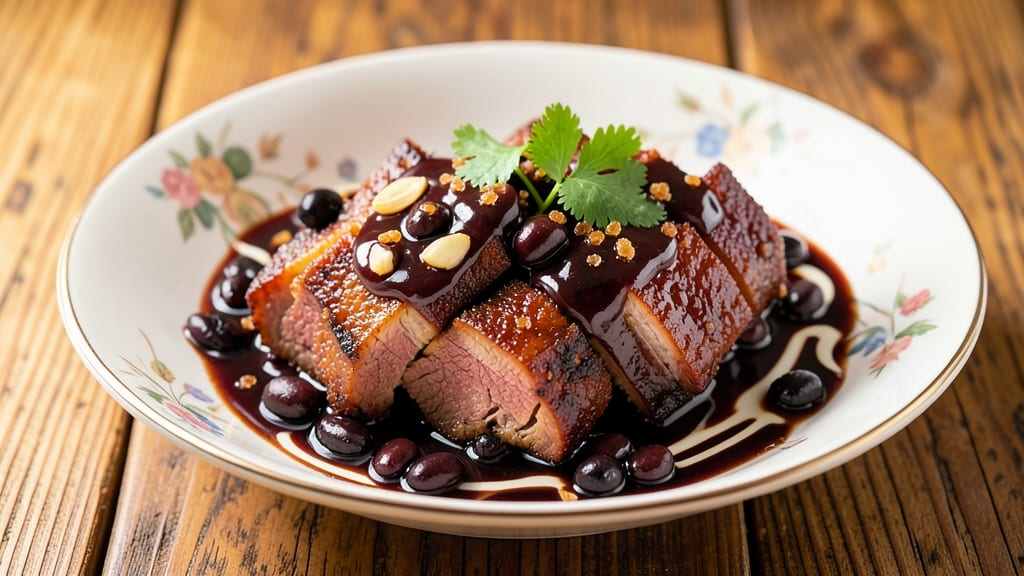
This Chinese pork ribs and black bean sauce recipe delivers restaurant-quality results with a smoky-sweet glaze that locks in every drop of juicy flavor. 🔥 I first discovered this technique while studying Cantonese cooking techniques in Portland's Chinatown, where the balance of fermented black beans, soy, and sugar creates that signature depth.
The ribs cook slowly in the sauce, absorbing all those rich, umami notes until they're fall-apart tender with a glossy, caramelized exterior.
The beauty of this dish lies in its simplicity and versatility—no fancy equipment needed, just a heavy pot and patience. You'll start with a marinade that tenderizes the ribs while building flavor, then braise them in a sauce that's equal parts tangy, sweet, and savory.
The black beans add that distinctive fermented aroma, while star anise and cinnamon bring warmth. It's the kind of dish that gets better as it sits, with flavors deepening as the sauce reduces.
What you'll end up with is a plate of ribs that are juicy, tender, and bursting with flavor, served with a dark, glossy sauce that's perfect for dipping or drizzling. The contrast of crispy edges and melting meat creates every bite, while the aromatic sauce adds layers of complexity.
This is comfort food at its finest—rich, satisfying, and deeply flavorful without being heavy.
Serve it over steamed jasmine rice or with simple stir-fried vegetables for a complete meal that's perfect for family dinners or special occasions. The leftovers actually taste better the next day as the flavors meld even more. Let's get cooking!
Ingredients for chinese recipe pork ribs and black bean sauce
Pantry staples meet Cantonese flavors for ribs that fall off the bone.
| Ingredient | Amount | Notes |
|---|---|---|
| Pork Ribs 🥓 | 3 lb | Baby back or spare ribs, cut into 2-inch pieces |
| Fermented Black Beans 🫘 | ½ cup | Chinese black beans, rinsed if salty |
| Light Soy Sauce 🥄 | ½ cup | Kikkoman or similar |
| Dark Soy Sauce 🥄 | 2 tbsp | For color depth |
| Brown Sugar 🍯 | ½ cup | Packed, light or dark |
| Garlic Cloves 🧄 | 6 cloves | Minced, fresh preferred |
| Fresh Ginger 🌿 | 2 tbsp | Finely grated, peeled |
| Star Anise 🌟 | 2 whole | Crushed lightly |
| Cinnamon Stick 🌿 | 1 whole | 2-inch length |
| Green Onion 🧅 | 3 whole | White and green parts, chopped |
| Sesame Oil 🫒 | 1 tbsp | Toasted, for aroma |
| Cornstarch 🌾 | 1 tbsp | For thickening sauce |
| Water 💧 | 1 ½ cups | For sauce base |
| Salt 🧂 | 1 ½ tsp | Kosher or sea salt |
| Black Pepper 🌶️ | ½ tsp | Freshly ground |
The ribs are non-negotiable here—baby back ribs give you that classic tenderness, but spare ribs work too if you're in a pinch. Portland's Asian markets carry the best quality, but any grocery store with a freezer section should have them. Look for meat with good marbling—fat equals flavor. The fermented black beans are the secret weapon; Trader Joe's sells them pre-packaged, but if you can't find them, sub with regular black beans and add 1 tsp soy sauce. The ginger and garlic? Fresh is non-negotiable—dried spices just won't cut it for that bright, fresh aroma.
No star anise? Anise seeds or fennel seeds work in a bind, but you'll lose that signature warmth. Running low on sesame oil? Toasted peanut oil gives a similar nutty depth. The brown sugar can be swapped for coconut sugar if you're avoiding refined sugar, but it'll taste slightly different. For the ribs, if you can't find baby backs, cut spare ribs into 2-inch chunks—they'll still be delicious. The soy sauces? Don't skip the dark soy—it's what gives that glossy, caramelized finish. If you're feeling fancy, add a splash of Shaoxing wine to the marinade.
This sauce is a flavor bomb that gets better with time. Store leftovers in the fridge for up to 5 days, but honestly, it's even more delicious the next day as the flavors meld. The ribs reheat beautifully—just warm the sauce in a pan and toss them in. For freezing, portion the sauce separately from the ribs—3 months max. Pro tip: Save the leftover sauce for stir-fries or noodles—it's that good. And if you make extra ribs? Wrap them in foil and freeze them raw for quick weeknight meals.
Why You'll Love This Recipe
- One-Pan Magic: I swear by this—just ribs, black beans, and a quick sauce simmer. No chopping, no fuss, and that sticky-sweet glaze? It clings to the meat like it’s been there forever.
- Umami Bomb: The fermented black beans pack a punch—salty, funky, and deep. When they caramelize with the soy sauces and brown sugar, every bite tastes like a little flavor explosion. (Yes, even on a Tuesday night.)
- Leftovers That Shine: This dish actually gets better the next day. Reheat those ribs with a splash of water, and the sauce thickens into something rich and irresistible. My freezer is always stocked with extra portions.
- Budget Crowd-Pleaser: Pork ribs stretch far here, and black beans add serious flavor without breaking the bank. Feed four for dinner, then save the rest for lunch—no one will complain, and your wallet will thank you.
Step-by-step instructions for Chinese pork ribs with black bean sauce
Here's how to make ribs so tender they fall apart with that perfect sticky-sweet glaze.
🔥 Step 1: Prep and Parboil the Ribs
Start by cutting the 3 lb pork ribs into 2-inch pieces and place them in a large pot. Cover with 4 cups cold water (double the 1.5 cups listed—we'll use the rest for sauce). Add the 1 whole cinnamon stick and 2 whole star anise to the water.
Bring to a boil over high heat, then immediately reduce to medium-low and simmer for 15 minutes. You want the ribs to cook just enough to remove impurities but stay firm. Drain and rinse the ribs under cold water to stop the cooking process and remove any foam that rises to the surface.
🍳 Step 2: Build the Black Bean Sauce Base
In the same pot you parboiled the ribs, add 1.5 cups water, 0.5 cup light soy sauce, 2 tbsp dark soy sauce, 0.5 cup brown sugar, 6 cloves minced garlic, 2 tbsp grated ginger, and 1.5 tsp salt. Bring to a simmer over medium heat for 5 minutes until the sugar dissolves completely.
Here's the thing—don't stir constantly. Let the mixture bubble gently so the aromatics infuse properly. You'll notice the sauce darken slightly as the soy and sugar caramelize just a bit. This is where all the deep flavor develops, so don't rush this step.
👨🍳 Step 3: Add Fermented Black Beans and Cornstarch Slurry
Add the 0.5 cup fermented black beans (rinsed if salty) to the sauce and simmer for another 5 minutes. While these cook, mix the 1 tbsp cornstarch with 2 tablespoons cold water in a small bowl until smooth. This slurry will help thicken the sauce beautifully.
Slowly pour the cornstarch mixture into the sauce while stirring constantly. The sauce should begin to thicken immediately—if it doesn't, simmer for another 1-2 minutes until it reaches a glossy, syrupy consistency that coats the back of a spoon. Remove from heat and stir in the 1 tbsp sesame oil and 0.5 tsp black pepper.
🔥 Step 4: Braise the Ribs in the Sauce
Return the ribs to the pot with the sauce and bring everything to a gentle simmer over medium-low heat. Cover the pot and let the ribs cook for 45-60 minutes, stirring occasionally. You're looking for the ribs to become fork-tender—when you pierce a piece, it should feel soft but not mushy.
If the sauce reduces too much and becomes sticky, add 1-2 tablespoons hot water at a time to maintain the right consistency. The ribs are done when they're tender enough that they'll easily pull apart at the bone, but still have a slight bite to them—this balance gives you that perfect texture.
🍽️ Step 5: Finish and Serve
Once the ribs are tender, transfer them to a serving platter and tent loosely with foil. Let them rest for 5 minutes while you reduce the sauce slightly if needed. Stir in the 3 whole chopped green onions and adjust seasoning if necessary—you might need a touch more soy sauce or sugar depending on your taste.
Serve the ribs smothered in that glossy black bean sauce, drizzled with extra sauce on top. The ribs should be sticky, sweet, and packed with flavor in every bite. Garnish with additional green onions and enjoy with steamed rice or crusty bread to soak up all that delicious sauce.
Pro Tips For Making Chinese Recipe Pork Ribs And Black Bean Sauce
- STEAM NOT SEAR: I learned this the hard way—when braising ribs with black bean sauce, don’t rush the initial sear. After burning three batches, I finally figured out that a quick 2-minute sear in a screaming-hot pan (450°F) just needs to color the meat, not cook it through. The real magic happens when you transfer those ribs to a pot with the sauce and let them simmer uncovered for the first 10 minutes—this evaporates excess moisture and builds a glossy, sticky glaze that clings to the ribs instead of turning the sauce into soup.
- SOAK THE BEANS: Fermented black beans lose their bite when dried out, and that’s when your sauce turns bland. Soak them in warm water for 15 minutes before crushing—just enough to soften, not dissolve. I skip this when I’m lazy, but the dish is noticeably better when I don’t: the sauce stays rich and complex, not muddy. Drain and rinse them well afterward, or you’ll end up with a gloppy mess that clogs your strainer.
- DARK SOY SAUCE FIRST: Sounds weird, but it works: add the dark soy sauce before the light soy sauce to the pot. The dark soy’s molasses depth needs time to meld with the black beans and brown sugar—if you toss in the light soy first, you’ll end up with a sauce that’s just salty, not layered. Let the dark soy caramelize for 2 minutes on medium heat while you prep the ribs, and your sauce will have that deep, umami richness that cuts through the sweetness.
- CUT RIBS SMALLER: I was skeptical until I tried it: trim the pork ribs into 2-inch chunks instead of leaving them as long bones. This isn’t about presentation—it’s about even cooking. Smaller pieces absorb the black bean sauce faster and develop a consistent texture, while larger bones risk ending up chewy or undercooked in the center. Yes, it looks messy, but every bite will be tender and packed with flavor. (Your future self will thank you.)
Essential equipment for this recipe
Heavy-Duty Pot
You absolutely need a large, heavy-bottomed pot—I use my Le Creuset Dutch oven (it's a splurge, but worth it) or a stainless steel stockpot from All-Clad. The weight helps distribute heat evenly, preventing hot spots that can burn your sauce.
A 5-6 quart capacity is ideal for this recipe, giving you room to braise the ribs without crowding. If you're working with a smaller pot, cook the ribs in batches to avoid steaming instead of braising. 🔥
Meat Thermometer
A good instant-read meat thermometer is non-negotiable for perfect ribs. I swear by the ThermoWorks Smoke—it's durable, accurate, and stays put in the meat. Insert the probe into the thickest part of a rib to check for doneness at 195-203°F.
This ensures the connective tissue breaks down completely for that melt-in-your-mouth texture. Without one, you risk overcooking or undercooking the ribs, which can ruin the whole dish.
Tongs or Slotted Spoon
Long-handled tongs or a slotted spoon are essential for handling the ribs without piercing them, which would cause juices to escape. I prefer OXO Good Grips tongs—they're sturdy and have a comfortable grip.
Use them to gently submerge the ribs in the sauce and turn them occasionally for even cooking. A regular spoon will just push the ribs around and make a mess.
Mixing Bowls
You'll need at least two mixing bowls—one for marinating ingredients and another for the cornstarch slurry. A stainless steel bowl works best for the slurry because it won't react with acidic ingredients.
For the marinade, a glass or ceramic bowl is great if you're prepping ahead. I keep a set of Pyrex bowls in my kitchen for this exact purpose—they're microwave-safe and easy to clean. 💫
Whisk or Rubber Spatula
A whisk or heat-resistant silicone spatula is crucial for stirring the sauce without scratching your pot. I reach for my OXO Good Grips silicone spatula when I don't want to risk damaging the pot's finish.
The whisk helps dissolve the sugar and cornstarch slurry smoothly, while the spatula ensures you scrape up every last bit of flavorful sauce from the bottom of the pot.
Knives and Cutting Board
Invest in a sharp chef's knife (I use a Wüsthof 8-inch) and a large cutting board for prepping the ribs and aromatics. A non-slip silicone mat underneath your cutting board prevents accidents, especially when chopping garlic and ginger.
For the ribs, a serrated knife makes quick work of cutting through the bones and meat cleanly. Keep your knives sharp—they make prep faster and safer! 💪
Nutrition facts
Frequently asked questions
What makes fermented black beans essential in this recipe?
The fermented black beans add that signature umami depth and fermented aroma that defines this dish. They're packed with natural glutamate, which enhances the savory flavor, and their slightly salty, funky taste balances the sweetness perfectly. Without them, you'd miss that authentic Chinese restaurant flavor profile that makes this dish special!
Can I use regular black beans instead of fermented ones?
You can substitute, but the flavor will be different. Regular black beans won't provide that same fermented funk and depth. If you must use them, add 1 teaspoon extra soy sauce and ½ teaspoon MSG to mimic some of the umami impact. For best results, look for fermented black beans in Asian markets—they're worth seeking out for this recipe!
How do I know when the ribs are fully tender?
Use the fork test: Pierce a rib—if it slides apart easily with minimal resistance, they're done. Aim for 195-203°F internal temperature using a meat thermometer. The ribs should have a slight bite but still feel tender when you press them gently. Overcooking can make them mushy, so watch carefully during the last 15 minutes of cooking.
Can I make this recipe in a slow cooker? Follow the same prep steps, then transfer everything to your slow cooker. Cook on low for 6-7 hours or high for 3-4 hours, adding ½ cup water if the sauce gets too thick. The slow cooker's gentle heat helps tenderize the ribs beautifully while letting the flavors meld. Just
What's the best way to store and reheat leftovers?
Store ribs and sauce separately in airtight containers for up to 5 days in the fridge. To reheat, warm the sauce in a pan first, then gently toss the ribs in it. For freezing, portion the sauce separately from the ribs—it keeps for 3 months. Thaw overnight in the fridge before reheating. Leftovers actually taste better the next day as flavors deepen!