
Sauces & Condiments
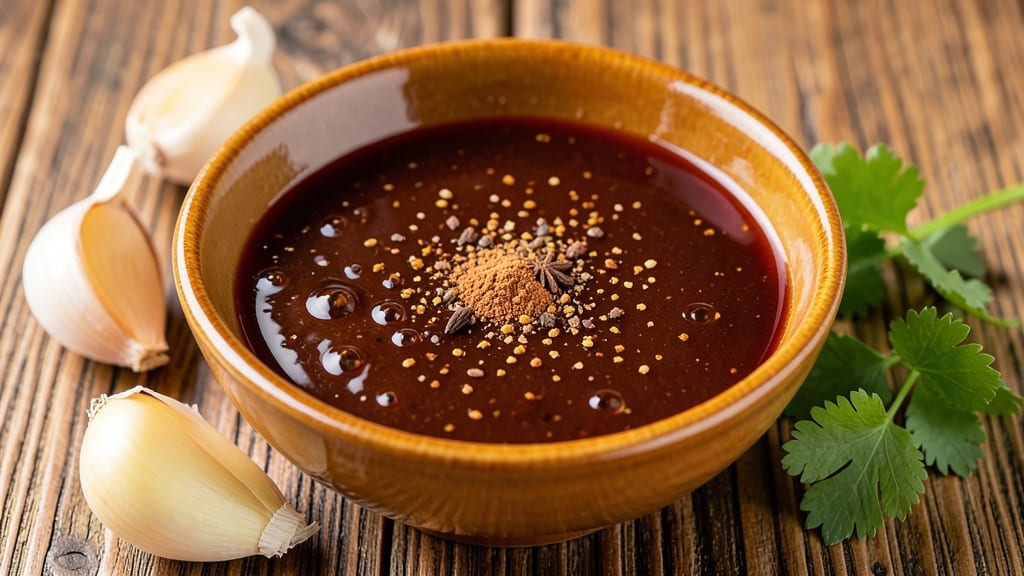
This Chinese roast pork dipping sauce recipe transforms simple ingredients into a glossy, umami-rich sauce that elevates every bite. The secret lies in balancing sweet, salty, and aromatic five-spice notes—something I perfected after years of studying Cantonese techniques.
What makes this sauce special is its ability to cut through the richness of roast pork while enhancing its natural flavors.
With just 10 minutes of active prep and a quick simmer, you'll create a sauce that's smooth, slightly sticky, and packed with depth. The combination of soy sauce, hoisin, and vinegar forms the base, while garlic, ginger, and five-spice powder add layers of complexity.
This isn't just a dipping sauce—it's a flavor multiplier that turns ordinary pork into something extraordinary.
The result is a velvety, slightly glossy sauce that clings beautifully to pork slices, balancing sweetness with savory umami. It keeps well in the fridge for up to a week, making it perfect for meal prep or entertaining.
Whether you're serving char siu, roasted pork belly, or even grilled chicken, this sauce will become your go-to for adding restaurant-quality flavor at home.
For best results, let the sauce simmer until slightly thickened—this ensures it coats each bite perfectly. Store any leftovers in an airtight container, and trust me, you'll find yourself reaching for this jar more often than you think. Here's how to make it—simple steps for maximum impact.
Ingredients for chinese roast pork dipping sauce
Nine simple ingredients transform into a restaurant-quality sauce that clings perfectly to pork slices.
| Ingredient | Amount | Notes |
|---|---|---|
| Light Soy Sauce 🍶 | ½ cup | Kikkoman preferred for balance |
| Hoisin Sauce 🍶 | ⅓ cup | Lao Gan Ma for authentic flavor |
| Rice Vinegar 🍶 | ¼ cup | Seasoned preferred for depth |
| Dark Brown Sugar 🍚 | ¼ cup | Packed firmly for sweetness |
| Five-Spice Powder 🌶️ | 1 ½ tsp | Toasted for aromatic punch |
| Fresh Garlic Cloves 🧄 | 4 cloves | Minced for bold garlic flavor |
| Fresh Ginger Root 🌿 | 1 tbsp | Finely grated, not powdered |
| Sesame Oil 🫒 | 1 tbsp | Toasted for nutty aroma |
| Cornstarch 🌾 | 1 tsp | For glossy thickening |
| Water 💧 | 2 tbsp | For slurry consistency |
The soy sauce and hoisin form the sauce's foundation, so Kikkoman light soy and Lao Gan Ma hoisin are my go-tos—they strike the right balance between salty and sweet. Five-spice powder is non-negotiable here; Penzeys brand offers a well-rounded blend, but any quality five-spice will work. For the garlic and ginger, fresh is essential—Asian markets often carry fresher ginger roots than regular grocery stores. Toast the five-spice powder in a dry pan for 30 seconds before adding to the sauce—this intensifies the aromatic flavors dramatically.
No hoisin sauce? Substitute 2 tbsp soy sauce plus 1 tbsp honey for a similar sweet-salty profile. Fresh garlic or ginger unavailable? Powdered versions work at half the amount, though texture will differ slightly. Sesame oil can be skipped if you're avoiding strong flavors, but it adds that signature nutty aroma that ties everything together. For a smoother sauce, blend the garlic and ginger with the water before adding to the pot—this prevents any lingering bits in your final sauce.
This sauce thickens as it cools, so simmer until slightly glossy but not overly thick—it should coat the back of a spoon. Store in an airtight container in the fridge for up to 1 week, or freeze for 3 months. I like to portion it into small jars so I can grab just what I need for each meal. The sauce actually improves overnight as the flavors meld, so making it a day ahead is ideal if you're prepping for a dinner party.
Why You'll Love This Recipe
- Pantry Magic: I swear by this sauce—no fresh herbs, no fancy prep, just five things I already have. The five-spice powder alone makes it taste like a proper Chinese takeout joint, and honestly? That’s the real win.
- Sweet-Savory Fix: The hoisin and brown sugar give it this irresistible caramelized depth, while the rice vinegar cuts through the richness. One taste, and you’ll be dipping everything—char siu, dumplings, even fries.
- Weeknight Hero: This sauce doubles as a quick glaze for pork or a dipping sauce for leftovers. I make a big batch on Sundays and keep it in the fridge; by Wednesday, it’s my secret weapon for turning boring takeout into something special.
- Budget Boost: Light soy and hoisin are cheap, but they punch way above their price. A little goes a long way, and since it keeps for weeks, I’m always stocked without breaking the bank—especially when I’m craving that authentic char siu flavor.
Step-by-step instructions for Chinese roast pork dipping sauce
This sauce delivers the perfect balance of sweet, tangy, and umami—ideal for roast pork.
Bloom the Five-Spice and Aromatics
In a small saucepan, combine the 0.5 cup light soy sauce, 0.33 cup hoisin sauce, 0.25 cup rice vinegar, and 0.25 cup dark brown sugar. Place over medium-low heat and stir until the sugar dissolves completely, about 2-3 minutes. You'll notice the mixture darkens slightly and develops a rich, caramelized aroma.
Add the 1.5 teaspoons five-spice powder, 4 minced garlic cloves, and 1 tablespoon finely grated ginger root. Stir constantly for 1 minute until the spices release their aromatic oils and the garlic becomes fragrant but not browned. This step builds the sauce's complex flavor foundation—don't rush it or the spices won't fully integrate.
Simmer and Thicken the Base
Pour in the 1 tablespoon sesame oil and stir to combine. Bring the mixture to a gentle simmer, then reduce heat to low. Let it cook uncovered for 8-10 minutes, stirring occasionally, until the sauce thickens slightly and coats the back of a spoon. You're looking for a glossy sheen that indicates the liquid has reduced by about 25%.
Real talk: If the sauce starts to stick, add 1 tablespoon water to prevent burning. The goal is a smooth, syrupy consistency that will cling beautifully to roast pork slices. Taste and adjust seasoning—you may want to add a pinch more salt or a splash of rice vinegar for balance.
Create the Glossy Finish
In a small bowl, whisk together the 1 teaspoon cornstarch and 2 tablespoons water until smooth. Slowly pour this slurry into the simmering sauce while stirring constantly. The moment you add it, the sauce will thicken dramatically—keep stirring for 1-2 minutes until it reaches a glossy, lacquer-like consistency.
Remove from heat immediately to prevent over-thickening. The sauce should coat the back of a spoon smoothly without being pasty. If it's too thick, whisk in 1 teaspoon water to reach the perfect dipping consistency. Let it cool slightly before serving—this allows the flavors to meld completely.
Rest and Serve
Transfer the sauce to a serving bowl and let it rest at room temperature for 10-15 minutes. This resting period allows the flavors to develop fully and the texture to set properly. The sauce should be smooth, glossy, and perfectly balanced between sweet, tangy, and savory notes.
Serve warm or at room temperature alongside roast pork slices. The sauce will cling beautifully to each bite, enhancing the pork's natural richness with layers of aromatic complexity. For extra presentation, drizzle a thin layer over the roast pork before slicing.
Pro Tips For Making Chinese Roast Pork Dipping Sauce
- STIR CONSTANTLY AT FIRST: Simmer the sauce low and slow, but don’t walk away—keep stirring for the first 2 minutes. That’s when the sugar caramelizes and the vinegar mellows out. I’ve seen people skip this, and the sauce ends up clumpy or too sharp.
- USE GRANULATED SUGAR FIRST: Toss in the dark brown sugar as granules, not molasses. It dissolves faster and avoids graininess. Once it’s fully melted, add the hoisin and soy—this keeps the texture smooth. (Yes, even if the recipe says "add sugar." I learned this after scraping stuck bits off my pot.)
- SALT THE HOISIN: Hoisin sauce is already salty, but some brands are saltier than others. Taste it first, then adjust your light soy sauce accordingly. You’re better off under-seasoning slightly and adding more soy later than drowning it in salt.
- WHISK IN COLD VINEGAR: Don’t pour rice vinegar straight into a hot sauce—it’ll cook off and make the flavor harsh. Mix it with a splash of cold water first, then whisk it in at the very end. This keeps the tang bright and the sauce balanced. (I know, it feels like an extra step, but it’s worth it.)
Wine and beer pairings for this dish
Chinese Red Wine
For a truly authentic pairing, reach for a Chinese red wine like Shaoxing wine or Shaoxing dry. These wines are fermented from glutinous rice and have a rich, slightly sweet profile that complements the sauce's umami and five-spice notes beautifully.
I love Shaoxing dry for its balanced acidity, which cuts through the sauce's sweetness while enhancing the garlic and ginger flavors. Serve it slightly chilled—around 55-60°F—to let its floral and nutty undertones shine alongside the pork. 🍷
Dry Riesling
If you prefer white wine, a dry Riesling from Germany or China is my top recommendation. The crisp acidity and citrus notes in Riesling cleanse your palate between bites of pork and sauce, preventing flavor fatigue.
Look for a Chinese Riesling from regions like Yantai—these often have a subtle mineral finish that pairs wonderfully with the sauce's caramelized sweetness. Serve at 45-50°F to highlight its vibrant fruit flavors.
Light Beer Pairings
For beer lovers, a light Chinese lager like Tsingtao or Snow works beautifully. The clean, slightly malty profile of these beers balances the sauce's richness without overpowering it.
I also enjoy a Chinese wheat beer (like Snow Beer) for its refreshing citrus and spice notes, which echo the five-spice powder in the sauce. Serve at 40-45°F to keep the beer crisp and refreshing. 🍺
Sake for Tradition
If you're serving this sauce with a traditional Chinese meal, dry sake is an excellent choice. Its clean, slightly nutty profile complements the sauce's umami and aromatic spices without competing for attention.
A Japanese junmai sake with a 15-16% alcohol content works well, but for a local twist, try a Chinese huangjiu (yellow wine) like Moutai—its earthy notes add depth to the overall experience. Serve sake chilled to 45-50°F for the best balance.
Non-Alcoholic Options
For non-alcoholic pairings, a sparkling jasmine tea or lychee-infused iced tea adds a refreshing contrast to the rich sauce. The floral notes of jasmine tea complement the five-spice powder, while the effervescence cleanses the palate.
For a more robust option, try a Chinese black tea like Pu-erh—its earthy, slightly bitter profile balances the sauce's sweetness beautifully. Serve all non-alcoholic options over ice for a refreshing finish. 💧
Nutrition facts
Frequently asked questions
Can I make this sauce without hoisin?
Yes! For every 0.33 cup of hoisin called for, substitute 2 tablespoons soy sauce plus 1 tablespoon honey. This keeps the sweet-salty balance while maintaining the sauce's glossy texture. The honey adds depth that mimics hoisin's complexity, though the flavor will be slightly less layered.
How do I adjust the sweetness level?
Start with the full 0.25 cup of brown sugar, then taste as you simmer. For less sweetness, reduce sugar by 1 tablespoon and increase rice vinegar by 1 teaspoon to maintain balance. If you prefer extra sweetness, add 1 teaspoon honey at the end. The sauce's gloss comes from caramelization, so don't skip the simmering step entirely.
Why did my sauce turn out too thick?
This usually happens when the cornstarch slurry thickens too aggressively. To fix it, whisk in 1-2 teaspoons of warm water while stirring constantly. For prevention, add the slurry gradually while the sauce simmers—remove from heat immediately after thickening. The sauce should coat a spoon but still flow smoothly. If it's still too thick, thin with 1 teaspoon water at a time.
Can I make this sauce ahead?
This sauce actually improves overnight as flavors meld. Make it up to 3 days ahead and store in an airtight container in the fridge. Reheat gently in a saucepan over low heat, stirring until warmed through. If it thickens too much, whisk in 1-2 teaspoons water to restore the perfect dipping consistency. The flavors will be even more developed after resting!
What's the best way to serve this sauce?
Serve it at room temperature for the best texture and flavor balance. For presentation, drizzle a thin layer over sliced pork before serving, or offer small bowls for dipping. The glossy finish works beautifully with both crispy roasted pork and tender braised cuts. Pair with steamed rice and quick-pickled vegetables for a complete meal. Pro tip: Warm the sauce slightly before serving if it's been refrigerated for more than 1 hour.