
Main Courses
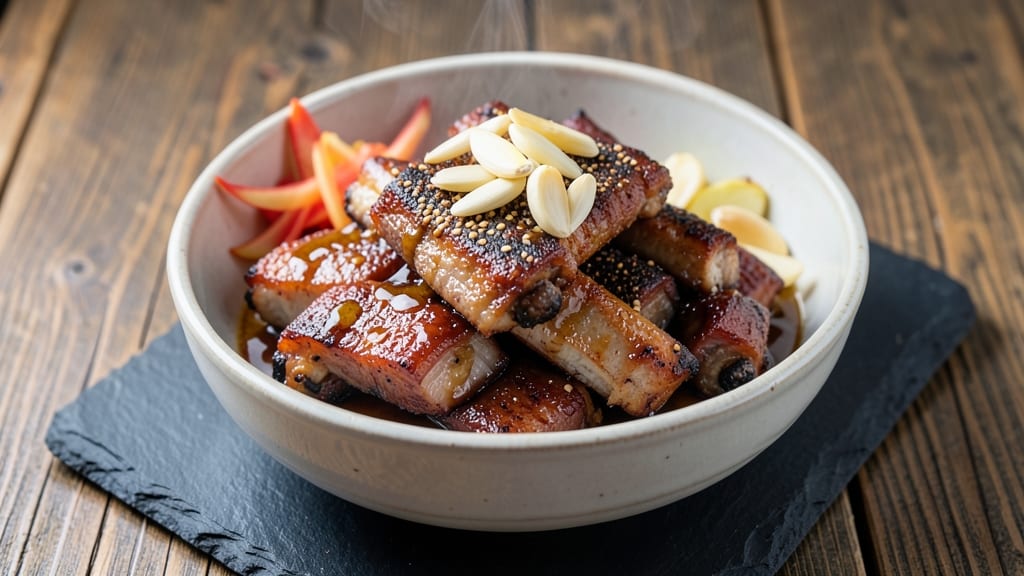
Chinese steamed pork ribs transform tough meat into melt-in-your-mouth tenderness using a fragrant five-spice marinade and gentle steaming. This traditional dim sum technique preserves natural juices while infusing deep, aromatic flavors that make every bite irresistible. The secret lies in proper preparation—parboiling, marinating, and steaming just long enough to achieve that signature melt-in-your-mouth texture without drying out.
The process begins with a marinade of five-spice powder, soy sauce, and ginger that penetrates the meat, creating layers of flavor. Steaming for about 1 to 1.5 hours ensures the ribs stay tender while developing a subtle caramelized aroma.
Unlike boiling or frying, steaming preserves the meat's natural richness, making it perfect for both family meals and festive gatherings.
What you’ll end up with is succulent pork ribs that practically fall apart at the touch, infused with warm spices and a hint of tangy soy. The ribs maintain their natural juices, creating a dish that’s both comforting and elegant.
Serve with steamed jasmine rice and quick-pickled vegetables for a complete meal that feels like a restaurant-quality experience at home.
This method is ideal for special occasions or when you want to impress guests without complicated techniques. The ribs can be made ahead and reheated gently, making them perfect for meal prep.
Whether you’re serving dim sum or a hearty family dinner, these fragrant pork ribs will be the star of the table.
Ingredients for chinese steam pork ribs
Six aromatic ingredients transform tough ribs into melt-in-your-mouth dim sum perfection.
| Ingredient | Amount | Notes |
|---|---|---|
| Pork Ribs (Baby Back) 🥓 | 3 lb | Bone-in, cut into 2-inch pieces |
| Five-Spice Powder 🌶️ | 2 tbsp | Authentic Chinese blend preferred |
| Light Soy Sauce 🍶 | ½ cup | Kikkoman or similar brand |
| Fresh Ginger 🧄 | 2 tbsp | Grated, aromatic variety |
| Garlic Cloves 🧄 | 6 cloves | Minced, fresh preferred |
| Sesame Oil 🫒 | 1 tbsp | Toasted, for aroma |
| Honey 🍯 | 1 tbsp | For subtle sweetness |
| Shaoxing Wine 🍷 | ¼ cup | Or substitute dry sherry |
| Green Onions 🧅 | 4 whole | Cut into 1-inch pieces |
| Jasmine Rice 🌾 | 2 cups | Uncooked, for serving |
| Water 💧 | 3 cups | For steaming |
| Salt 🧂 | 1 ½ tsp | Kosher or sea salt |
| White Pepper 🌶️ | ½ tsp | Freshly ground |
| Vegetable Oil 🫒 | 2 tbsp | For parboiling |
The ribs are the heart of this dish—baby back pork with good marbling gives the best texture. Look for cuts with visible fat between the bones at Asian markets or well-stocked grocery stores like Whole Foods or H Mart. If you can't find baby back, spare ribs work too, but they'll need a little more steaming time. The five-spice powder is non-negotiable here—Penzeys or local Chinese markets carry the authentic blend that makes all the difference. Fresh ginger and garlic should smell vibrant, not musty, and the sesame oil should be toasted, not rancid.
No Shaoxing wine? Dry sherry or even a splash of apple cider vinegar keeps the acid balance. The honey can be swapped for brown sugar dissolved in warm water if you prefer. For a quicker prep, pre-minced garlic and ginger from the jar works, though fresh is ideal. If you're short on time, parboil the ribs in advance and store them in the marinade for up to 24 hours—the flavors deepen overnight. The green onions add freshness; if you can't find them, scallions or chives work in a pinch, but they won't have the same bright bite.
These ribs reheat beautifully—just a quick steam or microwave blast brings them back to perfection. Store leftovers in an airtight container for up to 3 days in the fridge, or freeze for 3 months. For meal prep, portion the cooked ribs into containers with a little extra marinade to keep them moist. The steaming liquid can be reduced into a glossy glaze by simmering it down—great for drizzling over rice or noodles. Serve with jasmine rice and pickled vegetables for the full dim sum experience.
Why You'll Love This Recipe
- Steam-and-Go Magic: I swear by this method—no oven preheating, no babysitting. Just toss the ribs on a rack over boiling water with the ginger and garlic, let the five-spice powder work its magic while you chop veggies or fold laundry. The ribs steam in their own juices, tender in under 30 minutes.
- Five-Spice Obsession: That earthy, slightly sweet warmth from the five-spice powder? It’s the star. The soy sauce cuts through the richness, while the fresh ginger and garlic add a bright, almost citrusy kick. Not too heavy, not too bland—just ridiculously good.
- Lunchbox Hero: Between us, these ribs are my go-to for meal prep. Slice them up, pack with rice and quick-pickled veggies, and you’ve got a lunch that tastes like you slaved over it. (Spoiler: I’ve done it. It works.)
- Budget-Friendly Luxury: Baby back ribs aren’t cheap, but this recipe stretches them further than you’d think. A single rack feeds four, and leftovers reheat beautifully—just a splash of soy sauce to revive that wok-hei flavor. Fancy dinner without the fancy price tag.
Step-by-step instructions for Chinese steamed pork ribs
Here's how to transform tough ribs into melt-in-your-mouth tender bites with aromatic five-spice magic.
Parboil the Ribs for Tenderness
Fill a large pot with enough water to submerge the ribs completely. Add the 1.5 teaspoons salt and bring to a rolling boil over high heat. Once boiling vigorously, carefully add the 3 lb pork ribs and return to a boil. Reduce heat to maintain a gentle simmer and cook for exactly 30 minutes. This initial parboil breaks down collagen and connective tissue, transforming tough meat into tender morsels.
Here's the thing—don't skip this step. The ribs should float freely by the end, and when you test one with tongs, it should feel noticeably softer than when you started. Drain the ribs in a colander and rinse briefly under cold water to stop the cooking process. Pat them completely dry with paper towels, pressing firmly to remove all moisture—this ensures maximum contact with the marinade later.
Create the Five-Spice Marinade
In a large mixing bowl, combine the 2 tablespoons five-spice powder, 0.5 cup light soy sauce, 2 tablespoons grated fresh ginger, 6 minced garlic cloves, 1 tablespoon toasted sesame oil, 1 tablespoon honey, and 0.25 cup Shaoxing wine. Mix vigorously with your hands or a wooden spoon until the powder is fully dissolved and the marinade is smooth and fragrant.
This marinade is where all the magic happens. The five-spice powder brings warmth and complexity, while the ginger and garlic add depth. The Shaoxing wine cuts through the richness, and the honey adds just enough sweetness to balance the savory notes. Let the marinade sit for 10 minutes while you prepare the steaming setup—this allows the spices to bloom and intensify their aromas.
Marinate and Steam the Ribs
Place the dried ribs in the mixing bowl with the marinade and turn them to coat evenly. Cover the bowl with plastic wrap and refrigerate for at least 2 hours, or preferably overnight. The longer they marinate, the more deeply the flavors penetrate. After marinating, transfer the ribs to a heatproof plate or steamer basket.
For steaming, you'll need a large wok or stockpot with a tight-fitting lid. Add 3 cups water to the bottom and bring to a rolling boil. Once boiling, place the ribs in the steamer basket (or directly on a rack if using a plate) and cover immediately. Steam over medium-high heat for 1 hour 15 minutes, maintaining a steady simmer. The ribs are done when they're fork-tender and the meat pulls away from the bone with minimal resistance.
Finish with Green Onions and White Pepper
While the ribs steam, prepare the finishing touch: cut the 4 whole green onions into 1-inch pieces and set aside. When the ribs are done, remove them from the steamer and transfer to a serving platter. Sprinkle generously with the 0.5 teaspoon freshly ground white pepper—this adds a subtle, aromatic warmth that complements the five-spice blend perfectly.
Here's where it gets good—drizzle the ribs with any remaining marinade from the steamer basket (strain it first if needed) and scatter the green onion pieces evenly over the top. The white pepper should be visible as tiny specks, adding both visual appeal and a delicate kick. Let the ribs rest for 5 minutes before serving to allow the juices to redistribute.
Serve with Jasmine Rice
While the ribs rest, cook the 2 cups jasmine rice according to package instructions using fresh water. The rice should be fluffy and separate, with each grain distinct. Serve the ribs immediately over the rice, allowing guests to enjoy the tender meat and aromatic sauce together. The contrast of the fragrant rice with the rich, spiced ribs creates a truly satisfying meal.
This dish delivers on its promise of tenderness—each bite should be effortlessly fork-tender with layers of five-spice warmth, ginger snap, and subtle sweetness. The steaming method preserves moisture while developing deep flavor, and the finishing touches elevate it from good to exceptional. Real talk: the first bite is always the best, so serve this while everything's hot!
Pro Tips For Making Chinese Steam Pork Ribs
- PARBOIL FIRST: The ribs need a 5-minute head start in boiling water before steaming—this loosens the collagen and keeps them tender, not chewy. I used to skip this and ended up with ribs that felt like they needed a knife, not chopsticks.
- GRATE THAT GINGER: Use a microplane for the ginger—no peeling, no chopping, just raw zest. The texture blends better into the sauce and adds a bright, aromatic kick without chunks. I learned this the hard way after biting into a surprise ginger surprise mid-bite.
- DON’T OVERSTEAM: Twenty minutes is your max—any longer and the ribs turn mushy. Check at 18 and adjust based on thickness. I once left mine in for 25 minutes, and they collapsed like sad dumplings.
- MARINATE THE FIVE-SPICE: Mix the five-spice powder with a splash of light soy sauce and a teaspoon of oil, then coat the ribs before steaming. It sticks better than sprinkling dry, and the flavor penetrates deeper. Sounds like a hassle, but it makes a real difference.
Perfect pairings for this recipe
Dim Sum Classics
These steamed ribs are perfect for dim sum gatherings—pair them with har gow (shrimp dumplings) and char siu bao (BBQ pork buns) for an authentic spread. The ribs' tender texture and aromatic five-spice flavor complement the crispy dumplings beautifully.
I love serving them with steamed buns and pork floss for a complete Cantonese experience. 🥟
Side Dish Harmony
Balance the richness with quick-pickled vegetables—thinly sliced cucumbers, carrots, and red onions in rice vinegar with a pinch of sugar. The acidity cuts through the ribs' savory depth.
Another great option is stir-fried bok choy with garlic and soy sauce, adding a fresh, slightly bitter contrast. For extra crunch, toss toasted sesame seeds over the top. 🥬
Sauce Elevations
Drizzle the ribs with a hoisin-glaze made by reducing the leftover steaming liquid with 1 tablespoon hoisin sauce and ½ teaspoon chili oil. This adds a sticky, slightly sweet dimension.
For heat lovers, serve with sriracha mayo—mix 2 tablespoons mayo with 1 teaspoon sriracha and a squeeze of lime. 🌶️
Beverage Pairings
A crisp jasmine tea (hot or iced) complements the ribs' delicate spices without overpowering them. For something stronger, try a light Chinese lager like Tsingtao or a dry Riesling—both enhance the five-spice notes. Avoid heavy beers or oaky wines that could clash with the dish's subtlety. 🍶
Garnish Finishes
Add thinly sliced cilantro or Thai basil for a bright, herbaceous finish. A sprinkle of toasted black sesame seeds adds texture and nutty warmth. For a smoky touch, drizzle with chili oil just before serving. These garnishes elevate the dish from restaurant-quality to showstopper. ✨
Meal Prep Extras
Prepare steamed rice or congee ahead to serve with the ribs. For a complete meal, pack pickled radishes and steamed greens in separate containers. The ribs reheat beautifully—just steam for 5-7 minutes to restore tenderness.
Store any leftover marinade in a jar to use as a quick glaze for future dishes. 📅
Nutrition facts
Frequently asked questions
Why do Chinese steamed pork ribs need parboiling first?
The 30-minute parboil is crucial—it breaks down collagen in the connective tissue, transforming tough ribs into tender morsels. Without this step, the meat would remain chewy even after steaming. This traditional technique ensures the ribs become fork-tender while keeping their natural juices intact.
Can I use regular pork ribs instead of baby back?
Yes, but adjust the cooking time! Spare ribs need an extra 15-20 minutes of steaming due to their thicker fat layers. For best results, trim excess fat and marinate them 3-4 hours instead of overnight to prevent over-tenderizing. The five-spice flavor will still shine through.
What if my ribs aren't tender after steaming?
Check your steaming time—ribs should be fork-tender after 1 hour 15 minutes. If they're still tough, steam 15 more minutes with ½ cup extra water in the pot. The key is maintaining a steady simmer, not a rolling boil. For extra tenderness, try adding 1 star anise pod to the steaming water.
How can I make this dish ahead of time?
Marinate the ribs for up to 24 hours and parboil them 1 day ahead, storing them in the marinade in the fridge. When ready to steam, add 10 minutes to the cooking time. Reheat gently by steaming for 5-7 minutes—this restores tenderness without drying them out.
What's the secret to the five-spice flavor?
The magic lies in the authentic blend (usually star anise, cloves, fennel, cinnamon, and peppercorns). Toast the spices lightly in a dry pan for 1 minute before grinding to deepen their aroma. For extra depth, add ½ teaspoon cinnamon directly to the marinade. The spices need time to infuse—never skip the 2-hour minimum marinade!