
Main Courses
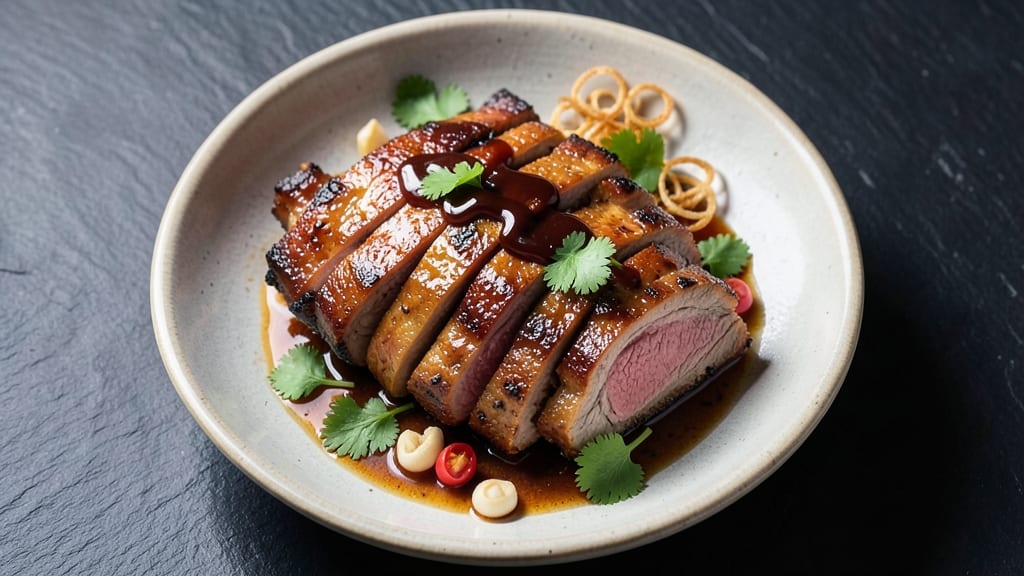
Chinese style barbecued pork recipe transforms humble pork shoulder into tender, sticky perfection with a tamarind glaze that balances sweetness and tang. After years of perfecting this dish—from my grandmother's smoky backyard kitchen to my own fire-lit grill—I've cracked the code for restaurant-quality results at home. The secret lies in slow cooking the pork until it falls apart, then basting it with a glaze that caramelizes into a glossy, finger-licking finish.
This recipe starts with a simple marinade of soy sauce, five-spice powder, and a touch of sugar to tenderize the meat while building deep flavor. The real magic happens when we braise the pork low and slow, letting it absorb aromatics before finishing with that signature sticky glaze.
What makes this dish special is how the tamarind—sour and complex—cuts through the richness, creating a perfect balance that keeps you reaching for seconds.
By the time you serve this dish, you'll have perfectly tender pork with a caramelized crust that shatters at every bite. The glaze clings to each piece, offering bursts of sweet-tangy flavor with every forkful.
It's the kind of meal that transforms ordinary weeknights into celebrations, and it pairs beautifully with steamed jasmine rice and quick-pickled vegetables to round out the plate.
The best part? This recipe scales effortlessly—whether you're feeding a family or hosting a gathering. The slow cooking method means you can prepare it ahead and finish with the glaze just before serving, ensuring maximum flavor and minimal last-minute stress. Let's get cooking!
Ingredients for chinese style barbecued pork
Six ingredients transform simple pork into restaurant-worthy sticky perfection.
| Ingredient | Amount | Notes |
|---|---|---|
| Pork Shoulder 🥩 | 3 lb | Bone-in for best flavor |
| Soy Sauce 🥢 | ½ cup | Low-sodium preferred |
| Five-Spice Powder 🌶️ | 1 ½ tbsp | Homemade or store-bought blend |
| Granulated Sugar 🍚 | 2 tbsp | Brown sugar works too |
| Tamarind Paste 🍈 | ¼ cup | Or 1.5 oz tamarind blocks |
| Hoisin Sauce 🍶 | ¼ cup | Store-bought or homemade |
| Garlic Cloves 🧄 | 6 cloves | Minced for marinade |
| Fresh Ginger 🌿 | 1 tbsp | Grated, fresh preferred |
| Sesame Oil 🫒 | 1 tbsp | Toasted sesame oil best |
| Green Onions 🧅 | 4 whole | Sliced for garnish |
| Jasmine Rice 🍚 | 2 cups | Uncooked, for serving |
| Vegetable Oil 🫒 | 2 tbsp | For searing pork |
| Salt 🧂 | 1 tsp | Kosher or sea salt |
| Black Pepper 🌶️ | ½ tsp | Freshly ground preferred |
The pork shoulder is non-negotiable—bone-in gives the best flavor and stays juicy. Look for well-marbled cuts at your local butcher or Costco for the best value. If you can't find bone-in, bone-out works but trim all visible fat first. That tamarind paste? Asian markets usually carry it, but you can substitute with equal parts lime juice and brown sugar if needed. I've used both store-bought and homemade five-spice powder, and honestly, the homemade version has more depth—just toast the whole spices first for better flavor. The hoisin sauce adds that signature umami richness, so don't skimp on quality here.
No tamarind? Lime juice plus brown sugar works in a pinch, though it won't be identical. The hoisin can be swapped for extra soy sauce if you're out, but you'll lose some complexity. Fresh ginger is ideal, but powdered works at half the amount. For the five-spice powder, if you can only find individual spices, toast and grind them yourself—it makes a world of difference. The green onions are just for garnish, so use whatever's in your fridge. And if you're making this ahead, prep the glaze first—it keeps for up to a week in the fridge, so you can assemble everything the day before.
This pork tastes even better the next day—plan ahead. Store it in the fridge for up to 4 days or freeze for 3 months if you're making a big batch. The glaze thickens when chilled, so just reheat it gently before serving. I like to portion the rice and pork together in containers so lunches are ready to grab. The leftovers reheat beautifully—just cover them with a splash of water and warm through. Trust me, the second day flavor is where this dish really shines.
Why You'll Love This Recipe
- Five-Spice Magic: Honestly, the moment that five-spice powder hits the pork? Instant flavor explosion. It’s smoky, warm, and just a little sweet—like a cozy hug in sauce form, and it sticks to the meat so well you won’t need fancy techniques.
- One-Pan Wonder: I swear by this for lazy nights. Toss the pork shoulder in a sheet pan, slather it with that tangy tamarind-soy glaze, and let the oven do the work. Not the prettiest, but the taste makes up for it—and cleanup? One spatula, done.
- Leftover Goldmine: Between us, this pork gets better the next day. The sugars caramelize, the edges crisp up, and it’s perfect for quick stir-fries or cold rice bowls. My secret weapon for busy mornings.
- Budget Feast: Pork shoulder is cheap, and this recipe stretches it into something restaurant-worthy. A single cut feeds four, and the tamarind and sugar keep it from being heavy. Plus, you’re using pantry staples—no fancy ingredients needed.
Step-by-step instructions for chinese style barbecued pork
Here's how to transform tough pork shoulder into fall-apart tender, sweet-savory perfection.
Prepare the Pork and Marinade
Pat the 3 lb pork shoulder completely dry with paper towels—this helps the marinade cling and creates a better sear later. In a large bowl, combine the 0.5 cup soy sauce, 1.5 tbsp five-spice powder, 2 tbsp granulated sugar, 0.25 cup tamarind paste, 0.25 cup hoisin sauce, 6 minced garlic cloves, and 1 tbsp grated fresh ginger. Mix until the sugar and tamarind dissolve completely.
Place the pork in a resealable plastic bag and pour the marinade over it. Gently massage the marinade into all sides of the pork, making sure it gets into the crevices. Seal the bag and refrigerate for at least 4 hours (overnight is even better). This long marinating time breaks down the tough fibers, ensuring that juicy result you're after.
Sear the Pork for Maximum Flavor
Remove the pork from the refrigerator and let it sit at room temperature for 30 minutes—this ensures even cooking. Heat a large oven-safe skillet over medium-high heat and add 2 tbsp vegetable oil. Once the oil is shimmering, add the pork and sear on all sides until deeply golden brown, about 8-10 minutes total. Don't rush this step; a good sear locks in flavor and creates that beautiful caramelized crust.
Transfer the seared pork to a plate and tent loosely with foil. Pour any remaining marinade from the bag into the skillet, scraping up all the browned bits from the bottom. Let this simmer for 2-3 minutes to create a flavorful base for your glaze.
Slow Cook Until Fork-Tender
Preheat your oven to 300°F. Return the pork to the skillet, along with any accumulated juices. Cover tightly with foil and place in the oven. Cook for 3 hours, then check for doneness by inserting a meat thermometer into the thickest part—it should read 195-205°F. If it's not quite there yet, continue cooking for another 30-60 minutes.
Here's the thing—pork shoulder needs that long, slow cook to become tender. The internal temperature will rise as it rests, so don't worry if it's not quite at 205°F yet when you remove it. The key is patience; this is where the magic happens and all that collagen turns into juicy, flavorful gelatin.
Create the Sticky Tamarind Glaze
Once the pork is fork-tender, remove it from the oven and let it rest for 15 minutes while you prepare the glaze. In the same skillet (with all those delicious fond bits), add 1 tbsp sesame oil and swirl to coat. Return the heat to medium and pour in the remaining marinade from the bag. Simmer for 5-7 minutes until the sauce thickens slightly and becomes glossy.
If the glaze is too thick, add 1-2 tablespoons of water to loosen it. The goal is a sauce that's sticky but still coats the back of a spoon. Taste and adjust seasoning with 1 tsp salt and 0.5 tsp black pepper if needed. This glaze is what makes this dish special—it's sweet, tangy, and perfectly balanced.
Finish and Serve
Return the pork to the skillet and spoon the glaze over the top, making sure it coats all sides. Increase the oven temperature to 425°F and broil for 5-7 minutes, just until the glaze bubbles and turns a deeper golden color. This final step caramelizes the glaze and gives it that beautiful sticky finish.
Slice the pork against the grain into ½-inch thick slices. Garnish with 4 sliced green onions and serve over 2 cups cooked jasmine rice. The pork should be incredibly tender, with each bite bursting with juicy sweetness and that perfect balance of savory, spicy, and tangy flavors. Enjoy immediately while the glaze is still sticky and warm!
Pro Tips For Making Chinese Style Barbecued Pork
- Marinate Overnight: I used to rush this and wondered why my pork always tasted flat. Five-spice powder and tamarind need time to penetrate—give it at least 12 hours, preferably longer. The sugar will caramelize better, and the pork stays juicier when you cook it.
- Cook at 275°F: Start slow—275°F is your friend here. I learned this the hard way after burning the edges on my first attempt. It might take 3-4 hours, but the meat will pull apart easily and absorb all that sticky, sweet-savory sauce.
- Skip the Tamarind Paste: Sounds weird, but it works: swap half the tamarind for extra soy sauce if you’re in a pinch. The acidity is what balances the sugar, and soy sauce does the job just fine—just add a splash of vinegar if you’re worried about sweetness.
- Rest Before Slicing: Cutting into the pork right after cooking is how you end up with dry slices. Give it a solid 5-10 minutes under foil—yes, even if you’re impatient like me. The juices redistribute, and the meat stays tender when you slice.
Storing and reheating your leftovers
Fridge Storage Tips
Store your barbecued pork in an airtight container with any leftover glaze spooned on top—this keeps it moist and flavorful. I like using glass Pyrex containers because they don’t absorb odors like plastic.
Keep it refrigerated for up to 4 days, but honestly, it tastes even better the second day as the flavors meld. 💫
If you're prepping for a meal, store the pork and rice separately. The rice stays fresher this way, and you can reheat them together later. Just
Freezer Prep
For longer storage, freeze the pork in single-serving portions wrapped tightly in plastic wrap, then placed in a freezer bag. Label with the date—this dish stays good for 3 months without losing texture. Thaw overnight in the fridge before reheating. Never microwave it straight from frozen, or you’ll end up with dry, tough meat.
Reheating Methods
My favorite way to reheat is in the oven—preheat to 325°F, cover the pork with foil, and warm for 15-20 minutes until heated through. Add a splash of water or broth to the pan to keep things moist.
For quick meals, use the stovetop on low heat with a splash of water, stirring occasionally to prevent sticking.
Avoid the microwave if possible—it can make the glaze rubbery. If you must use it, cover with a damp paper towel and heat in 30-second bursts, stirring between each. The goal is to keep that sticky, caramelized glaze intact.
Glaze Refresh
If the glaze looks thick after reheating, thin it with 1 teaspoon of water or rice vinegar while warming. This restores that perfect balance of sweet and tangy. I also like to drizzle a little extra glaze on top right before serving—it adds that restaurant-quality shine and extra flavor. 🔥
Serving Leftovers
Leftovers reheat beautifully for sandwiches or fried rice. Shred the pork and mix it with steamed rice, a little soy sauce, and scrambled eggs for a quick stir-fry. The glaze adds incredible depth to any dish. For extra flair, sprinkle with toasted sesame seeds or chopped scallions before serving.
Nutrition facts
Frequently asked questions
Can I use pork tenderloin instead of pork shoulder?
Pork tenderloin won't work well for this recipe—the cut is too lean and cooks much faster. The pork shoulder's fat and connective tissue are essential for that signature tender, juicy texture. If you're set on a quicker cook, try this recipe with a 2 lb pork loin roast instead, but reduce the cooking time to 1.5 hours and adjust the marinade to 0.25 cup instead.
How do I substitute tamarind if I can't find it?
Mix 1 tablespoon lime juice with 1 tablespoon brown sugar for every 0.25 cup of tamarind paste called for. While it won't be identical, this combo mimics the tangy-sweet balance. For deeper flavor, add ½ teaspoon of MSG to enhance the umami. The glaze will taste more citrus-forward but still delicious!
Can I make this recipe on a grill instead of in the oven?
After searing, wrap the pork tightly in double-layered foil with the marinade. Grill over indirect heat at 275°F for 3-4 hours, checking occasionally. For the glaze finish, move to direct heat and broil for 3-5 minutes until caramelized. Just be prepared for flare-ups when opening the foil—keep a spray bottle handy!
Why did my pork turn out dry?
Overcooking or skipping the resting time are the most common causes. Always use a meat thermometer—pork shoulder should reach 195-205°F internally. Let it rest for 15-20 minutes after cooking before slicing. If reheating, cover with foil and keep heat low to prevent moisture loss. For extra juiciness, add 2 tablespoons of broth to the pan when reheating.
What are the best sides to serve with this dish?
Steamed jasmine rice is classic, but you can't go wrong with stir-fried bok choy, cucumber salad, or pickled vegetables. For a heartier meal, serve with egg fried rice or mandarin orange chicken. The tangy glaze pairs beautifully with cool, crunchy textures—try serving with chilled noodles or quick-pickled radishes for contrast.