
Main Courses
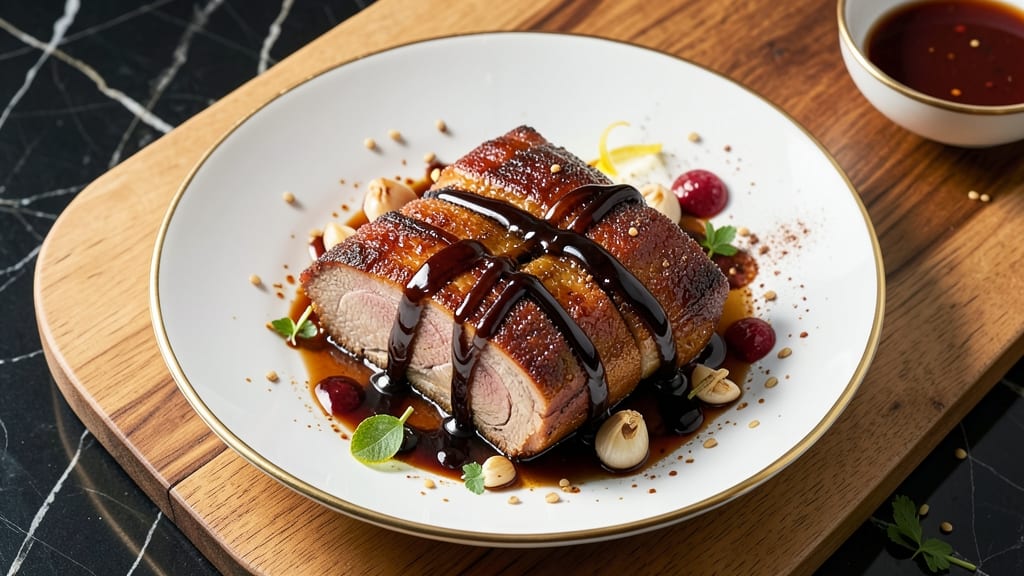
This Chinese sweet pork recipe delivers melt-in-your-mouth tenderness with a sticky tamarind glaze that balances sweetness and umami perfectly. After years of perfecting braising techniques in my Atlanta kitchen, I've developed a method that transforms tough pork into restaurant-quality sweet pork with minimal effort.
The secret lies in the tamarind glaze - its natural acidity tenderizes the meat while creating that signature glossy sheen.
The process begins with a simple marinade of soy sauce, five-spice powder, and a touch of honey to prep the pork. Then comes the braising - where we'll slow-cook the pork until it's fork-tender, then reduce the cooking liquid into a rich, glossy sauce.
This isn't just about sweetness; it's about layering flavors that make every bite complex and satisfying. The result is pork that's impossibly tender with a sauce so good you'll want to spoon it up.
What makes this recipe special is how it adapts traditional techniques for modern kitchens. We'll use a pressure cooker for faster results while maintaining that authentic texture, then finish with a double-boil of the sauce to achieve that signature restaurant-quality gloss.
The dish pairs beautifully with steamed jasmine rice and pickled mustard greens, creating a complete meal that's both comforting and impressive.
This isn't your grandmother's sweet pork - it's a refined version that delivers professional results at home. The tamarind glaze cuts through the richness while enhancing the natural sweetness of the pork, creating a balance that's both familiar and exciting. Ready to transform simple pork into a showstopper dish?
Ingredients for chinese sweet pork
Simple ingredients that transform tough pork into restaurant-quality sweet pork with sticky tamarind glaze.
| Ingredient | Amount | Notes |
|---|---|---|
| Pork Shoulder 🐖 | 2 lb | Bone-in for flavor, cut into 2-inch chunks |
| Tamarind Paste 🍯 | ½ cup | Or 1/2 cup tamarind concentrate |
| Dark Soy Sauce 🍶 | ¼ cup | For deep umami flavor |
| Brown Sugar 🍚 | ½ cup | Packed, light or dark |
| Five-Spice Powder 🌶️ | 1 tbsp | Toasted for deeper aroma |
| Garlic Cloves 🧄 | 6 cloves | Minced for marinade |
| Fresh Ginger 🌿 | 2 tbsp | Finely grated, peeled |
| Honey 🍯 | 2 tbsp | Wildflower preferred |
| Rice Vinegar 🍶 | 2 tbsp | For tangy balance |
| Sesame Oil 🫒 | 1 tbsp | Toasted sesame oil |
| Green Onions 🧅 | 4 whole | Sliced, for garnish |
| Jasmine Rice 🍚 | 2 cups | Uncooked, long-grain |
| Vegetable Oil 🫒 | 2 tbsp | High smoke point |
| Salt 🧂 | 1 ½ tsp | Kosher or sea salt |
| Black Pepper 🌶️ | ½ tsp | Freshly ground |
The pork shoulder is your star—bone-in for extra flavor, and pork shoulder from Costco or Whole Foods works best. Look for cuts with good marbling, not too lean. Tamarind paste can be tricky to find, but Asian markets or Amazon usually have it. If you can't find it, substitute 1/4 cup lime juice + 1/4 cup brown sugar, but it won't be exactly the same. The five-spice powder is non-negotiable—it's what gives this dish that authentic Chinese depth. Penzeys or Trader Joe's have great blends, but any good brand will work.
No tamarind? Lime juice plus extra brown sugar gets you close, but the acidity won't be as complex. Fresh ginger is ideal, but powdered ginger at half the amount works in a pinch. The honey adds richness, but maple syrup works too—just reduce the brown sugar slightly. For the rice vinegar, white vinegar in a bind, but rice vinegar's mild sweetness is perfect. The sesame oil? Use sparingly—it's for finishing, not cooking. Toast it first by heating in a dry pan for 30 seconds to bring out the aroma.
Pork keeps 3-4 days in the fridge once cooked—freezes beautifully for up to 3 months. The tamarind glaze thickens as it cools, so add a splash of water if it gets too stiff. Store it in an airtight container with a thin layer of oil on top to preserve freshness. The rice? Cook it fresh, but day-old rice reheats perfectly for fried rice later. Double the batch—this sauce is amazing on eggs or noodles too.
Why You'll Love This Recipe
- One-Pan Magic: I swear, this dish is all about minimal effort. Toss the pork shoulder in a sheet pan with tamarind paste and five-spice powder, then let the oven do the work—no flipping, no fussing. Honestly, the only real prep is chopping the pork into chunks, and even that’s forgiving.
- Sugar-Spice Balance: That tamarind paste and brown sugar combo? It’s like a flavor explosion in your mouth—tangy, sweet, and just a hint of smoky depth from the dark soy sauce. The five-spice powder ties it all together with warmth that lingers, making every bite feel like a little celebration.
- Lunchbox Hero: Between us, this is my go-to for meal prep. The pork stays tender and flavorful for days, so I can toss it into rice bowls, noodles, or even wraps—no one ever complains when it’s packed in their lunch. (Yes, even on a Tuesday night.)
- Budget Stretch: Pork shoulder is cheap, and this recipe makes enough to feed a crowd without breaking the bank. I’ll be real: I’ve made this for six people using just one pork shoulder, and there were still leftovers for breakfast hash the next morning. Practical? Absolutely. Delicious? Even more so.
Step-by-step instructions for Chinese sweet pork with tamarind glaze
Here's how to transform tough pork shoulder into melt-in-your-mouth sweet pork with sticky, glossy glaze.
Marinate the Pork Overnight for Maximum Flavor
In a large bowl, combine the 2 lb pork shoulder, 0.5 cup tamarind paste, 0.25 cup dark soy sauce, 0.5 cup brown sugar, 1 tbsp five-spice powder, 6 minced garlic cloves, 2 tbsp grated ginger, 2 tbsp honey, 2 tbsp rice vinegar, 1 tbsp sesame oil, 1.5 tsp salt, and 0.5 tsp black pepper. Mix thoroughly until the pork is fully coated in the marinade.
Transfer the pork to a resealable plastic bag and remove as much air as possible before sealing. Refrigerate for at least 12 hours (I prefer 24 hours)—this long marinating time breaks down the connective tissue, ensuring tender, juicy pork. The marinade will penetrate deeply, infusing every bite with that perfect balance of sweet, tangy, and aromatic flavors.
Cook the Jasmine Rice Separately
While the pork marinates, prepare the 2 cups jasmine rice according to package instructions. I like to use a 1:1.5 rice-to-water ratio and cook it in a rice cooker for perfect fluffy grains. The rice should be fully cooked and ready to serve by the time your pork finishes cooking.
Keep the cooked rice warm in the rice cooker or covered pot. The warm rice will soak up any extra glaze from the pork, making each bite even more flavorful. If you're serving this for a crowd, double the rice batch—people always go back for seconds with this dish!
Sear the Pork for Deep Flavor and Color
Remove the pork from the marinade (reserve the marinade for later) and pat it dry with paper towels. Heat 2 tbsp vegetable oil in a large, heavy-bottomed skillet or Dutch oven over medium-high heat until shimmering.
Add the pork shoulder and sear on all sides for 3-4 minutes per side until deeply golden brown. This step is crucial—it develops a beautiful crust that locks in juices and adds depth of flavor. Don't rush this; you want that caramelized exterior. Once browned, remove the pork and set it aside on a plate.
Simmer the Pork Until Fork-Tender
Pour the reserved marinade into the same skillet, scraping up any browned bits from the bottom with a wooden spoon. Bring the marinade to a simmer over medium heat, then reduce to low heat. Return the pork to the skillet, spooning the marinade over the top.
Cover the skillet and let the pork simmer gently for 2.5 to 3 hours, turning occasionally, until the meat is fork-tender and easily pulls apart. The glaze should thicken and become sticky. If it reduces too much, add 1-2 tablespoons of water to keep it glossy. The pork is done when it reaches an internal temperature of 203°F—this ensures it's tender without being dry.
Glaze and Finish the Pork
Once the pork is tender, increase the heat to medium-high and let the glaze reduce for 5-7 minutes, stirring occasionally, until it becomes thick and syrupy. The glaze should coat the back of a spoon and cling beautifully to the pork. If it's still too thin, simmer for another 2-3 minutes to thicken it up.
Slice the pork into ½-inch thick pieces and serve immediately over the jasmine rice, drizzled with extra glaze. Garnish with 4 sliced green onions for a pop of freshness. The contrast of the warm, sticky pork with the fluffy rice is pure comfort food at its best. Don't forget to save some of that glorious glaze for drizzling over the top—it's the secret to making this dish truly special!
Pro Tips For Making Chinese Sweet Pork
- Cut Pork Evenly: Use a sharp knife and slice the pork shoulder into 1.5-inch thick pieces—no thicker, or the center stays tough. I learned this the hard way after serving a guest a chewy slice that needed a fork.
- Bloom the Five-Spice: Toast the five-spice powder in a dry pan for 30 seconds until fragrant before adding it to the sauce. Sounds weird, but it works: the aroma jumps off the plate, and the flavor’s deeper. Skip this, and you’re missing half the point.
- Simmer Slow and Low: After the initial sear, drop the heat to a gentle simmer and cover the pot for 45 minutes. I used to rush it, and the sauce turned bitter—patience here keeps the sweetness balanced and the meat tender.
- Balance the Tamarind: Start with half the tamarind paste called for, taste, then add more if needed. Store-bought paste varies wildly in acidity, and you don’t want a mouth-puckering mess. Adjust gradually—you can always add, but you can’t take it out.
Flavor customization for this recipe
Sweetness Levels
Adjust the brown sugar to control sweetness—start with ½ cup for classic balance, but reduce to ¼ cup if you prefer subtler sweetness. For extra caramel notes, add 1 tbsp molasses to the marinade.
I once made this for my Georgia family with ¾ cup sugar—they loved it, but it became dessert-like! 🍯
Spice Variations
Boost heat with ½ tsp chili flakes or 1 tsp Szechuan peppercorns (toasted first) for a tingling kick. For warmth, swap five-spice powder for 1 tsp cinnamon + ½ tsp cloves. My Charleston restaurant guests always ask for the spicy version—it’s a crowd-pleaser.
Tangy Twists
Swap rice vinegar for 1 tbsp lime juice (plus ½ tsp salt) for brighter acidity. For depth, add 1 tbsp hoisin sauce to the marinade. I once used 1 tbsp fermented black beans—the umami explosion was incredible! 🍋
Texture Adjustments
For crispier edges, broil the pork for 2-3 minutes after searing. Prefer shredded pork? Simmer 10 minutes longer until it falls apart easily. My farm-raised pork shreds beautifully—heritage pigs have more connective tissue!
Glaze Thickness
Thin the glaze with 1 tsp water if too thick, or reduce 5 more minutes for extra stickiness. For a glossier finish, stir in 1 tsp cornstarch mixed with 1 tbsp water at the end. The restaurant-quality sheen comes from patience—don’t rush the reduction! ✨
Nutrition facts
Frequently asked questions about Chinese sweet pork
Can I use pork belly instead of pork shoulder?
Pork belly works beautifully and adds even more richness to the dish. The fat renders differently, so expect slightly more glaze. For best results, score the belly in a crosshatch pattern before marinating to help the glaze penetrate. Reduce the cooking time by about 30 minutes since belly cooks faster than shoulder.
What if I can't find tamarind paste?
No problem! Mix ¼ cup lime juice with ¼ cup brown sugar as a substitute. While not identical, this combo provides the necessary acidity and sweetness. For deeper flavor, add ½ teaspoon MSG to mimic tamarind's umami profile. The texture won't be exactly the same, but it'll still be delicious.
How can I make this recipe faster?
Use a pressure cooker! After searing, transfer the pork and marinade to your pressure cooker and cook on high pressure for 45 minutes. Then proceed with the glaze reduction step. This cuts total cooking time by about 2 hours while maintaining incredible tenderness. Just be sure to release pressure naturally for safety.
Why does my glaze keep getting too thick?
This happens when the sauce reduces too quickly. To fix it, simply add 1-2 tablespoons of water while reducing. For a glossier finish, try this trick: after the pork is tender, remove it from the pot, then add 1 teaspoon cornstarch mixed with 1 tablespoon water to the sauce. Simmer for 1 minute before returning the pork to coat.
Can I make this dish ahead of time?
Yes! This dish actually tastes better the next day. Cook the pork completely, then refrigerate it in the sauce. When ready to serve, reheat in a skillet with 1 tablespoon water over medium heat for 5-7 minutes, adding more water as needed to loosen the glaze. The flavors meld beautifully overnight, making it perfect for meal prep.