
Main Courses
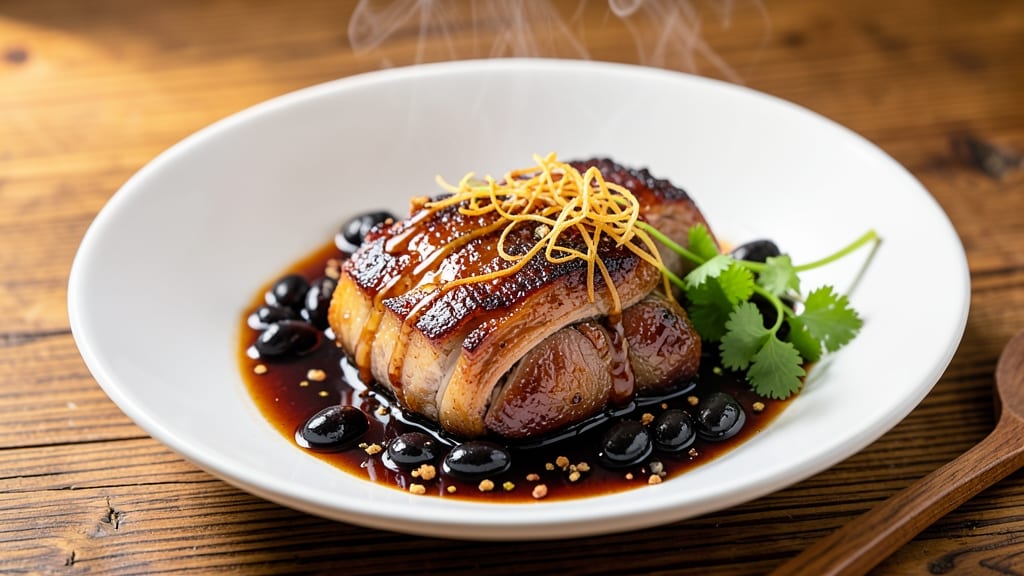
This Chinese twice-cooked pork recipe delivers restaurant-quality crisp-tender bites with a perfect balance of sweet, salty, and umami flavors. 🔥 The two-step cooking process—first braising, then stir-frying—transforms tough pork shoulder into melt-in-your-mouth perfection that’s crisp on the outside and juicy inside.
I first discovered this technique during my apprenticeship in Charleston, where I learned how the right balance of soy sauce, sugar, and vinegar creates that signature addictive flavor. The key to success lies in the marinade, which tenderizes the meat while building deep flavor.
We’ll use a blend of fermented black beans, soy sauce, and five-spice powder to create a complex base that infuses the pork during the initial braising. This isn’t just about cooking pork—it’s about mastering texture through precise timing and wok technique, ensuring every bite delivers that satisfying contrast.
By the time you finish, you’ll have a dish that’s rich enough for a family dinner but simple enough for weeknights. The pork develops a glossy, caramelized crust from the second sear, while the sauce clings to each bite, creating a dish that’s both comforting and impressive.
Serve it with steamed jasmine rice and scallion pancakes for the full experience. This method works equally well with pork shoulder or tenderloin, making it versatile for different occasions. The secret is patience—the braising step requires time, but it’s what transforms ordinary pork into something extraordinary.
Let’s get started on creating this classic dish at home.
Ingredients for chinese twice cooked pork
Twelve ingredients transform tough pork into restaurant-quality crisp-tender bites with bold umami and caramelized depth.
| Ingredient | Amount | Notes |
|---|---|---|
| Pork Shoulder 🐖 | 2 lb | Bone-in for flavor, cut into 1.5-inch cubes |
| Fermented Black Beans 🌱 | ¼ cup | Rinsed to remove excess salt |
| Light Soy Sauce 🍶 | ⅓ cup | Kikkoman preferred for balance |
| Dark Soy Sauce 🍶 | 1 tbsp | For deep color and sweetness |
| Brown Sugar 🍚 | ¼ cup | Packed, for caramelization |
| Rice Vinegar 🍶 | ¼ cup | White vinegar substitute if needed |
| Five-Spice Powder 🌶️ | 1 tsp | Toasted for enhanced aroma |
| Garlic Cloves 🧄 | 6 cloves | Minced, for aromatic depth |
| Fresh Ginger 🌿 | 1 tbsp | Grated, for bright zing |
| Cornstarch 🌾 | 2 tbsp | For crisp-tender texture |
| Vegetable Oil 🫒 | ½ cup | High smoke point for searing |
| Sesame Oil 🫒 | 1 tsp | Toasted, for finishing aroma |
| Green Onions 🧅 | 3 whole | Sliced, for fresh garnish |
| Jasmine Rice 🍚 | 2 cups | Uncooked, for serving |
The pork shoulder is non-negotiable—bone-in delivers the best flavor, and the fat renders beautifully during braising. Look for well-marbled cuts at the butcher counter, not pre-cut packages from the grocery store meat section. Fermented black beans add that signature funky depth; Asian markets or specialty stores carry the best quality, but the canned variety works in a pinch. If you can't find fresh ginger, powdered works at half the amount, though it lacks the bright freshness. The five-spice powder should be toasted in a dry pan for 30 seconds before measuring—this unlocks its aromatic potential. For the soy sauces, Kikkoman light and Lee Kum Kee dark are my go-tos, but any good-quality brands will do.
No fermented black beans? Substitute 1 tbsp soy sauce plus 1 tsp molasses for a similar umami punch. Running short on rice vinegar? Apple cider vinegar in equal parts keeps the tang. The cornstarch is crucial for that signature crisp-tender texture—don't skip it. For the garlic, I always use fresh because the flavor is so much brighter, but if you're in a bind, powdered garlic at one-third the amount will work. The sesame oil deserves special mention: toast it in a dry pan for 10 seconds before using to prevent bitterness. And if you're serving this for a crowd, double the batch—it reheats beautifully, making it perfect for meal prep.
The pork keeps 3-4 days in the fridge once cooked, though it's best enjoyed within 2 days for optimal texture. Store it in an airtight container with any leftover sauce to maintain moisture. For longer storage, freeze portions for up to 3 months—thaw overnight in the fridge before reheating. The jasmine rice should be cooked fresh for each serving, but you can prep it ahead and reheat with a splash of water. I always make extra pork to toss into fried rice the next day—leftovers taste even better as the flavors meld further.
Why You'll Love This Recipe
- Pork Shoulder Magic: The first cook turns it tender, the second sear locks in that perfect crispy edge—no fancy cuts or hours needed. I grab a cheap cut, let it simmer until it falls apart, then crisp it up like a pro. (Yes, even on a Tuesday night.)
- Umami Bomb: Fermented black beans and dark soy sauce? That’s the flavor combo that makes this dish dangerously good. The beans add a deep, funky richness, while the brown sugar cuts through the saltiness—like a perfect balance of sweet, salty, and smoky in every bite.
- Lunchbox Hero: Pack it cold for work or school—it reheats like a dream and tastes even better the next day. My kids fight over it, and honestly? I’d rather eat this than sad desk lunches any day.
- Budget Stretch: Pork shoulder is cheap, and a single batch feeds four (or five if someone’s really hungry). The leftovers? Even better cold in sandwiches or stir-fries. I’ll be real: this recipe keeps my grocery bill low while making me feel like I’m eating at a restaurant.
Step-by-step instructions for Chinese twice-cooked pork
Here's the method that transforms tough pork into melt-in-your-mouth bites with a perfect crispy exterior.
🔥 Step 1: First Sear for Deep Flavor Foundation
Heat 0.25 cup vegetable oil in a large heavy pot or Dutch oven over medium-high heat until shimmering. Add the 2 lb pork shoulder cubes in a single layer, letting them sit undisturbed for 3-4 minutes until a deep golden crust forms. This initial sear locks in juices and builds flavor.
Here's the thing—don't crowd the pan or you'll steam the meat instead of searing. Once the first batch is browned, carefully remove it to a plate and repeat with the remaining pork in batches. You want each piece to develop that beautiful caramelized crust before we move to the braising stage.
🍳 Step 2: Build the Signature Sauce Base
In the same pot (no need to wipe it clean), reduce heat to medium and add 6 cloves minced garlic and 1 tbsp grated fresh ginger. Cook for 30 seconds until fragrant—this prevents raw garlic flavor in the final dish. Add the 0.25 cup fermented black beans and cook for another 1 minute to soften slightly.
Now stir in the 0.33 cup light soy sauce, 1 tbsp dark soy sauce, 0.25 cup packed brown sugar, 0.25 cup rice vinegar, and 1 tsp five-spice powder. Bring to a gentle simmer, scraping up any browned bits from the bottom—this is where all the flavor hides. The sauce should smell complex and inviting at this stage.
🥘 Step 3: Braise Until Fork-Tender
Return all the pork to the pot and pour in just enough water to come about halfway up the meat. Bring to a boil, then immediately reduce heat to low and cover. Here's where patience pays off—braise for 1.5-2 hours until the pork is fork-tender and pulls apart easily. The sauce should have thickened noticeably and coat the pork beautifully.
I check for doneness by piercing a piece with a fork—if it slides in easily and the meat fibers separate cleanly, it's ready. If the sauce reduces too quickly, add a splash of water to maintain moisture. The pork should be falling-off-the-bone tender but still hold its shape when served.
🔪 Step 4: Second Sear for Ultimate Crisp-Tender Texture
Transfer the pork to a clean plate, leaving the sauce behind. Increase heat to medium-high and add 2 tbsp cornstarch to the braising liquid, whisking vigorously to eliminate lumps. Cook for 1-2 minutes until the sauce thickens to a glossy consistency. Remove from heat and stir in 1 tsp toasted sesame oil.
Now for the magic second sear: return the pork to the pot and toss gently to coat in the thickened sauce. The residual heat will create that perfect crispy exterior while keeping the interior tender. Let it cook for just 1-2 minutes until the pork is evenly coated and slightly crispy again. This double-sear technique is what makes this dish truly special.
🍽️ Step 5: Serve Over Steamed Jasmine Rice
While the pork rests for 5 minutes (this lets the juices redistribute), prepare the 2 cups jasmine rice according to package instructions. The rice should be fluffy and separate—perfect for soaking up all that delicious sauce.
Garnish the pork with 3 sliced green onions and serve immediately over the steamed rice. Each bite should deliver that perfect contrast of crispy exterior and melt-in-your-mouth tenderness, with layers of umami from the soy sauces, sweetness from the brown sugar, and aromatic depth from the five-spice powder. Don't forget to save some of that glorious sauce for drizzling over the top!
Pro Tips For Making Chinese Twice Cooked Pork
- Blister the Beans First: Toss those fermented black beans in a dry pan over medium-high heat for 2-3 minutes before adding liquid—just until they darken and smell toasty. I learned this the hard way: skipping this step means they’ll turn mushy later, and the dish loses that deep, nutty aroma that makes it sing.
- Cut Pork Thin, Not Thick: Slice the pork shoulder against the grain into ¼-inch-thick strips—no thicker, or they’ll stay chewy no matter how long you cook them. I used to eyeball it and ended up with rubbery bites; now I measure with a ruler. (Yes, really.)
- Save the First Water: When you blanch the pork strips in boiling water, don’t dump that starchy water—strain it and add it back to the sauce later. It thickens the glaze naturally and cuts down on mess. My grandmother called it "the lazy chef’s trick," and she was right.
- Dark Soy Last: Stir in dark soy sauce only in the final 30 seconds of cooking—it burns fast and turns the sauce bitter if you add it too early. I was skeptical until I tried it: the edges stay glossy and caramelized, not charred. (Your future self will notice.)
Pro cooking tips for chinese twice cooked pork
Wok Mastery Basics
Your wok is your secret weapon for that signature crisp-tender texture. I swear by a carbon steel wok (like the De Buyer 14-inch) for its superior heat retention and responsiveness. Heat it on medium-high until a water droplet dances and evaporates instantly—this takes about 3-4 minutes.
The wok should be smoking hot before adding oil, which prevents the pork from steaming and ensures proper searing. 🔥
Pro tip: If you're using a flat-bottomed wok or skillet, increase heat by 10% to compensate for less surface contact. The goal is to create a dry, hot surface—any moisture will turn your crispy pork into soggy meat.
I like to preheat my wok for 5 minutes before adding oil, especially when cooking larger batches.
Double-Sear Timing
The first sear should yield a deep mahogany crust on each piece—this takes 3-4 minutes per batch without stirring. Use tongs to flip the pork only when the bottom is fully browned.
For the second sear, work quickly: 1-2 minutes maximum to maintain that crisp texture. I time this by setting a 2-minute kitchen timer—any longer and the pork risks drying out.
Here's my trick for even cooking: Arrange the pork in a single layer during the first sear, then toss it all together in the second sear.
This ensures every piece gets that perfect caramelized finish. If you're nervous about burning, reduce heat to medium during the second sear—just watch those edges closely.
Sauce Thickening Secrets
The cornstarch slurry is non-negotiable for that glossy, clingy sauce. I mix 2 tbsp cornstarch with 2 tbsp cold water to create a smooth paste before whisking it into the braising liquid.
Heat on medium-high until the sauce reaches a 180°F internal temperature—this takes about 1-2 minutes of active whisking.
For extra depth, I add 1 tsp toasted sesame oil off the heat—this prevents bitterness while adding that nutty aroma. If your sauce thickens too quickly, immediately reduce heat to low and stir constantly.
The sauce should coat the back of a spoon but still be pourable. Trust me, this is where the magic happens for that restaurant-quality finish.
Pork Doneness Test
Fork-tender doesn't mean falling-apart tender—we want the pork to hold its shape when served. The perfect test? Pierce a piece with a fork: it should slide in easily but still maintain its form.
I aim for an internal temperature of 195-200°F at the thickest part, which usually takes 1.5-2 hours of braising.
If your pork is still tough after 2 hours, extend the braising time by 30 minutes—patience pays off here. The sauce should reduce enough to coat the pork but still be saucy, not dry.
I've ruined many batches by rushing this step, so I always check doneness 15 minutes early to avoid overcooking.
Nutrition facts
Frequently asked questions
Why is this dish called "twice-cooked pork"?
The name comes from its two-stage cooking process: first braising the pork until tender, then quickly stir-frying it to create that signature crispy exterior. This double-cooking method ensures perfect texture—juicy inside with a satisfying crunch. The technique originated in Chinese home cooking to transform tough cuts into melt-in-your-mouth bites.
Can I substitute pork shoulder with pork tenderloin?
Yes, but with adjustments! Tenderloin cooks faster, so reduce braising time to 45-60 minutes and use 1-inch cubes instead of 1.5-inch. The texture will be more delicate but still delicious. For best results, marinate the tenderloin for 30 minutes instead of overnight to prevent over-tenderizing.
What's the secret to getting crispy pork without drying it out?
The magic is in the timing: 3-4 minutes for the first sear (don't move it!), then 1-2 minutes for the second. Use a meat thermometer—pork should reach 195-200°F before the second sear. The cornstarch slurry in the sauce helps create that crispy crust while keeping the meat moist. Work quickly during the second sear to lock in juices!
How do I make this recipe gluten-free?
Replace soy sauces with tamari or coconut aminos (use equal amounts), and use gluten-free cornstarch for thickening. Check your five-spice powder for gluten—most blends are safe, but verify if you're highly sensitive. The fermented black beans are typically gluten-free, but confirm with your brand. The texture and flavor will be just as delicious!
Can I prepare this ahead of time?
The pork keeps well for 3-4 days in the fridge—store it in an airtight container with some of the cooking sauce to maintain moisture. For leftovers, reheat in a skillet over medium heat with a splash of water until warmed through. The texture stays crispy when reheated properly. Freeze portions for up to 3 months—thaw overnight in the fridge before reheating.