
Main Courses
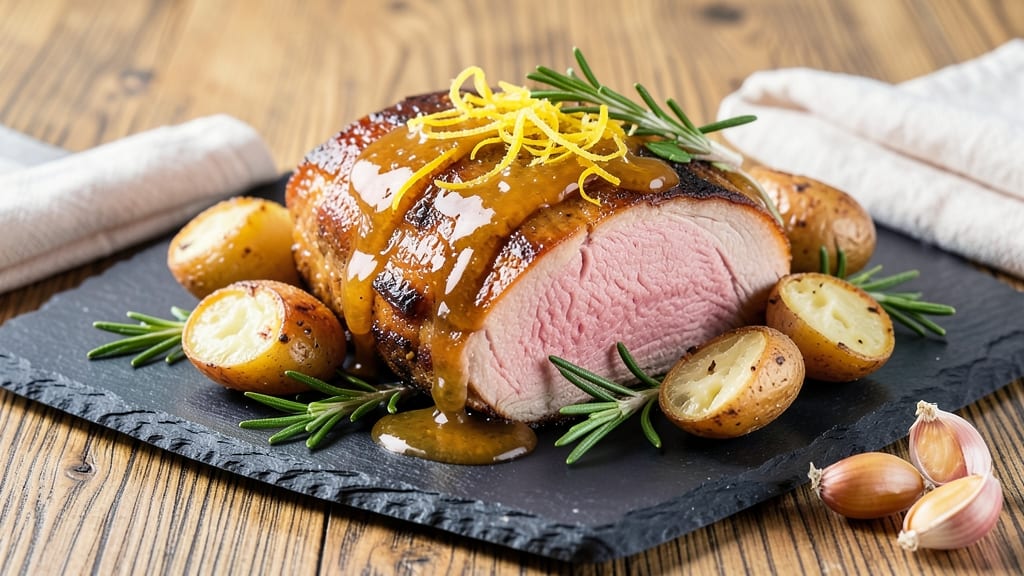
This citrus pork loin recipe transforms simple ingredients into a restaurant-worthy centerpiece with bright, zesty flavors that cut through rich pork. 🌟 I developed this method after years of perfecting the balance between tender meat and vibrant citrus—no overpowering marinade, just a perfect harmony that elevates every bite.
The secret lies in a 25-minute cook time that delivers juicy, caramelized edges without drying out the center, making it ideal for weeknight dinners or special occasions alike.
The technique combines a reverse sear approach with citrus basting, ensuring the pork stays moist while developing a golden crust. A marinade of orange juice, lemon zest, and a touch of honey tenderizes the meat and infuses it with bright, refreshing notes that complement the natural sweetness of the pork.
This isn't just another citrus-marinated dish—it's a foolproof method that works whether you're searing in a cast-iron skillet or finishing under the broiler.
What you'll end up with is a perfectly cooked pork loin—tender, juicy, and glistening with a caramelized crust—that practically falls apart when sliced. The citrus marinade adds a bright, aromatic finish that pairs beautifully with roasted vegetables, mashed potatoes, or a simple green salad.
The best part? It's ready in under 30 minutes, making it a quick yet impressive dish for any table.
For those who love versatility, this recipe scales effortlessly—double the marinade for larger cuts or halve it for individual servings. The same technique works for pork chops or tenderloin, proving how a few simple adjustments can transform a basic cut into something extraordinary. Let's get cooking!
Ingredients for citrus pork loin
Bright citrus and aromatic herbs transform simple pork into restaurant-quality centerpiece perfection.
| Ingredient | Amount | Notes |
|---|---|---|
| Boneless Pork Loin 🐖 | 1 ½ lb | Center-cut, 1.5-inch thick |
| Fresh Orange Juice 🍊 | ½ cup | Cold-pressed preferred |
| Fresh Lemon Zest 🍋 | 1 tbsp | Fine, organic preferred |
| Honey 🍯 | 2 tbsp | Wildflower for floral notes |
| Garlic Cloves 🧄 | 4 cloves | Smash for maximum flavor |
| Fresh Rosemary 🌿 | 1 tbsp | Finely chopped, organic |
| Kosher Salt 🧂 | 1 ½ tsp | Diamond Crystal preferred |
| Ground Black Pepper 🌶️ | ½ tsp | Freshly cracked |
| Extra-Virgin Olive Oil 🫒 | 2 tbsp | Light, fruity variety |
| Unsalted Butter 🧈 | 2 tbsp | Cold, European-style |
| Fresh Thyme Leaves 🌿 | ¼ cup | Stripped from stems |
| Vegetable Oil 🫒 | 2 tbsp | High smoke point |
The pork loin is non-negotiable for this dish—center-cut with visible fat cap ensures tenderness. Whole Foods or Trader Joe's carry excellent pre-trimmed cuts, but if buying whole, ask your butcher to remove the fat cap for even cooking. Organic pork has better flavor, though conventional works fine. The citrus marinade needs to be freshly squeezed orange juice—bottled lacks the vibrant acidity. For honey, Manuka or wildflower varieties add subtle floral notes that complement the citrus beautifully. Rosemary should be fresh, not dried—its piney aroma is essential for balancing the sweetness.
No fresh orange juice? High-quality bottled (like Tropicana Pure) works in a pinch, but add an extra tablespoon of lemon juice for brightness. Substitute honey with maple syrup if needed, though it leans slightly earthier. Short on rosemary? Fresh thyme at double the amount provides a similar herbal depth. For the butter sear, ghee is a dairy-free alternative that works beautifully. The vegetable oil is purely for the initial sear—use something with a high smoke point like avocado oil if you're concerned about flavor transfer. Prep the marinade at least 30 minutes ahead to let the flavors meld, or overnight for maximum penetration.
Store any leftover pork in an airtight container with a sprinkle of extra marinade to keep it moist. It reheats beautifully—350°F for 10-12 minutes in the oven with foil—though it's even better cold for sandwiches or salads. The citrus marinade keeps for 3 days refrigerated or 3 months frozen in ice cube trays. For next-level presentation, baste the pork with reserved marinade during the final sear—this creates that signature glaze without overpowering the delicate flavors. The reverse sear technique ensures perfect doneness every time, but if you're short on time, broil for 3-4 minutes with foil removed for a quick crust.
Why You'll Love This Recipe
- One-Pan Magic: I swear by this recipe when I’m too tired to scrub a million dishes—just sear the pork, toss in the citrus marinade, and let the oven do the work. The honey and garlic caramelize right on the sheet pan, so cleanup is basically nonexistent.
- Bright & Balanced Bite: That tangy-sweet combo? It’s the kind of flavor that makes you pause mid-bite. The orange juice tenderizes the pork while the lemon zest adds this bright, zesty kick—like a fancy restaurant dish without the fuss. Honestly, my husband steals seconds when he thinks I’m not looking.
- Weeknight to Dinner Party: This works just as well for a lazy Tuesday as it does for impressing guests. Slice it thin for quick tacos or serve it whole with roasted veggies—no one will guess it took less than 45 minutes. (Yes, even on a Tuesday night.)
- Leftovers That Don’t Suck: Unlike so many roasted meats, this pork stays juicy and delicious for days. I’ll toss it into grain bowls, sandwiches, or even fried rice—every time, it’s the star. And since pork loin is budget-friendly, you’re not breaking the bank for leftovers either.
Step-by-step instructions for citrus pork loin
Master this technique and you'll achieve perfectly seared pork with a bright, balanced citrus glaze every time.
🔥 Step 1: Prep and Season the Pork Loin
Pat the 1.5 lb boneless pork loin completely dry with paper towels—this ensures maximum browning. Place it on a cutting board and make shallow cuts across the surface in a diamond pattern with a sharp knife. This creates pathways for the marinade to penetrate deeply.
In a small bowl, whisk together the 0.5 cup fresh orange juice, 2 tbsp honey, 1 tbsp finely chopped fresh rosemary, 4 smashed garlic cloves, 1.5 tsp kosher salt, and 0.5 tsp freshly cracked black pepper. Pour this marinade over the pork, coating it evenly on all sides. Let it sit at room temperature for 15 minutes while you prepare the remaining ingredients.
🍳 Step 2: Sear the Pork to Golden Perfection
Heat a large skillet over medium-high heat until it's smoking hot. Add 2 tbsp vegetable oil and swirl to coat the bottom evenly. Place the pork loin in the pan, pressing down gently with a spatula to maintain contact with the hot surface. Sear for 3-4 minutes per side until it develops a deep golden-brown crust.
Here's the thing—don't move the pork around too much. You want that crust to form undisturbed. If it releases easily from the pan after 3 minutes, it's ready to flip. The internal temperature should reach 145°F at this point, but we'll finish cooking it gently to ensure juiciness.
🥘 Step 3: Build the Citrus Glaze
Remove the pork from the pan and set it aside on a plate. Reduce the heat to medium and add 2 tbsp extra-virgin olive oil and 2 tbsp unsalted butter to the same skillet. Let the butter melt completely, then add the 1 tbsp fresh lemon zest and 0.25 cup fresh thyme leaves, stirring for 30 seconds until fragrant.
Pour in any accumulated juices from the pork and scrape up the browned bits from the bottom of the pan with a wooden spoon. These flavorful bits are called fond, and they're essential for building depth in your sauce. Return the pork to the pan and spoon the pan juices over it.
⏰ Step 4: Finish Cooking and Glaze
Cover the skillet and cook for an additional 5-7 minutes on medium-low heat, basting the pork occasionally with the pan juices. This gentle cooking ensures the pork reaches 145°F internally without drying out. The glaze should thicken slightly as it reduces.
For the final touch, transfer the pork to a cutting board and tent loosely with foil. Let it rest for 10 minutes—this crucial step allows the juices to redistribute throughout the meat. While it rests, return the pan to medium heat and reduce any remaining juices by 2-3 minutes until syrupy.
🍽️ Step 5: Slice and Serve with Glaze
Slice the pork loin into ½-inch thick medallions against the grain for maximum tenderness. Spoon the reduced citrus glaze over the top and serve immediately. Each bite should deliver perfectly seared edges, tender meat, and a bright burst of citrus flavor.
Pair with roasted vegetables or a fresh salad to complement the dish. The glaze works beautifully as a drizzle over couscous or quinoa as well. The combination of honey and citrus creates a perfect balance of sweet and tangy notes that elevate the natural richness of the pork.
Pro Tips For Making Citrus Pork Loin
- Sear Before Braising: Hit the pork loin with a screaming-hot pan first—no marinating needed. Two minutes per side until deep golden brown locks in flavor and keeps it from drying out later. (Yes, even if you’re impatient like me, resist the urge to rush this.)
- Strain That Juice: Fresh orange juice is great, but pulp turns the sauce gritty and unappetizing. Strain it through a fine-mesh sieve or cheesecloth—it takes 30 seconds and makes the glaze silky smooth. I learned this the hard way after serving a batch that tasted like a smoothie.
- Don’t Overmix the Glaze: The citrus-honey mix is delicate—whisk it just until combined, then stop. Overworking it turns it into syrup, and you’ll end up with a sticky mess instead of a glossy, balanced coating. Stir once, taste, and call it done.
- Rest Under Foil: After cooking, tent the pork with foil and let it sit for 5–10 minutes. This keeps it juicy and makes slicing cleaner—no dry, stringy mess. (Your future self will thank you when you’re not fighting a tough cut.)
Pro cooking tips for this dish
Citrus Marinade Magic
Start your marinade with freshly squeezed orange juice—never bottled—because the acidity and natural oils penetrate deeper. I like to add 1 tbsp lemon zest directly to the marinade for an extra citrus punch without overpowering.
Let the pork marinade for at least 15 minutes at room temperature, but if you have time, 1-2 hours in the fridge enhances flavor infusion. The honey in the marinade isn't just for sweetness—it helps tenderize the meat while balancing the acidity. 🍊
Reverse Sear Technique
This is where the magic happens. After searing, transfer your pork to a 275°F oven for 5-7 minutes to reach 145°F internal temperature gently. The key is patience—rushing this step leads to dry meat.
I use a ThermoWorks Smoke thermometer to monitor the temp precisely. For extra insurance, tent the pork loosely with foil to trap moisture during this final cook.
Butter Basters
Don't skip the butter basting step! After searing, melt 2 tbsp unsalted butter in the same pan with 1 tbsp olive oil and spoon it generously over the pork. The butter adds richness while the oil prevents sticking.
Add fresh thyme leaves at this stage—they release their aromatic oils when heated, creating a fragrant finish. Baste every 2 minutes during the final cook for maximum flavor transfer.
Resting is Non-Negotiable
I can't stress this enough: 10 minutes of resting is crucial. During this time, the pork's juices redistribute throughout the meat instead of pooling on the cutting board. Tent it loosely with foil to prevent drying but allow some airflow.
Pro tip: Use this resting time to reduce any remaining pan juices into a glossy glaze—it adds that restaurant-quality finish. 💡
Citrus Glaze Perfection
For an extra-special finish, reduce the pan juices by 2-3 minutes until syrupy. Add a splash of orange juice if needed to thin slightly. This glaze should coat the back of a spoon but still drizzle easily.
I like to brush it over the sliced pork just before serving—it adds that final bright, citrusy pop that makes the dish shine. The balance of honey and citrus creates a perfect sweet-tart contrast that complements the pork beautifully.
Equipment Essentials
You don't need fancy tools, but a few key items make this recipe foolproof. A heavy-bottomed cast-iron skillet (like my vintage Lodge) is ideal for even heat distribution. For temperature control, a meat thermometer is non-negotiable—it takes the guesswork out of doneness.
And always use a sharp chef's knife for slicing against the grain—it makes all the difference in tenderness. My Wüsthof 8-inch is my go-to for this exact cut. 🔪
Nutrition facts
Frequently asked questions
Can I use bottled orange juice instead of fresh?
Bottled works in a pinch, but fresh orange juice delivers brighter acidity and natural oils that penetrate deeper. For best results, use high-quality bottled juice (like Tropicana Pure) and add an extra 1 tablespoon lemon juice to compensate. The flavor won't be identical, but it'll still taste delicious.
How do I adjust this recipe for thicker pork loin cuts?
For cuts over 1.5 inches thick, increase marinating time to 2-4 hours and extend the final cook to 10-12 minutes at 275°F. Use a meat thermometer to monitor—pork is safe at 145°F. The reverse sear method still works perfectly, just give it extra time to cook through evenly.
What's the best way to reheat leftover citrus pork?
Reheat in a 350°F oven for 10-12 minutes with foil, covered, until warmed through. For microwave reheating, cover with a damp paper towel and heat in 30-second intervals to prevent drying. The citrus flavors actually intensify when reheated gently—great for sandwiches or salads!
Can I grill this citrus pork loin instead of pan-searing?
Grill over medium-high heat for 4-5 minutes per side until golden, then finish with 5-7 minutes indirect heat to reach 145°F. Baste with extra marinade during the final cook. The smoky grill flavor pairs beautifully with citrus—just watch for flare-ups from citrus oils.
Why did my pork turn out dry?
Most likely, you skipped the resting time or overcooked it. Always let pork rest 10 minutes before slicing—this redistributes juices. Also, check your internal temp—pork is safe at 145°F, but 150°F+ starts drying it out. Use a meat thermometer to avoid guessing!