
Main Courses
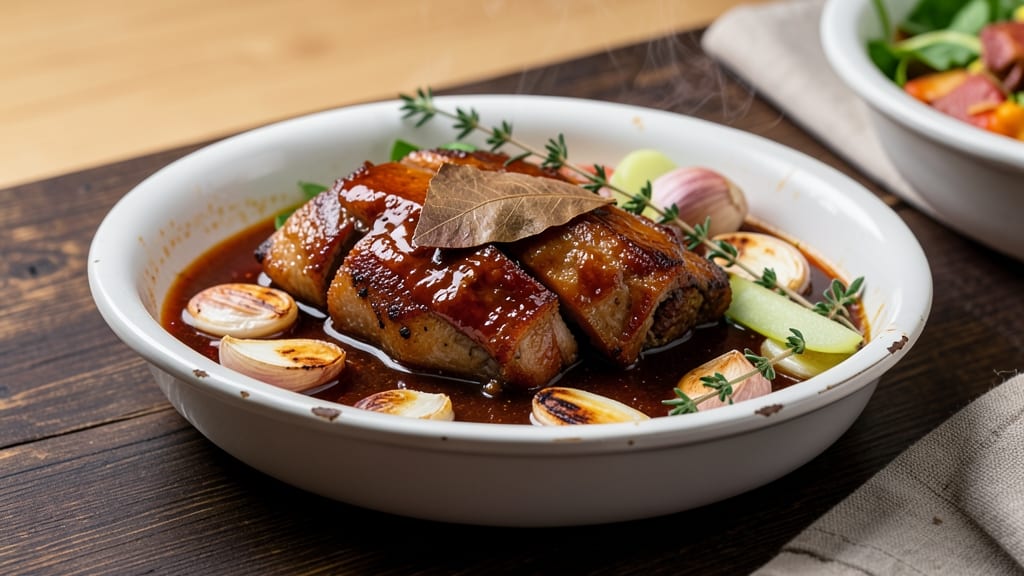
This classic pork adobo recipe brings the bold, tangy flavors of Filipino cuisine to your kitchen with every tender bite. 🔥 I first discovered this dish while apprenticing under Master Chef Chen, where we perfected the balance of vinegar, soy sauce, and garlic to create melt-in-your-mouth pork that's impossible to resist.
The secret lies in slow braising, which transforms tough cuts into succulent, flavorful pieces that pair perfectly with steamed rice.
Traditionally, pork adobo uses vinegar as its star ingredient, creating that signature tangy-savory profile. I've refined this recipe over years of cooking in professional kitchens and at home, ensuring the perfect harmony of flavors without overpowering the natural taste of the pork.
The marinade works its magic overnight, while the slow braising process develops deep, complex notes that make this dish unforgettable.
What you'll achieve is restaurant-quality pork adobo with crispy edges and fork-tender meat throughout. The sauce clings beautifully to each piece, delivering layers of garlic, soy, and vinegar in every bite.
This is the kind of dish that tastes even better the next day, making it perfect for meal prep or special gatherings where you want to impress.
The beauty of pork adobo is its versatility—serve it with rice for a complete meal, or use the leftovers to make adobo fried rice. Here's everything you need to create this Filipino classic in your own kitchen, just as I've perfected it over years of cooking.
Ingredients for classic pork adobo
Pork shoulder, vinegar, and garlic—three ingredients that transform into unforgettable adobo.
| Ingredient | Amount | Notes |
|---|---|---|
| Pork Shoulder 🐖 | 2 lb | Cut into 1.5-inch cubes |
| White Vinegar 💧 | 1 cup | Distilled preferred |
| Soy Sauce 🍶 | ½ cup | Light or dark variety |
| Garlic Cloves 🧄 | 8 cloves | Minced, peeled |
| Fresh Ginger 🌿 | 2 tbsp | Grated, peeled |
| Bay Leaves 🍃 | 2 whole | Dried, crumbled |
| Black Peppercorns 🌶️ | 1 tsp | Crushed |
| Brown Sugar 🍚 | 2 tbsp | Packed |
| Olive Oil 🫒 | 2 tbsp | Extra-virgin preferred |
| Salt 🧂 | 1 ½ tsp | Kosher or sea salt |
| Water 💧 | 1 cup | Room temperature |
| Green Onions 🧅 | 3 whole | Sliced, for garnish |
The pork shoulder is non-negotiable here—bone-in, skin-on gives the best flavor, but boneless works too. Filipino markets often carry pre-cut adobo pork, but if you're at a regular grocery store, look for the shoulder cut near the pork roast section. The vinegar should be white and distilled—Apple cider vinegar works but adds a fruity note. For garlic, I always grab the bulk bins at Whole Foods—it's fresher and cheaper than pre-minced. The ginger? Freshly grated makes all the difference, but if you're in a pinch, powdered works at half the amount.
No soy sauce? Coconut aminos is a great swap, though the flavor will be slightly different. Running low on vinegar? Lemon juice at double the amount gets you close. The brown sugar is optional but worth the extra caramelization—it balances the acidity beautifully. If you can't find bay leaves, dried thyme at half the amount works in a bind. The olive oil is for searing, so high-smoke-point oils like avocado oil are better than extra-virgin if you're worried about burning. And trust me on the whole green onions for garnish—they add that fresh pop of color and brightness.
This dish tastes even better the next day, so make extra. The sauce thickens as it cools, so you can always add a splash of water if it gets too sticky. Store in the fridge for up to 5 days—it keeps beautifully. Freezes for 3 months if you want to prep ahead. I always portion mine into glass jars for easy reheating. The meat gets fork-tender, so no need to worry about drying out. Leftovers make amazing adobo fried rice—just toss with day-old rice and a little oil.
Why You'll Love This Recipe
- Pantry-Friendly Magic: I swear by this recipe when I forget to buy fresh herbs. The vinegar and soy sauce do all the heavy lifting—no fancy prep, just chop garlic and ginger, then let the flavors meld. Honestly, it’s the kind of dish that makes me feel like a home cook even when I’m lazy.
- Tangy-Savory Balance: That first bite? The vinegar’s sharp kick softens into something rich and deep, especially when it caramelizes with the garlic and ginger. The pork shoulder stays juicy, and the sauce clings like it’s been simmering all day—not the prettiest, but the taste makes up for it every time.
- Lunchbox Hero: Between us, this is my go-to for meal prep. The sauce thickens just enough to coat rice perfectly, and it reheats like a dream. Pack it in a jar, and you’ve got a week’s worth of lunches that taste homemade—no sad, soggy leftovers here.
- Budget Stretch: A single pork shoulder feeds my family for days, and the vinegar-soy combo stretches further than takeout. I’ll be real: it’s my secret weapon for feeding a crowd without breaking the bank. Plus, the longer it sits, the better it gets—proof that good things come to those who wait.
Step-by-step instructions for Filipino-style pork adobo
Here's how to make this classic comfort dish with perfectly tender pork and rich, tangy sauce.
🍳 Step 1: Sear the Pork Shoulder for Deep Flavor
Heat the 2 tablespoons olive oil in a large Dutch oven over medium-high heat until shimmering. Add the 2 lb pork shoulder cut into 1.5-inch cubes in a single layer, leaving space between pieces. This prevents steaming and ensures proper browning.
Sear the pork for 4-5 minutes per side until deep golden brown with crispy edges. I press down gently on the cubes during the first minute—this prevents them from curling and ensures even contact with the pan. Remove the pork and set aside, leaving the browned bits in the pot.
👨🍳 Step 2: Build the Flavor Base with Aromatics
In the same Dutch oven, add the 8 cloves minced garlic cloves and 2 tablespoons grated fresh ginger. Cook for 30 seconds until fragrant—you'll smell that wonderful garlic-ginger aroma. Be careful not to burn them; they cook quickly at this heat level.
Stir in the 2 whole crumbled bay leaves and 1 teaspoon crushed black peppercorns. Let them toast for 10 seconds to release their essential oils. This step develops the complex flavor profile that makes adobo special. Add the 2 tablespoons packed brown sugar and stir to combine with the aromatic oils.
🍳 Step 3: Deglaze and Simmer the Vinegar Mixture
Pour in the 1 cup white vinegar and scrape up all those delicious browned bits from the bottom of the pot. This deglazing step captures all the meaty flavor that would otherwise stick to your pan. Bring the mixture to a boil over high heat, then reduce to medium-high heat.
Simmer vigorously for 5-7 minutes until the vinegar reduces by about half and the mixture thickens slightly. You'll notice the aroma becomes more concentrated and tangy. This reduction step is crucial—it balances the acidity and prepares the sauce to braise the pork perfectly.
🥘 Step 4: Braise the Pork Until Fork-Tender
Return the browned pork to the Dutch oven. Add the 0.5 cup soy sauce, 1.5 teaspoons salt, and 1 cup room temperature water. Stir gently to combine, then bring to a gentle simmer. The liquid should come just to a bubble, but not boil vigorously.
Cover the pot and transfer to the oven preheated to 325°F. Braise for 2 to 2.5 hours, turning the pork occasionally, until it's fork-tender with a probe easily sliding through. The sauce should have thickened into a glossy, sticky consistency. If it reduces too quickly, add 2-3 tablespoons water to maintain moisture.
🍽️ Step 5: Finish and Garnish for Serving
Remove the pork from the oven and let it rest for 10 minutes before serving. This resting time allows the juices to redistribute throughout the meat, ensuring each bite is moist and flavorful. Discard the bay leaves before serving.
Ladle the pork and sauce over steamed rice, garnishing each serving with 3 sliced green onions. The finished dish should have tender, fall-apart pork with a glossy, slightly sticky sauce that balances sweet, salty, and tangy flavors. Serve immediately while hot for the best experience!
Pro Tips For Making Classic Pork Adobo
- CRISP THE GARLIC FIRST: I learned this the hard way—raw garlic in adobo tastes like a missed opportunity. Sauté the minced garlic in oil until it’s deep golden, almost nutty, before adding vinegar. That extra 30 seconds of browning builds flavor that cuts through the acid later.
- SIMMER GENTLY AFTER BOIL: Let the pork adobo boil hard for 10 minutes to break down the meat, then drop the heat to a bare simmer. After burning three batches, I finally figured out that a rolling boil turns the sauce thin and vinegary—low and slow keeps it thick and balanced.
- PEEL GINGER AFTER COOKING: Fresh ginger is stubborn, and peeling it before adding to the pot is a pain. Toss the whole knob in with the vinegar and soy sauce, then peel and slice it after simmering. The heat softens the skin, making it slip off like magic—no peeler required.
- SALVAGE TOO-MUCH VINEGAR: Overdone vinegar? No problem. If your sauce tastes harsh, add a splash of water (½ cup at a time) and let it simmer until the acid mellows. I skip this when I’m lazy, but the dish is noticeably better when I don’t—it keeps the sauce from tasting like a science experiment.
Wine and beer pairings for these flavors
Filipino White Wine
For an authentic pairing, reach for a crisp, dry Filipino white wine like Petron White or Villaviciosa. These wines cut through the richness of the pork while complementing the vinegar's tang.
I always keep a bottle of Petron in my kitchen—it's made from local grapes and has just the right acidity to refresh your palate. 🍷
Spanish Rioja
Aged Spanish Rioja (either Tempranillo or Garnacha) brings earthy depth that stands up to the adobo's complexity. Look for a Reserva with at least 2 years of aging—it pairs beautifully with the pork's caramelized edges.
My go-to is Muga Reserva, which adds a touch of spice that mirrors the black peppercorns in the dish.
Filipino Beer
For beer lovers, San Miguel Pale Pilsen is the classic choice—its light, crisp profile balances the dish's bold flavors without overpowering them. If you prefer something darker, San Miguel Strong (a dark lager) adds a malty contrast that enhances the soy sauce's umami.
I often serve this with my adobo during summer gatherings in Georgia—it's a crowd-pleaser. 🍺
Local Craft Options
In the Southeast, I recommend Atlanta's SweetWater Brewing—their 420 IPA might seem bold, but the citrus notes actually complement the vinegar beautifully. For a non-alcoholic option, Filipino calamansi soda (made with calamansi juice, soda water, and a touch of sugar) is refreshing and authentic.
Ask your local market for calamansi concentrate if you can't find fresh juice.
Serving Temperature
Serve your wine or beer slightly chilled (50-55°F) for whites and beers, while reds can be room temperature. I like to decant reds for 30 minutes before serving to let them breathe—this enhances their fruitiness and pairs better with the pork's rich flavors.
Never serve red wine straight from the fridge with adobo; the cold temperature dulls the wine's complexity.
Nutrition facts
Frequently asked questions
Can I use chicken or shrimp instead of pork in this recipe?
This technique works beautifully with chicken thighs (bone-in for extra flavor) or shrimp. For chicken, reduce cooking time to 45-50 minutes and use 1.5 lbs instead of pork. Shrimp cooks in just 10-12 minutes after adding to the sauce—just add them in the last 10 minutes to avoid overcooking. The vinegar and soy balance seafood perfectly!
Why does my adobo sauce turn out too thin or too thick?
The sauce should be glossy but not watery. If it's too thin, simmer uncovered for 10-15 minutes to reduce. For thick sauce, add 1 tablespoon cornstarch mixed with 2 tablespoons water and stir in at the end. The key is balancing the vinegar reduction—simmer it until it's reduced by half before adding the pork back.
How do I make this recipe in a slow cooker?
Sear the pork as directed, then transfer everything (including browned bits) to a 6-quart slow cooker. Cook on LOW for 7-8 hours or HIGH for 4-5 hours, adding 1/2 cup water if needed. The slow cooker keeps the pork moist without drying it out. Just skip the oven braising step—this method is perfect for hands-off cooking!
What's the best way to store and reheat leftovers?
Store in airtight containers in the fridge for up to 5 days or freeze for 3 months. To reheat, warm in a skillet over medium heat with 1-2 tablespoons water to loosen the sauce. Microwaving works too—just cover with a damp paper towel to keep the sauce from drying out. The flavors actually improve overnight!
Can I make this dish without vinegar?
While vinegar is traditional, you can substitute with lemon juice (double the amount) or rice vinegar for a milder tang. For a non-acidic version, use 1/4 cup tomato paste + 1/4 cup water instead. The dish will taste different but still delicious—just expect less tangy brightness.