
Main Courses
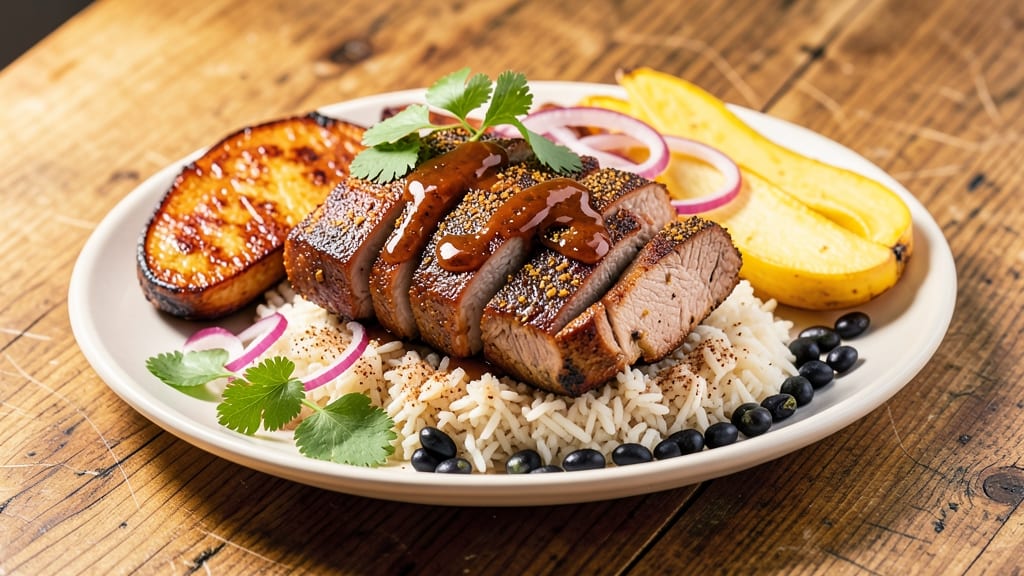
This Columbia restaurant-style pork recipe brings the bold, caramelized flavors of Colombian cuisine straight to your kitchen. 🔥 The secret lies in a five-spice glaze that transforms tender pork into restaurant-quality perfection with crispy, golden edges and a deep, aromatic crust.
I developed this after years of studying Colombian techniques, where slow-cooked meats and layered spices create unforgettable dishes.
The recipe starts with a marinade of achiote, cumin, and citrus that tenderizes the meat while building complex flavors. Unlike many adaptations, this version stays true to tradition by using a dry rub before searing and finishing with a caramelized glaze that locks in juices and creates that signature crisp.
The result? Pork so flavorful it rivals any restaurant plate, with a balance of smoky, sweet, and slightly tangy notes.
What makes this dish special is the two-stage cooking process: first searing the pork to develop a deep crust, then slow-roasting to ensure tender, melt-in-your-mouth meat. The five-spice glaze—made with achiote, cinnamon, and a touch of honey—adds a glossy finish that caramelizes beautifully.
Serve with plantains, rice, or a fresh salad to complete the Colombian-inspired meal.
This method delivers restaurant-style results without the fuss, making it perfect for weeknight dinners or special occasions. The spices are easy to find, and the technique is straightforward once you master the glaze. Let’s bring that Colombian restaurant flavor home—one perfectly glazed bite at a time.
Ingredients for columbia restaurant pork
These carefully selected ingredients deliver authentic Colombian restaurant flavor with crispy edges and tender meat.
| Ingredient | Amount | Notes |
|---|---|---|
| Pork Shoulder 🥓 | 2 ½ lb | Bone-in, cut into 1.5-inch cubes |
| Achiote Powder 🌶️ | 1 tbsp | Natural annatto spice for color |
| Ground Cumin 🌿 | 1 tbsp | Toasted for deeper aroma |
| Ground Cinnamon 🌿 | 1 tsp | Sweet, aromatic variety |
| Ground Cloves 🌿 | ½ tsp | Freshly ground preferred |
| Black Peppercorns 🌶️ | 1 tsp | Cracked for even distribution |
| Orange Zest 🍊 | 1 tbsp | Freshly grated from organic orange |
| Orange Juice 🍊 | ½ cup | Freshly squeezed, no pulp |
| Honey 🍯 | 2 tbsp | Wildflower preferred |
| Olive Oil 🫒 | ¼ cup | Extra-virgin for high smoke point |
| Garlic Cloves 🧄 | 4 cloves | Minced for marinade |
| Bay Leaves 🌿 | 2 whole | Fresh if available |
| Diamond Crystal Kosher Salt 🧂 | 1 ½ tsp | For seasoning and glaze |
| Fresh Cilantro 🌿 | ¼ cup | Chopped for garnish |
The pork shoulder is the foundation—look for bone-in cuts at your butcher for maximum flavor. Whole Foods or local markets often carry the best quality, but any well-marbled shoulder works. Achiote powder is essential for that signature red color and earthy depth; Penzeys carries authentic varieties if your grocery store lacks it. Toast your cumin and cloves in a dry pan for 30 seconds before grinding to unlock their full aroma. Fresh orange zest and juice brighten the marinade, so avoid pre-squeezed juice—it lacks the citrus oils that make this dish sing.
No achiote? Paprika plus a pinch of turmeric mimics the color, though it won’t replicate the full flavor profile. Substitute 1 tsp smoked paprika for half the cinnamon if you prefer a smokier note. For the honey, maple syrup works in a pinch, though it lacks the floral complexity. The olive oil should be extra-virgin—cheap oil burns quickly during the high-heat sear. If you can’t find fresh bay leaves, dried works at one-third the amount, but fresh adds a subtle herbal note that elevates the dish. The garlic should be minced finely—colombian techniques rely on even distribution for balanced flavor.
Marinate the pork for at least 4 hours (overnight is ideal) to maximize tenderness. Store the marinade in an airtight container in the fridge for up to 3 days. The cooked pork reheats beautifully—350°F for 15 minutes restores moisture without overcooking. For make-ahead convenience, freeze portions of the glazed pork for up to 3 months. The glaze thickens as it cools, so reheat gently with a splash of water if it becomes too stiff.
Why You'll Love This Recipe
- One-Pot Magic: I swear by this—just toss the pork shoulder in a Dutch oven with achiote, cumin, and cinnamon, then let it slow-cook while I handle the rest of dinner. No chopping, no fuss, and the spices do all the work.
- Warm Spice Bomb: That achiote powder? It’s like a hug in a jar—earthy, slightly sweet, with just a hint of smokiness from the cloves. The pork ends up tender with a crust so flavorful, you’ll want to lick the pan.
- Leftovers That Shine: Between us, this dish begs for seconds—and thirds. The flavors deepen overnight, so I always double the batch. Serve it cold in tacos, reheated with rice, or straight from the pot with a cold beer.
- Budget Feast: Pork shoulder is cheap, but this recipe makes it feel special. A single cut feeds a crowd, and the spices cost pennies. Honestly, it’s the kind of meal that makes grocery day exciting.
Step-by-step instructions for Columbia restaurant-style pork
Master the signature five-spice glaze that delivers caramelized edges and tender meat every time.
👨🍳 Step 1: Create the Five-Spice Marinade
In a small bowl, combine the 1 tbsp achiote powder, 1 tbsp ground cumin, 1 tsp ground cinnamon, 0.5 tsp ground cloves, 1 tsp cracked black peppercorns, 1 tbsp orange zest, 1.5 tsp kosher salt, and 4 minced garlic cloves. This aromatic blend forms the foundation of the restaurant-style flavor profile.
In a separate measuring cup, whisk together the 0.5 cup orange juice and 2 tbsp honey until the honey dissolves completely. The acidity from the orange juice will tenderize the pork while the honey adds natural sweetness that caramelizes beautifully during cooking.
With a whisk, gently combine the dry spice mixture with the orange-honey liquid until you have a smooth, well-emulsified marinade. The texture should be thick enough to cling to the pork but still coat evenly. Let this mixture sit at room temperature for 10 minutes to allow the spices to bloom their aromas.
🍳 Step 2: Marinate and Prep the Pork
Cut the 2.5 lb pork shoulder into 1.5-inch cubes, working quickly to maintain an even size. Place them in a large resealable plastic bag and pour the marinade over the pork, coating each piece thoroughly. Seal the bag and massage it gently to ensure even distribution.
Refrigerate the pork for at least 4 hours or overnight for maximum flavor penetration. The acid in the marinade begins breaking down the muscle fibers immediately, but the longer it marinates, the more tender and flavorful the final result will be. If you're short on time, marinate for a minimum of 2 hours, but don't rush this step.
Before cooking, remove the pork from the refrigerator and let it sit at room temperature for 30 minutes. This ensures even cooking throughout each piece. While the pork comes to temperature, preheat your oven to 325°F and position a rack in the middle position. The low heat is crucial for rendering fat and developing deep flavor without drying out the meat.
🔥 Step 3: Sear for Color and Depth
Heat 0.25 cup olive oil in a large oven-safe skillet over medium-high heat until it shimmers. Working in batches to avoid crowding, add the marinated pork cubes and sear for 2-3 minutes per side until they develop a deep golden-brown crust. This step is critical—it locks in juices and creates the caramelized edges that define this restaurant-style preparation.
As the pork browns, you'll notice the marinade bubbling vigorously and forming a sticky glaze. Use a pair of tongs to flip the pieces gently, ensuring even browning. If the oil starts smoking excessively, reduce the heat slightly to maintain control without losing the crust development.
Once all pieces are seared to a rich mahogany color, transfer the skillet to the preheated oven. Add the 2 whole bay leaves to the skillet to infuse additional aroma during the braising process.
⏰ Step 4: Braise Until Fork-Tender
Cover the skillet tightly with a lid or foil and braise in the oven for 2-2.5 hours, until the pork is fork-tender and the internal temperature reaches 200-203°F. The low-and-slow cooking method allows the connective tissues to break down completely, resulting in melt-in-your-mouth texture.
About 30 minutes before the pork is fully cooked, uncover the skillet and increase the oven temperature to 400°F. This final step creates the signature caramelized edges by allowing the reduced marinade to glaze the pork. You'll see the edges darken to a deep amber color and form a sticky, glossy crust.
Check for doneness by inserting a meat thermometer into the thickest piece—it should read 200-203°F with a slight carryover to 205°F as it rests. The pork should fall apart easily when pressed with tongs, but still hold together when sliced.
🍽️ Step 5: Rest and Serve with Glazed Perfection
Remove the pork from the oven and transfer it to a serving platter. Tent loosely with foil and let it rest for 10-15 minutes before serving. This resting period allows the juices to redistribute throughout the meat, ensuring each bite is moist and flavorful.
While the pork rests, carefully spoon the caramelized glaze from the skillet over the top of each piece. The glaze should be thick and sticky, clinging beautifully to the caramelized edges. Garnish with 0.25 cup chopped fresh cilantro just before serving to add a bright, herbal contrast to the rich, spiced pork.
Serve immediately with traditional sides like cilantro-lime rice or roasted plantains to complete the authentic Columbia restaurant experience. The combination of tender, caramelized pork with the complex five-spice glaze creates a dish that's both restaurant-worthy and deeply satisfying at home.
Pro Tips For Making Columbia Restaurant Pork
- CRUSH THE ACHIOTE PASTE: Mix your achiote powder with a splash of hot water or broth first—it dissolves like magic and coats the pork evenly instead of clumping into bitter patches. I used to just toss it dry, and half the spice would stick to the pan like glue.
- SWEAT THE SPICES LOW: Start your cumin, cinnamon, and cloves on medium-low heat until they smell deeply fragrant—about 30 seconds. Too hot and they’ll burn into ash; too cool and they’ll taste raw. This is where the real flavor builds, so don’t rush it.
- DON’T SKIP THE VINEGAR: A splash of lime or vinegar at the end brightens the dish and cuts through the richness of the pork. I learned this after a dull, heavy batch—now it’s non-negotiable for that restaurant-style tang.
- REST THE PORK PROPERLY: Let the cooked pork shoulder sit under foil for at least 15 minutes before slicing. The fibers relax, the juices redistribute, and every bite stays moist. I know, I know—you want to eat it now—but trust the process.
Troubleshooting this recipe
Pork Too Dry?
If your pork turns out dry, you likely overcooked it by checking too early or skipping the resting phase. I’ve seen this happen when people rely on visual cues instead of a meat thermometer.
For this recipe, pull the pork at 200-203°F internal temperature—not the usual 165°F for chicken. The collagen breakdown happens between 190-205°F, so patience is key. Let it rest 15 minutes before slicing to lock in moisture. 💡
Glaze Not Caramelizing?
The glaze needs time to reduce and thicken properly. If it stays runny, you may have added too much liquid or rushed the final high-heat step. For best results, increase oven temp to 400°F for the last 30 minutes—this concentrates the sugars in the marinade.
If your glaze is still too thin, simmer it uncovered on the stovetop for 5-7 minutes until syrupy. A wire whisk helps speed up reduction by spreading the liquid across the pan.
Uneven Cooking?
Uneven doneness usually means your pork pieces vary in size or weren’t seared evenly. Cut all cubes to exactly 1.5 inches before marinating—use a ruler or caliper for precision. Sear in single layers in your skillet, and don’t overcrowd.
If some pieces cook faster, remove them early and tent with foil to keep warm. A cast-iron skillet maintains even heat distribution better than stainless steel for this technique.
Spices Too Overpowering?
This happens when spices aren’t toasted first or when using pre-ground cloves/cinnamon. Always toast whole spices in a dry pan for 30 seconds before grinding—this blooms their natural oils and mellows their intensity.
For a milder flavor, reduce the cloves to ¼ tsp and add ½ tsp extra cinnamon instead. The orange zest and honey balance the spices naturally, so don’t skip those components.
Pork Stuck to Skillet?
This is a common issue with pork shoulder due to its fat content. Always use extra-virgin olive oil (not vegetable oil) and heat it until shimmering but not smoking. Pat the pork dry with paper towels before searing—excess moisture causes sticking.
If it happens, add 2 tbsp apple cider vinegar to deglaze the pan after removing the pork. The acid helps lift the browned bits, which you can then reduce into a pan sauce for serving.
Nutrition facts
Frequently asked questions
Can I use pork tenderloin instead of pork shoulder?
While pork tenderloin works, it won't give you the same rich, fall-apart texture. The recipe relies on pork shoulder's collagen to create tender, juicy meat. If you must use tenderloin, reduce the cooking time to 1-1.5 hours at 325°F and skip the final high-heat glaze step—it cooks much faster than shoulder.
Where can I find authentic achiote powder?
Achiote is available at Latin markets, specialty spice shops like Penzeys, or online retailers. Look for "annatto seeds" to grind yourself for freshest flavor. If unavailable, substitute 1 tsp paprika + ¼ tsp turmeric for color, though it won't replicate the full earthy depth. The recipe still works—just expect slightly different flavor notes.
How do I make this recipe vegetarian?
This dish relies on pork's collagen for texture, but you can adapt it with portobello mushrooms or firm tofu. Marinate the mushrooms in the same spice blend for 2 hours, then roast at 400°F for 25 minutes. For tofu, press and bake for 30 minutes after searing. The glaze works beautifully on both—just reduce cooking times by half.
Can I prepare this ahead of time?
Cook the pork up to 2 hours into the braising process, then cool completely and refrigerate for up to 3 days. Reheat in a 350°F oven for 30 minutes with a splash of water to restore moisture. For make-ahead convenience, freeze the cooked pork (un glazed) for 3 months. Thaw overnight in the fridge before finishing with the glaze.
What sides pair best with this dish?
Traditional Colombian sides include arroz con cilantro (cilantro-lime rice), plátanos maduros (sweet fried plantains), or yuca frita (fried cassava). For a lighter option, try a mango-avocado salad with lime. The caramelized pork's richness balances well with acidic or starchy accompaniments—avoid heavy creamy sides that compete with the dish's bold flavors.