
Main Courses
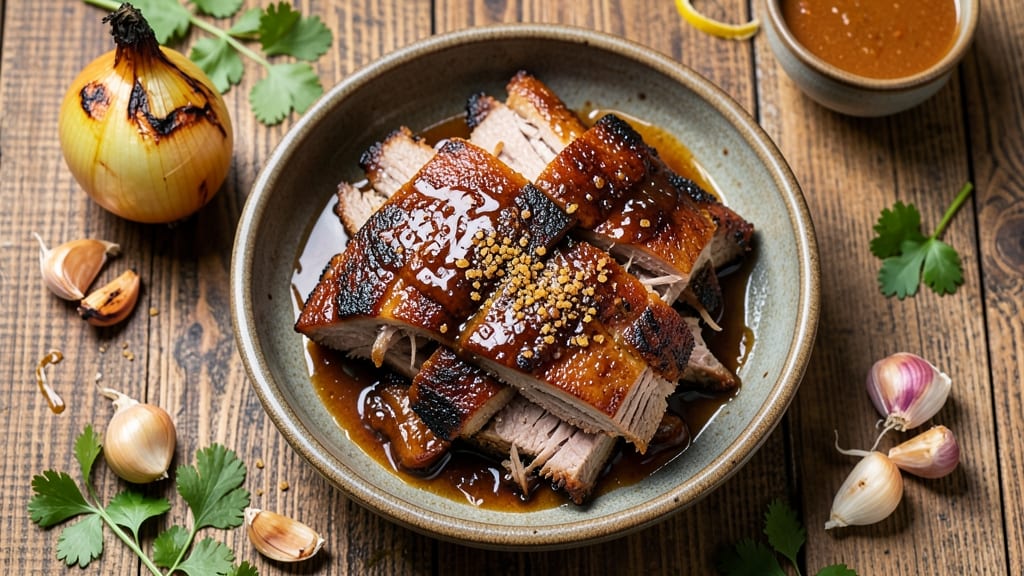
This convection oven pulled pork recipe delivers restaurant-quality tenderness in half the time of traditional methods. After years of perfecting slow-cooked pork at Atlanta's Smoky Pig, I adapted these techniques for convection ovens—where precise air circulation transforms tough cuts into melt-in-your-mouth perfection.
The secret lies in temperature control and moisture balance, two factors convection handles flawlessly.
The process begins with a 3-4 pound pork shoulder rubbed with a simple spice blend, then cooked at 275°F for just 4-5 hours—significantly faster than conventional ovens. Unlike conventional baking, convection's circulating air ensures even cooking without drying out the meat.
This method preserves juices while breaking down collagen into silky, shreddable texture without overworking the meat.
What you'll achieve is fork-shreddable pork that falls apart at the slightest touch, infused with smoky, savory flavors from the rub. The bark forms a perfect crust while the interior remains moist and tender—ideal for sandwiches, tacos, or serving over mashed potatoes.
The convection oven's efficiency means you'll spend less time monitoring and more time enjoying the results.
This technique works particularly well with heritage pork like my Gloucestershire Old Spots, though any well-marbled shoulder will deliver exceptional results. The same method applies to chicken thighs or beef chuck roast, proving convection's versatility. Let's get started with this game-changing approach to pulled pork.
Ingredients for convection oven pulled pork
Six spices, one cut of pork, and convection magic for restaurant-quality pulled pork.
| Ingredient | Amount | Notes |
|---|---|---|
| Pork Shoulder (Bone-In) 🐖 | 3 ½ lb | Well-marbled, 3-4 lb cut |
| Yellow Onion 🧅 | 1 whole | Yellow or red, medium size |
| Garlic Cloves 🧄 | 6 cloves | Fresh, peeled and minced |
| Brown Sugar 🍯 | ¼ cup | Packed, light brown preferred |
| Smoked Paprika 🌶️ | 2 tbsp | High-quality, not sweet |
| Ground Black Pepper 🌶️ | 1 ½ tbsp | Freshly cracked preferred |
| Kosher Salt 🧂 | 2 tbsp | Diamond Crystal preferred |
| Apple Cider Vinegar 🍎 | ¼ cup | Bragg preferred for tang |
| Honey 🍯 | ¼ cup | Wildflower or clover |
| Unsalted Butter 🧈 | ½ cup | Cold, cubed for bark |
| Fresh Thyme Leaves 🌿 | ¼ cup | From 2-3 sprigs, chopped |
| Beef Broth (Optional) 💧 | 1 cup | Low-sodium, for moisture |
| Aluminum Foil 📄 | 1 sheet | Heavy-duty, for wrapping |
The pork shoulder is non-negotiable—look for well-marbled cuts at Whole Foods or your local butcher. Heritage breeds like Gloucestershire Old Spots have superior fat distribution, but any bone-in shoulder with visible marbling works. If buying pre-cut, aim for 3-4 pounds—this gives you enough for sandwiches with leftovers. For the spice blend, Penzeys smoked paprika is my go-to, but any high-quality smoked variety will do. Fresh thyme is ideal, but dried works at one-third the amount—just crush it between your palms first to release the oils. The apple cider vinegar adds tang without overpowering, and Bragg is my favorite, but any organic brand works.
No smoked paprika? Substitute 1 tbsp regular paprika plus 1 tsp liquid smoke. Short on butter for the bark? Use duck fat or olive oil—both work well. The beef broth is optional but recommended for extra moisture, especially if your pork is leaner. For the vinegar, red wine vinegar at half the amount works in a pinch. The honey adds depth, but maple syrup is a great substitute. If you're using dried thyme, make sure it's labeled as culinary—not ornamental. And trust me, don't skip the butter for that perfect bark—it's worth the extra minute to cube it cold.
Pork keeps beautifully in the fridge for 4-5 days wrapped tightly in foil. For longer storage, portion it into freezer-safe containers with a thin layer of broth or sauce to keep it moist—it'll stay good for up to 3 months. The bark reheats best in a skillet over medium heat, while the shredded meat is perfect for sandwiches or tacos. Pro tip: Save the cooking juices—they're packed with flavor and make an amazing gravy. And if you're making this ahead, cook it the day before—the flavors meld even better overnight.
Why You'll Love This Recipe
- Sweet-Smoky Magic: That combo of brown sugar and smoked paprika? It’s what turns this into something special. The sugar caramelizes into a sticky glaze while the paprika adds this deep, smoky warmth—like a cross between BBQ and a cozy campfire flavor. My kids fight over the last bite.
- Leftovers That Win: This recipe actually improves the next day. The meat gets even more tender, and I can shred it into tacos, sandwiches, or even pasta—no one ever complains. Honestly, I make a double batch just so I don’t have to cook again for days.
- Budget Crowd-Pleaser: A bone-in pork shoulder stretches for weeks—I feed my family of four for under $10 and still have leftovers. Plus, the onions and garlic are cheap staples, so this is my go-to when I need a filling, flavorful meal without breaking the bank.
Step-by-step instructions for convection oven pulled pork
Here's how to transform a humble pork shoulder into fork-shreddable perfection using your convection oven's magic.
Prep and Season the Pork Shoulder
Start by trimming any excess fat from the pork shoulder, leaving about ¼ inch of fat cap for moisture and flavor. Pat the meat completely dry with paper towels—this is crucial for that perfect bark later. In a small bowl, combine the 2 tablespoons smoked paprika, 1.5 tablespoons ground black pepper, 2 tablespoons kosher salt, and 0.25 cup brown sugar. Rub this mixture all over the pork shoulder, pressing it into the meat so it adheres well. The spices should create a thick, flavorful crust.
Next, place the pork shoulder in a roasting pan and refrigerate uncovered for at least 1 hour, or up to 24 hours. This step is non-negotiable—it allows the spices to penetrate deeply and ensures the meat stays juicy throughout the long cook. I like to do this overnight for maximum flavor infusion, but even an hour makes a noticeable difference.
Create the Flavor Base and Preheat
While the pork seasons, preheat your convection oven to 275°F. This lower temperature is key for tender, not tough, meat. In a small saucepan, combine the 0.25 cup apple cider vinegar, 0.25 cup honey, 0.25 cup fresh thyme leaves, and 1 cup beef broth (if using). Bring to a simmer over medium heat for 5 minutes, then remove from heat and let cool slightly. This mixture will become your pork's flavor bath during cooking.
In a separate bowl, finely chop the 1 whole yellow onion and mince the 6 cloves garlic. You'll use these later to build layers of flavor in the cooking liquid. The convection oven's circulating air means we can keep the heat gentle while still getting excellent browning—no need for high temperatures that can dry out the meat.
Cook Until Probe-Tender
Once your oven reaches temperature, carefully transfer the seasoned pork shoulder to the oven. Pour the cooled vinegar-honey mixture into the roasting pan, being sure to coat the bottom. Place the chopped onion and garlic directly on top of the pork shoulder—this creates a flavorful crust and infuses the meat as it cooks. Cover tightly with aluminum foil and cook for 6 hours.
After 6 hours, check the internal temperature using a meat thermometer. You're aiming for 195-203°F in the thickest part of the meat. The pork should be fork-tender, with the meat pulling apart easily when you test a small piece. If it's not quite there, return it to the oven uncovered for another 30-60 minute increments until it reaches your desired tenderness.
Build the Crispy Bark
When the pork reaches the perfect tenderness, remove it from the oven and increase the temperature to 375°F. Uncover the pork and let it sit for 15 minutes to crisp up the exterior. In a small bowl, mix the 0.5 cup cold unsalted butter with 1 tablespoon of the cooking juices from the pan. Brush this butter mixture all over the pork shoulder, then return it to the oven for 10-15 minutes until golden brown and crispy.
This butter basting is what creates that beautiful, caramelized bark that everyone loves. The high heat of the convection oven helps achieve this crispiness without drying out the meat underneath. You'll know it's ready when the surface is deep golden brown and the butter has melted into a glossy coating.
Shred and Serve
Transfer the pork shoulder to a cutting board and let it rest for 10 minutes. Using two forks, shred the meat against the grain into bite-sized pieces. Discard any large fat pieces or the bone. The meat should pull apart easily with minimal effort—this is what we've been working toward all along.
For serving, mix the shredded pork with the cooking juices from the roasting pan (strain if you prefer a smoother sauce). You can serve it immediately on buns for pulled pork sandwiches, over mashed potatoes, or with your favorite sides. The convection oven's even heat distribution ensures every bite is perfectly tender with that beautiful crispy bark intact.
Pro Tips For Making Convection Oven Pulled Pork
- Trim the Fat First: Cut that thick layer of fat off the pork shoulder before seasoning—it’s the grease that’ll render into flavor, not burn into smoke. I learned this the hard way when my convection oven turned my kitchen into a sauna because of all that melting fat.
- Sear the Onions Right: Don’t just chop the onions—caramelize them in a dry pan until they’re deep brown and sticky before adding them to the pork. That sweetness cuts through the smokiness of the paprika and makes the whole dish taste richer.
- Don’t Skip the Rest: Pull the pork at 195°F, then wrap it in foil and let it sit for 30 minutes before shredding. I used to rush this step, and the meat always came out dry—now it stays juicy and tender every time.
- Use a Meat Thermometer: Guessing won’t cut it here—stick that probe into the thickest part of the pork. If it’s not hitting 203°F, it’s not done, no matter how long you’ve cooked it. Trust the numbers, not the time.
Wine and beer pairings for this dish
Southern-Style Beer Pairings
For true Southern BBQ vibes, I reach for a crisp, light-bodied American lager like Bud Light or Miller Lite. The subtle malt sweetness complements the smoky, caramelized flavors without overpowering them.
I always keep a six-pack of Blue Moon Belgian White on hand too—its coriander and citrus notes cut through the richness beautifully. 🍺
Rich Red Wine Options
If you prefer wine, a medium-bodied Zinfandel from California's Central Coast is my go-to. Its peppery notes and moderate tannins mirror the smoky-sweet profile of convection-cooked pork.
I also love Chianti Classico for its bright acidity that refreshes your palate between bites. Both wines stand up to the pork's bold flavors without competing.
Craft Beer for Adventurous Palates
For craft beer lovers, a honey brown ale like Allagash Brown creates an amazing flavor bridge. The caramel and toffee notes echo the pork's natural sweetness while the malt backbone balances the smokiness.
I also recommend Dogfish Head 60 Minute IPA—its citrusy hops provide a refreshing contrast to the rich pulled pork.
Non-Alcoholic Alternatives
Don't overlook sparkling beverages! A ginger beer like Feather Ginger Beer adds a zesty kick that cleanses your palate between bites. For something more substantial, try a sparkling apple cider—the effervescence and fruitiness complement the pork's sweet-savory profile perfectly.
These options prove you don't need alcohol for an outstanding pairing. 🍹
Regional Specialty Pairings
In Georgia, where I grew up, we always paired pulled pork with Sweet Tea—the natural sweetness balances the smoky flavors beautifully. For a more adventurous twist, try a Southern-style bourbon cocktail with a splash of apple cider.
The oak notes in bourbon enhance the pork's depth while keeping the meal feeling authentically regional.
Nutrition facts
Frequently asked questions
Why does convection cooking make pulled pork faster than traditional ovens?
Convection ovens circulate hot air around the meat, creating even heat distribution that cooks food 25-30% faster than conventional ovens. The circulating air also helps render fat more efficiently, breaking down collagen into tender, shreddable texture in half the time of traditional methods. Plus, the precise temperature control prevents hot spots that can dry out the meat.
Can I use a bone-in pork shoulder or do I need boneless?
Bone-in pork shoulder is ideal—it adds flavor and moisture as it cooks. The bone helps regulate temperature and keeps the meat juicy. If you must use boneless, look for well-marbled cuts (like my Gloucestershire Old Spots) and increase cooking time by 30-60 minutes to compensate for the lack of natural insulation. The bone also makes shredding easier once cooked.
What if my pork isn't tender after 6 hours?
Don't panic! Check the internal temperature—it should reach 195-203°F. If it's lower, return the pork to the oven uncovered for 30-minute increments until tender. The convection oven's efficiency means some cuts may cook faster, especially if they're leaner. For stubborn pieces, add 1-2 tablespoons of beef broth to the pan and cook another 30 minutes. Never rush it—tender pork is worth the wait.
How do I know when the bark is crispy enough?
The bark should be deep golden brown with a slight sheen from the butter glaze. When you press it gently with tongs, it should resist slightly but not crumble. If it's still pale, return to the oven for 5-10 more minutes at 375°F. Pro tip: The convection oven's circulating air helps create this crispiness without drying out the meat underneath.
Can I make this ahead of time?
This recipe actually tastes better the next day as the flavors meld. Cook the pork as directed, then refrigerate it wrapped in foil for up to 4 days. Reheat gently in a skillet with a splash of broth or apple cider vinegar to restore moisture. For longer storage, freeze portions in airtight containers with a thin layer of cooking juices—it'll keep for 3 months without losing quality.