
Main Courses
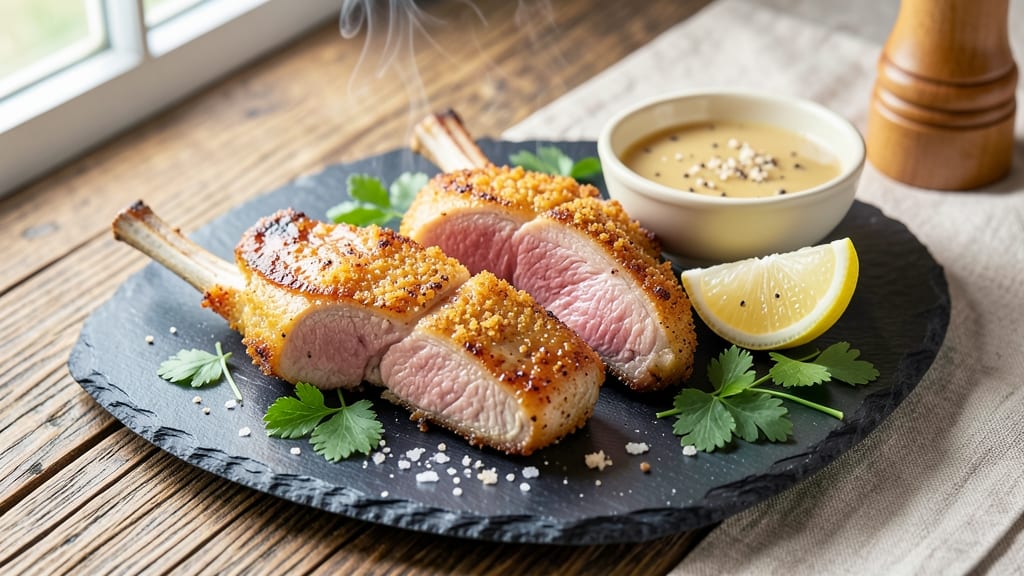
This cracked pork chops recipe delivers the perfect balance of crispy, shatteringly golden crusts and juicy, melt-in-your-mouth centers—exactly what makes pork chops worth the effort. I developed this technique after years of perfecting the art of crackling breading, and it’s the one dish that always impresses guests without requiring fancy ingredients. The secret lies in a double-dredge method and precise heat control that transforms simple pork chops into a restaurant-worthy centerpiece.
The magic happens in the breading: a mix of panko and cornstarch creates that signature crack, while a light dusting of flour ensures the coating sticks. Pan-searing in small batches guarantees even browning, and resting the chops briefly before serving locks in all that juiciness.
This isn’t just a recipe—it’s a technique that turns weeknight dinners into something special with minimal fuss. Trust me, once you try this, you’ll never go back to soggy, underwhelming pork chops again.
What you’ll end up with is a plate of pork chops that’s crispy on the outside, tender on the inside, and impossible to resist. The aroma alone will have everyone gathering at the table, and the first bite delivers that satisfying crunch followed by juicy, flavorful meat.
This recipe works equally well with bone-in or boneless cuts, and the method scales easily for feeding a crowd or a cozy family dinner.
Pair these chops with classic sides like creamy mashed potatoes, tangy applesauce, or a fresh garden salad to round out the meal. The crispy edges soak up sauces beautifully, making every bite even more satisfying. Let’s get started—your taste buds (and dinner guests) will thank you.
Ingredients for crack pork chops
The secret to restaurant-style cracked pork chops lies in these precise ingredients and technique.
| Ingredient | Amount | Notes |
|---|---|---|
| Bone-In Pork Chops 🥩 | 4 whole | 1-inch thick, pounded even thickness |
| All-Purpose Flour 🌾 | ½ cup | Fine-milled, sifted for even coating |
| Panko Breadcrumbs 🍞 | 1 cup | Japanese-style, lightly toasted |
| Cornstarch 🌾 | ¼ cup | For signature crackle texture |
| Large Eggs 🥚 | 2 whole | Room temperature, beaten |
| Unsalted Butter 🧈 | ½ cup | Cold, cut into 1-inch cubes |
| Diamond Crystal Kosher Salt 🧂 | 1 tsp | Fine grain, for seasoning |
| Ground Black Pepper 🌶️ | ½ tsp | Freshly cracked, coarse grind |
| Garlic Powder 🧄 | 1 tsp | For subtle aromatic depth |
| Vegetable Oil 🫒 | ½ cup | High smoke point, like avocado |
| Fresh Parsley 🌿 | ¼ cup | Chopped, for garnish (optional) |
| Lemon Wedges 🍋 | 2 whole | For serving, fresh squeezed |
The panko-cornstarch blend creates that signature crack—Japanese-style panko from Trader Joe's or Costco delivers the best texture. For the flour, Gold Medal all-purpose sifts beautifully for an even coating. Bone-in chops (like center-cut loin chops) hold their shape better during searing, but boneless works too if that's what you've got. The unsalted butter must be cold—cut it into cubes right before cooking to maintain temperature. Diamond Crystal kosher salt is my go-to for even seasoning without clumping. Freshly cracked pepper makes a noticeable difference over pre-ground.
No panko? Crushed cornflakes work in a pinch (toast them first for extra crispiness). Substitute cornstarch with arrowroot powder at the same ratio. For egg-free binding, 1/4 cup aquafaba (chickpea brine) replaces the eggs perfectly. The vegetable oil should have a high smoke point—avocado or grapeseed oil are ideal. If you're using boneless chops, pound them to 1/2-inch thickness for even cooking. The garlic powder adds subtle depth without overpowering the crispy crust. For extra authenticity, finish with lemon zest instead of wedges during cooking.
Store leftover chops in an airtight container for up to 3 days—they reheat beautifully in a 350°F oven for 10 minutes. The breading loses crispiness when reheated, so serve fresh if possible. Freeze for up to 3 months by wrapping individually in parchment paper. For meal prep, cook an extra batch and portion into single-serving containers with lemon wedges. The butter cubes render perfectly during searing—don't skip this step for maximum flavor transfer. Always let chops rest 5 minutes after cooking to lock in juices.
Why You'll Love This Recipe
- Same recipe, different vibes: toss them on the grill for summer BBQs or pan-sear for a fancy-ish weeknight meal. The panko holds up like a champ—no one will guess it’s a shortcut.
- No-Fuss Coating: I swear by the flour-egg-cornstarch-panko combo—it’s the magic trifecta for that perfect crunch without fussing. Just dredge, dip, repeat. Even my kids can handle it.
- Crispy-Creamy Magic: That bone-in secret keeps the meat juicy while the panko crust delivers next-level crunch. Honestly, the first bite makes you forget about sad, soggy breading.
- Weeknight to Dinner Party: Same recipe, different vibes: toss them on the grill for summer BBQs or pan-sear for a fancy-ish weeknight meal. The panko holds up like a champ—no one will guess it’s a shortcut.
Step-by-step instructions for crispy-edged, juicy-centered pork chops
Master the art of achieving restaurant-quality crackling crusts while keeping the interior tender and moist.
Prepare the Pork Chops for Maximum Crisp
Begin by patting the 4 whole bone-in pork chops completely dry with paper towels. This drying step is non-negotiable—moisture prevents proper browning and crisping. Place each chop between two sheets of plastic wrap and pound gently to an even ½-inch thickness using a meat mallet. The goal is uniform thickness so all pieces cook at the same rate.
Season both sides generously with the 1 teaspoon Diamond Crystal kosher salt and ½ teaspoon ground black pepper, pressing the seasoning into the meat. Let the seasoned chops rest uncovered on a wire rack for 15 minutes at room temperature. This resting period allows the seasoning to penetrate and the meat to come to temperature, ensuring even cooking and maximum flavor development.
Create the Triple-Coating System
In a shallow bowl, whisk together the ½ cup all-purpose flour, 1 teaspoon garlic powder, and ¼ cup cornstarch. The cornstarch creates that signature crackle texture we're after. Place this flour mixture in one shallow dish. In another dish, beat the 2 whole large eggs until frothy but not fully emulsified. In a third dish, combine the 1 cup panko breadcrumbs with the remaining ¼ cup cornstarch.
Working with one chop at a time, dredge it in the flour mixture, shaking off any excess. Dip into the beaten eggs, allowing any excess to drip off, then press firmly into the panko mixture, coating all sides completely. Place the coated chop on a wire rack and repeat with the remaining chops. This triple-coating technique creates the perfect balance of crispy exterior and tender interior.
Render Butter and Oil for Perfect Browning
Heat a large skillet over medium-high heat until it's very hot. Add the ½ cup vegetable oil and ½ cup cold unsalted butter, cut into cubes. The butter should foam and bubble vigorously—this indicates the pan is ready. If the butter isn't foaming after 30 seconds, increase the heat slightly. Too low heat leads to greasy chops instead of crispy ones.
Working in batches to avoid crowding, add the coated pork chops to the skillet. You want them to sizzle immediately upon contact. Press down gently on each chop during the first 30 seconds of cooking to ensure even contact with the hot surface. This prevents curling and ensures maximum crisping. Cook until the bottoms are deep golden brown with visible crackling, about 3-4 minutes per side.
Rest and Serve with Fresh Accents
Transfer the cooked pork chops to a wire rack set over a paper towel-lined plate. This allows any excess oil to drain away, preventing soggy breading. Let them rest for 5 minutes before serving. The resting period is crucial—it allows the juices to redistribute throughout the meat, ensuring each bite is moist and flavorful.
Garnish each serving with the ¼ cup chopped fresh parsley and serve immediately with the 2 whole lemon wedges. The bright acidity of the lemon cuts through the richness of the butter and complements the savory garlic and pepper seasoning. Each chop should have a perfect balance of a crackling, golden-brown crust that gives way to tender, juicy meat with a subtle pink center—proof of your success.
Pro Tips For Making Crack Pork Chops
- USE CORNSTARCH LAST: Mix the panko and flour first, but sprinkle the cornstarch on the chops right before dredging—it’ll cling better and give you that ultra-crispy crack. I used to add it to the dry mix, and the coating just slid off when frying.
- SALT THE CHOPS TWICE: Season the chops generously before dredging, then salt them again after the first egg dip—this gets flavor deep into the meat and keeps the crust from tasting bland. I learned this after a batch where the crust tasted like nothing but fried breadcrumbs.
- FRY IN BATCHES: Don’t overcrowd the pan—two chops max per side, or the oil will drop below 350°F and you’ll end up with greasy, soggy crusts. I know it takes longer, but crispy chops aren’t worth the shortcut.
- LET THEM REST: Slide the chops onto a wire rack (not paper towels) and let them sit for 5 minutes—this keeps the crust from turning into a sad, greasy mess when you cut into them. Yes, even if you’re impatient like me.
Serving suggestions for crack pork chops
Classic Southern Sides
These chops shine brightest with creamy mashed potatoes—I use Yukon Gold potatoes boiled until tender, then mashed with ½ cup unsalted butter and ½ cup warm whole milk.
Season with ½ teaspoon salt and ¼ teaspoon white pepper for a velvety finish. The buttery richness balances the crispy crust perfectly. 🥔
For a tangy contrast, serve with homemade applesauce—simmer 4 peeled apples with ¼ cup apple cider, 1 tablespoon brown sugar, and a pinch of cinnamon until soft.
The natural sweetness cuts through the richness while keeping the meal light. I make a big batch and freeze it in ice cube trays for quick reheating.
Fresh Garden Pairings
A simple arugula salad with lemon vinaigrette adds brightness—toss 4 cups arugula with 2 tablespoons olive oil, 1 tablespoon fresh lemon juice, ½ teaspoon Dijon mustard, and 1 tablespoon chopped shallots.
Top with ¼ cup toasted walnuts for crunch. The peppery greens refresh your palate between bites of crispy pork.
Grilled zucchini and summer squash with garlic and herbs works beautifully too. Slice 2 medium zucchini and 2 yellow squash into ½-inch rounds, toss with 1 tablespoon olive oil, 1 minced garlic clove, ½ teaspoon dried oregano, and salt to taste.
Grill for 3-4 minutes per side until tender with grill marks. The smoky char complements the crispy chops beautifully.
Sauce Elevations
Drizzle with honey-mustard sauce for a modern twist—mix ¼ cup Dijon mustard, 2 tablespoons honey, 1 tablespoon apple cider vinegar, and 1 teaspoon fresh thyme. Thin with 1 tablespoon water if needed. The sweet-tangy balance enhances the garlic and pepper in the chops without overpowering them.
For a classic touch, serve with brown gravy made from the pan drippings. After cooking the chops, pour the rendered butter and oil into a saucepan with ½ cup beef broth and 1 tablespoon cornstarch whisked into 2 tablespoons cold water.
Simmer until thickened, then season with salt and pepper. The rich gravy soaks into the crispy edges for an extra layer of flavor.
Beverage Pairings
A crisp dry Riesling from Germany or a Sauvignon Blanc from New Zealand cleanses the palate beautifully. The acidity in these whites cuts through the buttery richness while complementing the garlic and pepper notes.
I love a chilled glass of La Crema from California—its citrusy brightness makes every bite feel fresh.
For beer lovers, a Belgian witbier like Hoegaarden or a light lager such as Peroni works perfectly. The citrus and coriander notes in witbiers enhance the garlic flavor, while the crispness of a lager keeps the meal feeling light. Avoid heavy stouts—they’ll overwhelm the delicate balance of the chops.
Nutrition facts
Frequently asked questions
Why do my pork chops always turn out greasy instead of crispy?
The key is heat control! Use medium-high heat and let the butter foam vigorously before adding chops. If your pan isn't hot enough, the butter will melt too quickly instead of creating that signature crack. Also, avoid overcrowding the pan—cook in batches to maintain proper temperature.
Can I use boneless pork chops for this recipe?
Just pound them to ½-inch thickness for even cooking. Boneless chops cook faster than bone-in, so reduce cooking time to 2-3 minutes per side. The triple-coating method works perfectly on both types—just monitor them closely to avoid overcooking.
What's the best way to reheat leftover cracked pork chops?
For best results, warm in a 350°F oven for 10-12 minutes on a wire rack (not plate) to maintain crispiness. Microwaving makes breading soggy. If you must use the microwave, cover with a damp paper towel and heat for 20 seconds—it won't be as crispy but will stay warm.
How do I make the breading extra crispy?
Toast your panko first in a dry skillet for 2-3 minutes until golden. Mix in extra cornstarch (up to ½ cup total) for maximum crackle. Chill the coated chops in the fridge for 30 minutes before frying—the cold helps set the coating for better crisping.
What's the ideal internal temperature for perfect doneness?
Use a meat thermometer to check for 145°F internal temperature (160°F for ground pork). The crust should be deep golden brown with visible crackling. For juicy centers, remove chops when they reach 140°F—they'll carry over to 145°F while resting.