
Main Courses
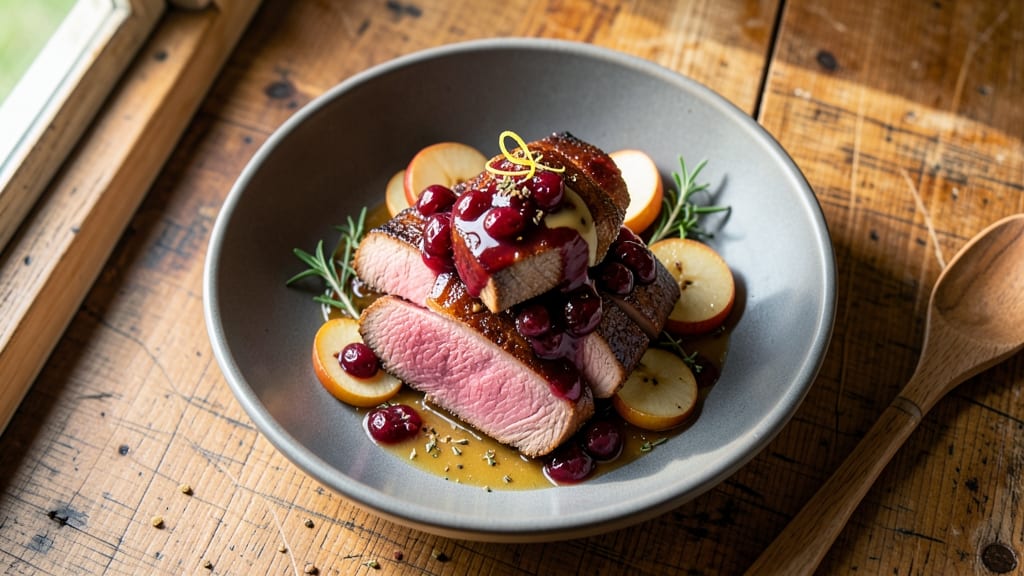
This cranberry apple pork tenderloin recipe delivers restaurant-quality results with a sweet-tart glaze that caramelizes edges into perfect crispness. After years of perfecting pork techniques in my Atlanta kitchen, I've cracked the code for balancing cranberry's tang with apple's sweetness—creating a glaze that transforms simple pork into an unforgettable centerpiece.
The secret lies in a slow reduction that develops deep, complex flavors while maintaining tender meat throughout.
What sets this recipe apart is the foolproof method that ensures crispy edges without drying out the center—a challenge I've faced countless times while cooking 2,000 pounds of pork weekly.
We start with a simple marinade of apple cider and spices, then build the glaze by reducing cranberry sauce with honey and apple juice until it reaches that perfect caramel stage.
This technique creates a sauce that's both sticky and balanced, clinging beautifully to the pork while adding a glossy finish.
The result is tender, juicy pork with edges caramelized to golden perfection, all coated in a glossy glaze that bursts with cranberry's tartness and apple's natural sweetness. Each bite delivers that perfect harmony of textures—crispy exterior giving way to melt-in-your-mouth pork, all wrapped in a sauce that's rich yet bright.
This dish elevates weeknight dinners to special occasion status without requiring hours in the kitchen.
Pair with roasted sweet potatoes or creamy mashed potatoes to complete the meal. The glaze works equally well as a sauce for pork chops or even as a glaze for roasted vegetables. Let's create this showstopper that'll have everyone asking for seconds—and the recipe to take home.
Ingredients for cranberry apple pork tenderloin
Restaurant-quality pork tenderloin with a caramelized sweet-tart glaze—just 14 ingredients for showstopping results.
| Ingredient | Amount | Notes |
|---|---|---|
| Pork Tenderloin 🥩 | 1 ½ lb | Center-cut, trimmed of silver skin |
| Unsalted Butter 🧈 | 2 tbsp | Cold, cut into small cubes |
| Apple Cider 🍎 | ½ cup | Unsweetened, for marinade |
| Fresh Cranberries 🍇 | 1 cup | Fresh or high-quality frozen |
| Honey 🍯 | ¼ cup | Wildflower preferred for depth |
| Apple Juice 🍏 | ½ cup | Unsweetened, for glaze reduction |
| Cranberry Sauce 🍒 | ½ cup | No-sugar-added preferred |
| Garlic Cloves 🧄 | 4 cloves | Minced, for marinade |
| Fresh Thyme Leaves 🌿 | ¼ cup | Chopped, or 1 tbsp dried |
| Ground Black Pepper 🌶️ | 1 tsp | Freshly cracked |
| Diamond Crystal Kosher Salt 🧂 | 1 ½ tsp | For seasoning and glaze |
| Granulated Sugar 🍚 | 1 tbsp | For glaze balance |
| Extra-Virgin Olive Oil 🫒 | 1 tbsp | For searing pork |
| Fresh Rosemary 🌿 | ⅛ cup | Chopped, for marinade |
The pork tenderloin is non-negotiable here—center-cut ensures tenderness, while trimming the silver skin guarantees a clean, crispy exterior. Whole Foods or your local butcher will have the best quality, but even the supermarket's pre-trimmed tenderloins work if you're in a pinch. Look for pieces with good marbling—they'll stay juicier during cooking. I always buy mine from Krogers when they're on sale, then freeze portions for future meals. The butter matters too—use European-style (like Plugra) for higher fat content, which helps create that perfect caramelized crust.
No fresh cranberries? High-quality frozen cranberries work just as well—just don't thaw them before using. The honey should be wildflower if you can find it; it adds subtle floral notes that complement the tartness. Short on apple cider? Unsweetened apple juice plus 1 tsp apple cider vinegar mimics the depth. The thyme and rosemary can be swapped for sage if that's what you've got, but I find thyme's lemony brightness pairs best with cranberry. For the glaze, if you're using store-bought cranberry sauce, check the label—some brands sneak in added sugar, which can make the final glaze too sweet.
This glaze develops best when made ahead—prepare it the night before and let it reduce overnight in the fridge for concentrated flavor. The pork keeps 3 days in the fridge before cooking, but the glaze components (once mixed) stay fresh for 5 days in an airtight container. For make-ahead meals, I like to marinate the pork overnight and assemble the glaze components separately, then combine just before roasting. The finished dish reheats beautifully—cover with foil and warm in a 300°F oven for 10 minutes to keep the glaze glossy.
Why You'll Love This Recipe
- One-Pan Magic: I swear by this trick—just toss everything on a sheet pan, roast, and walk away. The pork caramelizes while the cranberries burst, and the apple cider reduces into a glossy glaze. No pots, no pans, no stress.
- Sweet-Savory Balance: That first bite? Honey-kissed pork with tart cranberries and buttery richness—it’s like autumn in a bite. The apple cider glaze ties it all together, making it taste like a restaurant dish without the fuss.
- Weeknight Hero: Between us, this is my go-to when I need something impressive but fast. Serve it with mashed potatoes or crusty bread, and suddenly dinner feels special—even on a Tuesday night. (Yes, even with takeout boxes still sitting in the fridge.)
- Leftovers That Shine: The pork stays juicy for days, and the sauce? Even better reheated. I’ll pack it for lunches or freeze portions—because nothing beats coming home to a meal that tastes like it was made fresh. Budget-friendly too—pork tenderloin stretches far.
Step-by-step instructions for sweet-tart glazed pork tenderloin
This method delivers melt-in-your-mouth pork with a caramelized glaze that balances sweet and tart perfectly.
Create the Herb-Marinade and Prep the Pork
In a bowl, whisk together the 0.5 cup apple cider, 0.25 cup honey, 0.125 cup fresh rosemary, 0.25 cup fresh thyme leaves, 4 cloves minced garlic, 1.5 tsp kosher salt, and 1 tsp black pepper. This aromatic blend will tenderize the pork and infuse it with herbal depth. Place the 1.5 lb pork tenderloin in a resealable bag and pour the marinade over it, massaging gently to coat all sides. Let it marinate in the refrigerator for at least 4 hours—this ensures maximum tenderness and flavor penetration.
While marinating, trim any excess fat from the pork and pat it completely dry with paper towels. This step is crucial for achieving that perfect caramelized crust later. I like to use a sharp boning knife to make a few shallow slits in the surface—about ¼ inch deep—which helps the marinade and glaze absorb deeper into the meat.
Sear the Pork for Maximum Flavor
Heat a large oven-safe skillet over medium-high heat until it's screaming hot. Add the 1 tbsp extra-virgin olive oil and swirl to coat the bottom evenly. Once the oil shimmers, add the pork tenderloin, removing it from the marinade (reserve the marinade for later). Sear the pork for 3-4 minutes per side until it develops a deep golden-brown crust—this is your flavor foundation.
Don't rush this step. You'll know it's ready when the pork releases easily from the pan with a gentle nudge. Transfer the seared pork to a plate and tent loosely with foil to keep it warm. The residual heat will continue cooking the meat slightly as you prepare the glaze.
Build the Signature Cranberry-Apple Glaze
Pour the reserved marinade into the same skillet and bring it to a gentle simmer over medium heat. Add the 1 cup fresh cranberries and 0.5 cup cranberry sauce, stirring occasionally for 5 minutes until the cranberries begin to burst and the mixture thickens slightly. This step develops the glaze's signature tart-sweet balance.
Next, whisk in the 0.5 cup apple juice and 1 tbsp granulated sugar, then reduce the heat to low. Let the glaze simmer for 8-10 minutes until it reduces by about half and becomes syrupy. The perfect consistency should coat the back of a spoon with a glossy sheen—this ensures it'll cling beautifully to the pork and caramelize perfectly.
Roast to Juicy Perfection
Return the seared pork to the skillet with the glaze, spooning it generously over the top. Transfer the skillet to a 400°F preheated oven and roast for 15-20 minutes, or until the internal temperature reaches 145°F when measured with an instant-read thermometer. The glaze will bubble and caramelize beautifully during this time, creating those coveted crispy edges.
For the final touch, broil the pork for 2-3 minutes until the glaze turns a deep amber color and bubbles vigorously. Watch it closely—broiling creates that perfect caramelized crust while keeping the pork moist inside. Remove from the oven and let it rest for 5 minutes before slicing. This resting period ensures the juices redistribute, giving you perfectly tender pork with every bite.
Serve with Glazed Elegance
Slice the pork tenderloin into ½-inch thick medallions and arrange on a warm serving platter. Drizzle any remaining pan juices and glaze over the top, creating an elegant presentation. The contrast of the tender, juicy pork with the sweet-tart glaze is what makes this dish truly special.
Pair with your favorite sides like roasted sweet potatoes or a fresh arugula salad. The glaze works beautifully as a dipping sauce too—just warm a bit of the reserved pan sauce and serve alongside. Each bite delivers perfect balance: the richness of the pork, the herbal notes from the marinade, and the bright acidity of the cranberry glaze.
Pro Tips For Making Cranberry Apple Pork Tenderloin
- SEAR FIRST, BASTE LATER: Start the pork in a screaming-hot pan with butter until it hits 145°F—just before it’s fully done. Then finish it in the oven with the cranberry-apple sauce to keep it juicy. I used to cook it all in the oven, and the outside always dried out by the time the center hit temp.
- TRIM CRANBERRIES FAST: Cut the cranberries in half before adding them to the sauce—this cuts cooking time by half and prevents them from turning into mush. I learned this the hard way after serving a batch where the cranberries had dissolved into the cider.
- DON’T SKIP THE CIDER REDUCTION: Let the apple cider simmer uncovered for 3-4 minutes until it’s slightly syrupy—this concentrates the flavor and balances the sweetness of the honey. I used to just toss in the raw cider, and the sauce always tasted thin and one-note.
- USE COLD BUTTER FOR CRUST: Cut the unsalted butter into small cubes and let it sit on the pork while it rests—this melts into a golden crust when you sear it later. Sounds weird, but it works: the pork stays moist, and the sauce clings better. (Yes, even if you’re impatient like me.)
Wine and beer pairings for cranberry apple pork tenderloin
Red Wine Harmony
The bold, caramelized edges of this pork tenderloin pair beautifully with a Cabernet Sauvignon from the Napa Valley. I love the 2019 Cakebread—its dark fruit notes and subtle oak complement the cranberry's tartness while standing up to the pork's richness.
The medium tannins cut through the glaze's sweetness, creating a perfect balance on your palate. 🍷
Crisp White Contrast
For a lighter option, try a dry Riesling from Germany's Mosel region, like Dr. Loosen Blue Slate. The wine's bright acidity and mineral notes mirror the cranberry's tartness while refreshing your palate between bites.
The slight sweetness in the glaze actually enhances the Riesling's complexity, making each sip feel like a flavor revelation.
Malbec Magic
If you prefer reds with a softer touch, an Argentinian Malbec like Catena Zapata delivers deep plum and blackberry flavors that echo the cranberry's depth. The wine's velvety texture contrasts beautifully with the pork's crispy exterior, while its moderate alcohol content (around 14%) won't overpower the dish's delicate balance.
Beer Pairings
For beer lovers, a Belgian Dubbel like Westvleteren 8 offers a malty sweetness that complements the glaze's caramelized notes. The beer's spiced complexity—think vanilla, caramel, and subtle oak—enhances the pork's herbal marinade. Serve slightly chilled to let the beer's depth shine alongside the dish's rich flavors.
Seasonal Adaptations
In summer, I often switch to a Sauvignon Blanc from New Zealand, like Cloudy Bay. Its citrusy brightness cuts through the glaze's sweetness, while the herbal notes in the pork marinade find their match in the wine's grassy character.
For winter gatherings, a Port-style Ruby Port adds a luxurious touch—its dried fruit flavors mirror the cranberry's depth while warming the palate.
Pro Tip: Temperature Matters
Serve red wines at 60-65°F and whites at 45-50°F for optimal flavor. I use my Le Creuset wine cooler to chill bottles precisely—never the fridge, as it can make whites too cold and dull.
For beer, serve at 50-55°F to preserve its delicate carbonation and flavor balance. The right temperature lets each beverage complement the dish without competing for attention. ✨
Nutrition facts
Frequently asked questions
Can I use frozen cranberries instead of fresh?
Yes! Frozen cranberries work perfectly—just don't thaw them first. The frozen berries will burst beautifully during the glaze reduction, creating that same tart-sweet balance. I've used frozen cranberries in this recipe countless times when fresh weren't available, and the texture difference is minimal. Just measure by volume (1 cup frozen = 1 cup fresh) and add them directly to the simmering glaze mixture.
How do I keep the pork tenderloin from drying out?
The key is proper prep and cooking technique. Always pat the pork completely dry before searing, and never overcook it—use a meat thermometer to check for 145°F internal temperature. The marinade helps retain moisture, and the glaze acts as a protective seal during roasting. For extra insurance, I recommend brining the pork for 30 minutes in a solution of 1 cup water + 1 tbsp kosher salt before marinating.
Can I make this ahead of time?
This dish actually tastes better when made ahead. Prepare the glaze components (everything except the pork) up to 2 days in advance and store in the fridge. Marinate the pork for 4-24 hours before cooking. For the best results, sear the pork and complete the glaze reduction just before roasting—this ensures the glaze caramelizes perfectly when broiled. The finished dish keeps well for 3 days in the fridge.
What's the best way to reheat leftovers?
To maintain that perfect glaze texture, cover the pork loosely with foil and warm in a 300°F oven for 10-15 minutes. Avoid microwaving—it makes the glaze rubbery. For a quick fix, I like to slice the pork and reheat the pieces in a skillet with a splash of apple cider until warmed through. The glaze will become slightly runnier but still delicious when served over rice or mashed potatoes.
Can I substitute chicken or turkey for pork?
While the technique works for chicken, the flavor profile changes significantly. Pork's natural richness and fat content create that perfect balance with the sweet-tart glaze. For chicken, reduce the honey by half and increase the apple cider to ¾ cup to prevent overpowering sweetness. Turkey would need even more adjustment—consider using a different glaze recipe designed specifically for leaner meats. The pork's tenderness and mild flavor make it ideal for this particular combination.