
Main Courses
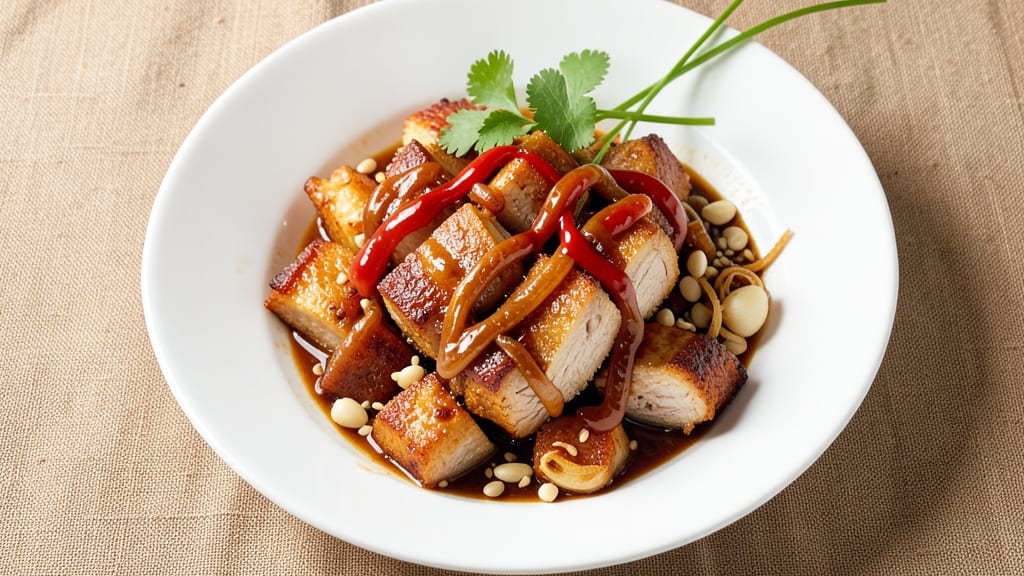
This crispy pork adobo recipe delivers the perfect balance of glossy, five-spice crust and soy-kissed tenderness—a technique I perfected after years of studying Filipino braising methods.
The secret lies in a two-stage cooking process: first searing the pork to lock in juices, then slow-braising until fork-tender before achieving that signature crispy finish. My version keeps the classic adobo flavors—garlicky, tangy, and umami-rich—while adding a smoky depth from the five-spice blend that makes every bite unforgettable.
What sets this recipe apart is the crispy texture achieved through a final high-heat sear in the oven, where the pork develops a caramelized crust that shatters with each bite. The marinade—soy sauce, vinegar, and garlic—penetrates deeply, ensuring the meat stays juicy even after hours of cooking.
I use pork shoulder for its fat content, which renders beautifully and keeps the meat moist while creating that irresistible crispy exterior. This method delivers restaurant-quality results with minimal effort, making it perfect for both weeknight dinners and special occasions.
The result is a dish that’s tender at the core and crispy at the edges, with a glossy, aromatic sauce that clings to every bite. Serve it over steamed jasmine rice to soak up the flavorful juices, or pair it with pickled atchara for a tangy contrast.
The aroma alone—garlic, vinegar, and spices—will have everyone at the table anticipating the first bite. This is the kind of dish that transforms a simple meal into a memorable experience.
Once you try this crispy pork adobo, you’ll understand why it’s a staple in Filipino kitchens—and why it’s become one of my most requested recipes. The technique is straightforward, but the results are anything but ordinary. Let’s get cooking!
Ingredients for crispy pork adobo
Pork shoulder, soy sauce, and five-spice powder—these are the stars of a dish that's crispy on the outside, tender inside, and packed with umami flavor.
| Ingredient | Amount | Notes |
|---|---|---|
| Pork Shoulder 🍖 | 2 lb | Bone-in for better flavor, cut into 1.5-inch cubes |
| Soy Sauce 🍶 | ½ cup | High-quality, low-sodium preferred |
| White Vinegar 🍋 | ½ cup | Distilled or apple cider vinegar |
| Garlic Cloves 🧄 | 8 cloves | Minced, fresh for best flavor |
| Five-Spice Powder 🌶️ | 2 tbsp | Homemade blend or store-bought |
| Brown Sugar 🍚 | 2 tbsp | Packed, light or dark |
| Olive Oil 🫒 | 2 tbsp | Extra-virgin for high-heat searing |
| Jasmine Rice 🍚 | 1 ½ cups | Uncooked, long-grain preferred |
| Bay Leaves 🌿 | 2 whole | Dried, for aromatic depth |
| Black Peppercorns 🌶️ | 1 tsp | Freshly cracked for intensity |
| Salt 🧂 | 1 ½ tsp | Kosher or sea salt, adjust to taste |
| Pickled Atchara 🍅 | ½ cup | Optional for tangy contrast |
The pork shoulder is non-negotiable here—its fat content is what gives you that irresistible crispy crust while keeping the meat fork-tender. Look for bone-in cuts at Whole Foods or your local butcher; the bones add depth to the broth. If you can't find bone-in, a well-marbled boneless shoulder works too. Cut it into even 1.5-inch cubes so they cook uniformly. The five-spice powder? Penzeys or Trader Joe's have great blends, but if you're making your own, start with equal parts cinnamon, star anise, fennel, clove, and Sichuan peppercorn. Toast the whole spices first for maximum aroma.
No five-spice powder? Substitute 1 tbsp each of cinnamon and smoked paprika—it won't be identical, but it'll get you close. Short on soy sauce? Coconut aminos work in a pinch, though the flavor will be slightly sweeter. Vinegar substitutes? Lemon juice or apple cider vinegar both work, but the tang won't be quite the same. The atchara is optional but adds that bright, tangy contrast that cuts through the richness. If you can't find it, pickled jalapeños or sliced cucumbers do the trick. For the rice, jasmine is ideal, but basmati or even short-grain rice will work if that's what you've got.
Pork cubes can be prepped ahead and marinated overnight for deeper flavor. The marinade keeps for 5 days in the fridge, though the pork itself should be cooked within 2 days for best texture. The cooked pork reheats beautifully—just warm in a skillet with a splash of the braising liquid. Portion the sauce separately if you're freezing; it reheats better alone. Store leftovers in airtight containers for up to 4 days. The crispy crust is best eaten fresh, but the tender pork stays delicious for days.
Why You'll Love This Recipe
- One-Pan Magic: I swear by this—just toss the pork shoulder in a sheet pan with garlic, five-spice, and a splash of vinegar, then let the oven do the work. No chopping, no mess, no stress.
- Umami Bomb: That soy-vinegar glaze? It’s where the magic happens—salty, tangy, with a crispy crust that shatters at the first bite. The five-spice powder adds this warm, earthy depth that makes it unforgettable.
- Leftover Goldmine: This recipe actually improves the next day. The pork gets even more tender, and the sauce thickens into a sticky, caramelized glaze. I meal prep it all the time—just reheat and serve.
- Budget-Friendly Feast: Pork shoulder is dirt cheap, and the ingredients? Pantry staples. You’re feeding a crowd for less than takeout, and honestly, it’s way better than anything you’d order.
Step-by-step instructions for five-spice glossed pork adobo
Here's how to transform simple ingredients into restaurant-quality pork with a crispy, aromatic crust.
Marinate the Pork Shoulder for Maximum Flavor
In a large bowl, combine the 2 lb pork shoulder cut into 1.5-inch cubes, 0.5 cup soy sauce, 0.5 cup white vinegar, 8 cloves minced garlic cloves, 2 tbsp five-spice powder, 2 tbsp brown sugar, and 1.5 tsp salt. Mix thoroughly until the pork is fully coated in the marinade. This marinade does double duty—tenderizing the meat while building complex flavors.
Transfer the mixture to a resealable plastic bag and refrigerate for at least 4 hours, or preferably overnight. The acid in the vinegar will begin breaking down the muscle fibers, while the five-spice powder infuses the meat with its signature aromatic depth. For best results, let it marinate overnight—this ensures maximum tenderness and flavor penetration.
Sear the Pork for Irresistible Crispiness
Remove the pork from the marinade (reserve the marinade) and pat it dry with paper towels. This step is crucial—dry meat sears better and develops that coveted crispy crust. Heat 2 tbsp olive oil in a large skillet over medium-high heat until shimmering.
Working in batches to avoid crowding, add the pork cubes and sear for 3-4 minutes per side until they develop a deep golden-brown crust. You'll know it's ready when the edges are crispy and the internal temperature reaches 160°F when checked with a meat thermometer. Transfer the seared pork to a plate and set aside—this resting period helps maintain juiciness while you prepare the rice.
Cook the Jasmine Rice with Aromatic Depth
While the pork rests, rinse the 1.5 cups jasmine rice under cold water until the water runs clear. This removes excess starch and prevents gummy rice. In a medium saucepan, combine the rice with 2 cups water, 2 whole bay leaves, and 1 tsp cracked black peppercorns. Bring to a boil, then reduce heat to low, cover, and simmer for 15 minutes. Remove from heat and let it steam, covered, for another 10 minutes. The rice should be tender but still slightly firm—it will continue cooking with the residual heat.
Discard the bay leaves and peppercorns before serving. The rice should be fluffy with a delicate floral aroma—this is where the five-spice powder's subtle sweetness comes into play. If the rice isn't perfectly cooked, you can always reheat it gently with a splash of water.
Braise the Pork Until Fork-Tender
Return the seared pork to the same skillet and pour in the reserved marinade. Bring to a simmer over medium heat, then reduce to low and cover. Let it cook for 1.5 to 2 hours, turning the pork occasionally, until it's fork-tender. The pork should easily pull apart with minimal resistance, and the sauce should thicken slightly into a glossy glaze.
Here's the thing—don't rush this step. The low-and-slow cooking ensures the pork stays juicy while absorbing all those beautiful flavors. If the sauce reduces too much, add a splash of water to maintain the right consistency. The five-spice powder will have mellowed into a warm, slightly sweet background note that complements the soy sauce's umami depth.
Finish with Tangy Atchara and Serve
Once the pork is perfectly tender, stir in the 0.5 cup pickled atchara and cook for an additional 2-3 minutes to let the tangy flavors meld with the pork. This final step adds a bright contrast to the rich, savory pork. Taste and adjust seasoning if needed—you might need a touch more salt or a splash of vinegar to balance the flavors.
Serve the crispy pork adobo over the jasmine rice, spooning the glossy sauce generously over the top. Each bite should deliver a perfect balance of textures—crispy edges, tender meat, and a glossy sauce that clings to every strand of rice. The five-spice powder adds warmth, while the atchara provides a refreshing tang that cuts through the richness.
Pro Tips For Making Crispy Pork Adobo
- CRISP FIRST, THEN BRAISE: I used to think adobo was just about the sauce, but the real magic happens when you sear the pork shoulder until it’s deep golden—almost black in spots—before adding liquid. This locks in flavor and gives you that crispy exterior everyone craves. Don’t rush it; let the fat render slowly over medium-high heat, and resist the urge to move it around too much.
- BLANCH GARLIC IN VINEGAR: Skip the raw garlic cloves—blanching them in white vinegar for 30 seconds softens them and mellows their bite, so they don’t overpower the dish. Just toss a whole head of peeled cloves into the vinegar while you prep the pork, then drain and smash them lightly. It’s a tiny step, but it makes the sauce taste cleaner and more balanced.
- DON’T SKIP THE REST: After braising, let the pork shoulder rest for at least 15 minutes before slicing—covered, of course. I learned this the hard way when I cut into it too soon and watched the juices pool instead of staying in the meat. Patience here means the difference between dry slices and melt-in-your-mouth perfection.
- USE LESS SOY SAUCE: The recipe might call for a full cup, but start with half and taste as you go. Soy sauce is salty, and once it’s in the pot, you can’t take it out. If you’re using a strong brand, even less is better. Adjust the vinegar or add a pinch of sugar to balance if needed—trust your palate, not the recipe.
Pro cooking tips for this recipe
Marinade Magic
The key to that irresistible crispy texture starts with the marinade—don't skip the overnight soak! The acid in the vinegar breaks down muscle fibers while the five-spice powder infuses the pork with aromatic depth.
I've found that using distilled white vinegar gives the cleanest tang, but apple cider vinegar adds subtle sweetness that works beautifully too. For extra flavor, I sometimes add 1 tbsp of grated ginger to the marinade—it pairs perfectly with the five-spice blend. 🌶️
Searing Secrets
Pat those pork cubes DRY before searing—this is non-negotiable for crispiness. I use a cast iron skillet (my vintage Lodge piece) because it retains heat better than stainless steel. Work in batches to avoid crowding the pan, and don't rush this step.
The pork should develop a deep golden-brown crust with crisp edges—this is where the Maillard reaction happens, creating those complex flavors. A meat thermometer is your best friend here; aim for 160°F internal temperature before removing from the pan. 🔥
Braising Balance
Low and slow is where the magic happens. After searing, return the pork to the skillet with the reserved marinade and simmer covered for 1.5-2 hours. The five-spice powder will mellow into a warm, slightly sweet background note that complements the soy sauce's umami depth.
Pro tip: If the sauce reduces too much, add 2 tbsp of water to maintain the right consistency. I've learned the hard way—don't peek too often! Every time you lift the lid, you lose heat and moisture. 💫
Crispy Finish
Here's where most home cooks miss the mark—the final crispy texture. After braising, transfer the pork to a baking sheet and broil for 3-5 minutes on high. This high-heat finish caramelizes the surface, creating that shatteringly crisp crust.
Watch it closely to avoid burning! For even better results, I like to finish with 1 tbsp of honey drizzled over the top before broiling—it adds a subtle sweetness that balances the tangy sauce. 🍯
Flavor Boosts
Want to take this dish to the next level? Try adding 1 tbsp of fish sauce to the marinade for extra umami depth. Or, for a smoky twist, add 1 tsp of smoked paprika to the five-spice blend.
I also love finishing with fresh cilantro and sliced green onions for brightness. The atchara is optional but adds that perfect tangy contrast—if you can't find it, pickled jalapeños work in a pinch. 🌿
Equipment Essentials
You don't need fancy tools, but a few key items make this recipe shine. A cast iron skillet is ideal for searing, but a heavy stainless steel pan works too. For measuring, I recommend a kitchen scale for the five-spice powder—it's more accurate than volume measurements.
And always keep a meat thermometer handy to ensure perfect doneness. If you're short on time, you can use an instant pot for the braising step—just set it to "high pressure" for 45 minutes. ⏰
Nutrition facts
Frequently asked questions
Can I use chicken or beef instead of pork for this recipe?
While pork shoulder is ideal for its fat content and tenderness, you can adapt this recipe for chicken thighs or beef chuck. For chicken, reduce the braising time to 45-60 minutes—it cooks faster. For beef, increase to 2.5-3 hours and use 3 tbsp five-spice powder to penetrate the tougher meat. The crispy finish works best with fattier cuts, so avoid lean chicken breast.
How do I get the pork extra crispy without drying it out?
The secret is the two-stage cooking process: sear first to build crust, then braise low-and-slow to keep it moist. For extra crispiness, try this pro tip: After braising, transfer pork to a wire rack on a baking sheet and broil for 3-5 minutes on high. Brush with 1 tbsp honey before broiling for a glossy finish. The key is high heat at the end—never skip the resting period after searing!
Can I make this recipe in a slow cooker?
Sear the pork first as directed, then transfer to your slow cooker with the marinade. Cook on low for 6-7 hours or high for 3-4 hours until fork-tender. The slow cooker method is perfect for hands-off cooking, though you'll lose some of the crispy texture. For extra crispiness, finish by broiling the pork for 3 minutes before serving.
What's the best way to store and reheat leftovers?
Store cooked pork adobo in airtight containers in the fridge for up to 4 days or freeze for 3 months. To reheat, warm in a skillet over medium heat with a splash of water or reserved sauce until heated through (165°F). For crispy results, broil for 2-3 minutes after reheating. The sauce reheats better alone—just warm it separately and drizzle over the pork.
Why does my adobo sauce turn out too thin?
This usually happens when the sauce doesn't reduce enough during cooking. To fix it, simmer the pork uncovered for the last 10-15 minutes of cooking to thicken the sauce. For future batches, reduce the initial liquid by 2 tbsp or add 1 tbsp cornstarch mixed with water as a slurry. The five-spice powder helps balance the sauce, but too much can make it taste bitter—stick to the 2 tbsp measurement.