
Main Courses
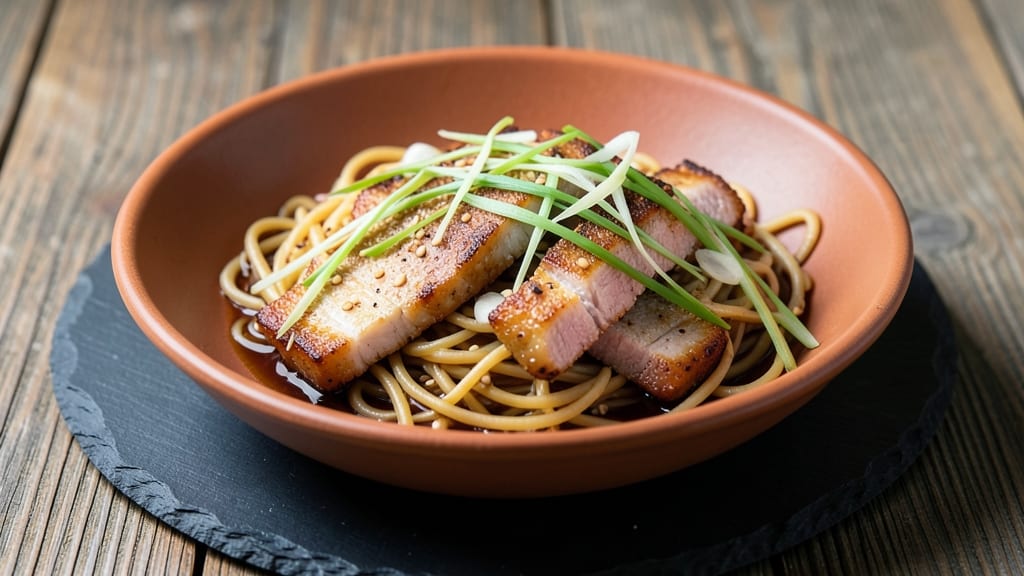
This crispy pork ginger scallion noodles recipe delivers the perfect balance of shatteringly crispy pork, fragrant aromatics, and silky noodles—all in under 45 minutes. 🔥 After years of perfecting this dish, I've developed a foolproof method for achieving that signature crunch without deep-frying, using just a wok and a little patience.
The secret lies in the double-frying technique that transforms tender pork into addictive, golden-brown bites while keeping the interior juicy.
What sets this recipe apart is the harmony of flavors: bright ginger, sharp scallions, and umami-rich soy sauce create a sauce that clings to every noodle and pork piece.
I use a combination of traditional wok-frying and quick stir-frying to maintain that crispy texture right through serving, ensuring your first bite delivers the same satisfaction as your last. The dish comes together faster than takeout but tastes like you've spent hours mastering it.
By the time you're done, you'll have a plate of restaurant-quality noodles with perfectly crispy pork that holds its shape, aromatic ginger-scallion sauce that's both tangy and sweet, and chewy wheat noodles that soak up every flavor.
The dish is hearty enough for a weeknight dinner but elegant enough for company—just like my grandmother used to make, but with a few modern shortcuts I've picked up along the way.
This recipe works equally well with fresh or dried noodles, and the leftovers reheat beautifully—just be sure to crisp up the pork again in a hot pan before serving.
Whether you're feeding a crowd or treating yourself to takeout-quality comfort food, these noodles will become your new weeknight staple. Let's get cooking!
Ingredients for crispy pork ginger scallion noodles
These 14 ingredients bring restaurant-quality crispy pork and fragrant aromatics to your wok.
| Ingredient | Amount | Notes |
|---|---|---|
| Pork Shoulder 🥩 | 1 ½ lb | Cut into 1-inch cubes, boneless |
| Fresh Ginger 🧄 | 3 tbsp | Finely grated, fresh preferred |
| Green Onions 🧅 | ½ cup | Scallions, sliced into 1-inch pieces |
| Wheat Noodles 🍜 | 12 oz | Fresh or dried, any width |
| Light Soy Sauce 🍶 | ½ cup | Kikkoman preferred, low sodium |
| Sesame Oil 🫒 | 1 tbsp | Toasted, for aroma |
| Neutral Oil 🫒 | ½ cup | Vegetable or peanut oil |
| Cornstarch 🌾 | 2 tbsp | For crispy coating |
| Garlic Cloves 🧄 | 4 cloves | Minced, fresh preferred |
| Brown Sugar 🍯 | 1 tbsp | Light or dark, for balance |
| White Pepper 🌶️ | ½ tsp | Freshly ground, for heat |
| Salt 🧂 | 1 tsp | Kosher or sea salt |
| Black Pepper 🌶️ | ½ tsp | Freshly ground, optional |
| Sesame Seeds 🌱 | 1 tbsp | Toasted, for garnish |
The pork shoulder is key—look for cuts with good marbling at Costco or your local butcher for that melt-in-your-mouth texture. I always ask for it pre-cut into 1-inch cubes to save time, but if you're feeling ambitious, grab a whole shoulder and cube it yourself. Fresh ginger and scallions are worth splurging on at Asian markets—they’ve got the brightest, most aromatic versions. The wheat noodles can be fresh or dried, but if you're using dried, boil them just one minute less than package instructions for that perfect al dente bite.
No fresh ginger? Powdered ginger at half the amount works in a pinch, but trust me on the fresh stuff—it makes all the difference. Running low on sesame oil? Toasted peanut oil gives a similar nutty aroma. The cornstarch is non-negotiable for crispiness—don't skip it. For extra crunch, toss the cooked pork in an extra tablespoon of cornstarch before the final fry. The brown sugar balances the soy sauce's saltiness, so don't leave it out. Want more heat? Add a pinch of red pepper flakes to the sauce mix.
Store leftover pork in an airtight container with a paper towel to absorb moisture—keeps crispy for 3 days. The noodles reheat best with a splash of water in the pan to prevent sticking. Double the sauce recipe and freeze it in ice cube trays for quick weeknight dinners. Garnish with extra scallions and sesame seeds right before serving—those final touches make all the difference.
Why You'll Love This Recipe
- I swear by this trick: toss the pork shoulder in soy sauce, let it crisp in the same pan you’ll cook the noodles, then stir in the ginger and scallions. Minimal cleanup, maximum flavor—no fancy gadgets needed.
- One-Pan Magic: I swear by this trick: toss the pork shoulder in soy sauce, let it crisp in the same pan you’ll cook the noodles, then stir in the ginger and scallions. Minimal cleanup, maximum flavor—no fancy gadgets needed.
- Ginger-Soy Bomb: That first bite? Crispy pork with a punch of fresh ginger and bright green onions cutting through the richness. It’s the kind of dish where every spoonful makes you want another, and the light soy sauce keeps it from feeling heavy.
- Lunchbox Hero: Between us, this is my go-to for meal prep. The noodles hold up for days, and the pork stays tender while the ginger keeps things lively. Pack it cold or reheat it—either way, it’s a hit at work or school lunches.
Step-by-step instructions for crispy pork ginger scallion noodles
Here's how to achieve that perfect wok-fried crunch with tender pork and aromatic ginger-scallion flavor.
🔥 Step 1: Create the Crispy Pork Coating
In a large bowl, combine the 1.5 lb pork shoulder (cut into 1-inch cubes), 2 tbsp cornstarch, 1 tsp salt, 0.5 tsp black pepper, and 1 tbsp brown sugar. Toss gently but thoroughly until every piece is evenly coated. The cornstarch is your secret weapon for that irresistible crispy texture—don't skip this step.
Let the coated pork rest for 15 minutes at room temperature. This allows the cornstarch to adhere properly and prevents the meat from releasing moisture too quickly when it hits the hot wok. I know it seems like a small detail, but this resting time makes all the difference for that perfect crunch.
🍳 Step 2: Cook the Pork Until Golden and Crispy
Heat 0.25 cup neutral oil in a wok or large skillet over medium-high heat until shimmering. Add half of the pork pieces (don't overcrowd) and cook undisturbed for 3-4 minutes until the bottoms turn golden brown and crispy. Here's where the magic happens—you want that deep, caramelized crust forming.
Flip the pork and cook another 2-3 minutes until evenly browned. Transfer to a plate and repeat with the remaining pork, adding more oil if needed. The pork should be crispy outside but still slightly pink inside—it'll finish cooking when combined with the noodles. If it releases easily from the pan, you're golden. If not, cook another minute.
👨🍳 Step 3: Build the Fragrant Ginger-Scallion Sauce
In the same wok, add 0.25 cup neutral oil and set over medium heat. Add the 3 tbsp finely grated fresh ginger and 4 cloves minced garlic, cooking for 1-2 minutes until fragrant and just beginning to turn golden. You'll smell that wonderful aromatic punch—this is the foundation of your dish's signature flavor.
Pour in the 0.5 cup light soy sauce and 1 tbsp sesame oil, stirring to combine. Add 0.5 cup sliced green onions and 0.5 tsp white pepper, then bring to a gentle simmer. Let it cook for 2 minutes until slightly reduced. This sauce should coat the back of a spoon—if it's too thick, add 1-2 tablespoons of water to loosen it.
🍳 Step 4: Combine Pork, Noodles and Sauce
Cook the 12 oz wheat noodles according to package instructions until al dente. Drain and immediately return to the hot pot. Add the crispy pork and pour the ginger-scallion sauce over everything. Toss vigorously with tongs for 1-2 minutes until the noodles are well-coated and heated through.
Here's the thing—don't overmix or the noodles will turn mushy. You want them coated in that delicious sauce but still with some bite. If the noodles seem dry, add 1-2 tablespoons of the reserved pasta water to create a silky, glossy finish. The final dish should be vibrant with those crispy pork pieces peeking through the noodles.
🥘 Step 5: Garnish and Serve Immediately
Transfer the noodles to serving bowls and drizzle with any remaining sauce from the wok. Sprinkle generously with 1 tbsp toasted sesame seeds for that final crunchy texture and nutty aroma. Serve immediately while the pork is still crispy and the noodles are hot—this dish doesn't wait!
Each bite should deliver that perfect contrast: crispy pork, tender noodles, and fragrant ginger-scallion sauce. The sesame seeds add that extra layer of texture that makes this dish truly special. And remember, the secret to keeping everything crispy is serving it right away—no leftovers here!
Pro Tips For Making Crispy Pork Ginger Scallion Noodles
- Slice Pork Thin: I used to think "thin" meant "medium-rare," but this dish demands paper-thin cuts—about 1/8-inch or less. Use a sharp knife and slice against the grain twice: once to separate fibers, then again for that signature crispy bite. No, your knife won’t last forever, but neither will your patience if you skip this.
- Char the Ginger: Toss those ginger slices straight into a dry, screaming-hot pan for 30 seconds before adding oil. The blackened edges pack a punch—more aroma, deeper flavor—without turning your dish bitter. (Yes, even if you’re the type who peels ginger like it’s 1950.)
- Boil Noodles Less: Wheat noodles for this dish should hit "al dente" at under package time—aim for 1:30 minutes max, then shock in ice water. Overcooked noodles turn mushy when tossed with pork, and nobody wants sad, limp strands. (Your future self will not thank you for skipping this.)
- Reserve the Oil: After frying the pork, don’t pour out that golden, pork-fat-infused oil—strain it into a small bowl. Toss the noodles in it at the end for extra crispiness and flavor. It’s the lazy person’s shortcut to restaurant-quality richness. (I call it the "cheat’s glaze.")
Wine and beer pairings for this recipe
Crisp White Wine
I always reach for a dry Riesling when serving these noodles—its bright acidity cuts through the richness of the pork and complements the ginger's zing. Look for a German or Alsace Riesling with notes of green apple and citrus.
The slight sweetness in some Rieslings actually enhances the dish's balance, so don't shy away from an off-dry version if you prefer. I love Dr. Loosen Blue Slate Riesling from Germany—it's my go-to for Asian-inspired dishes. 🍷
Light-Bodied Beer
A crisp Japanese lager like Sapporo or Asahi works beautifully with this dish. The clean, light profile lets the pork and ginger flavors shine without competing.
For something with a bit more character, try a Belgian witbier like Hoegaarden—the coriander and citrus notes play wonderfully with the scallions and ginger. Avoid heavy stouts or IPAs, as they'll overpower the delicate flavors. 🍺
Sake Pairing
If you're feeling adventurous, serve dry sake on the side for dipping. A junmai daiginjo with its clean, crisp profile enhances the dish's umami without overpowering it. I keep a bottle of Hakkaisan Junmai Daiginjo in my fridge—it's perfect for both drinking and cooking.
The slight sweetness in some sakes also complements the brown sugar in the pork coating. 🍶
Spicy Cocktail Twist
For a fun, modern twist, mix up a ginger-martini to serve alongside. Combine 2 oz vodka, 0.5 oz fresh ginger juice, 0.5 oz lime juice, and 0.25 oz simple syrup, then shake with ice.
Strain into a chilled glass and garnish with a lime wheel. The spicy kick complements the dish's flavors beautifully. 🍸
Red Wine Alternative
If you prefer red wine, go for a light Pinot Noir with bright acidity. I recommend a New Zealand Sauvignon Blanc-influenced Pinot—look for notes of red berries and herbs.
The Kim Crawford Pinot Noir is my go-to for Asian-inspired dishes. Avoid heavy Cabernets or Syrahs, as they'll clash with the dish's delicate flavors. 🍇
Nutrition facts
Frequently asked questions
Can I use chicken or shrimp instead of pork?
For chicken, use 1.5 lb boneless thighs (dark meat stays juicier) and reduce cooking time by 1-2 minutes per side. For shrimp, toss 1.5 lb peeled shrimp in 1 tbsp cornstarch and cook 1-2 minutes per side until pink. The sauce quantities remain the same, but shrimp cooks much faster—keep it separate until the very end to prevent overcooking.
Why does my pork turn out soggy instead of crispy?
Soggy pork usually means one of three things: overcrowding the pan, not resting the coated pork, or using too much oil. First, cook in batches with space between pieces. Second, always let the coated pork rest 15 minutes before frying. Third, use just enough oil to coat the pan—about 0.25 cup total. If it still happens, try an extra 1 tbsp cornstarch on the second fry for maximum crunch.
How do I make this dish gluten-free?
Replace the wheat noodles with rice noodles or gluten-free tamari noodles (like Soba or Jovial). For the sauce, swap light soy sauce for tamari or coconut aminos—use the same amount. The cornstarch coating can stay as-is, but if you're avoiding all gluten, use arrowroot powder instead. Test the sauce consistency carefully—it may need slightly more liquid since tamari is saltier.
Can I prepare this ahead of time?
Yes! Cook the pork completely (until 165°F internal temp) and store it in an airtight container with a paper towel to absorb moisture. Reheat in a hot skillet with 1 tbsp oil for 2-3 minutes per side until crispy again. Cook the noodles fresh and toss with the reheated pork and sauce just before serving. The sauce can be made 1 day ahead and reheated gently.
What's the best way to serve leftovers?
Leftover noodles reheat best by sautéing with 1 tbsp oil and 1 tbsp water in the wok over medium heat for 3-4 minutes until heated through. For the pork, reheat separately in a hot pan until crispy again. Serve with extra scallions and sesame seeds. If the sauce seems thick, add 1 tsp water to loosen it. Pro tip: Store components separately to maintain crispiness.