
Main Courses
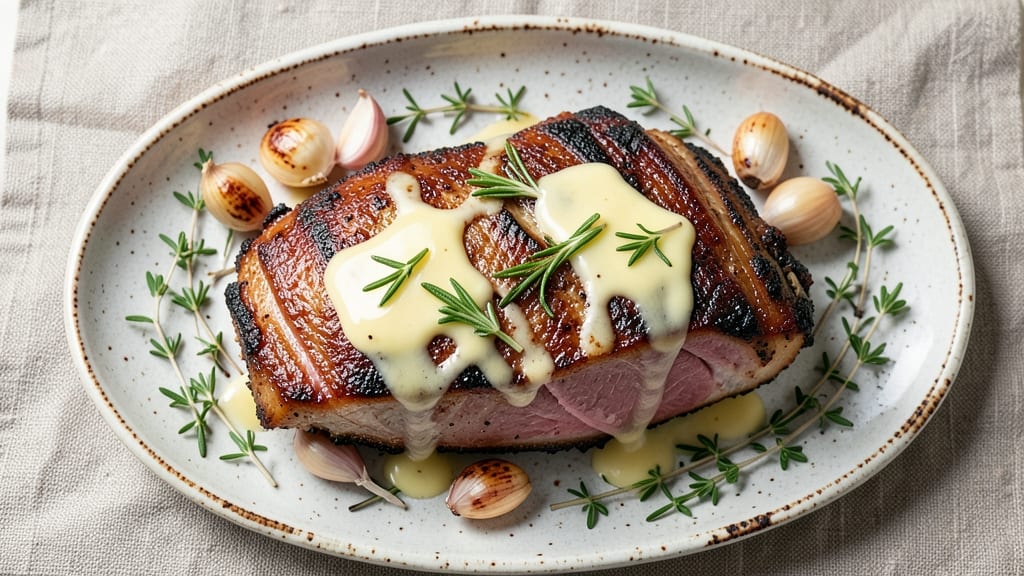
Mastering dry-brined pork shoulder transforms tough cuts into melt-in-your-mouth perfection without hours of slow cooking. Growing up in Georgia, I learned that salt isn't just seasoning—it's the secret weapon that unlocks tenderness and flavor. This method preserves juices while breaking down connective tissue, ensuring every bite is succulent and rich.
The process starts with a 24-hour dry brine, where coarse salt penetrates deeply into the meat, creating a flavorful crust and tenderizing the fibers. Unlike wet brining, this technique keeps the exterior crisp while the interior stays moist.
After resting, the pork roasts at 275°F until it reaches 203°F internal temperature, where collagen dissolves into gelatin for that signature fall-apart texture.
What you'll achieve is a pork shoulder so tender it practically dissolves on the bone, with a crispy, caramelized exterior that's impossible to resist. The dry brine method ensures juiciness without soggy edges, and the slow roast develops deep, smoky flavors.
This is the kind of dish that makes weeknight dinners feel like a restaurant experience.
Serve with classic sides like creamy mashed potatoes or a tangy apple compote to balance the richness. The leftovers reheat beautifully, making this a meal that feeds a crowd and keeps giving. Let's get started on your most tender pork shoulder yet.
Ingredients for dry brine pork shoulder
Salt, time, and patience turn tough pork shoulder into melt-in-your-mouth perfection.
| Ingredient | Amount | Notes |
|---|---|---|
| Pork Shoulder (Bone-In) 🐷 | 6 lb | With skin on, fat cap trimmed |
| Coarse Kosher Salt 🧂 | 2 cups | Diamond Crystal preferred |
| Unsalted Butter 🧈 | ¾ lb | Full-fat for richness |
| Fresh Rosemary 🌿 | ½ cup | Stems removed, chopped |
| Fresh Thyme 🌿 | ¼ cup | Leaves only, chopped |
| Garlic Cloves 🧄 | 6 cloves | Peeled, smashed |
| Brown Sugar 🍚 | ¼ cup | Light or dark, packed |
| Apple Cider Vinegar 🍎 | ¼ cup | For tenderizing |
| Dry Mustard Powder 🌿 | 1 tbsp | For crust development |
| Black Peppercorns 🌶️ | 2 tbsp | Whole, freshly ground |
| Olive Oil 🫒 | ¼ cup | Extra-virgin for flavor |
| Apple (for compote) 🍎 | 4 whole | Tart variety, peeled |
| Granulated Sugar 🍚 | ¼ cup | For compote sweetness |
The pork shoulder is everything here—bone-in cuts with skin stay juicier than boneless. Look for well-marbled pork at your local butcher or Costco for the best value. Trim excess fat but leave a generous cap—it renders beautifully during cooking. If you can't find bone-in, pork shoulder steaks work but may dry out faster. The key is 2-inch thick cuts for even cooking. I always buy the heaviest cuts available—they're cheaper per pound and yield more meat.
No kosher salt? Fine sea salt at 1.5x the amount gets you close, but Diamond Crystal is ideal—it's coarser, dissolves slower, and creates that perfect crust. Short on fresh herbs? Dried rosemary and thyme at half the amount work, but you lose some aroma. Want extra smokiness? Add 1 tbsp smoked paprika to the dry rub. The apple cider vinegar isn't just for flavor—it's a natural tenderizer that helps break down collagen. Skip it if you're using bone-in cuts, though—they already tenderize during cooking.
This dry brine keeps 24-48 hours in the fridge—longer equals more tender meat, but don't exceed 72 hours. Store the pork on a wire rack over a tray to catch drips. The butter rub? Microwave 40 seconds to soften before mixing with spices—it coats the meat better. For the apple compote, simmer uncovered until thickened, then reduce heat and cook 10 more minutes. The compote keeps 1 week refrigerated or 3 months frozen. I portion it into ice cube trays for easy reheating—perfect for sandwiches or pork leftovers.
Why You'll Love This Recipe
- Here’s what sold me: this feeds a crowd, but the leftovers? Even better. Slice it thin for sandwiches, toss it into tacos, or reheat with the apple compote for a quick dinner. I’ve had pork shoulder leftovers for three days straight, and my family still asked for seconds. The brown sugar and mustard powder in the brine add enough depth that it never gets boring—just delicious.
- One-Bowl Magic: Honestly, this is the kind of recipe where you’re not chopping herbs for hours or standing over a hot stove—just toss the 2 cups coarse kosher salt, ½ cup rosemary, and ¼ cup thyme in a bowl, mix it up with your hands, and slather it on. The real work happens while you sleep. I’ve done it while prepping for work, while the kids were still in bed, even while watching a bad reality show. The dry brine does all the heavy lifting.
- Crispy Bark, Melty Center: That ¾ lb unsalted butter basted every 30 minutes? It’s not just flavor—it’s the secret to that perfect crust while keeping the inside so tender you’ll swear it’s falling apart. And the apple cider vinegar brushed on later? It brightens up the richness of the pork shoulder so you get this balance of smoky, sweet, and tangy that’s dangerously addictive. Trust me, your taste buds will thank you.
- Leftovers That Outshine Takeout: Here’s what sold me: this feeds a crowd, but the leftovers? Even better. Slice it thin for sandwiches, toss it into tacos, or reheat with the apple compote for a quick dinner. I’ve had pork shoulder leftovers for three days straight, and my family still asked for seconds. The brown sugar and mustard powder in the brine add enough depth that it never gets boring—just delicious.
Step-by-step instructions for dry brine pork shoulder
Here's how to transform a tough pork shoulder into melt-in-your-mouth perfection with minimal effort.
Prepare the Dry Brine Mixture
In a large bowl, combine the 2 cups coarse kosher salt, ¼ cup brown sugar, 1 tablespoon dry mustard powder, and 2 tbsp black peppercorns. This blend creates the perfect balance of seasoning and tenderizing agents. The mustard powder helps develop a flavorful crust, while the sugar adds depth and caramelization.
Next, add the ½ cup fresh rosemary and ¼ cup fresh thyme to the mixture. These herbs will infuse the pork with aromatic depth as it brines. Use your hands to thoroughly mix all ingredients until the salt and spices are evenly distributed and the herbs are fully incorporated. This ensures every inch of the pork shoulder gets equal treatment.
Apply the Dry Brine to the Pork
Pat the 6 lb bone-in pork shoulder completely dry with paper towels—this is crucial for crispy skin later. The dry surface allows the salt mixture to adhere properly and prevents a watery brine from forming. Place the pork on a wire rack set over a rimmed baking sheet for optimal airflow.
Generously coat the pork with the dry brine mixture, pressing it firmly into all surfaces, including the cavity. The fat cap should be well-seasoned but not overloaded—just enough to create flavor without preventing proper browning. Here's the thing—don't skimp on the seasoning. Every crevice should be covered so the flavor penetrates deeply during the long cook.
Refrigerate for Deep Flavor Penetration
Cover the seasoned pork loosely with plastic wrap and refrigerate for 12-24 hours. This extended dry brine is what makes the difference between good pork and exceptional pork. The salt breaks down muscle fibers, allowing them to retain moisture during cooking, while the sugar and spices penetrate deeply. I like to do this overnight—it's hands-off and lets the flavors meld perfectly.
After brining, remove the pork from the refrigerator and let it sit at room temperature for 1 hour before cooking. This step ensures even cooking throughout the thick cut. The pork should feel slightly firmer after brining, which is a good sign—the seasoning is working its magic.
Sear and Smoke for Maximum Flavor
Preheat your smoker to 225°F using a mix of hardwoods like oak or hickory. While it heats up, melt the ¾ lb unsalted butter with ¼ cup olive oil in a saucepan over low heat, then remove from heat. This butter mixture will be used for basting later.
Once the smoker reaches temperature, place the pork shoulder fat-side up on the grill grates. Smoke undisturbed for 2 hours, then baste with the butter-oil mixture every 30 minutes. The butter basting creates a rich crust while keeping the meat moist. You'll know it's time to baste when you see thin wisps of smoke—this indicates the fat is rendering properly.
Cook to Probe-Tender Perfection
After the initial 2 hours, increase the smoker temperature to 250°F and continue cooking until the internal temperature reaches 203°F (about 4-6 more hours). This is where patience pays off—the pork will develop that incredible bark while staying juicy inside. The apple cider vinegar you've been saving comes into play here: brush the pork with it every hour after the first 3 hours of cooking. This helps tenderize the meat further and adds bright acidity.
When the pork reaches 203°F and a probe slides in like butter, it's ready. Transfer to a cutting board, tent loosely with foil, and let rest for 30 minutes. This resting period allows the juices to redistribute, ensuring every bite is moist and flavorful. While it rests, prepare the apple compote by simmering the 4 peeled tart apples, ¼ cup granulated sugar, and ¼ cup apple cider vinegar until soft and saucy.
Pro Tips For Making Dry Brine Pork Shoulder
- Press the Salt In: Don’t just sprinkle the dry brine—dig your fingers into every crevice, especially the cavity and fat cap. I used to rush this, and the pork would taste uneven. The mustard powder and brown sugar need time to work their magic where they matter most.
- Trim the Fat Cap Lightly: The recipe says to trim the fat cap, but don’t go overboard—leave about ¼-inch. Too little fat means dry meat; too much can shield the seasoning. I learned this after a batch turned out bland because I trimmed too aggressively.
- Baste When You See Smoke: Wait for thin wisps of smoke before basting with the butter-oil mix—this tells you the fat is rendering and the surface is ready. I used to baste too early, and the butter just pooled instead of sticking. Patience here makes the crust.
- Rest Before Slicing: The 30-minute rest isn’t optional—tent the pork loosely with foil and let it breathe. Cutting early means juices pouring out all over your board instead of staying in the meat. Yes, it’s tempting, but trust me on this one.
Creative variations of these flavors
Southern Smoked & Spiced
For a true Southern twist, smoke your dry-brined pork shoulder over hickory and pecan wood—a combination I swear by for that signature BBQ flavor. After brining, smoke at 225°F for 8 hours until the internal temperature hits 195°F.
The pecan wood adds a subtle sweetness that pairs beautifully with the salt and herbs. I like to wrap the pork in butcher paper during the last 2 hours to speed up the cook and create that perfect bark. 🔥
Honey-Glazed Crispy Skin
Skip the vinegar and add ¼ cup honey to your dry brine mixture for a sweeter, stickier glaze. After smoking, brush the pork with 2 tbsp honey mixed with 1 tbsp Dijon mustard during the last 30 minutes of cooking.
This creates a caramelized crust that's irresistible—especially when served with a side of pickled red onions for tangy contrast.
Heritage Pig Farm Style
If you can source it, use heritage Gloucestershire Old Spots pork—the pigs I raise on my farm have a richer marbling and more complex flavor.
Dry brine these cuts for 36 hours (yes, you can go longer!) and cook them low and slow at 200°F until they reach 205°F internal temperature. The fat renders beautifully, creating a silky texture that's pure indulgence. I serve mine with crispy fried shallots for extra crunch. 🌟
Spicy Carolina-Style
Add 1 tbsp Penzeys hot honey and 1 tbsp smoked paprika to your dry brine for a Carolina-inspired kick. After smoking, brush the pork with 2 tbsp hot honey during the last 30 minutes of cooking.
The heat from the honey cuts through the richness, while the paprika adds depth. Serve with cooling coleslaw to balance the spice—this is the kind of dish that makes your taste buds dance.
Apple Butter & Bacon
For a showstopping side, swap the compote for apple butter and top with crispy bacon bits. Simmer 4 peeled apples with ½ cup brown sugar and ¼ cup apple cider vinegar until thick, then blend until smooth.
Stir in 2 tbsp unsalted butter and cook until glossy. Top the pork with apple butter and crumble 4 oz cooked bacon over the top before serving. The sweet-savory combo is next-level. 🍏
Nutrition facts
Frequently asked questions
Why does dry brining work better than wet brining for pork shoulder?
The dry brine method creates a flavorful crust while keeping the interior juicy—unlike wet brining, which can make the skin soggy. The salt penetrates deeply, breaking down muscle fibers for fall-apart tenderness without diluting the meat. Plus, it's hands-off and requires no cleanup!
Can I skip the resting period after cooking?
Absolutely not! Resting for 30 minutes after cooking is critical—it lets juices redistribute, preventing dry meat. Skipping it means losing moisture and flavor in every bite. Trust me, the wait is worth it!
How do I know when the pork shoulder is done?
Use a meat thermometer to check for 203°F internal temperature. When a probe slides in like butter, it's perfect. The fat cap should also render beautifully, and the bark should be crispy but not burnt. Patience here pays off!
What if I don’t have a smoker?
No problem! Cook in a 325°F oven on a wire rack over a tray, basting with butter every 30 minutes. Just increase the cooking time slightly—aim for 6-8 hours total until it hits 203°F. The key is slow, indirect heat.