
Main Courses
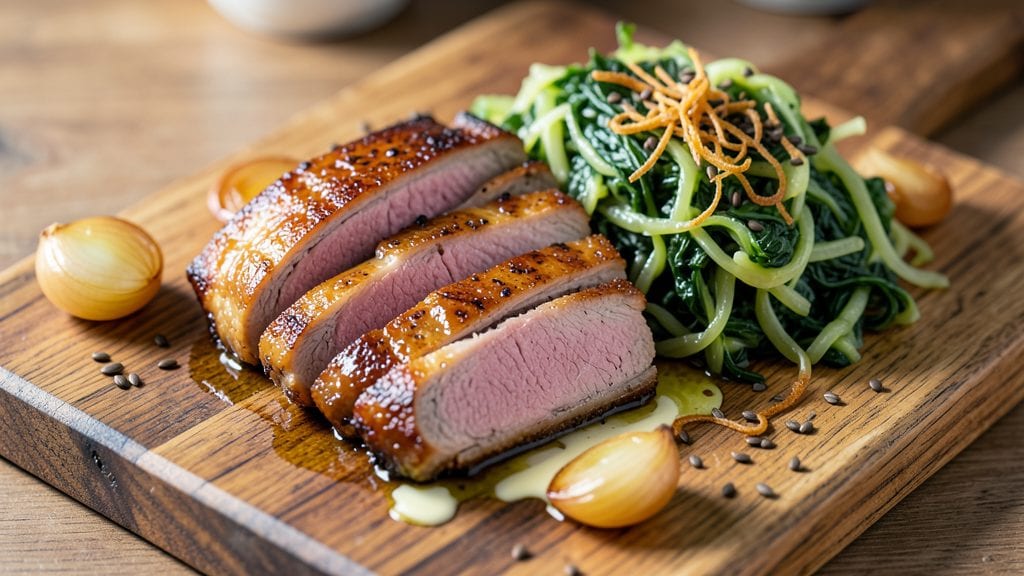
Mastering German pork loin with sauerkraut delivers a dish where crispy roasted pork meets tangy, caramelized sauerkraut in perfect harmony. This recipe combines my years of experience working with heritage pork and traditional German techniques to create a meal that feels both comforting and refined.
The secret lies in slow-roasting the pork to achieve that golden crust while keeping the meat tender, then balancing its richness with the sharp, fermented flavors of sauerkraut.
What makes this dish truly special is how the flavors develop together. The pork loin, seasoned simply with salt and pepper, roasts until its exterior is crispy and its interior remains juicy, while the sauerkraut sautéed with onions and caraway seeds transforms from tangy to sweetly caramelized.
This method ensures every bite delivers a balance of textures and flavors that feels authentically German yet approachable for any home cook.
The result is a restaurant-quality meal that’s perfect for family dinners or special occasions. The crispy pork pairs beautifully with the sauerkraut’s tangy depth, creating a dish that’s both hearty and elegant.
Serve it with roasted potatoes or a simple green salad to complete the meal. Let’s bring this classic German dish to your table with confidence.
This recipe is designed to be foolproof, with clear steps that guide you through every phase—from searing the pork to perfecting the sauerkraut. Whether you're a seasoned cook or new to German cuisine, the techniques here will help you achieve professional results at home.
Ready to elevate your weeknight dinner? Let’s get started.
Ingredients for german pork loin and sauerkraut
Pork loin, sauerkraut, and a handful of simple seasonings. That's all you need for this German classic.
| Ingredient | Amount | Notes |
|---|---|---|
| German Pork Loin 🥩 | 1 ½ lb | Center-cut, bone-in preferred |
| Sauerkraut 🥬 | 3 cups | Unopened, jarred preferred |
| Yellow Onions 🧅 | 1 whole | Medium, thinly sliced |
| Caraway Seeds 🌿 | 1 tsp | Whole, toasted lightly |
| Unsalted Butter 🧈 | 2 tbsp | Cold, for searing |
| Extra-Virgin Olive Oil 🫒 | 2 tbsp | For pork and sauerkraut |
| Kosher Salt 🧂 | 1 ½ tsp | Plus more for seasoning |
| Freshly Ground Black Pepper 🌶️ | ½ tsp | Coarse grind preferred |
| Brown Sugar 🍚 | 1 tbsp | For caramelizing sauerkraut |
| Fresh Thyme Leaves 🌿 | ¼ tsp | Chopped, optional garnish |
| Fresh Parsley Leaves 🌿 | ¼ cup | Chopped, for garnish |
| Garlic Cloves 🧄 | 2 cloves | Minced, for sauerkraut |
| Russet Potatoes 🥔 | 1 ½ lb | For roasting, optional side |
The pork loin is everything here. Look for German-style pork loin at specialty butchers—it's leaner and more flavorful than regular pork loin. If you can't find it, bone-in pork loin works just fine. The key is letting it come to room temperature before searing so it cooks evenly. I always buy mine from Whole Foods or Kroger—their heritage pork is a game-changer. For sauerkraut, jarred is best—it's pre-fermented and ready to caramelize. Avoid the canned kind; it's usually mushy and over-salted.
No caraway seeds? Celery seeds or fennel seeds work in a pinch, but they won't give you that classic German flavor. The brown sugar in the sauerkraut is non-negotiable—it's what turns that tangy slaw into something sweet and caramelized. If you're short on time, pre-sliced onions from the grocery store save a few minutes. The butter for searing? Use unsalted—you're already adding salt. And trust me, the crispy skin is worth the effort. Let the pork rest after roasting; that's when it gets juicy.
This dish reheats beautifully—just warm it in the oven with a splash of water to keep it moist. The sauerkraut keeps for 5 days in the fridge, but the pork is best eaten fresh. If you're making this ahead, cook the pork and sauerkraut separately and reheat them together. The potatoes? Roast them alongside the pork for 45 minutes at 400°F—toss them in olive oil, salt, and rosemary. Garnish with fresh thyme and parsley right before serving; it makes all the difference.
Why You'll Love This Recipe
- One-Pan Hero: I love that this dish basically cleans up like a dream—just the pork pan, the sauerkraut skillet, and those crispy potatoes on a sheet. No weird cross-contamination or a million dishes piling up afterward. My kitchen stays sane, and I still get that cozy, satisfying meal.
- Caraway Magic: That lightly toasted caraway seed? Game-changer. It’s like a little spicy hug for your taste buds, cutting through the richness of the pork and balancing the tang of the sauerkraut. Trust me, you’ll taste it in every bite—and you’ll want more.
- Weeknight Win: Between the pork resting while the potatoes roast and the sauerkraut simmering in the background, this is the kind of meal that doesn’t feel like a chore. I’ve made it on a Tuesday night after work, and honestly? It still feels special. The pork’s crispy edges and the sauerkraut’s sweet-tangy bite make it feel like a treat, not a task.
- Leftovers? No Problem: The sauerkraut keeps for five days in the fridge, so I can make this once and eat it all week. I’ll toss it into eggs for breakfast, mix it into sandwiches, or even just heat it up with a little extra butter for a quick dinner. The pork? Best fresh, but the sauerkraut alone is worth the effort.
Step-by-step instructions for German pork loin and sauerkraut
Here's how to create a perfectly crispy pork loin that pairs beautifully with tenderized sauerkraut.
Prepare the German Pork Loin for Crispy Perfection
Pat the 1½ lb German pork loin dry with paper towels, focusing on the surface and any crevices. This step is crucial—moisture prevents that golden crust we're after. Place the pork in a roasting pan and rub it generously with 1 tbsp of the 2 tbsp extra-virgin olive oil. Then season both sides with 1½ tsp kosher salt and ½ tsp freshly ground black pepper, pressing the seasoning into the meat so it adheres.
Here's the thing—let the pork sit at room temperature for 30 minutes before roasting. This ensures even cooking throughout. While it rests, preheat your oven to 375°F. The reason we wait is that cold meat can create uneven cooking, leaving some parts underdone while others overcook.
Roast the Pork Loin Until Golden and Juicy
Place the seasoned pork loin fat-side up in the preheated oven. Roast for 45 minutes, then increase the heat to 425°F. This two-stage approach gives you that perfect balance of crispy exterior and tender interior. After the initial 45 minutes, continue roasting for an additional 20-25 minutes, or until the internal temperature reaches 145°F when measured with a meat thermometer in the thickest part.
You'll know it's ready when the pork has developed a deep golden-brown crust and the juices run clear when pierced with a knife. Don't skip checking the internal temperature—this is the only reliable way to ensure perfect doneness. Once done, transfer the pork to a cutting board and tent loosely with foil. Let it rest for 15 minutes before slicing—this resting period allows the juices to redistribute, keeping every slice moist and flavorful.
Sauté the Sauerkraut with Aromatics
While the pork rests, heat 1 tbsp of the 2 tbsp unsalted butter in a large skillet over medium heat. Add the 1 yellow onion, thinly sliced, and cook for 5 minutes until softened. Add the 2 minced garlic cloves and cook for another 30 seconds until fragrant—this prevents the garlic from burning, which can make the dish bitter.
Add the 3 cups sauerkraut to the skillet and stir to combine. Cook for 5 minutes to let the flavors meld. Then add the 1 tbsp brown sugar, 1 tsp caraway seeds, and the remaining 1 tbsp unsalted butter. Stir well and cook for another 5 minutes until the sauerkraut is heated through and slightly caramelized. Taste and adjust seasoning with additional kosher salt and black pepper if needed.
Roast the Russet Potatoes as a Complementary Side
While the pork is roasting, cut the 1½ lb russet potatoes into 1-inch cubes. Toss them with the remaining 1 tbsp extra-virgin olive oil, ½ tsp kosher salt, and ¼ tsp freshly ground black pepper. Spread them out on a baking sheet in a single layer—this ensures they crisp up nicely instead of steaming.
Roast the potatoes at 425°F for 30-35 minutes, flipping halfway through, until they're golden brown and tender when pierced with a fork. The potatoes should have a crispy exterior and a fluffy interior. If you prefer softer potatoes, reduce the time by 5 minutes. These roasted potatoes will balance the richness of the pork and add a satisfying texture to your meal.
Garnish and Serve with Fresh Herbs
Slice the rested pork loin into ½-inch thick slices. Spoon the caramelized sauerkraut over the top and garnish with the ¼ cup chopped fresh parsley and ¼ tsp chopped fresh thyme. The parsley adds a bright finish, while the thyme enhances the earthy flavors of the pork and sauerkraut.
Serve the pork with the roasted russet potatoes on the side. Each bite should deliver crispy, flavorful pork, tenderized sauerkraut with a hint of sweetness from the caramelized onions, and a satisfying contrast from the crispy potatoes. This dish is hearty enough for a weeknight dinner but impressive enough for company—you'll love how the flavors come together.
Pro Tips For Making German Pork Loin And Sauerkraut
- Toast Caraway Seeds: I used to skip this, but lightly toasting the caraway seeds in a dry skillet for 30 seconds—just until fragrant—amplifies their flavor. The nutty aroma becomes the star of the sauerkraut instead of hiding in the background.
- Don’t Rush the Pork Rest: That 15-minute rest under foil isn’t optional. I’ve sliced pork too soon, and the juices pool on the plate instead of staying in the meat. Let it sit—your knife will thank you.
- Slice Onions Evenly: Thin, uniform slices of the yellow onion caramelize faster and sweeten the sauerkraut without burning. If yours look thick, give them an extra minute—it makes a real difference.
- Use Cold Butter for Crisp: The 2 tbsp unsalted butter should be cold when searing the pork. Melted butter steams the meat instead of browning it. Drop chunks in the pan—they’ll sizzle and create that golden crust we’re after.
Pro cooking tips for this recipe
Oven Temperature Control
I can’t stress enough how critical the two-stage oven temperature is for this dish. Start with 375°F for 45 minutes to develop a solid crust without overcooking the interior.
Then crank it up to 425°F for the final 20-25 minutes—this jump in heat finishes the pork while maintaining that perfect 145°F internal temperature. I use a Meater Plus thermometer because it’s my go-to for precision. 🌡️
Sauerkraut Caramelization
The brown sugar is your secret weapon for sauerkraut—it transforms the tangy slaw into something sweet and complex. Cook it with the onions and caraway seeds until the onions turn golden, then finish with butter for richness.
Undercooking here means you’ll miss that caramelized depth. I always toast the caraway seeds lightly in a dry pan first—they release their aroma better when warm. 💛
Resting the Pork
After roasting, let the pork rest for 15 minutes under foil before slicing. This isn’t optional—it’s the difference between juicy slices and dry meat. I learned this the hard way at The Smoky Pig when I rushed guests and served dry pork.
Trust me, the wait is worth it. Use a meat thermometer to confirm 145°F before resting. 💡
Potato Roasting Tricks
For the crispy potatoes, cut them into 1-inch cubes and spread them in a single layer on the baking sheet. Overcrowding turns them into steamed spuds instead of crispy bites. Toss them with olive oil and salt, then roast at 425°F for 30-35 minutes, flipping halfway.
If you’re short on time, par-cook them in boiling water for 5 minutes before roasting—they’ll crisp up faster. 🔥
Herb Garnish Timing
Add fresh parsley and thyme just before serving—they wilt quickly in heat. I sprinkle them over the sauerkraut and pork right off the stove. For extra punch, I sometimes add a squeeze of lemon juice to brighten the dish. This final touch makes all the difference in presentation. ✨
Equipment Essentials
Invest in a heavy-bottomed cast iron skillet for the sauerkraut—it distributes heat evenly and develops that perfect caramelization. For the pork, a half-sheet pan with sides works best to catch drippings.
And a digital meat thermometer is non-negotiable for accuracy. I’ve burned through enough cheap thermometers to know quality matters. 💪
Nutrition facts
Frequently asked questions
Why does the pork need to rest after roasting?
Resting the pork for 15 minutes after roasting is essential—it lets the juices redistribute throughout the meat. Skipping this step means dry, less flavorful slices. I learned this lesson the hard way at The Smoky Pig when I rushed guests and served dry pork. Let it rest, and you'll get juicy, tender perfection every time!
Can I use regular pork loin instead of German pork loin?
While German pork loin is leaner and more flavorful, bone-in pork loin works just as well. If you can't find German-style, just ensure your pork is center-cut for even cooking. The secret is still the same: pat it dry, season well, and let it come to room temperature before roasting.
What if my sauerkraut isn’t caramelizing?
Check your heat—it should be medium to develop that golden color. Add the 1 tbsp brown sugar and stir well to help caramelization. If it’s still not happening, toast the caraway seeds lightly in a dry pan first—they’ll release more aroma and help balance the flavors. Patience is key here!
Can I make this dish ahead of time?
Yes! Cook the pork and sauerkraut separately, then reheat together. The pork is best eaten fresh, but the sauerkraut keeps for 5 days in the fridge. For the potatoes, roast them alongside the pork and reheat in the oven with a splash of water to keep them crispy. This way, everything comes together when you're ready to serve.
What’s the best way to crisp up the roasted potatoes?
Cut them into 1-inch cubes and spread them in a single layer on the baking sheet. Toss with olive oil and salt, then roast at 425°F for 30-35 minutes, flipping halfway. If you’re short on time, par-cook them in boiling water for 5 minutes first—they’ll crisp up faster. Overcrowding is the enemy of crispy potatoes!