
Main Courses
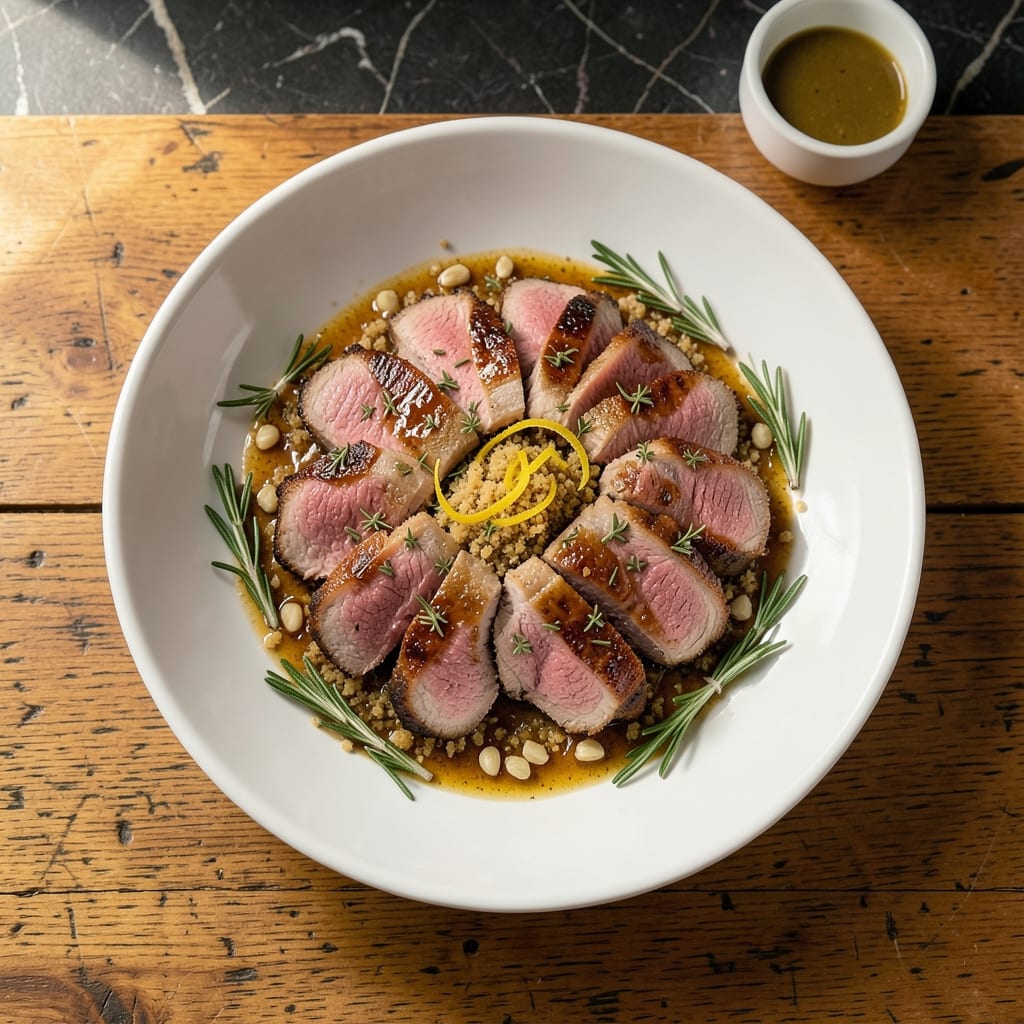
Gordon Ramsay pork tenderloin recipe transforms a simple cut into an elegant 30-minute masterpiece. The secret lies in a herb crust that locks in moisture while creating a golden, aromatic seal.
This method uses a hot pan and precise timing to achieve tender, juicy meat with a perfectly crisp exterior. The combination of fresh rosemary, thyme, and garlic creates layers of flavor that elevate the pork beyond ordinary.
You’ll serve restaurant-quality slices with minimal effort. The result is impressive enough for guests but simple enough for weeknights.
Pair with roasted vegetables or mashed potatoes to complete the meal. Here’s how to execute it perfectly.
Ingredients for Gordon Ramsay Pork Tenderloin
Eleven ingredients deliver restaurant-quality pork with herb-crusted perfection in thirty minutes flat.
| Ingredient | Amount | Notes |
|---|---|---|
| Pork Tenderloin 🥩 | 1 ½ lb | Trimmed of excess fat |
| Fresh Rosemary 🌿 | 2 tbsp | Finely chopped, stems discarded |
| Fresh Thyme 🍃 | 2 tbsp | Leaves only, stems removed |
| Garlic Cloves 🧄 | 4 cloves | Minced to fine paste |
| Dijon Mustard 🟡 | 2 tbsp | Whole grain preferred |
| Olive Oil 🫒 | 3 tbsp | Divided for crust and searing |
| Kosher Salt 🧂 | 1 ½ tsp | Diamond Crystal preferred |
| Black Pepper 🌶️ | 1 tsp | Freshly cracked for best flavor |
| Unsalted Butter 🧈 | 2 tbsp | For basting while cooking |
| Breadcrumbs 🍞 | ½ cup | Panko for extra crispiness |
| Shallot 🧅 | 1 whole | Finely minced for herb crust |
| Dry White Wine 🍷 | ¼ cup | For deglazing pan |
The pork tenderloin must be fresh and uniformly shaped for even cooking. Whole Foods or Costco offer excellent quality, or ask your butcher for a center-cut piece. Look for a pale pink color with minimal blemishes. The fresh herbs—rosemary and thyme—should be vibrant and aromatic; avoid any with wilting leaves or brown spots. Diamond Crystal kosher salt is the standard in professional kitchens for its clean flavor and precise grain size.
No fresh herbs? Dried at one-third the amount, but fresh delivers superior aroma. The Dijon can be substituted with whole-grain mustard for texture, but avoid yellow mustard—too sharp. Out of white wine? Chicken stock with a squeeze of lemon works for deglazing. Panko breadcrumbs add crunch, but regular breadcrumbs are acceptable in a pinch. Always use unsalted butter to control the seasoning.
Prep the herb crust just before cooking to preserve freshness. The cooked tenderloin rests 10 minutes before slicing—critical for moisture retention. Leftovers keep 3-4 days refrigerated or freeze for 2 months. Slice cold pork thinly for sandwiches or salads.
Why You'll Love This Recipe
- Minimal Effort: I just sear, slather with mustard, and let the oven do the rest—no fancy techniques required.
- Herb-Infused Delight: The rosemary and thyme crust with garlic hits that restaurant-quality flavor every time.
- Weeknight Hero: Between us, it’s my go-to for impressing guests or just treating myself on a Tuesday.
- Leftovers Win: The slices reheat beautifully for next-day sandwiches that taste even better.
Step-by-Step Instructions for Herb-Crusted Pork Tenderloin
Master this technique for a restaurant-quality herb crust with juicy, tender meat inside.
Prepare the Herb Crust Mixture
Finely chop the 2 tbsp fresh rosemary and 2 tbsp fresh thyme leaves, discarding any stems. In a small bowl, combine these with the 1.5 tsp kosher salt, 1 tsp black pepper, 0.5 cup breadcrumbs, and minced 1 whole shallot.
Add 2 tbsp olive oil to the breadcrumb mixture and stir until it resembles wet sand. This ensures the crust adheres properly to the pork. The texture should hold together when pressed but not be soggy—add more breadcrumbs if needed.
Sear and Coat the Pork Tenderloin
Pat the 1.5 lb pork tenderloin dry with paper towels, then season lightly with additional salt and pepper. Heat 1 tbsp olive oil in an oven-safe skillet over medium-high heat until shimmering.
Sear the pork on all sides for 2-3 minutes per side until golden brown. Brush the seared pork all over with the 2 tbsp Dijon mustard, then press the herb-breadcrumb mixture onto the top and sides, creating an even layer. The mustard acts as a natural adhesive for the crust.
Roast to Perfection
Transfer the skillet to a preheated 400°F oven. Roast for 15-20 minutes until the internal temperature reaches 145°F. For the last 5 minutes, baste the pork with the 2 tbsp unsalted butter to enhance browning and add richness.
The crust should be deep golden brown and crispy, with the pork just pink in the center. If the crust browns too quickly, tent loosely with foil to prevent burning while the pork finishes cooking.
Rest and Deglaze
Remove the pork from the oven and transfer it to a cutting board. Tent with foil and let rest for 10 minutes—this allows the juices to redistribute for maximum tenderness.
Place the skillet back on the stove over medium heat. Add the 0.25 cup dry white wine and the minced 4 cloves garlic cloves, scraping up any browned bits. Simmer for 2-3 minutes until reduced by half to create a quick pan sauce.
Slice and Serve
Slice the pork into 1-inch thick medallions and arrange on a platter. Drizzle the garlic-wine pan sauce over the top. Each slice should reveal a perfectly pink center with the herb crust intact.
Serve immediately while the crust remains crisp. The combination of the aromatic herbs, tangy mustard, and buttery richness creates a sophisticated dish worthy of any special occasion.
Pro Tips For Making Gordon Ramsay Pork Tenderloin
- Sear Hot, Finish Low: I learned this the hard way—crank your pan to smoking hot for the initial sear to get that golden crust, then drop the heat to medium to cook the tenderloin through without burning the herbs.
- Score the Fat: Sounds weird, but it works: make shallow cuts in the fat cap every inch or so to prevent curling and help the rosemary and thyme cling better.
- Rest Under Foil: After pulling it from the oven, tent the pork with foil and give it a solid 10 minutes to rest—this keeps the juices inside where they belong, not on your cutting board.
- Crush the Garlic: My grandmother swore by this: smash the garlic cloves with the side of your knife before mincing for the mustard rub—it releases more flavor and blends better into the Dijon.
Wine and Beer Pairings for These Flavors
White Wine Pairings
A crisp Sauvignon Blanc from New Zealand cuts through the herb crust beautifully with its bright acidity and citrus notes. I love Kim Crawford—it complements the Dijon mustard without overpowering the pork. 🍷
Red Wine Options
A light-bodied Pinot Noir from Oregon, like Domaine Serene, offers red fruit flavors that pair wonderfully. The earthy notes match the rosemary and thyme while keeping the dish elegant.
Craft Beer Choices
For beer lovers, a Belgian-style witbier like Blue Moon provides citrus and spice that enhance the herb crust. The wheat base adds a subtle creaminess that balances the pork's richness. 🍺
Lager Alternatives
A crisp pilsner such as Stella Artois works beautifully, cleansing your palate between bites. The carbonation cuts through the buttery sauce while the light malt complements the pork.
Non-Alcoholic Pairings
Sparkling apple cider with a squeeze of lime offers acidity similar to wine. I recommend Martinelli's Gold for its balanced sweetness. The bubbles refresh your palate between each tender bite.
Nutrition Facts
Frequently Asked Questions
What can I use instead of Dijon mustard?
Whole-grain mustard works as a direct substitute. Avoid yellow mustard—its sharpness overpowers the dish. For a milder option, mix 1 tbsp honey with 1 tbsp regular mustard to balance the flavor.
Can I cook this without an oven-safe skillet?
Yes! Sear in a regular pan, then transfer to a baking dish for the 400°F oven. Use a meat thermometer to ensure it reaches 145°F internally. The crust may brown less evenly.
Why does my crust fall off when slicing?
Press the crust firmly onto the mustard-coated pork before roasting. Letting it rest 10 minutes after cooking helps it set. If the crust is too dry, add 1 tsp olive oil to the breadcrumb mix.
How do I know when the pork is done?
Use a meat thermometer—145°F in the thickest part is perfect. The meat should be slightly pink inside. Overcooking dries it out, so pull it from the oven just as it hits temperature.